Choosing the right walking cane depends on your mobility needs, comfort, preferred handle style, cane type, and level of support. In this guide, we explore seven walking canes available at MedicalEshop, including folding, quad, bariatric, offset-handle, and traditional designs. Learn what to consider when choosing a cane, how to ensure proper fit, and tips for safe cane use. We also answer common questions about cane height, proper hand placement, quad canes, Medicare coverage, and when another mobility aid may be more appropriate

Choosing a walking cane is not simply about picking the first option that looks comfortable. The right cane depends on factors such as the level of support needed, cane type, handle design, adjustability, portability, and personal comfort.
For some people, a traditional single-point cane may be sufficient for everyday mobility. Others may prefer a quad cane with a broader base or a folding design that is easier to store and transport. The most appropriate choice depends on the individual's mobility needs and how the cane fits and feels during use.
To help narrow down the options, we have selected seven walking canes available from MedicalEshop, covering different designs and features. These products are presented based on their available product features and configurations rather than as a clinical ranking.
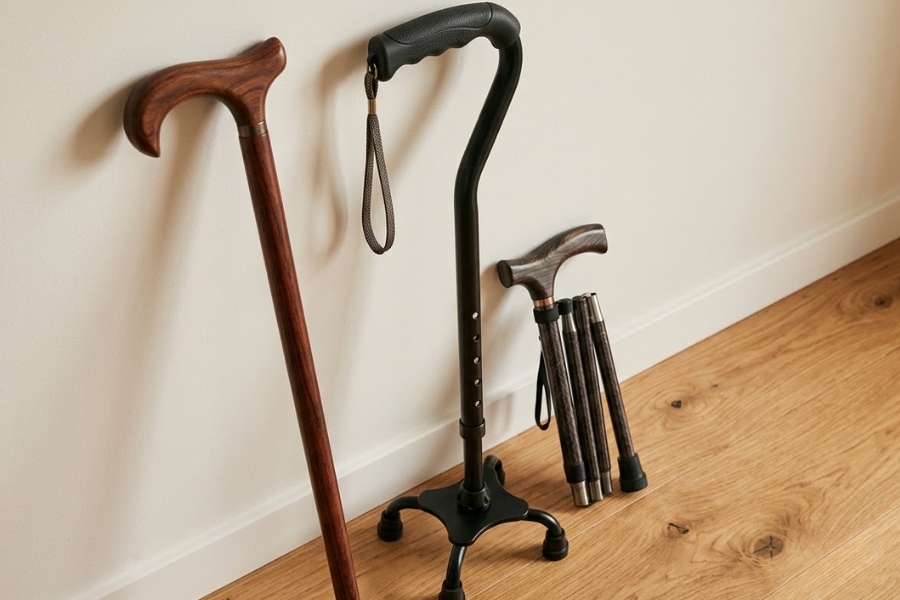
Before choosing a walking cane, it helps to understand the features that may affect everyday use.
Walking canes are available in different configurations. Single-point canes have one contact point with the ground, while quad canes have four points at the base. A quad cane has a broader base of support, although it may also be heavier and more difficult to maneuver than a single-point cane.
The amount of support you need is an important consideration when deciding between cane types. MedlinePlus recommends discussing cane selection with a healthcare professional or physical therapist when you're unsure which type is appropriate.
The handle is one of the parts of a cane you'll interact with most, so comfort matters. Different canes use different handle shapes and grip materials.
Mayo Clinic recommends choosing a grip that feels comfortable and notes that people who have difficulty grasping may prefer a larger grip. Pain or numbness in the hand or fingers may indicate that the grip is not a good fit.
A properly fitted cane should allow you to stand naturally without leaning excessively to one side.
Mayo Clinic recommends that the top of the cane line up approximately with the crease of the wrist when the arm hangs naturally at the side. The elbow should remain comfortably bent, generally around 15 to 30 degrees.
If you frequently travel, store your cane in a vehicle, or need to carry it when it is not being used, a folding cane may be worth considering. Folding designs may make storage and transportation more convenient.
However, portability should be considered alongside the cane's other features and your individual mobility requirements.
The base of a cane affects how it contacts the ground. Single-point designs have one contact point, while quad canes have four.
A wider base may provide a different level of support compared with a traditional single-point cane. However, a larger base does not automatically make a cane the right choice for every person.
Selecting a cane is only one part of using a mobility aid. Proper fit and technique are also important.
MedlinePlus recommends holding the cane in the hand opposite the weaker leg or the leg that has been affected by an injury or surgery.
If you're unsure about which hand to use or how to coordinate the cane with your steps, ask a healthcare professional or physical therapist for guidance.
The cane should be adjusted so that the handle is approximately level with the wrist crease when you are standing naturally. Your elbow should remain slightly bent when holding the handle.
A cane that is too long or too short may affect your posture and how you use the device.
Before placing weight on the cane, make sure the cane tip-or all four tips on a quad cane-is properly positioned on the ground. MedlinePlus specifically recommends ensuring that all four prongs of a quad cane are on the ground before putting weight on it.
The rubber tip is the part of the cane that contacts the walking surface. Mayo Clinic recommends checking the tip periodically and replacing it when the tread becomes worn or the material becomes stiff.
MedlinePlus also recommends checking cane tips daily and replacing worn tips.
Stairs, wet floors, icy walkways, loose rugs, and clutter can increase the risk of slipping or tripping. MedlinePlus recommends keeping floors clear and dry and using nonskid footwear when using a cane.
The National Institute on Aging also recommends taking extra care on wet or icy surfaces and using an assistive device when additional steadiness is needed.
A cane is not appropriate for every mobility situation. MedlinePlus notes that people experiencing significant pain, weakness, or balance problems may need a different mobility aid, such as a walker or crutches.
If you're uncertain about which mobility aid is appropriate, a healthcare professional or physical therapist can help assess your needs and provide instruction on safe use. The National Institute on Aging similarly recommends professional guidance when selecting and learning to use assistive devices.
The following seven canes represent different designs available through MedicalEshop. Instead of declaring one product the universally "best," each option is matched with a particular feature or design characteristic.

Best for: A folding cane with a four-point base and offset handle
The Medline 4-Point Offset Folding Hybrid Cane combines several features in one design. It has a four-point base, an offset handle, a folding configuration, and a gel grip.
Its folding design may be useful for people who want a cane that is easier to store or transport. The offset handle provides a different hand position from a traditional straight cane handle, while the four-point base gives the cane multiple contact points with the floor.
According to the manufacturer's information, the cane is made from lightweight aluminum, has an adjustable height range, and uses a gel grip. The four-point design also allows the cane to stand independently when positioned appropriately.
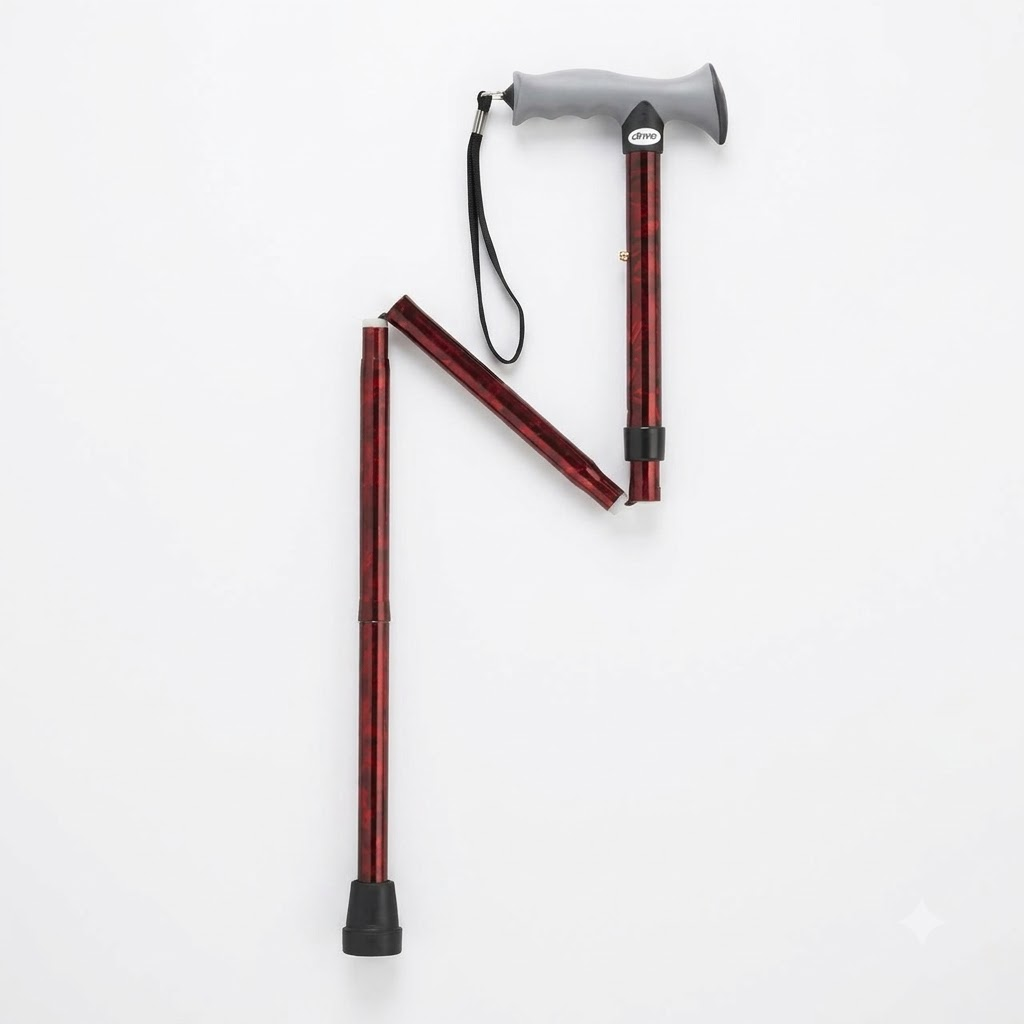
Best for: A folding cane with a gel grip
The Drive Medical Aluminum Folding Cane With Gel Grip and Red Crackle offers a combination of portability and a comfortable-looking grip design.
Its folding configuration may be convenient for storage or transportation, while the aluminum construction keeps the design focused on everyday cane use. The gel grip provides a soft-touch handle option compared with some traditional hard cane handles.
The red crackle finish also gives this cane a distinctive appearance for people who want something beyond a basic solid-finish cane.
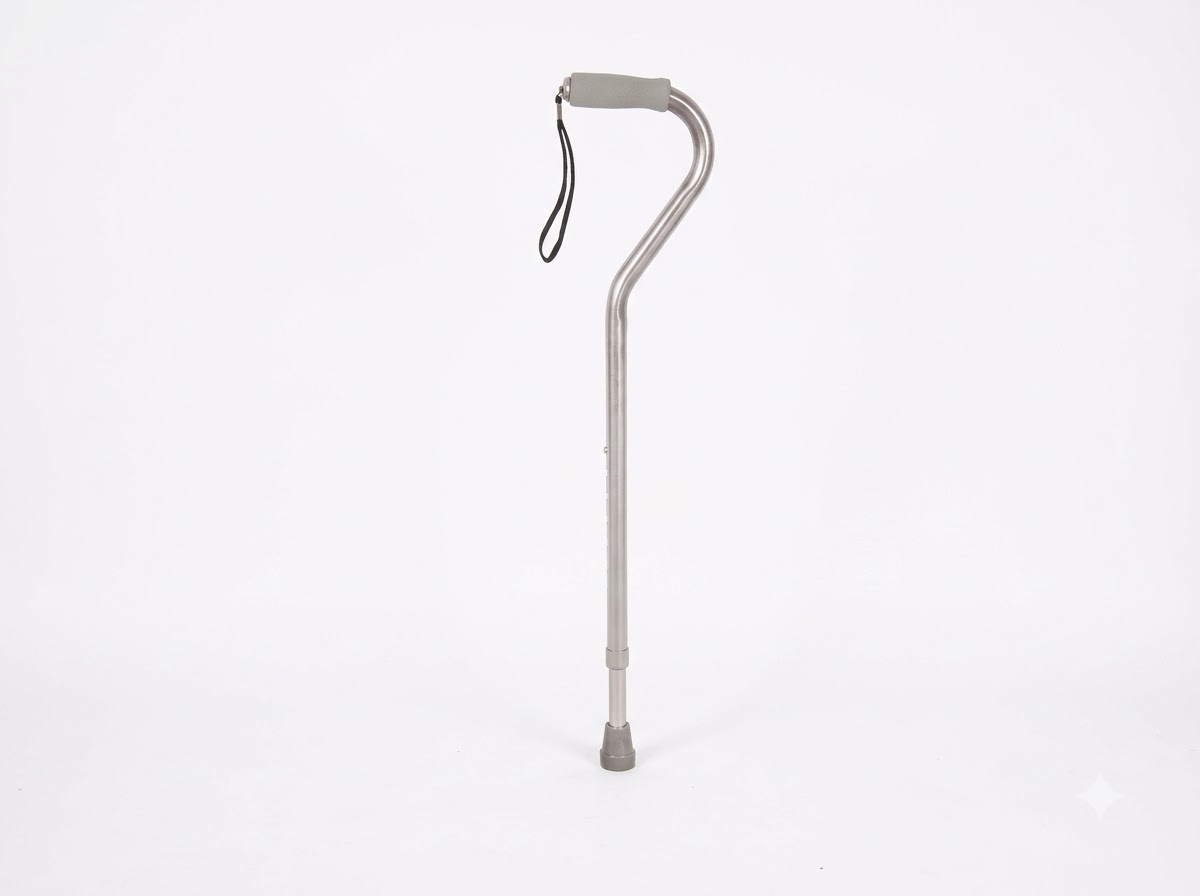
Best for: An offset-handle design
Drive Offset Handle Aluminum Canes are designed around an offset handle configuration rather than a traditional straight handle.
An offset handle positions the hand differently along the cane shaft and may be worth considering for shoppers specifically looking for this style. The aluminum construction also makes this a straightforward option for people comparing different types of everyday walking canes.
When choosing an offset cane, pay attention to the specific model, height adjustment, handle design, and other available configurations to ensure the option matches your requirements.
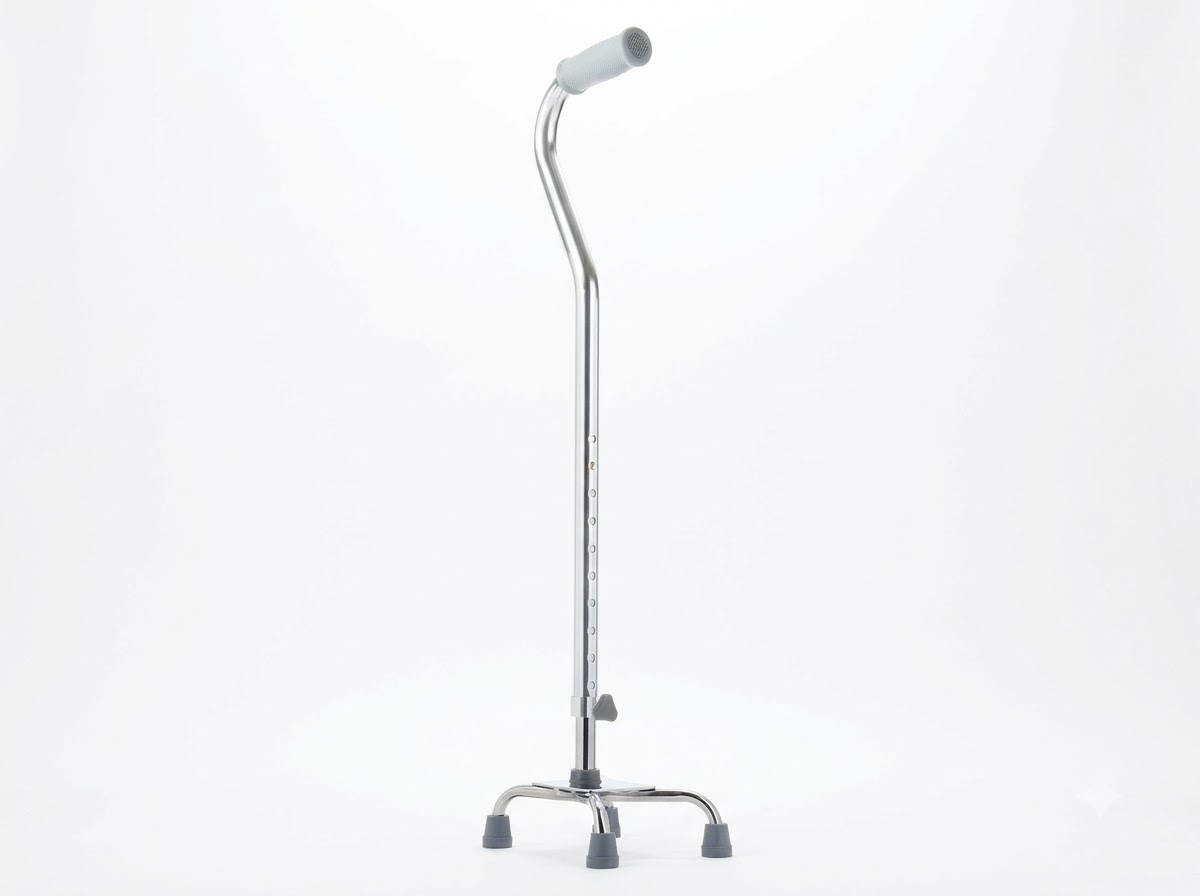
Best for: A traditional quad-cane configuration
The Days Quad Cane provides a four-point base rather than the single contact point found on many traditional walking canes.
Quad canes may be considered by people looking for a broader base of support. However, Mayo Clinic notes that quad canes can also be heavier and more difficult to handle than single-tip canes.
As with any mobility aid, the appropriate choice depends on the user's individual needs, ability to maneuver the cane, and proper fitting.
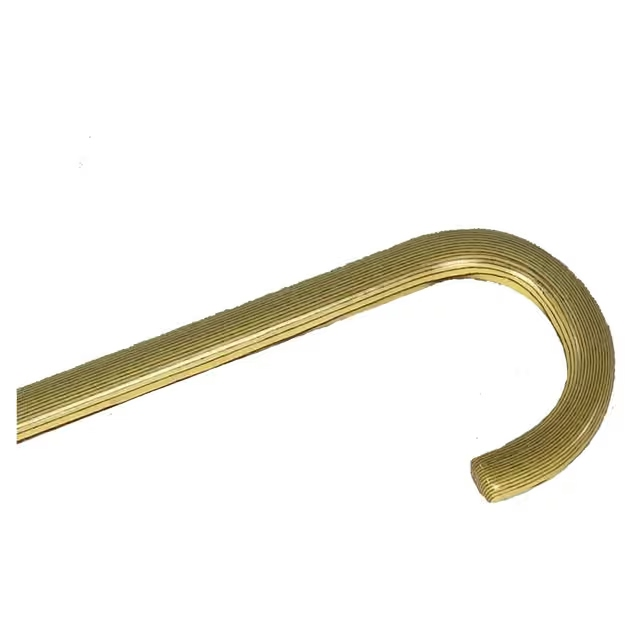
Best for: A bariatric quad-cane configuration
The Days Bariatric Quad Cane is designed as a bariatric version of the quad-cane style.
Its four-point base distinguishes it from standard single-point canes, while its bariatric configuration makes it an option for shoppers specifically looking for this type of cane.
When considering a bariatric mobility aid, always review the manufacturer's stated weight capacity and product specifications for the particular model. Weight capacity should not be assumed based solely on the product name.
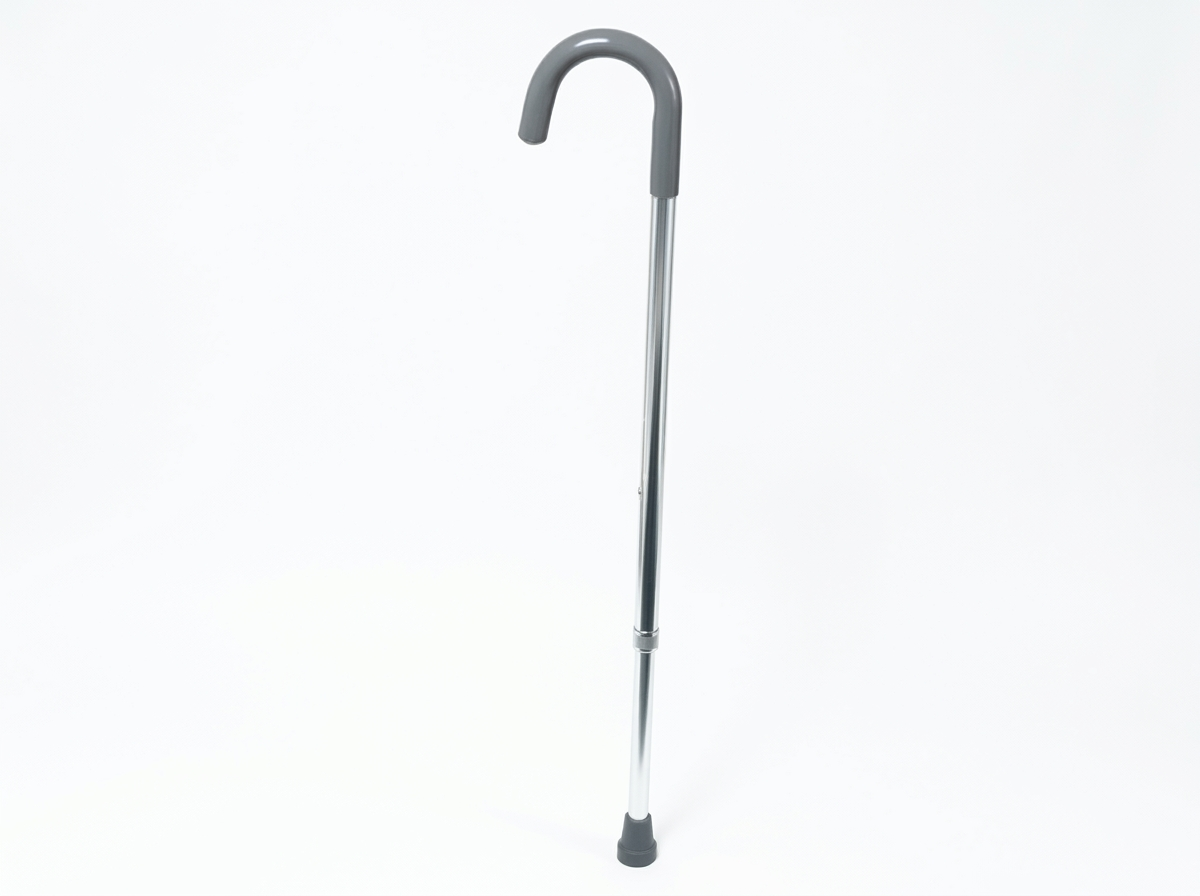
Best for: A traditional tourist-handle style
The Alex Orthopedic Tourist Handle Cane offers a more traditional cane appearance with a tourist-style handle and natural-stain finish.
This type of cane may appeal to shoppers who prefer a classic handle design rather than an offset or quad-base configuration.
When choosing a traditional handle cane, comfort and fit should remain priorities. Mayo Clinic recommends selecting a grip that feels comfortable and ensuring that the cane is adjusted appropriately for the user's height.
//8
Best for: A straightforward standard cane design
The Days Standard Cane provides a simple option for shoppers who prefer a conventional walking cane design.
A standard cane may be worth considering when a user is looking for a straightforward mobility aid without the additional configuration of a quad base or folding mechanism.
As with other cane styles, the important considerations include proper height, comfortable grip, appropriate weight capacity, and whether the cane provides the level of support recommended for the individual.
With several cane styles available, comparing the primary features can make the selection process easier.
| If you prioritize | Consider |
| Folding design, four-point base, and offset handle | Medline 4-Point Offset Folding Hybrid Cane |
| Folding design and gel grip | Drive Medical Aluminum Folding Cane With Gel Grip and Red Crackle |
| Offset-handle configuration | Drive Offset Handle Aluminum Canes |
| Four-point base | Days Quad Cane |
| Bariatric quad-cane configuration | Days Bariatric Quad Cane |
| Traditional tourist-style handle | Alex Orthopedic Tourist Handle Cane |
| Simple standard cane design | Days Standard Cane |
Remember that this table is intended to help compare product configurations. It does not mean that one cane is clinically better than another.
The right walking cane should match the user's mobility needs, preferred design, comfort, and required level of support. Whether you prefer the portability of a folding cane, the broader base of a quad cane, an offset handle, a traditional tourist-style handle, or a straightforward standard design, comparing these features can help narrow your options.
The seven canes featured in this guide offer different configurations to consider. Before purchasing, review the product specifications carefully and make sure the cane's height, weight capacity, handle, and base design are appropriate for your needs.
Explore walking cane options at MedicalEshop to compare available designs and product specifications. If you're unsure which type of mobility aid is appropriate for your situation, speak with a qualified healthcare professional or physical therapist for personalized guidance.
MedicalEshop is a U.S.-based dealer and supplier of medical supplies, rehabilitation products, mobility aids, and special-needs products. MedicalEshop is not a manufacturer, physician, hospital, or licensed medical provider.
The information provided in this article is for general educational purposes only and should not be considered medical advice, diagnosis, or treatment. Product features and specifications are based on available manufacturer and product information and may change. Product availability, configurations, dimensions, weight capacities, and other specifications should be verified on the applicable product page before purchase.
A healthcare professional or physical therapist can help determine whether a cane is appropriate for you and assist with proper fitting and safe use. If you experience significant pain, weakness, balance problems, or difficulty walking, seek guidance from a qualified healthcare professional before selecting or using a mobility aid.
MedlinePlus - U.S. National Library of Medicine, NIH: Information on cane types, fitting, safe use, cane technique, and when another mobility aid may be more appropriate.
National Institute on Aging (NIH): Guidance on falls, balance, assistive devices, and safe mobility for older adults.
Medicare.gov: Current information about Medicare Part B coverage for canes and durable medical equipment.
Frequently Asked Questions
Ans. There is no single walking cane that is best for every senior. The appropriate choice depends on the person's balance, strength, mobility needs, comfort, and the amount of support required. A healthcare professional or physical therapist can help determine the appropriate mobility aid.
Ans. A quad cane has four points of contact and a broader base of support than a single-tip cane. However, Mayo Clinic notes that quad canes may also be heavier and more difficult to handle.
Ans. A cane is generally held in the hand opposite the weaker or affected leg. MedlinePlus and Mayo Clinic both provide this guidance for cane use.
Ans. When standing naturally with your arm at your side, the top of the cane should generally align with the crease of your wrist. Your elbow should remain comfortably bent when you hold the cane.
Ans. A cane may provide additional support for balance and mobility for some people. However, the appropriate mobility aid depends on the individual's needs. The National Institute on Aging recommends using a cane or walker when additional steadiness is needed and consulting a healthcare professional when appropriate.
Ans. A walker may be more appropriate when someone has significant pain, weakness, or balance problems. MedlinePlus recommends discussing these concerns with a healthcare provider or therapist because a walker or another mobility aid may provide more appropriate support.
Ans. Medicare Part B covers canes as durable medical equipment when applicable medical-necessity and coverage requirements are met. Medicare states that after the Part B deductible, beneficiaries generally pay 20% of the Medicare-approved amount when the supplier accepts assignment. Coverage requirements and supplier participation can affect what you pay, so check your specific Medicare benefits and supplier eligibility before purchasing.
.avif&w=3840&q=75)
.avif&w=3840&q=75)