Learning how to wear a back brace correctly can make a difference in comfort, fit, and everyday use. A back brace may provide external support or serve as a reminder to maintain a more upright position during certain activities. However, the right way to wear one depends on the brace design, the area it supports, and the reason it is being used. This guide explains how to position, secure, and adjust a back brace, how tight it should feel, common mistakes to avoid, and how to combine brace use with healthy posture habits. Individual needs may vary, so always follow the manufacturer's instructions and professional guidance when applicable.
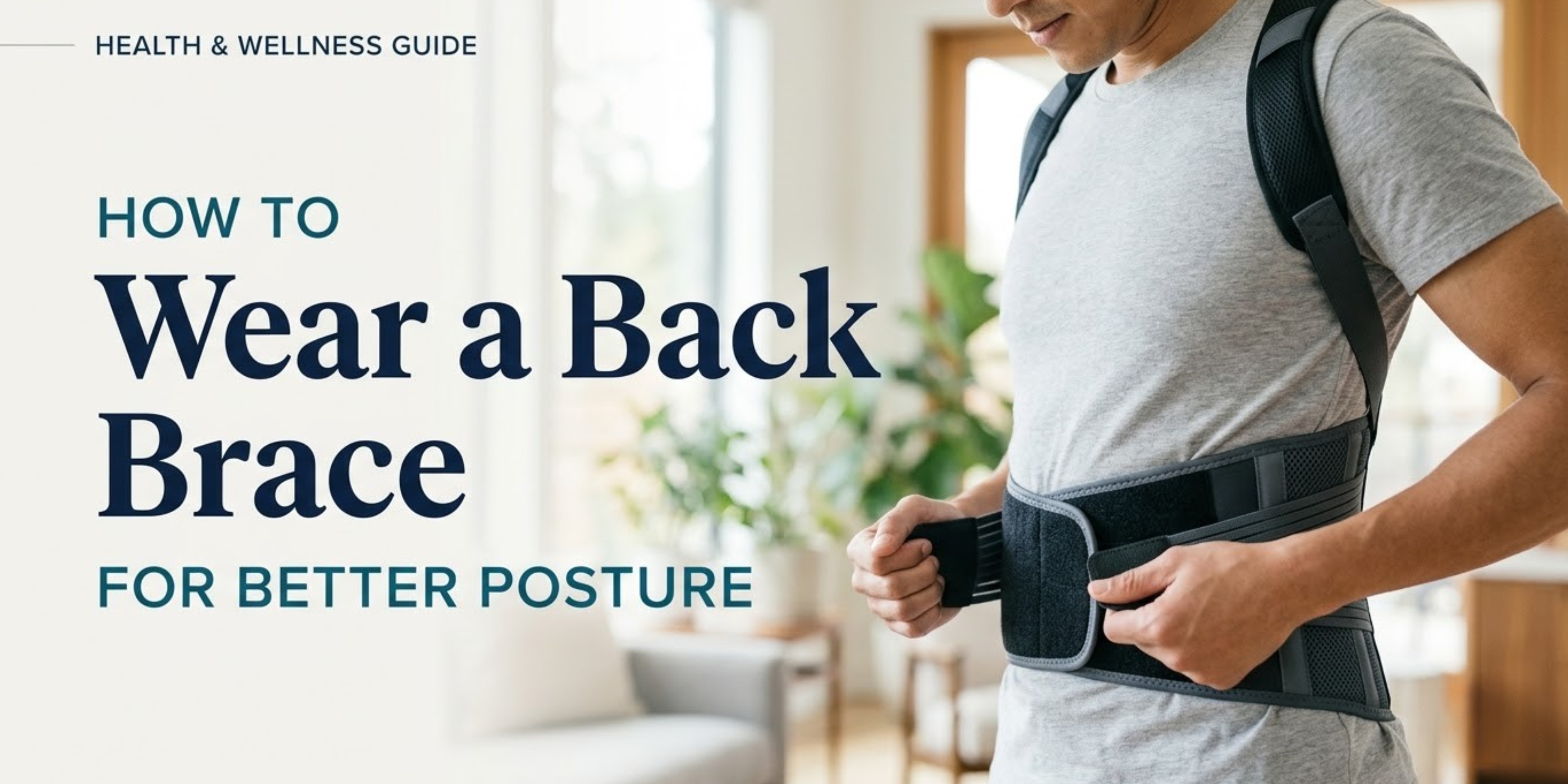
A back brace is an external support designed to provide varying levels of compression, stability, or support around part of the torso. Depending on its design, a brace may target the lower back, lumbar region, sacroiliac area, or broader portions of the back and trunk.
Posture refers to how you position your body while sitting, standing, and moving. Good posture is not about holding your body rigidly in one perfect position. Cleveland Clinic notes that posture is dynamic and that maintaining awareness of how you position your body can help support the spine.
Some people use a back brace when they want additional external support during particular activities or when they have difficulty maintaining their preferred positioning. A brace may also provide a physical reminder to avoid prolonged slouching.
However, a back brace should not automatically be viewed as a treatment for every type of back pain or posture concern. The appropriate use depends on the person's needs, the brace design, and the reason for wearing it.
A back brace can provide external support while it is being worn, but that does not mean it permanently corrects posture.
Some posture-support products are designed to gently encourage a more upright position by providing feedback when the wearer moves into a less desirable position. The evidence and intended use can differ considerably between brace types.
It is also important to distinguish posture support from treatment for chronic low back pain. The World Health Organization recommends against routinely using lumbar braces, belts, or supports for adults with chronic primary low back pain because the evidence for benefit is very uncertain. WHO also notes potential concerns with long-term use, including dependence on the device and reduced conditioning.
That recommendation does not mean every back brace is inappropriate for every person. Different braces may be used for different purposes, including support following specific conditions or under the direction of a healthcare professional.
Key takeaway: A back brace may provide temporary external support or a posture reminder, but it should not be assumed to permanently correct posture or replace appropriate medical care.
The exact application method varies by brace. A lumbar support, sacroiliac belt, and posture-support brace may have very different designs.
Always begin by reading the manufacturer's instructions for your specific product.
Before fastening the brace, determine which part of your back or torso the product is designed to support.
For a lumbar support, the main panel generally needs to sit over the intended lower-back area. A sacroiliac belt may sit lower around the pelvis. Other designs may extend farther up the torso.
Do not assume that every brace should be positioned at the same height.
If the brace has adjustable straps, loosen them before application.
This makes it easier to position the brace correctly rather than trying to force a tight brace into place.
Position the brace so the primary support area is centered over the part of the body it is designed to support.
Check that the brace is lying flat rather than folded, twisted, or bunched underneath the straps.
Fasten the primary hook-and-loop, buckle, or other closure according to the manufacturer's instructions.
The brace should feel secure without creating excessive pressure.
If the brace has additional adjustment straps, tighten them gradually.
The goal is a secure and comfortable fit rather than maximum compression. A brace that is excessively tight may interfere with comfortable movement or cause pressure and skin irritation.
After securing the brace, sit, stand, and move naturally.
Ask yourself:
If the brace causes significant discomfort, numbness, tingling, skin irritation, or other concerning symptoms, remove it and review the fit and instructions. If symptoms persist, seek appropriate professional guidance.
A brace can shift during movement, especially during prolonged sitting, walking, bending, or other activities.
Periodically check that it remains positioned correctly and that the straps have not become excessively tight or loose.
A back brace should generally be secure and supportive without being unnecessarily tight.
There is no single tightness level that is appropriate for every back brace. The correct fit depends on the product design, intended use, sizing, and individual needs.
A properly fitted brace should not:
Avoid tightening a brace simply because you believe more compression will provide more support.
If the manufacturer provides specific fitting instructions, those instructions should take priority.
The appropriate wearing schedule depends on the specific brace and why you are using it.
Some people may choose to wear a support during activities in which they have difficulty maintaining their preferred posture, such as prolonged sitting or certain work-related activities. However, wearing a brace continuously is not automatically better.
The RehabMart reference article similarly emphasizes proper fit and comfortable use rather than excessive tightness.
If a healthcare professional has recommended a brace for a specific condition or recovery plan, follow the wearing schedule they provide rather than using a general online recommendation.
Important: There is no universal X hours per day recommendation that applies safely to every back brace.
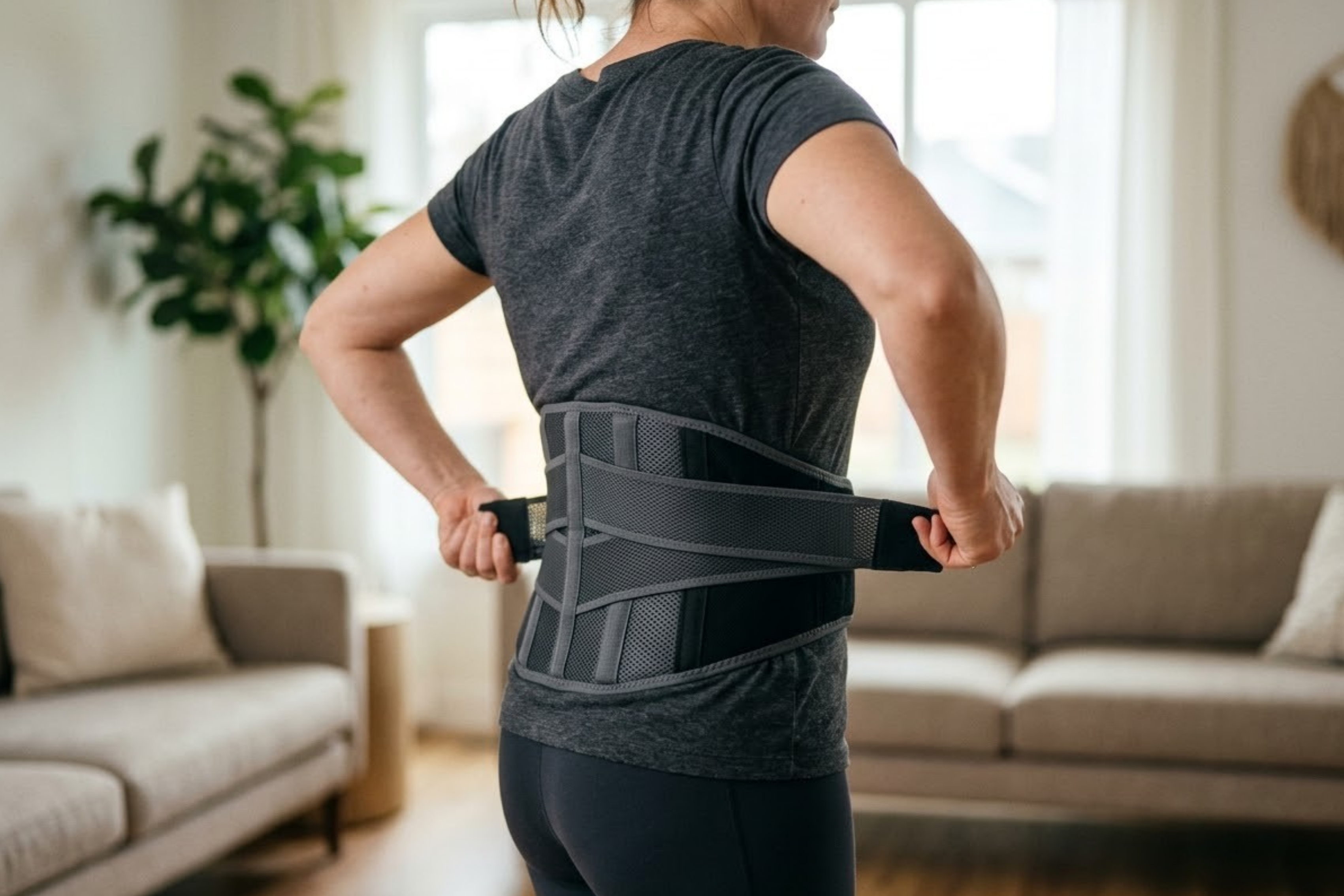
Using a brace incorrectly can affect comfort and may make the device less useful for its intended purpose.
A brace that is too small may create unnecessary pressure, while one that is too large may shift or fail to provide the intended support.
Check the manufacturer's sizing information before selecting a product.
A brace designed for the lower back should not automatically be worn higher on the torso simply because that position feels comfortable.
Follow the product's application instructions.
More compression does not necessarily mean better support.
The brace should remain comfortable and should not cause concerning symptoms.
A back brace should not automatically become a substitute for active movement and healthy posture habits.
WHO specifically notes potential concerns associated with long-term use of lumbar braces, belts, and supports in people with chronic primary low back pain.
Check the areas underneath the brace, particularly when you are beginning to use a new product.
Persistent redness, irritation, pressure marks, or skin breakdown should not be ignored.
A sacroiliac belt, lumbar support, and posture-support device can have different purposes.
Choose a product based on its intended use rather than simply selecting the most restrictive option.
Choosing a back brace starts with understanding what type of support you actually need.
Consider these factors:
| Consideration | What to Look For |
| Support area | Lower back, lumbar region, sacroiliac area, or broader torso |
| Intended use | Everyday support, activity-related support, or professional recommendation |
| Fit | Correct size and adjustable components |
| Material | Construction that is comfortable for your intended use |
| Adjustability | Straps or closures that allow an appropriate fit |
| Mobility | Ability to move comfortably while wearing the brace |
| Instructions | Clear manufacturer guidance for fitting and use |
If you have a diagnosed spinal condition, recent injury, persistent pain, neurological symptoms, or have been advised to use a brace by a healthcare professional, ask about the appropriate brace type before making a selection.
MedicalEshop offers a range of back and trunk support products. The following are five options relevant to this article.
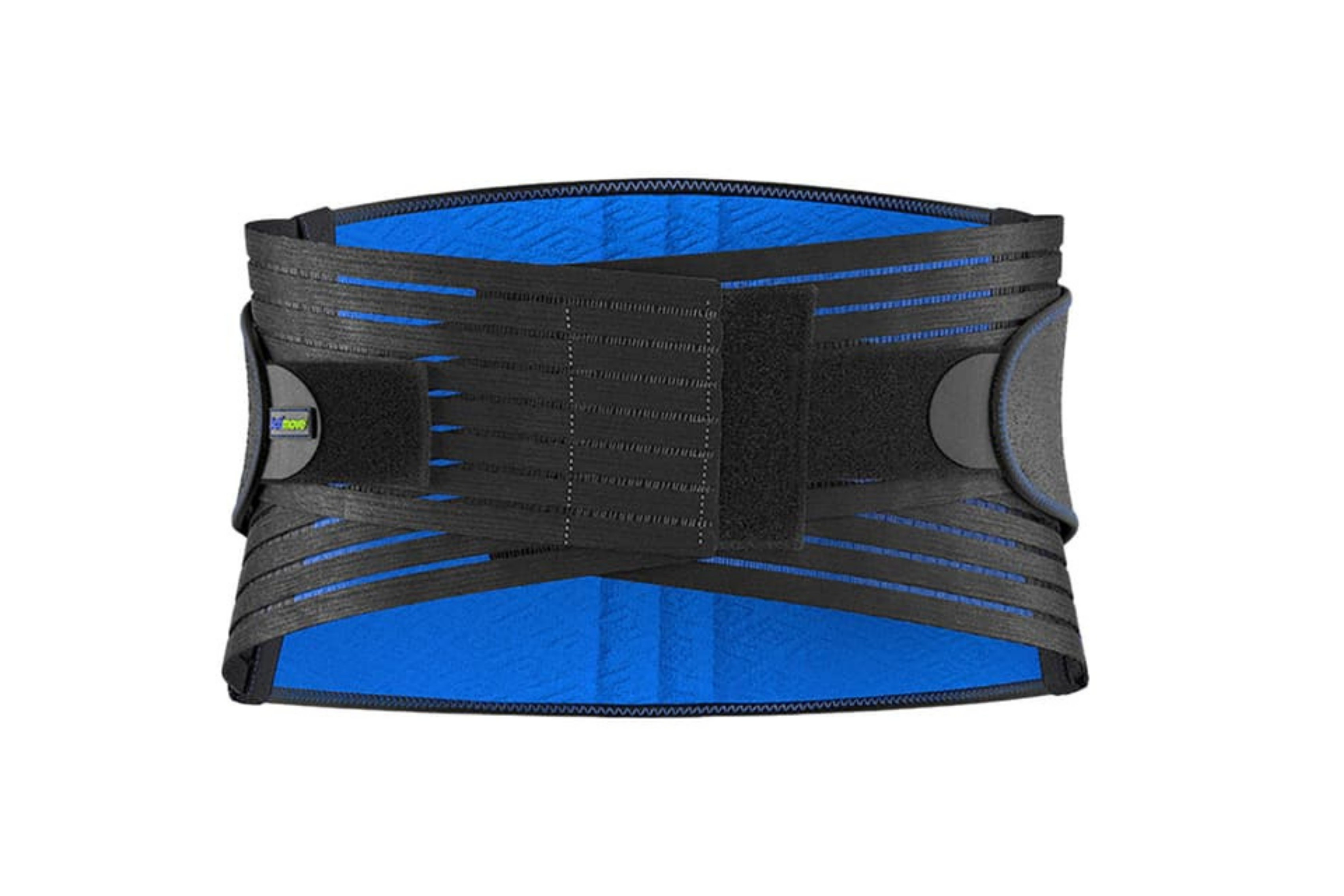
The Actimove Back Support 4 Stays Adjustable Double Layer Compression is an adjustable back-support option designed around compression and support.
Its adjustable construction can allow users to customize the fit according to the manufacturer's instructions.
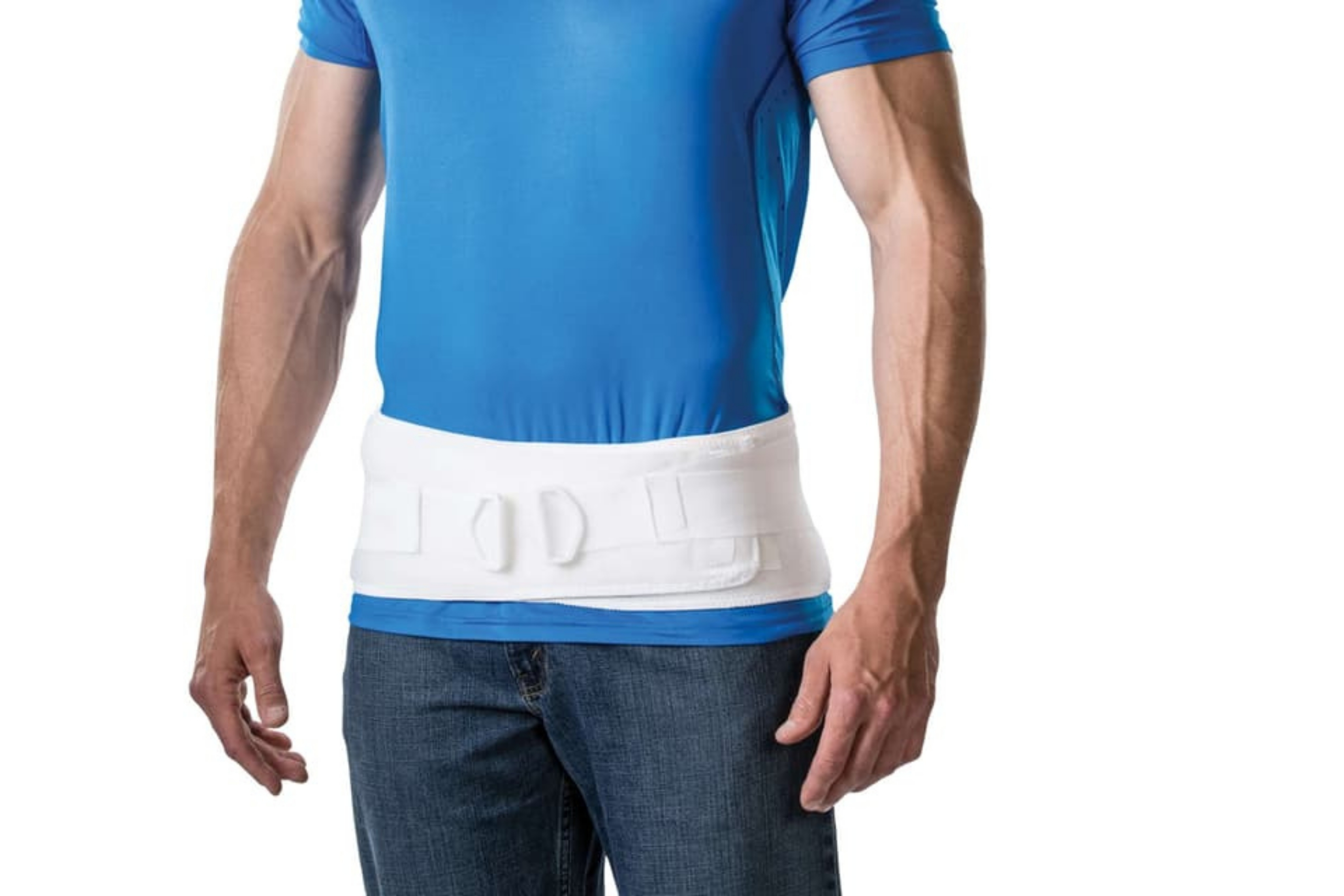
The Core CorFit Sacroiliac Back Support Belt is designed specifically for sacroiliac support.
Because sacroiliac belts are intended to sit around the pelvic area, they should not be positioned like a traditional upper-back posture brace. Follow the product's fitting instructions to determine the appropriate placement.
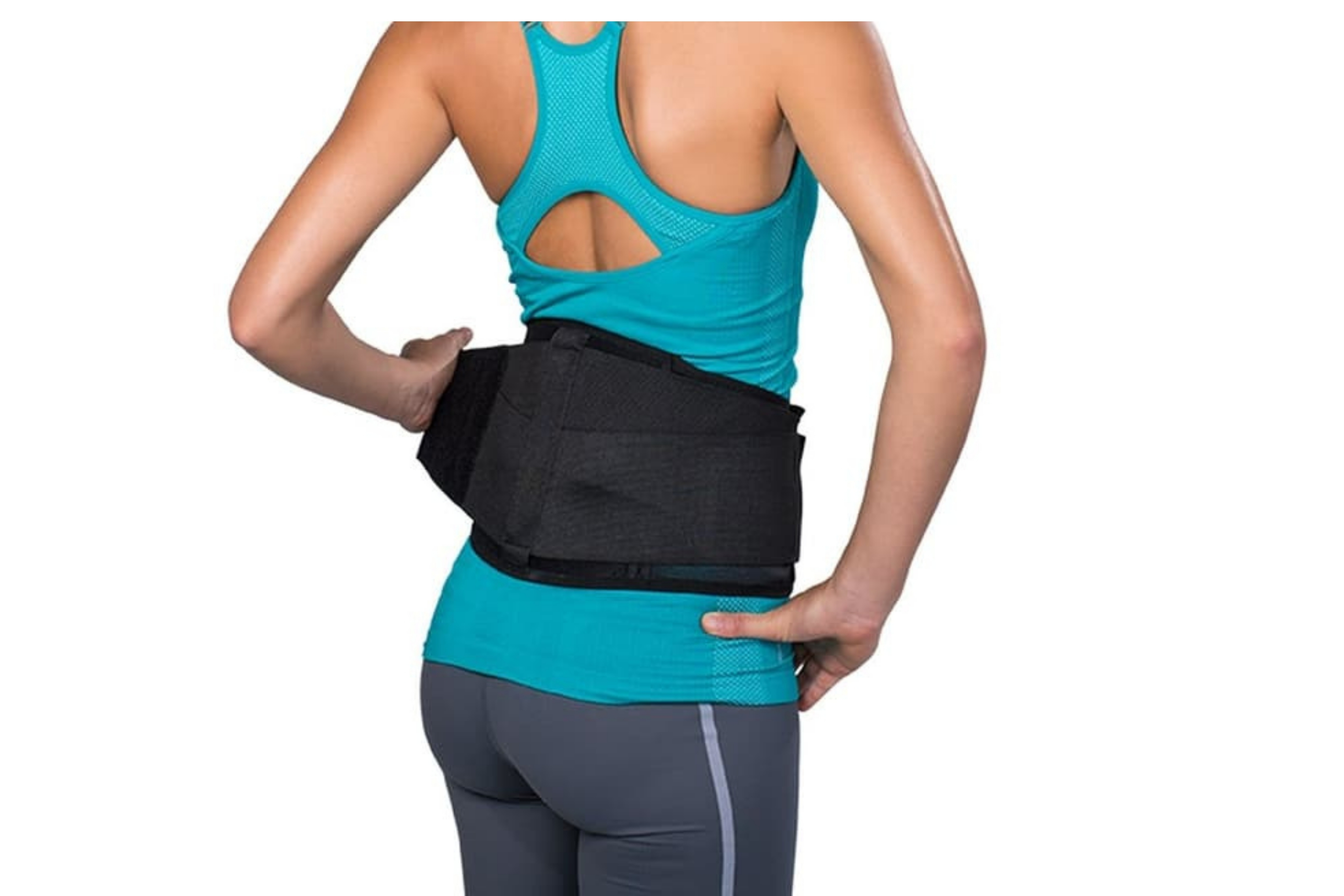
The ProCare ComfortForm Back Support is a back-support option designed for users seeking additional external support around the back.
As with any support product, proper sizing and application are important for comfortable use.
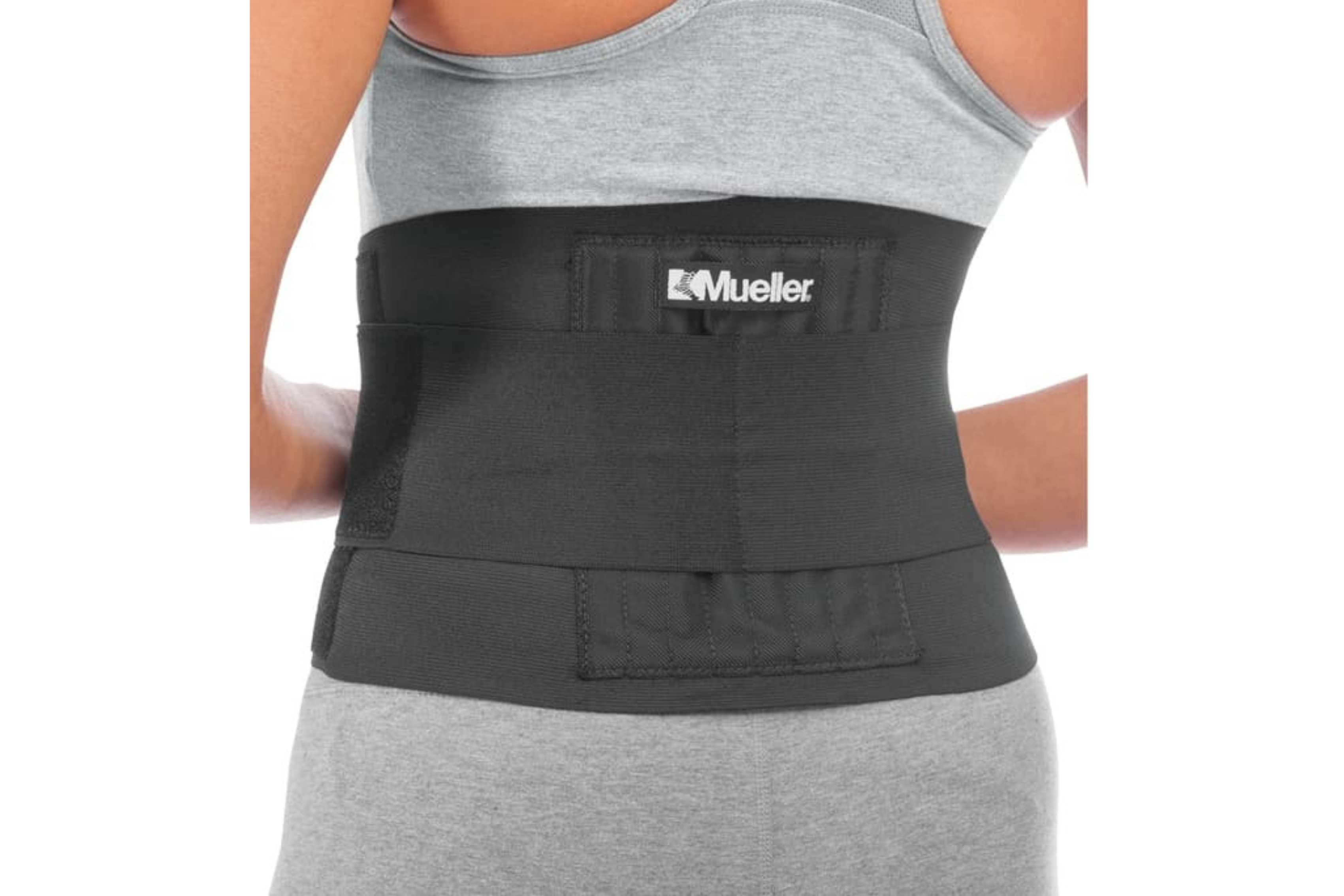
The Mueller Adjustable Back Brace is an adjustable back-support option intended for adult users. MedicalEshop lists the product within its back braces and trunk support category.
Its adjustable design can help accommodate different users, but the brace should still be fitted according to the manufacturer's instructions.
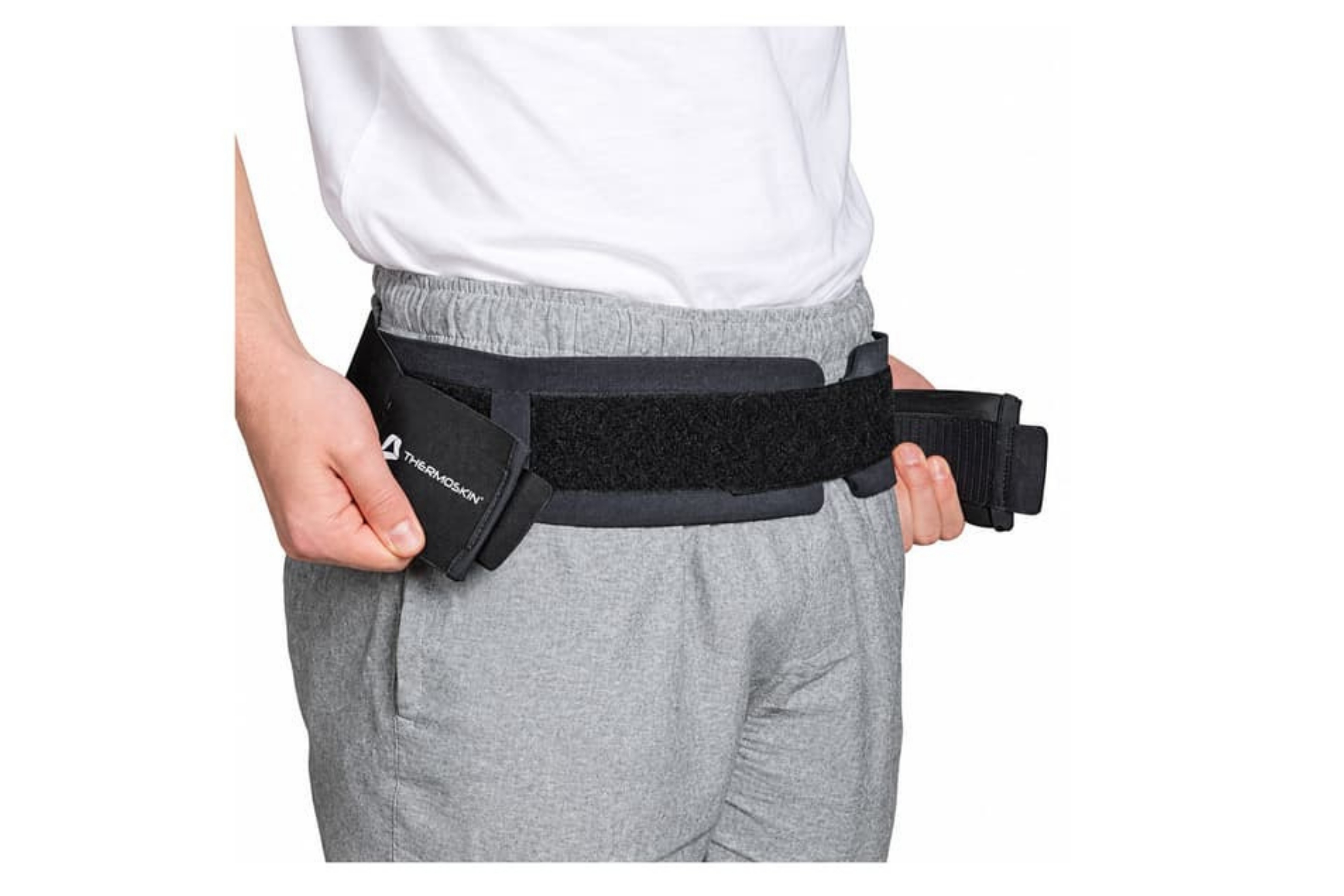
The Thermoskin Sacroiliac Belt is designed for support around the sacroiliac region.
As with other SI belts, placement matters. It should be used according to the manufacturer's directions rather than treated as a general-purpose posture corrector.
Product selection reminder: MedicalEshop is a supplier of medical equipment and rehabilitation products. Product availability, sizing, configurations, and manufacturer instructions can vary. Always review the current product information before selecting a support.
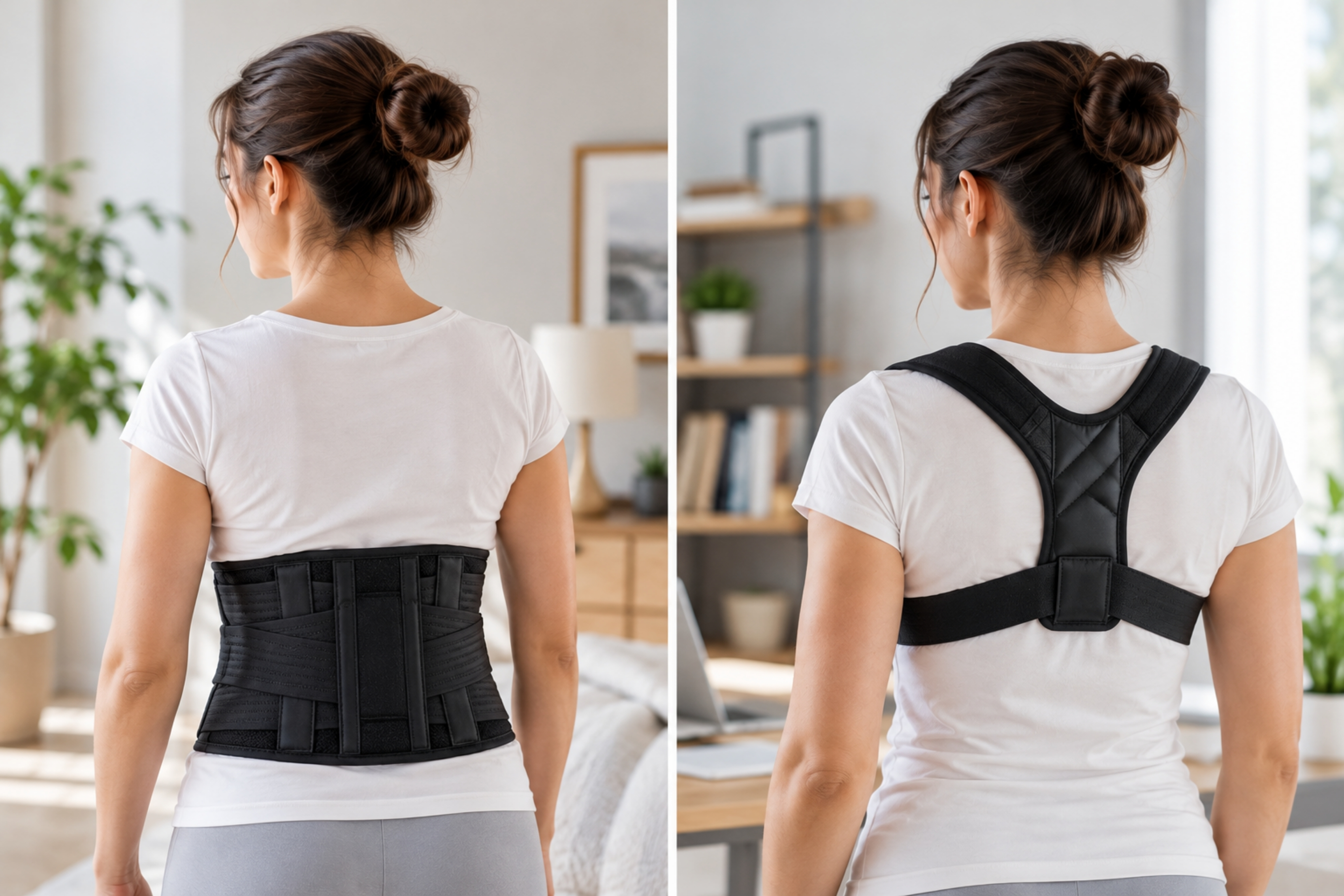
The terms back brace and posture corrector are sometimes used interchangeably, but they can describe products with different designs and intended uses.
| Feature | Back Brace | Posture Corrector |
| Primary focus | Back, lumbar, or trunk support | Often upper-back and shoulder positioning |
| Design | May include wider panels, compression, or stays | Often lighter and more flexible |
| Typical fit | Around the torso or lower back | Frequently around the shoulders and upper torso |
| Main purpose | Support or stabilize a specific area | Encourage awareness of body positioning |
| Wearing instructions | Product-specific | Product-specific |
Not every back brace is designed to correct posture, and not every posture corrector is intended to address back pain.
The most appropriate choice depends on the product's intended use and the individual's needs.
Not necessarily.
Whether a particular brace can be worn for extended periods depends on the product, its intended purpose, and individual circumstances.
For people using lumbar braces or supports for chronic primary low back pain, WHO does not recommend routine use and highlights potential concerns with long-term use.
If you are using a brace following an injury, procedure, or diagnosed condition, the wearing schedule should come from your healthcare professional or the manufacturer's instructions.
For general posture support, think of the brace as one component of a broader routine rather than something that needs to remain on throughout the entire day.
Stop using the brace and reassess the fit if you experience:
A brace should not be used to push through symptoms that are becoming worse.
If you experience significant weakness, loss of sensation, severe or worsening pain, or other concerning symptoms, seek appropriate medical evaluation rather than relying on a brace alone.
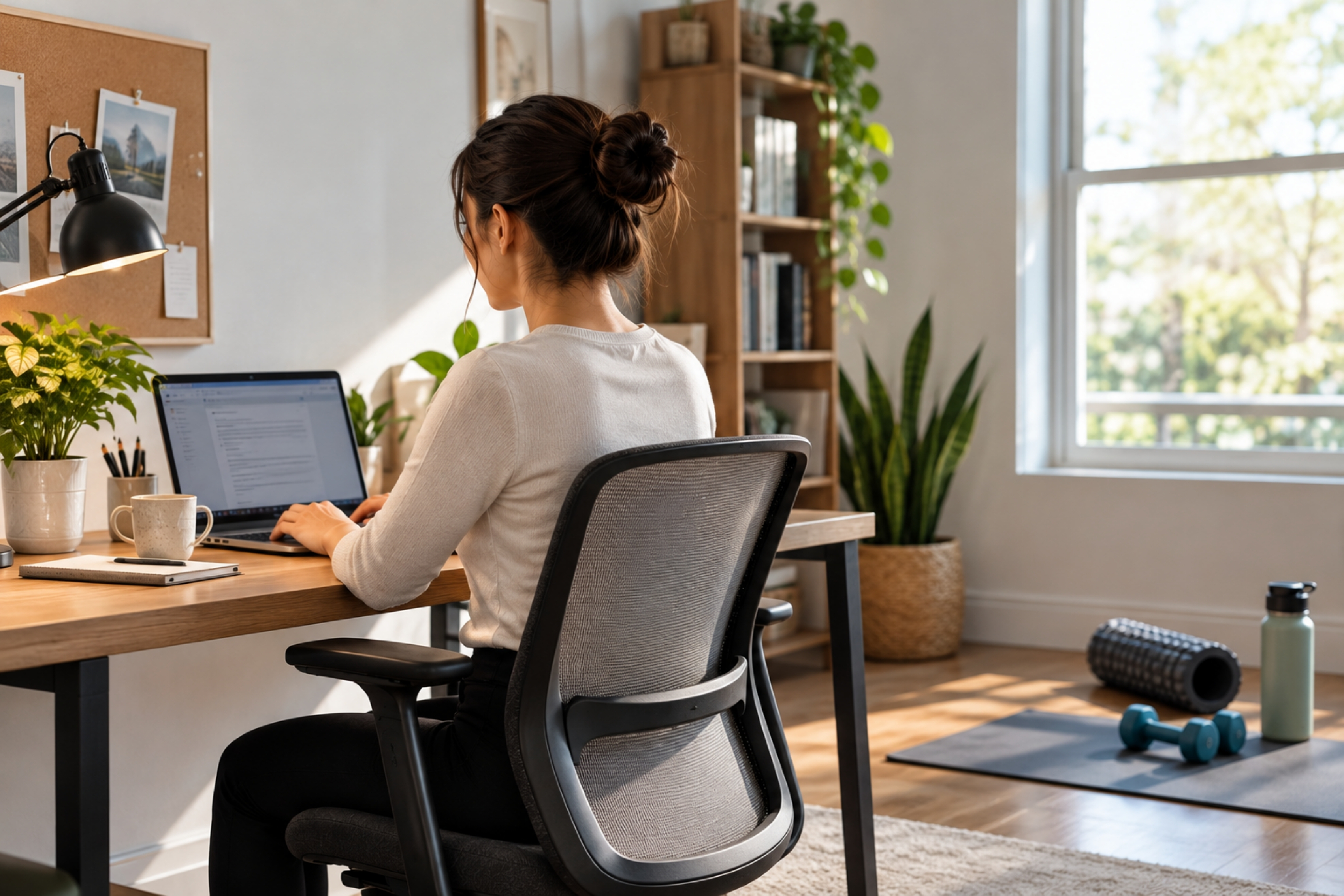
A brace is only one possible component of a posture-support routine.
Cleveland Clinic describes posture as the way you hold your body while sitting, standing, and moving, and emphasizes awareness of body positioning rather than maintaining one rigid position.
Other everyday habits may include:
Position your desk, chair, keyboard, and screen so you can work without repeatedly leaning or reaching forward.
Avoid remaining in one position for extended periods. Standing, walking, and changing positions throughout the day can help you avoid prolonged static positioning.
Rather than forcing your shoulders backward throughout the day, periodically check whether your head, shoulders, and trunk are positioned comfortably.
General movement and appropriately selected strengthening or mobility activities may be useful components of maintaining physical function. If you have pain or a diagnosed condition, ask a qualified healthcare professional what activities are appropriate for you.
If you choose to use a brace, treat it as a support tool rather than assuming it needs to do all the work.
A back brace can be useful as an external support tool when the product is appropriate for the individual's needs and is fitted correctly. The key is not simply wearing a brace tighter or for longer. Instead, focus on proper positioning, comfortable fit, appropriate use, and healthy movement habits.
If you're looking for a back support, start by identifying the area that needs support and the purpose for which you intend to use it. Review the manufacturer's sizing and fitting instructions, and seek professional guidance when a brace is being considered for a diagnosed condition or ongoing symptoms.
Explore MedicalEshop's selection of back and trunk support products to compare options based on design, intended support area, adjustability, and individual needs.
The following resources support the general educational information in this article.
Product-specific fitting, sizing, wearing, and care information should be verified against the current instructions supplied by the relevant manufacturer.
Medical Disclaimer: MedicalEshop is a U.S.-based dealer and supplier of home medical equipment, rehabilitation products, mobility aids, and special-needs products. MedicalEshop is not a manufacturer, physician, hospital, or licensed medical provider. The information provided in this article is for general educational purposes only and is not intended to diagnose, treat, cure, or prevent any medical condition.
Back braces and support products are not appropriate for every person or condition. Individual needs may vary. Always follow the manufacturer's instructions for product selection, sizing, fitting, wearing, and care. If you have persistent or worsening pain, numbness, weakness, skin problems, a recent injury, or another concerning symptom, consult an appropriate healthcare professional before continuing or changing your use of a back brace
Frequently Asked Questions
Ans. A back brace should fit securely while remaining comfortable. It should not cause excessive pressure, numbness, tingling, breathing difficulty, or unnecessary restriction of movement. Exact fitting requirements vary by product.
Ans. A back brace should be secure rather than excessively tight. Follow the manufacturer's instructions for the appropriate level of adjustment and check that the brace does not cause discomfort or pressure.
Ans. A back brace should not be considered a guaranteed or permanent fix for poor posture. Some products may provide external support or a reminder to maintain a preferred position while worn. Posture is dynamic, and healthy movement habits remain important.
Ans. There is no universal wearing schedule for every back brace. The appropriate duration depends on the product and the reason it is being used. Follow manufacturer or healthcare-professional guidance when available.
Ans. Do not assume that a back brace is appropriate for sleeping. Check the manufacturer's instructions and ask a healthcare professional if the brace has been recommended for a specific condition.
Ans. The effects of brace use depend on the type of brace, how it is used, and the reason for wearing it. WHO notes potential concerns with long-term use of lumbar braces, belts, and supports in chronic primary low back pain, including dependence and deconditioning.
Ans. Not automatically. A back brace is not appropriate for every type of back pain, and WHO recommends against routine use of lumbar braces, belts, and supports for chronic primary low back pain. If you have persistent or unexplained pain, discuss appropriate options with a healthcare professional.
Ans. A lumbar brace generally provides support around the lower-back or lumbar region, while a sacroiliac belt is designed to provide support around the pelvic/SI region. Their positioning and intended uses can therefore differ.
Ans. That depends on the brace and the activity. Some products may be intended for use during particular activities, while others may have specific restrictions. Follow the manufacturer's instructions and professional guidance when applicable.
Ans. Remove or loosen the brace as appropriate and check the fit and skin condition. Follow the manufacturer's care and wearing instructions. Persistent irritation, skin breakdown, or significant pressure should be evaluated by an appropriate healthcare professional.

