Breastfeeding can be a new and sometimes challenging experience for moms. A breast pump can offer flexibility when direct breastfeeding is not always practical, whether you are returning to work, spending time away from your baby, or simply want to express and store breast milk. This guide explains how breast pumps work, when you may consider pumping, how to choose between manual and electric or single and double pumps, and how to clean and store breast milk safely. It also covers common breastfeeding challenges, formula feeding, postpartum self-care, and five breast pumps available from MedicalEshop.
A breast pump is a device designed to express breast milk from the breast. The expressed milk can then be offered to a baby or stored for later use.
Breast pumps generally include a breast shield, a milk collection container, and a mechanism that creates suction. Depending on the model, the pump may be operated by hand or powered by electricity or batteries.
Some breast pumps express milk from one breast at a time, while double pumps can express milk from both breasts simultaneously. The U.S. Food and Drug Administration (FDA) notes that breast pumps come in different designs because pumping needs can vary from one person to another.
When choosing a pump, factors such as how often you plan to pump, where you will use it, portability, available power, ease of cleaning, and breast-shield fit can all be relevant.
A healthcare professional or certified lactation consultant can also help you determine what type of breast pump may be appropriate for your circumstances.
There are several reasons a new mom may choose to use a breast pump.
A pump may be useful when a mother:
The FDA states that breast pumps may be used for expressing breast milk and may also be used to help maintain or increase milk supply or relieve engorgement. However, individual circumstances differ, and persistent pain or other concerns should be discussed with a qualified healthcare professional.
Pumping also does not have to replace breastfeeding completely. For some mothers, it is simply another part of their breastfeeding routine.

There is no universal time when every new mom should begin pumping.
The appropriate time can depend on your reason for pumping, your baby's feeding routine, your milk supply, your recovery after delivery, and recommendations from your healthcare team.
If a baby cannot breastfeed directly, expressing milk around the times the baby would normally feed may be part of a milk-expression plan. NICHD recommends discussing pumping and milk expression with a healthcare professional or lactation support provider when guidance is needed.
If you are planning to introduce pumping after breastfeeding has been established, a certified lactation consultant can help you understand how to incorporate it into your routine.
Instead of focusing on a specific number of days after delivery, consider why you want to pump and what role pumping will play in your feeding plan.
Choosing a breast pump is a personal decision. The most suitable pump depends on how, where, and how frequently you plan to use it.
The FDA recommends considering factors such as:
Questions to ask before choosing a breast pump
| Consideration | What to Think About |
| Frequency | Will you pump occasionally or regularly? |
| Location | Will you primarily pump at home, work, or while traveling? |
| Time | Would double pumping be useful for your schedule? |
| Power | Will you have access to an electrical outlet? |
| Portability | Do you need to carry your pump between locations? |
| Breast-shield fit | Does the shield fit comfortably and allow appropriate nipple positioning? |
| Cleaning | Can the parts be easily disassembled and cleaned? |
| User type | Is the pump intended for one user or multiple users? |
| Professional guidance | Would a lactation consultant or healthcare professional help you choose? |
A more expensive or more feature-rich pump is not necessarily the right option for every mother.
Breast pumps are commonly available in manual and powered designs.
Manual breast pumps are operated by hand rather than by an electric motor.
They may be useful for mothers who:
A manual pump can be convenient when you are away from an electrical outlet or only need to express milk occasionally.
Electric breast pumps use a motor to create suction. Depending on the model, they may use an electrical outlet or batteries.
Electric pumps may be useful for mothers who:
The FDA notes that powered pumps can be useful for mothers who need to express milk more frequently or efficiently, but personal comfort, portability, power requirements, and breast-shield fit should also be considered.
| Feature | Manual Pump | Electric Pump |
| Power source | Hand-operated | Electricity or battery, depending on model |
| Portability | Generally convenient | Varies by model |
| Manual effort | More hand operation | Less manual pumping effort |
| Occasional use | May be suitable | May also be suitable |
| Regular pumping | May require more effort | May be convenient |
| Double pumping | Depends on model | Available with some models |
Neither option is universally better. The right choice depends on your routine and individual needs.
A single breast pump expresses milk from one breast at a time.
A double breast pump can express milk from both breasts simultaneously.
The FDA notes that double pumping may reduce pumping time because both breasts can be expressed at the same time.
| Type | How It Works | May Suit |
| Single | One breast at a time | Occasional pumping or mothers who prefer one side at a time |
| Double | Both breasts simultaneously | Regular pumping or mothers who want to reduce pumping time |
Double pumping is not automatically the right choice for everyone. Consider your pumping frequency, available time, comfort, and overall feeding routine.

Before using a breast pump, read the manufacturer's instructions and make sure the pump parts are clean.
A basic pumping routine may include:
Persistent pain during pumping should not be ignored. Stop and reassess the pump's fit and settings, and seek guidance from a healthcare professional or lactation consultant if discomfort continues.
If you experience persistent discomfort, nipple injury, significant swelling, or other concerning symptoms, contact a healthcare professional or lactation consultant.
The breast shield, also called a flange, is the part of the pump that fits over the nipple and surrounding breast tissue.
Fit matters because the nipple should be positioned comfortably within the opening. An incorrectly fitted shield may contribute to discomfort or irritation.
The FDA recommends paying attention to breast-shield fit when selecting a breast pump.
You may want to reassess the fit if you experience:
Breast and nipple anatomy varies, so the same shield size may not be comfortable for everyone.
If you are unsure about your pump fit, a certified lactation consultant can provide individualized guidance.
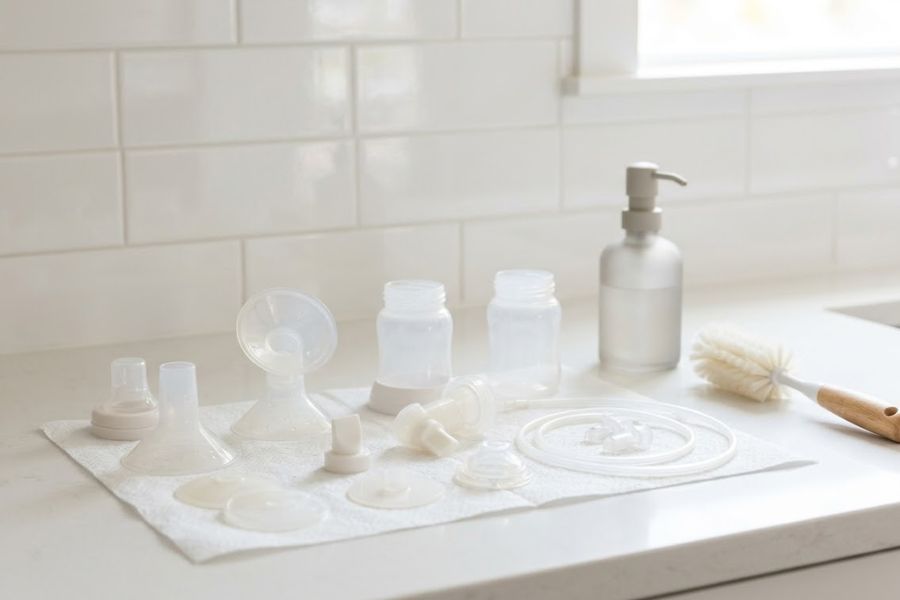
Cleaning breast pump parts properly is an important part of safe pumping.
The CDC recommends washing your hands before handling pump equipment and cleaning the parts that come into contact with breast milk after every use.
Avoid drying clean pump parts with a used kitchen or dish towel because the towel may transfer germs to the equipment.
Pump tubing generally does not come into contact with breast milk during normal use.
However, inspect tubing regularly. If milk enters the tubing or mold develops, follow the manufacturer's instructions and CDC guidance regarding replacement.
Disinfectant wipes may be appropriate for the exterior surfaces of a pump or shared equipment when recommended by the manufacturer. They do not replace washing pump parts that come into contact with breast milk.
The FDA distinguishes between single-user and multiple-user breast pumps.
A single-user pump should not be purchased pre-owned or shared because contamination may pose a risk.
For a multiple-user pump, the pump itself is designed for sharing, but each user should have their own accessories kit as recommended by the manufacturer.
Always check the manufacturer's instructions before sharing or purchasing a used pump.
Once breast milk has been expressed, proper storage and handling are important.
According to current CDC guidance, freshly expressed breast milk can generally be stored for:
| Storage Location | Storage Time |
| Room temperature, 77°F (25°C) or colder | Up to 4 hours |
| Refrigerator | Up to 4 days |
| Freezer | About 6 months is best; up to 12 months is acceptable |
These timeframes apply to freshly expressed breast milk under the conditions specified by the CDC.
If breast milk is transported in an insulated cooler with frozen ice packs, CDC guidance states that it can generally be kept for up to 24 hours.
For premature infants or babies with specific medical needs, ask the baby's healthcare provider whether different storage or handling precautions are appropriate.
Returning to work can introduce new challenges for mothers who want to continue providing breast milk.
Planning your pumping routine before returning to work can make the transition easier.
Consider:
In the United States, federal law provides certain workplace protections for eligible employees who need to express breast milk. The specific requirements and eligibility can depend on employment circumstances.
The Office on Women's Health recommends understanding your workplace rights and planning ahead for pumping and milk storage.
A simple workday routine may look like:
Pump → Store milk → Clean pump parts → Air-dry → Repeat as needed
Keeping supplies organized can make pumping less disruptive during a busy workday.

Breastfeeding does not always happen exactly as expected.
Some mothers may experience:
Breastfeeding and pumping challenges can have different causes, and the appropriate response depends on the situation. A healthcare professional or lactation consultant can help assess concerns and discuss suitable next steps.
However, persistent pain, symptoms that may indicate infection, concerns about your baby's feeding, or other health issues should be discussed with an appropriate healthcare professional.
A lactation consultant can also provide individualized assistance with breastfeeding technique, pumping, breast-pump fit, and milk-expression concerns.
The postpartum period can involve physical recovery, changing routines, interrupted sleep, and the demands of caring for a newborn.
Adding breastfeeding or pumping to that routine can sometimes feel overwhelming.
Self-care does not need to mean following a complicated wellness routine. Small practical steps can make daily feeding tasks more manageable.
Try to:
There is no requirement to have a perfect breastfeeding or pumping schedule. Finding a routine that is practical for your circumstances can be more useful than trying to follow someone else's routine.
MedicalEshop offers several breast pump options for different pumping preferences and routines. The following five products are included in this guide.
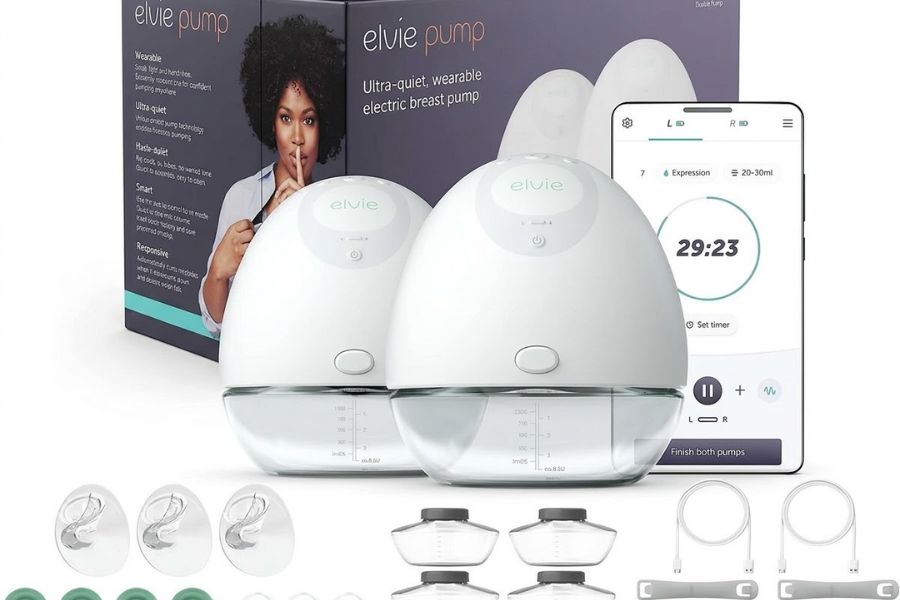
The Elvie Double Electric Breast Pump is listed by MedicalEshop as a discreet, quiet, app-controlled double electric breast pump.
Its design may appeal to mothers who prioritize a more discreet pumping experience and app-based control.
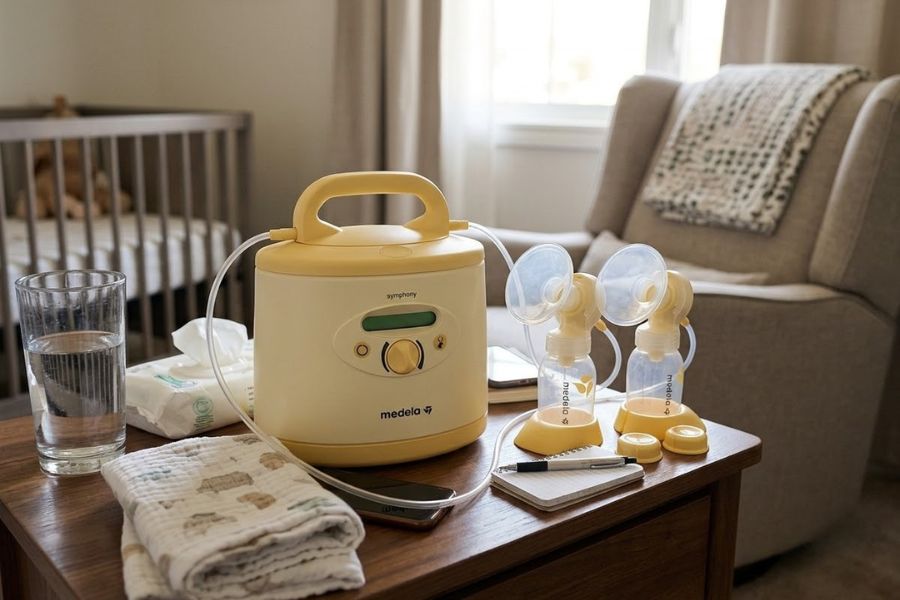
The Medela Symphony Plus Double Electric Breast Pump is listed by MedicalEshop as a double electric breast pump, with the product listing identifying it as hospital-grade.
It is important to note that hospital-grade is not a standardized FDA classification for breast pumps. Manufacturers may use the term differently, so consumers should review the manufacturer's intended-use information and specifications.
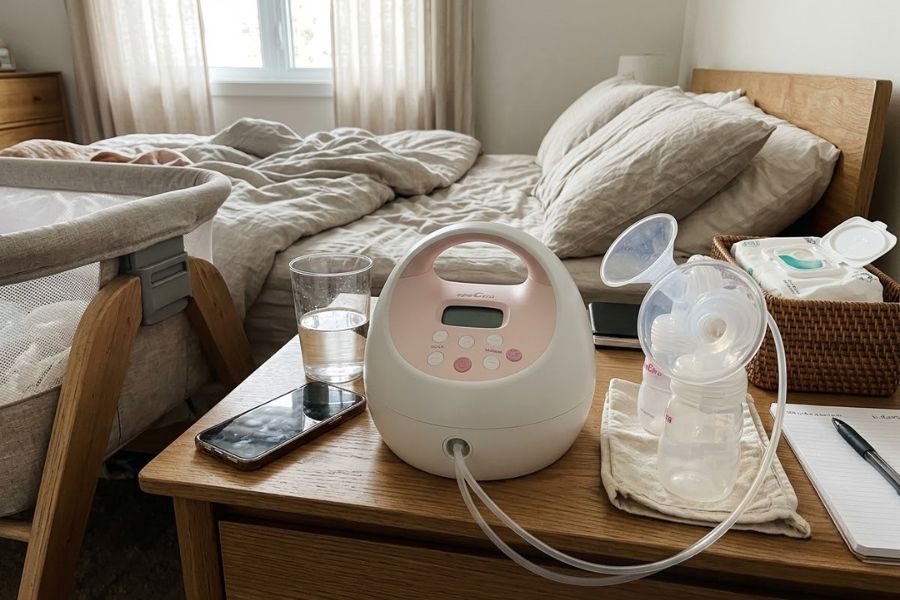
The Spectra S2 Plus Single and Double Electric Breast Pump Kit is an electric breast pump kit listed by MedicalEshop.
The manufacturer's information identifies the S2 Plus as a powered breast pump intended for lactating women to express and collect breast milk and identifies it as a single-user pump.
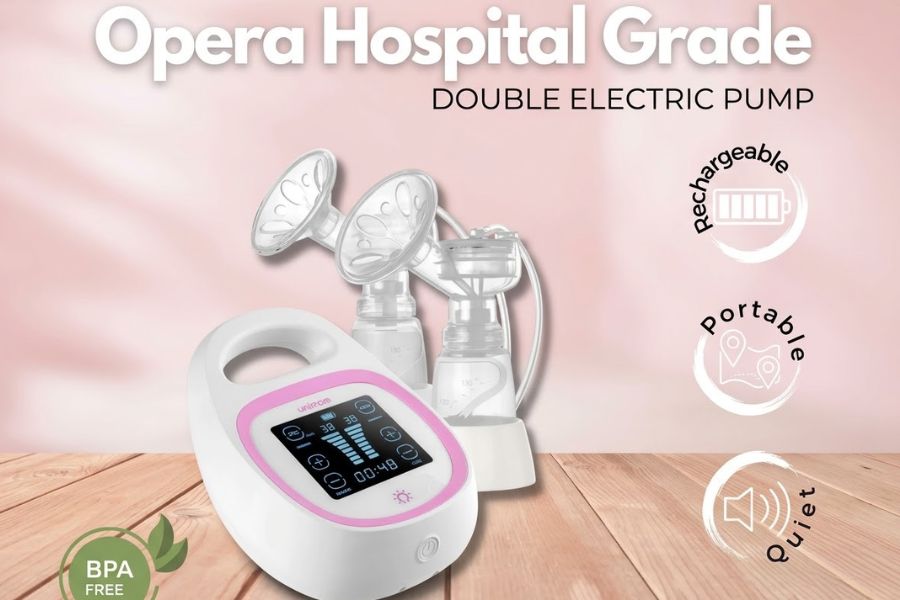
The Opera + Hospital-Grade Double Electric Breast Pump is listed by MedicalEshop as a double electric breast pump from Unimom USA.
As with other products marketed using the term hospital-grade, consumers should review the manufacturer's specific information and intended use rather than assuming that all products using this description have identical characteristics.
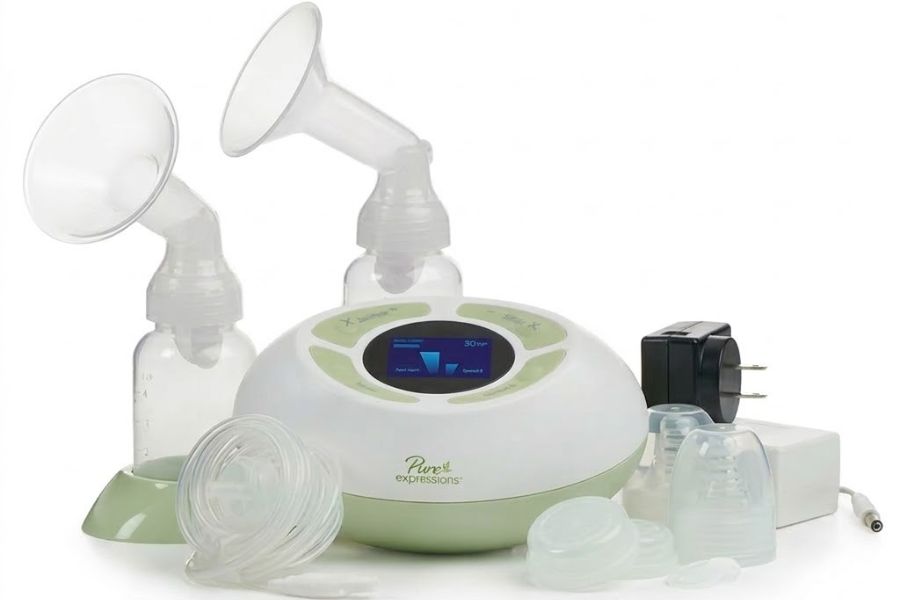
The Pure Expressions Dual Channel Electric Breast Pump is listed by MedicalEshop as a Drive Medical product.
Manufacturer information describes it as a double electric or battery-operated breast pump capable of single and double pumping, with stimulation and expression modes. It is also identified as intended for a single user.
| Breast Pump | Type | Key Information |
| Elvie Double Electric Breast Pump | Double electric | Discreet, quiet, app-controlled |
| Medela Symphony Plus Double Electric Breast Pump | Double electric | MedicalEshop listing identifies it as hospital-grade |
| Spectra S2 Plus Single and Double Electric Breast Pump Kit | Electric | Single-user pump for expressing and collecting breast milk |
| Opera + Hospital-Grade Double Electric Breast Pump | Double electric | MedicalEshop listing identifies it as hospital-grade |
| Pure Expressions Dual Channel Electric Breast Pump | Electric/battery-operated | Single and double pumping; stimulation and expression modes |
Product specifications, included accessories, labeling, and availability may change. Always review current manufacturer instructions and product information before use.
A few simple habits can make pumping easier to manage.
Store your pump, collection containers, cleaning supplies, and breast milk storage supplies in one convenient location.
Having clean parts ready can save time when you need to pump quickly.
If you pump regularly, having an additional set of compatible parts may be convenient, especially when you are working or traveling.
Before relying on your pump during a busy workday or trip, become familiar with assembly, settings, pumping, disassembly, and cleaning.
Check your breast-shield fit and avoid assuming that the strongest suction setting is necessarily the most appropriate.
If pumping remains painful, seek professional guidance.
If you will be away from home, know where you can safely store expressed milk and how you will transport it.
Online information can provide general guidance, but it cannot replace individualized care.
Consider speaking with a healthcare professional or lactation consultant if you have:
If you feel unwell or have symptoms that require medical attention, contact an appropriate healthcare professional promptly.
Breastfeeding and pumping do not need to follow one perfect routine.
Some mothers primarily breastfeed directly. Others pump regularly, occasionally express milk, or combine breast milk and formula. A breast pump can simply be one tool that fits into a larger feeding plan.
When choosing a pump, think about how frequently you will use it, where you will use it, how much time you have, what type of pump feels practical, and whether the breast shield fits comfortably.
The FDA recommends considering these individual factors when selecting a breast pump.
It is also important to give yourself flexibility. Your needs may change as your baby grows, your work schedule changes, or your breastfeeding experience develops.
The goal is not to create a perfect pumping routine. It is to find an approach that fits your circumstances while keeping comfort, safe milk handling, and appropriate professional guidance in mind.
For reliable information about breastfeeding, breast pumps, breast milk storage, and safe pumping practices, consult trusted U.S. health organizations, including:
These resources can provide general evidence-based information and should be used alongside individualized advice from an appropriate healthcare professional.
This article is provided for general educational and informational purposes only. It is not intended to provide medical advice, diagnosis, treatment recommendations, or clinical care.
MedicalEshop is a U.S.-based supplier/dealer of home medical equipment, rehabilitation, mobility, and related healthcare products. MedicalEshop is not a hospital, physician, lactation consultant, or licensed medical provider and does not provide medical diagnosis or treatment.
Breastfeeding, breast pumping, infant feeding, milk storage, and postpartum needs can vary from person to person. Individual needs may vary. Always follow the manufacturer's instructions for your breast pump and consult your physician, your baby's healthcare provider, a certified lactation consultant, or another qualified healthcare professional for advice specific to your circumstances.
If you experience significant pain, symptoms that may indicate an infection, concerns about your baby's feeding or health, or another urgent medical concern, seek appropriate professional medical care.
Frequently Asked Questions
Ans. A breast pump is used to express breast milk from the breast. Expressed milk can then be offered to a baby or stored for later use. Breast pumps may be manual or powered and may express milk from one or both breasts.
Ans. There is no universal time when every new mom should begin pumping. The timing can depend on why you want to pump, your baby's feeding routine, your milk supply, and guidance from your healthcare professional or lactation consultant.
Ans. Breastfeeding and pumping are different ways of providing breast milk. Some mothers breastfeed directly, some provide expressed breast milk, and some use both approaches. The appropriate feeding routine depends on individual circumstances and preferences.
Ans. Yes. Some families use both breast milk and infant formula, which is commonly called combination or mixed feeding. Your baby's healthcare provider can help you determine an appropriate feeding plan for your circumstances.
Ans. Pumping frequency depends on why you are pumping, whether your baby is also breastfeeding directly, and your individual feeding plan. If you are expressing milk because your baby cannot breastfeed directly, a healthcare professional or lactation consultant can help establish an appropriate routine.
Ans. Neither type is universally better. Manual pumps can be convenient for occasional use or situations without electricity, while electric pumps may be convenient for mothers who pump regularly or have limited time.
Ans. A single pump expresses milk from one breast at a time, while a double pump can express milk from both breasts simultaneously. Double pumping may reduce pumping time, but the appropriate choice depends on your schedule, comfort, and individual needs.
Ans. Your nipple should sit comfortably within the breast shield. Persistent rubbing, discomfort, swelling, irritation, or nipple injury may indicate that the fit should be reassessed. A lactation consultant can help evaluate pump fit.
Ans. Wash your hands before handling pump equipment. Separate the parts that come into contact with breast milk, rinse and clean them according to the manufacturer's instructions, and allow them to air-dry completely. The CDC recommends cleaning milk-contacting pump parts after every use.
Ans. Current CDC guidance states that freshly expressed breast milk can generally be stored in a refrigerator for up to 4 days.
Ans. Yes. CDC guidance states that freshly expressed breast milk can be stored in a freezer for about 6 months for best quality, while up to 12 months is acceptable.
Ans. Persistent or significant pain while breastfeeding or pumping should not simply be ignored. Check the breast-shield fit and pumping position, and speak with a healthcare professional or lactation consultant if the discomfort continues or you experience injury.
Ans. Milk supply concerns can have different causes. A healthcare professional or certified lactation consultant can assess your individual situation and provide appropriate guidance.
Ans. Yes. Many mothers pump while working. Planning where and when you will pump, how you will clean your equipment, and how you will store and transport expressed milk can make the process easier. Certain federal workplace protections may also apply to eligible employees.
Ans. Consider how often you will pump, where you will use the pump, portability, power source, ease of cleaning, breast-shield fit, and whether you need a single or double pump. A healthcare professional or certified lactation consultant can provide individualized guidance when needed.

