Choosing the right home catheter is an important step in supporting daily urinary management, comfort, and independence. This guide explains the different types of home catheters, including intermittent catheters, external catheters, indwelling Foley catheters, and closed system catheters. It also covers key factors to consider, such as healthcare provider recommendations, lifestyle needs, comfort preferences, dexterity, and catheter features. Understanding available catheter options and related supplies can help individuals make informed decisions in consultation with their healthcare providers. Explore practical insights to find urinary management solutions that align with your daily routine and personal needs.

According to the National Institute of Diabetes and Digestive and Kidney Diseases (NIDDK), catheterization may be used when the bladder cannot empty completely. Urinary management needs can vary significantly from one individual to another. For some people, a home catheter may become an important part of maintaining independence, managing daily routines, and supporting overall quality of life. However, with multiple catheter types available, including intermittent catheters, external catheters, and indwelling Foley catheters-choosing the most appropriate option may feel overwhelming.
Many first-time users are unsure whether an intermittent catheter, external catheter, or Foley catheter may be most appropriate for their needs.
This guide explains the most common catheter options, key selection factors, and questions to consider before choosing a home catheter.
The right home catheter depends on the following:
A catheter is more than a medical supply-it may play an important role in daily comfort, mobility, travel, and personal independence.
The right catheter may assist the following:
Because every person's circumstances are different, catheter selection should focus on individual goals and healthcare requirements rather than a one-size-fits-all approach.
Before selecting a catheter, it is helpful to understand the primary categories available for home use.
| Catheter Type | Typical Purpose | Common Use Pattern |
| Intermittent Catheter | Temporary bladder emptying | Used several times throughout the day |
| External Catheter | External urine collection | Often used continuously with a collection system |
| Indwelling Foley Catheter | Continuous bladder drainage | Remains in place for extended periods |
| Closed System Catheter | Protected catheterization process | Single-use catheterization |
Each option serves a different purpose and may offer unique advantages depending on an individual's needs.
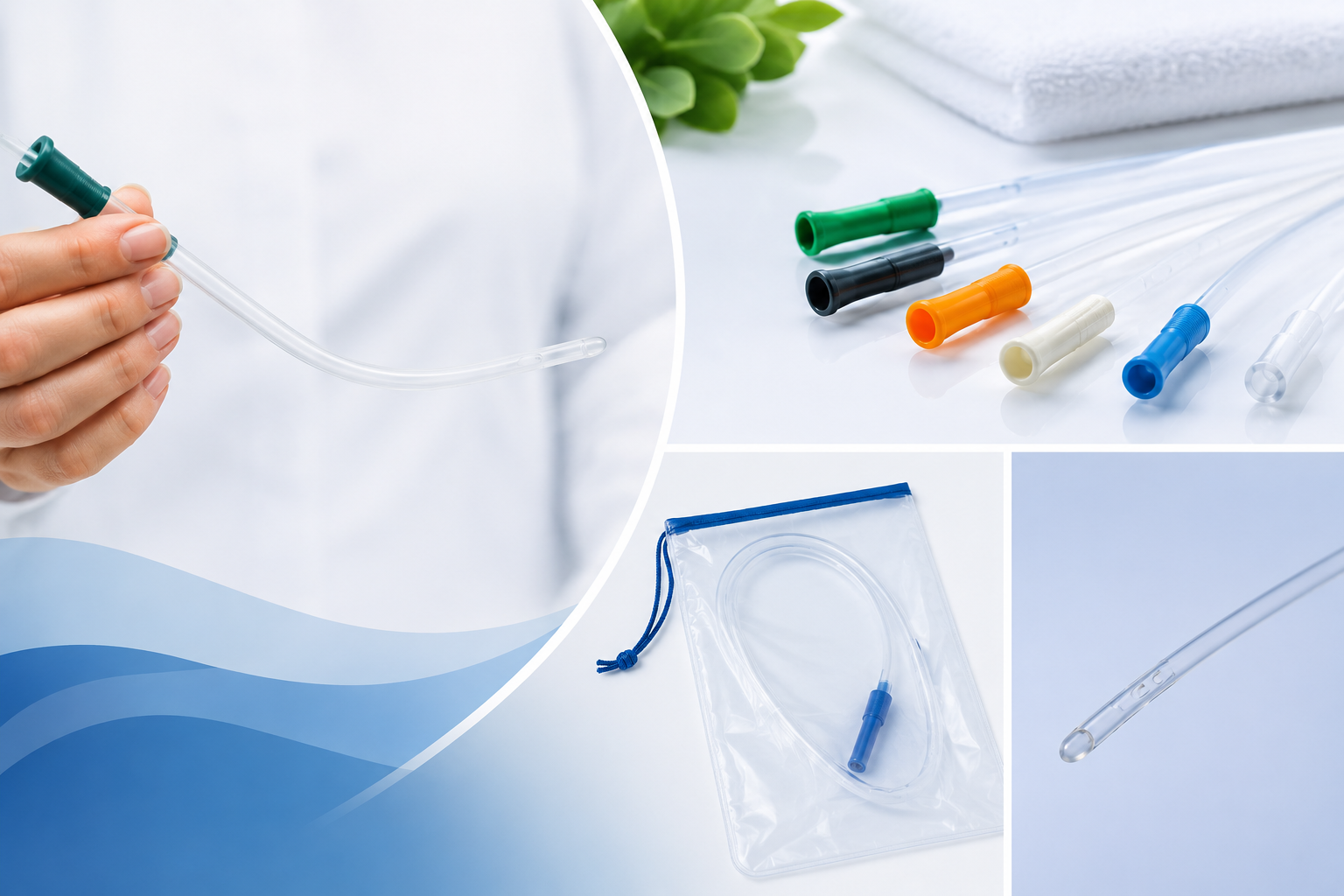
Intermittent catheterization involves inserting a catheter into the bladder to drain urine and then removing it immediately afterward.
Many healthcare professionals may recommend intermittent catheters for individuals who can safely perform catheterization themselves or with caregiver assistance.
Potential Benefits of Intermittent Catheters
Intermittent catheters may offer several practical advantages:
Several intermittent catheter styles are available, including:
Straight catheters are designed for standard intermittent catheterization and available in various lengths and materials.
Coude tip catheters feature a slightly curved tip that may assist navigation in certain anatomical situations when recommended by a healthcare provider.
Hydrophilic catheters are designed with coatings that become lubricated when activated according to manufacturer instructions.
Contain integrated collection systems that may support cleaner catheterization environments during travel or public use.
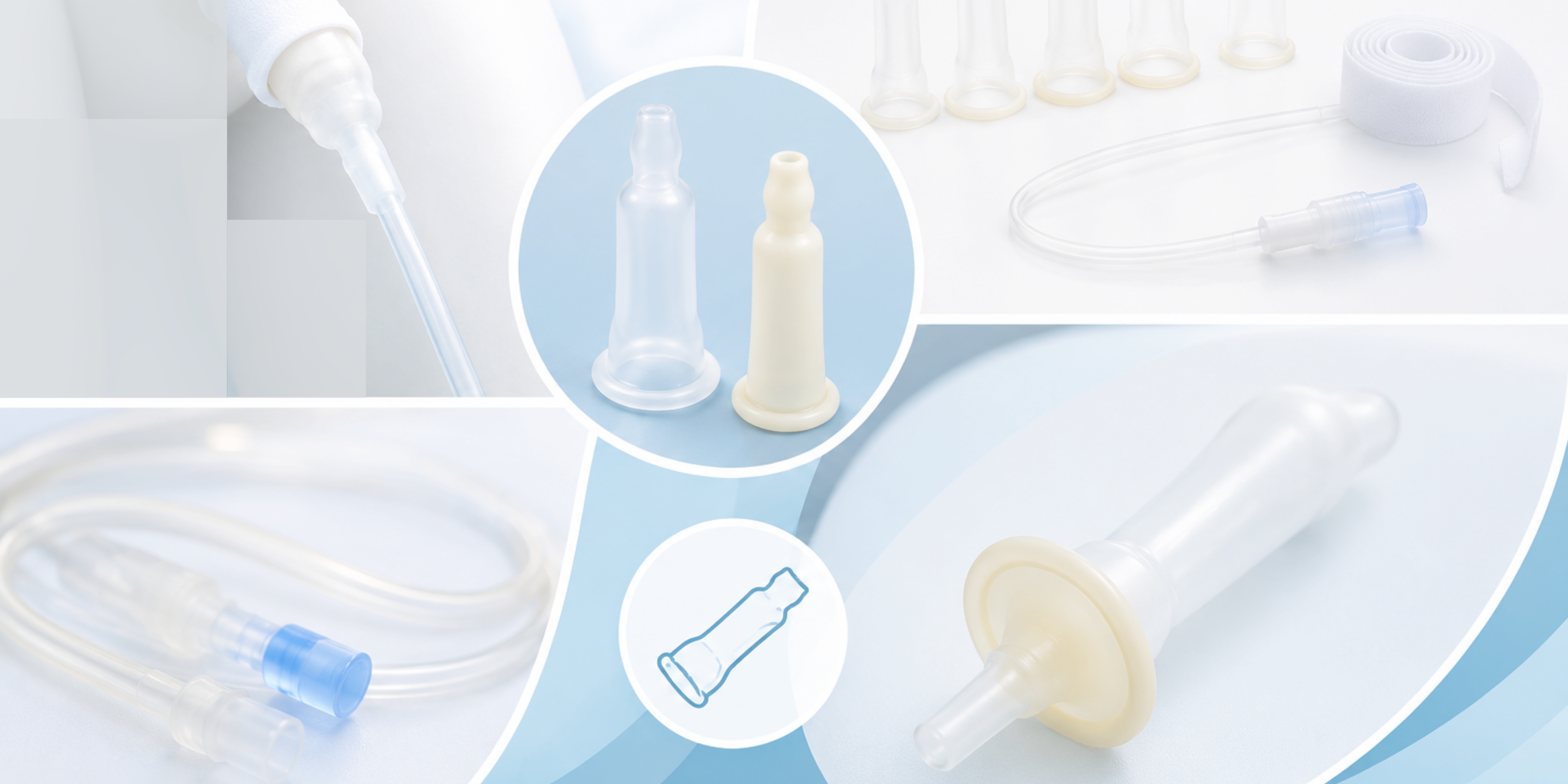
External catheters are urine collection devices that fit outside the body rather than entering the bladder.
They are commonly used by men who experience urinary leakage or require urine collection without catheter insertion.
Benefits of External Catheters
Some individuals may prefer external catheters because they:
Proper sizing and secure placement are important for performance and comfort. Individuals should review manufacturer instructions and consult healthcare professionals regarding suitability for their specific needs.
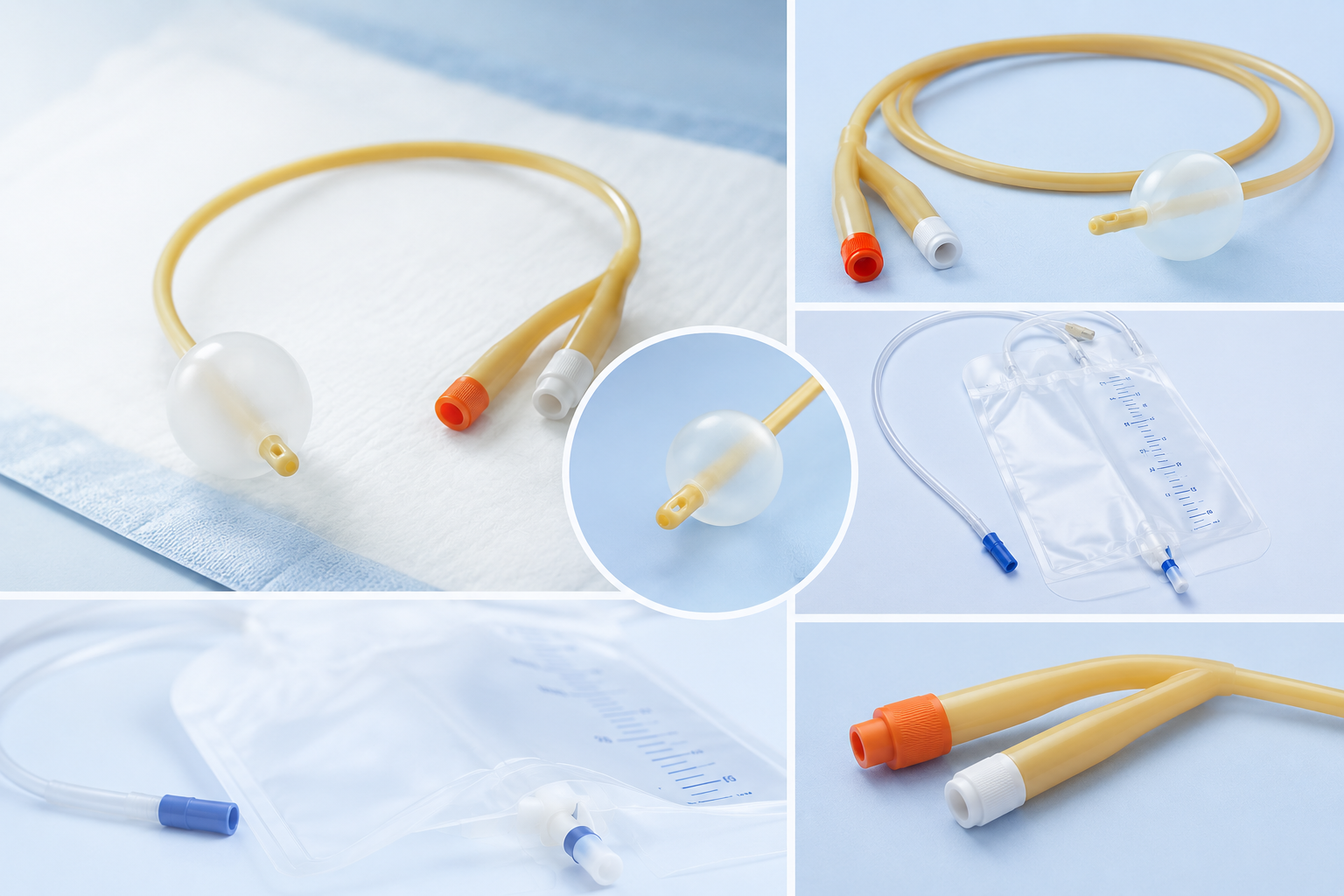
Indwelling Foley catheters remain in the bladder for extended periods and continuously drain urine into a collection bag.
These catheters are typically managed according to healthcare provider instructions and may be used when ongoing urinary drainage is required.
Situations Where Foley Catheters May Be Recommended
An indwelling catheter may be considered when:
Important Considerations
Individuals using Foley catheters may need to consider:
Professional guidance should remain the most important factor when selecting a catheter. Your provider can help identify products that align with your medical history and urinary management needs.
Comfort may vary depending on:
A highly active individual may have different needs than someone who primarily remains at home.
Questions to consider include:
Individuals with limited hand strength or dexterity may prefer catheter designs that simplify handling and preparation.
Modern catheters may include features such as:
| Material | Common Characteristics |
| Silicone | Latex-free and flexible |
| PVC | Commonly used in intermittent catheters |
| Latex | Flexible but may not be appropriate for individuals with latex sensitivity |
| Hydrophilic-Coated Materials | Designed to create a smooth lubricated surface when activate |
Note: The most appropriate material should be discussed with a healthcare professional.
In addition to catheters, individuals may benefit from related supplies such as:
Having the right accessories may help support convenience and organization throughout daily routines.
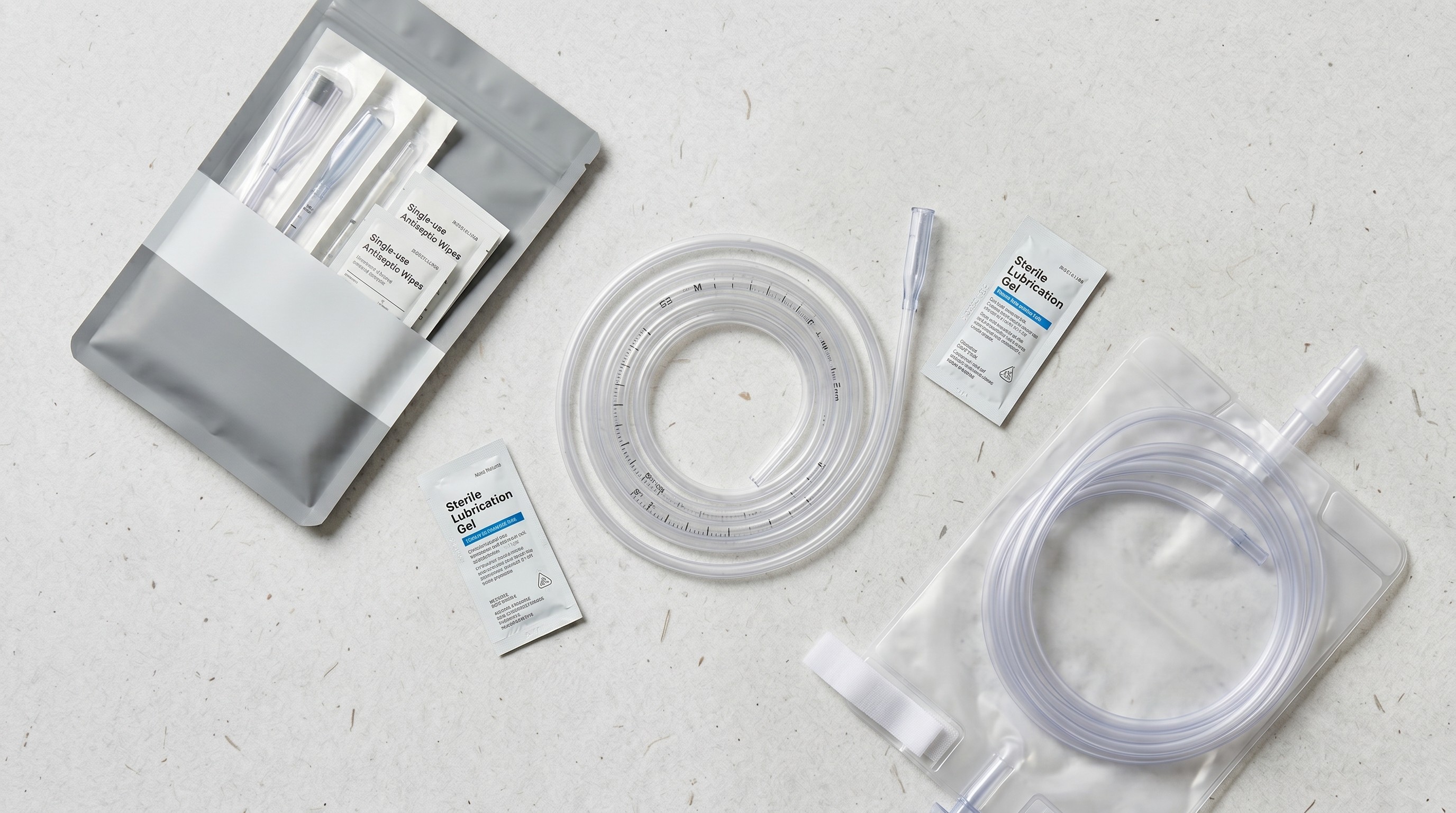
Medicaleshop offers a broad selection of urinary management supplies from nationally recognized manufacturers. Product categories may include:
Exploring multiple product options may help individuals find supplies that align with their healthcare provider's recommendations and personal preferences.
Choosing the right home catheter involves understanding your options, evaluating daily living needs, and working closely with your healthcare provider. Whether considering an intermittent catheter, external catheter, or indwelling Foley catheter, the goal is to find a solution that supports comfort, convenience, and confidence in everyday life.
At Medicaleshop, we understand that every individual's needs are different. Explore our wide selection of catheter supplies, urinary management products, and related accessories to find options that may align with your healthcare provider's recommendations and your daily routine.
Reliable health information is important when evaluating urinary management products. This article was developed using educational guidance from reputable healthcare organizations, including:
Individuals should always consult qualified healthcare professionals regarding catheter selection, catheterization techniques, and urinary health concerns.
Frequently Asked Questions
Ans. Intermittent catheters are commonly used by many individuals who need periodic bladder emptying. However, the most appropriate catheter varies based on individual needs and healthcare provider recommendations.
Ans. An intermittent catheter is inserted temporarily and removed after bladder emptying. An indwelling catheter remains in place for extended periods and continuously drains urine.
Ans. External catheters generally do not enter the bladder and are often considered a non-invasive urine collection option.
Ans. Replacement schedules vary by catheter type, manufacturer instructions, and healthcare provider recommendations.
Ans. Individuals should consult healthcare professionals before selecting a catheter to ensure the product aligns with their medical and urinary management needs.
.avif&w=3840&q=75)
.avif&w=3840&q=75)