Living with a colostomy often means finding an ostomy pouch that fits your stoma, routine, comfort preferences, and care plan. With one-piece and two-piece systems, as well as drainable and closed-end options, there is no single colostomy bag that is right for everyone. The best colostomy bag for you depends on factors such as your stoma size, output, skin condition, daily activities, and recommendations from your healthcare professional or ostomy nurse. This guide explains the main types of colostomy bags, what to consider when choosing an ostomy bag, and four options available from MedicalEshop.

A colostomy bag, also called a colostomy pouch or ostomy pouch, is a collection pouch worn outside the body to collect stool and gas from a stoma.
A colostomy is a surgical procedure in which part of the colon is brought through an opening in the abdominal wall to create a stoma. Stool then passes through the stoma into an ostomy pouch through the stoma into the pouch A colostomy can be temporary or permanent, depending on the reason for surgery and the individual's circumstances.
Colostomy surgery may be performed for several reasons, including certain colorectal or rectal cancer surgeries, intestinal or bowel blockages, injury, infection, or other conditions affecting the colon.
The basic pouching system generally includes:
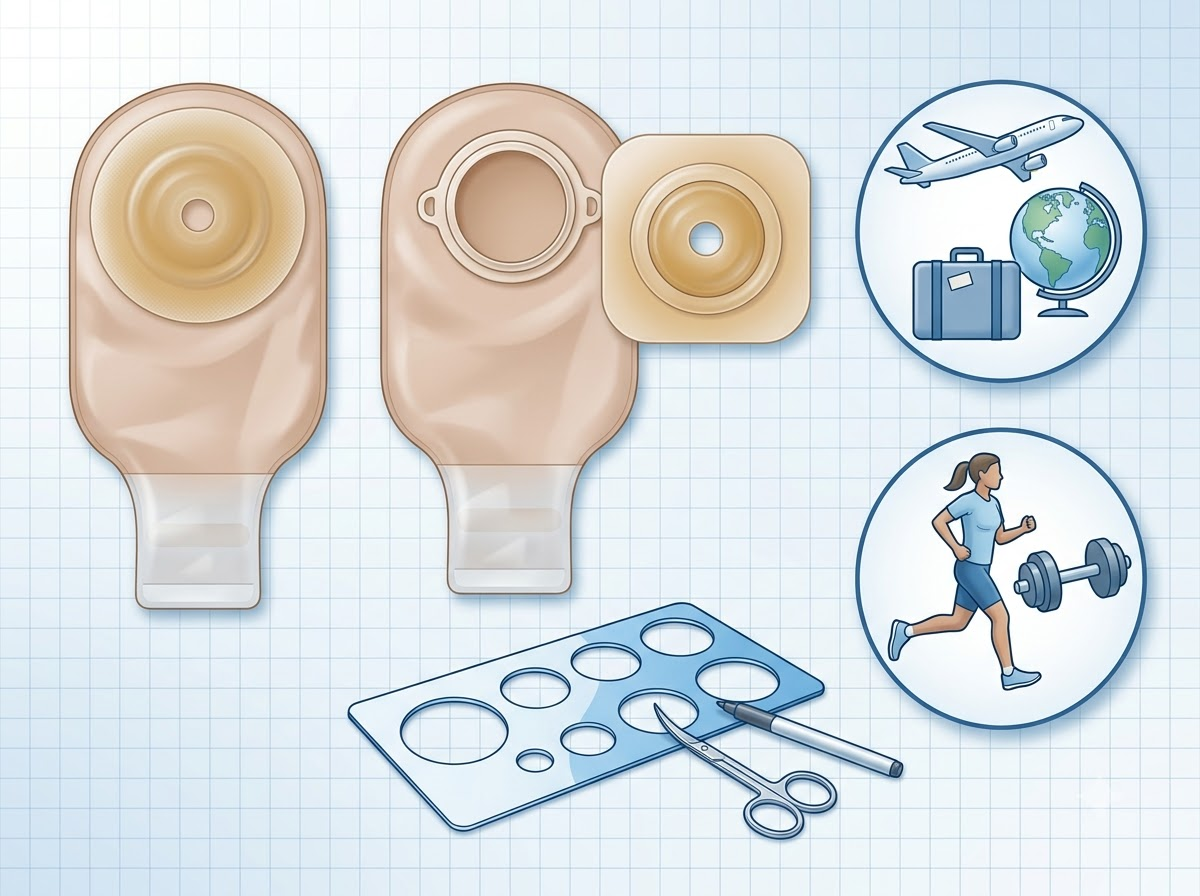
NIDDK explains that ostomy pouching systems may have the skin barrier and pouch as one piece or as two separate pieces. An ostomy nurse can help determine which system is appropriate for an individual's stoma and care needs.
Choosing an ostomy bag is not simply about finding the product with the most features. The right option should work with your stoma, output, skin, daily routine, and healthcare team's recommendations.
The opening of the pouching system needs to correspond appropriately with your stoma. Some products are available as cut-to-fit options, while others have pre-sized openings.
A properly fitted opening can help the skin barrier sit appropriately around the stoma. If you are unsure about sizing, an ostomy nurse or other qualified healthcare professional can help you determine the appropriate fit.
One-piece systems combine the pouch and skin barrier into one unit. Two-piece systems use a separate skin barrier and pouch.
Your preference may depend on how frequently you want to change the system, how you manage your routine, and what feels most comfortable for you.
Drainable pouches can be emptied and closed again. Closed-end pouches are removed and discarded when they need to be replaced.
The appropriate design may depend on stool consistency, output, personal preference, and how often you want to replace the pouch.
The skin around the stoma can be affected by leakage, moisture, adhesives, friction, or an improperly fitted pouching system.
If you notice persistent redness, irritation, pain, itching, or changes in the skin around your stoma, speak with your healthcare provider or ostomy nurse.
Your routine can also influence your preference. Someone who frequently travels, works outside the home, exercises, or wants a particular level of discretion may prefer a different pouching configuration than someone with a different daily routine.
There is no universally "best" ostomy system for every person.
The main difference between these systems is whether the collection pouch and skin barrier are connected.
| Feature | One-Piece System | Two-Piece System |
| Design | Pouch and skin barrier are combined. | Pouch and skin barrier are separate. |
| Changing | The entire system is changed together. | The pouch can be changed separately from the barrier, depending on the system |
| Flexibility | Simple, all-in-one design | Allows greater component flexibility |
| Considerations | May be preferred for a straightforward pouching setup | May be preferred by people who want a separate pouch and barrier |
NIDDK recognizes both one-piece and two-piece pouching systems as options after colostomy or ileostomy surgery. Your ostomy nurse can help determine which configuration works best for your stoma and routine.
A one-piece system combines the adhesive skin barrier and collection pouch into a single unit.
This design may appeal to people who prefer an all-in-one system with fewer separate components to manage.
A two-piece system consists of a skin barrier and a separate collection pouch.
This configuration may provide more flexibility for people who prefer to manage the pouch and barrier as separate components.
Another important distinction is whether a pouch can be emptied or must be replaced after use.
Drainable bags have an opening or closure that allows the pouch contents to be emptied without removing the entire pouching system.
They may be useful for people who need to empty their pouch regularly and prefer not to replace the entire pouch each time.
MedicalEshop offers several drainable ostomy pouch options, including one-piece and two-piece configurations.
Closed-end bags do not have a bottom opening for emptying. Once the pouch needs to be changed, it is removed and replaced with a new pouch.
Closed-end systems may be considered by people who prefer a disposable pouching option for particular situations.
The United Ostomy Associations of America notes that ostomy pouching systems are available in different configurations, and choosing among them depends on factors such as the person's ostomy, lifestyle, and individual needs.
The following four products are selected from the MedicalEshop options provided for this guide. They represent different pouch configurations rather than being ranked as medically superior to one another.
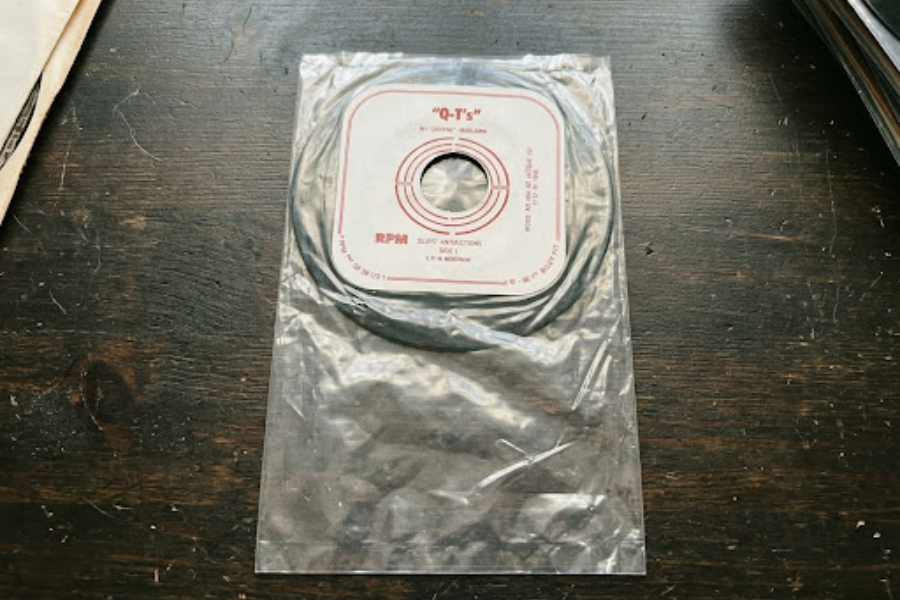
The Gricks Cut-to-Fit Colostomy Closed End Disposable Pouch is a closed-end disposable option listed by MedicalEshop.
According to the MedicalEshop product listing, it features a 3/4-inch opening, 3-inch adhesive, and waterproof construction, and is supplied in a package of 10.
Best suited to consider if you are looking for:

The Cymed 2-Piece Closed-End Colostomy Pouch is a two-piece closed-end option.
MedicalEshop lists this product under its colostomy pouch selection with multiple available options.
Because it is a two-piece closed-end system, it may be worth considering for someone who prefers a separate pouch and barrier configuration while using a closed-end pouch.
Cymed's product information also describes its two-piece colostomy systems as having separate barriers and pouch options.
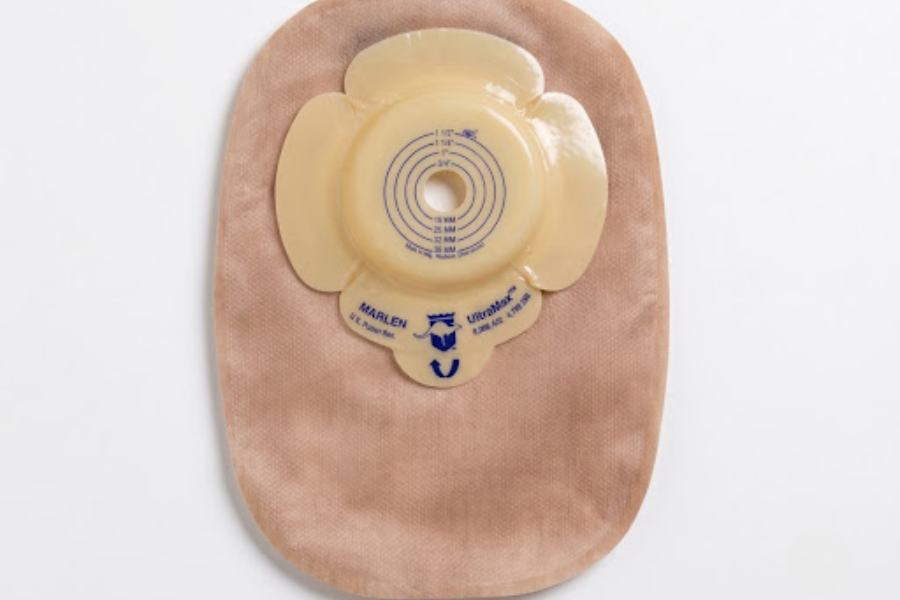
The UltraMax One-Piece Colostomy Pouch by Marlen is a one-piece option listed by MedicalEshop.
The current MedicalEshop listing identifies it as an UltraMax Deep Convex Colostomy Pouch with a cut-to-fit design and a box of 15.
Key product details include:
Because convexity can be relevant to how a pouching system fits around a stoma, individuals should follow the recommendations of their ostomy nurse or healthcare professional when determining whether a convex system is appropriate.
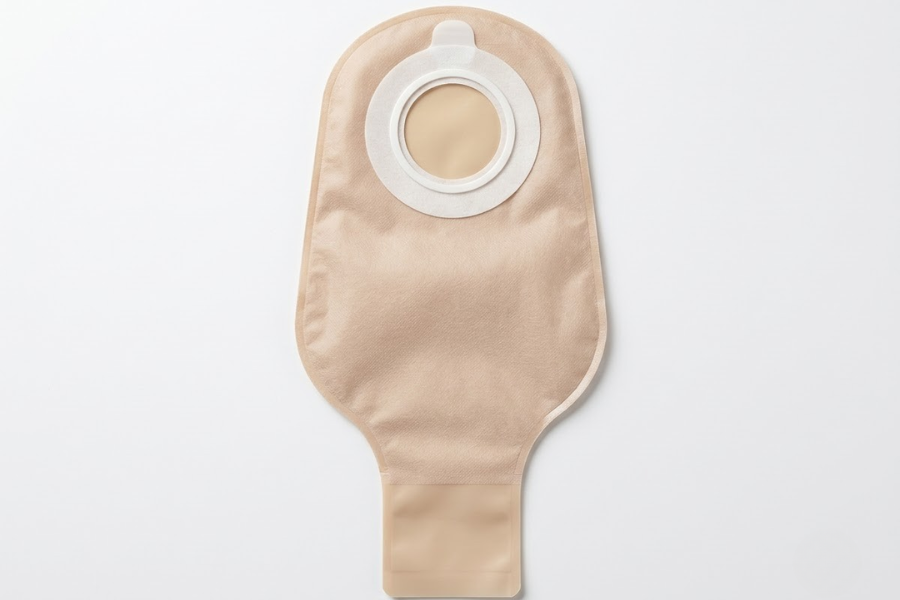
The Cymed Colostomy Two-Piece Drainable Pouch Options provide a two-piece drainable configuration.
MedicalEshop currently lists this product with multiple options under its Cymed ostomy selection.
Cymed's product catalog identifies two-piece drainable pouch options in different configurations, including 9-inch and 11-inch options.
This type of pouch may be worth considering if you prefer:
The easiest way to narrow your choices is to start with the type of system you need rather than simply looking for the product labeled best.
| If you prefer | Consider |
| Closed-end and disposable | Gricks Cut-to-Fit Colostomy Closed-End Disposable Pouch |
| Two-piece + closed-end | Cymed 2-Piece Closed-End Colostomy Pouch |
| One-piece + cut-to-fit | UltraMax One-Piece Colostomy Pouch |
| Two-piece + drainable | Cymed Colostomy Two-Piece Drainable Pouch Options |
Remember that product configuration alone does not determine whether a pouch is appropriate for your individual stoma. Your stoma size and shape, output, skin condition, and healthcare provider's recommendations should also be considered.
A good pouching routine starts with proper preparation and regular observation of the stoma and surrounding skin.
Your stoma can change in size, particularly after surgery. Follow the sizing instructions for your pouching system and use a stoma measuring guide when appropriate.
A cut-to-fit pouch may provide flexibility when the opening needs to be customized to the stoma.
When changing your pouch, gently clean the skin around the stoma and allow it to dry completely before applying the new system.
MedlinePlus recommends checking the stoma and surrounding skin during pouch changes and following the specific instructions provided by your healthcare professional.
Repeated leakage should not simply be treated as a normal part of having a colostomy.
It may indicate that the pouching system does not fit appropriately or that something about the stoma or surrounding skin has changed. An ostomy nurse can help evaluate the fit and recommend adjustments.
If you are experiencing persistent leakage, skin irritation, discomfort, or difficulty maintaining the pouching system, ask your healthcare professional or ostomy nurse for guidance instead of repeatedly trying different products without assessment.
Some changes around the stoma should be discussed with a healthcare professional.
According to MedlinePlus, you should contact your provider if the stoma changes color, becomes purple, black, or blue, develops significant bleeding, or if the surrounding skin becomes problematic. Other symptoms requiring medical attention can include fever, vomiting, significant abdominal pain or bloating, blood in the stool, or an absence of gas or stool accompanied by concerning symptoms.
Contact your healthcare provider or ostomy nurse if you experience:
Do not use a different pouching system as a substitute for professional evaluation when you have concerning symptoms.
The terms colostomy, ileostomy, and urostomy describe different types of ostomies, and the appropriate pouch depends on what the stoma is designed to collect.
| Type | What is diverted | What the pouch collects |
| Colostomy | Part of the colon | Stool and gas |
| Ileostomy | End of the small intestine | Stool and intestinal contents |
| Urostomy | Urinary system | Urine |
In a colostomy, part of the colon is brought through the abdominal wall to create a stoma. In an ileostomy, the ileum, or end of the small intestine, is brought through the abdominal wall.
A urostomy is different because it is used to divert urine rather than stool. Therefore, a person should not assume that any ostomy bag is interchangeable across colostomy, ileostomy, and urostomy applications.
If you are unsure which type of pouch you need, check the product specifications and confirm your requirements with your healthcare provider or ostomy nurse.
Finding the right colostomy bag is less about choosing the product with the longest feature list and more about finding a pouching system that fits your stoma, routine, and individual needs.
The four MedicalEshop options featured here provide different configurations, including closed-end, drainable, one-piece, two-piece, and cut-to-fit designs. The right choice may depend on whether you prioritize a disposable closed-end pouch, a separate two-piece system, a one-piece design, or a drainable configuration.
If you are unsure which pouch is appropriate for your stoma, consult your ostomy nurse or healthcare provider before changing your pouching system.
Looking for colostomy and ostomy supplies?Explore MedicalEshop's Colostomy Pouch options to compare available configurations and product options.
This article was developed using information from established U.S. healthcare and ostomy organizations, including the National Institute of Diabetes and Digestive and Kidney Diseases (NIDDK) for ostomy surgery and pouching systems, MedlinePlus for colostomy and ostomy pouch-care information, the American Cancer Society for information about colostomies associated with colorectal and rectal cancer treatment, and the United Ostomy Associations of America (UOAA) for ostomy education and support resources. Carewell's guide to colostomy bags was also reviewed to understand common consumer search questions and comparison topics.
MedlinePlus – Changing Your Ostomy Pouch
American Cancer Society – About Colostomies
United Ostomy Associations of America (UOAA)
This article is for general educational and informational purposes only. MedicalEshop is a U.S.-based supplier of medical and rehabilitation products and is not a doctor, hospital, manufacturer, or licensed medical provider. The information provided here is not intended to diagnose, treat, cure, or prevent any medical condition and should not replace advice from a qualified healthcare professional.
Ostomy needs vary from person to person. Product selection should be based on your individual stoma, skin condition, output, pouching needs, and recommendations from your healthcare provider or ostomy nurse. Always follow the manufacturer's product instructions and seek professional medical attention for persistent leakage, skin problems, unusual stoma changes, pain, bleeding, fever, vomiting, or other concerning symptoms.
Frequently Asked Questions
Ans. There is no single best colostomy bag for everyone. The appropriate choice depends on factors such as stoma size and shape, output, skin condition, lifestyle, and whether you prefer a one-piece, two-piece, drainable, or closed-end system. An ostomy nurse can help identify an appropriate pouching system for your individual needs.
Ans. A colostomy bag is an ostomy pouch used with a colostomy to collect stool from the colon. "Ostomy bag" is a broader term that can refer to pouches used with different types of ostomies, including colostomies, ileostomies, and urostomies.
Ans. Drainable colostomy bags can be emptied and used again according to the pouching system's instructions. Closed-end bags are designed to be removed and replaced rather than emptied. The choice between drainable and closed-end systems depends on individual needs and preferences.
Ans. A one-piece system combines the skin barrier and collection pouch into one unit. A two-piece system has a separate skin barrier and pouch. Both configurations are used in ostomy care, and the preferred option can vary based on the individual's stoma, routine, and preferences.
Ans. Not every colostomy pouch is automatically appropriate for an ileostomy. Output characteristics and pouching requirements can differ between colostomies and ileostomies. Always verify that the product is intended for your type of ostomy and follow your healthcare professional's recommendations.
Ans. Leakage can occur for several reasons, including an improperly sized opening, changes in stoma shape or size, problems with the skin barrier, or changes in output. Persistent leakage should be discussed with an ostomy nurse or healthcare professional so the pouching system can be assessed.
Ans. The appropriate change schedule varies by pouch type, product instructions, skin condition, and individual circumstances. Do not rely on a single universal schedule. Follow the instructions provided with your pouching system and your healthcare professional's guidance.
Ans. Many people with an ostomy continue normal daily activities and travel after recovering from surgery. Planning ahead can make pouch management easier. Carry enough supplies for the trip, plus extra supplies in case your routine changes or a pouch needs to be replaced unexpectedly.
Ans. Not everyone needs an ostomy belt. Whether one is appropriate depends on the person's pouching system, stoma, body shape, activity level, and healthcare professional's recommendations. An ostomy belt should not be treated as a replacement for a properly fitted pouching system.

