Wheelchairs support everyday mobility, but problems such as poor wheelchair fit, uncomfortable cushions, tire issues, footrest positioning, skin discoloration, soreness, and accessibility barriers may affect daily use. Understanding the possible cause can help users and caregivers decide whether the issue may require an adjustment, replacement component, maintenance, or professional assessment. This guide covers common wheelchair problems and practical ways to address them, including checking wheelchair fit, choosing a suitable cushion, inspecting wheels and brakes, considering body-weight changes, and improving wheelchair accessibility. MedicalEshop offers wheelchairs, transport chairs, wheelchair cushions, ramps, and adaptive seating products for different mobility needs.

A wheelchair is made up of several components that work together, including the frame, wheels, casters, brakes, seat, cushion, back support, armrests, and footrests. A problem with one component may affect comfort, mobility, or everyday use.
Common wheelchair problems include:
| Common problem | Possible signs | What to check |
| Poor wheelchair fit | Discomfort or awkward positioning | Seat width, depth, and support |
| Cushion problems | Soreness or instability | Cushion size, placement, and condition |
| Wheel or tire problems | Difficulty moving or pushing | Tires, casters, and wheels |
| Brake problems | Chair moves when it should remain stationary | Brake engagement |
| Footrest issues | Leg or foot discomfort | Height and positioning |
| Weight-related fit changes | Changes in support or comfort | Current measurements and weight capacity |
| Transportation challenges | Difficulty storing or moving the chair | Folding and transport requirements |
| Accessibility barriers | Difficulty entering or moving through spaces | Doorways, ramps, thresholds, and surfaces |
Not every wheelchair problem means the entire chair needs to be replaced. Depending on the issue, checking the fit, replacing a worn component, replacing or reassessing the cushion, or choosing a different mobility product may be appropriate.

Poor wheelchair fit may affect comfort, positioning, and everyday mobility.
Wheelchair fit involves more than selecting a chair based on its overall size. Seat width, seat depth, back support, cushion dimensions, armrests, and footrests all contribute to how the user sits in the chair.
Signs that a wheelchair may not fit properly include:
Changes in body size may also affect an existing wheelchair's fit. MedlinePlus recommends having wheelchair fit reviewed when pressure develops or after certain changes in body weight.
If significant seating or positioning changes are needed, an appropriately qualified healthcare or rehabilitation professional may be able to assess the complete seating setup.
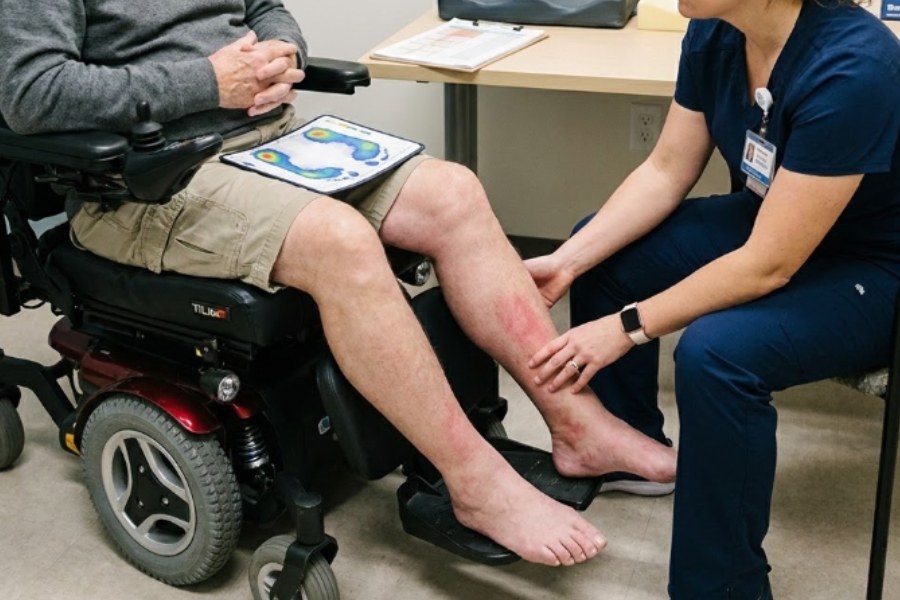
Skin discoloration, soreness, or other persistent skin changes should not be ignored.
Prolonged sitting, pressure, friction, and an improperly fitted seating system can contribute to skin problems. It is recommended to get regular skin checks and attention to areas exposed to pressure.
A wheelchair cushion is one part of the overall seating system. However, changing a cushion should not be considered a treatment for an existing wound or skin condition.
If you notice a concerning skin change, check whether:
Persistent discoloration, significant soreness, an open area, drainage, or a wound should be evaluated by an appropriate healthcare professional rather than managed solely through equipment changes.
A wheelchair cushion plays an important role in the overall seating setup. Discomfort may occur when the cushion is the wrong size, improperly positioned, worn, or not appropriate for the user's seating requirements.
When considering a wheelchair cushion, look beyond how soft it feels.
| Consideration | Why it matters |
| Size | Should correspond with the wheelchair's seating dimensions |
| Cushion type | Different materials and designs have different characteristics |
| Positioning | May influence seated stability and support |
| Weight capacity | Should meet the manufacturer's specifications |
| Condition | Damaged or compressed materials may need replacement |
| Maintenance | Care requirements vary by cushion design |
For users with specialized seating or positioning requirements, a professional seating assessment may be appropriate before selecting or changing a cushion.
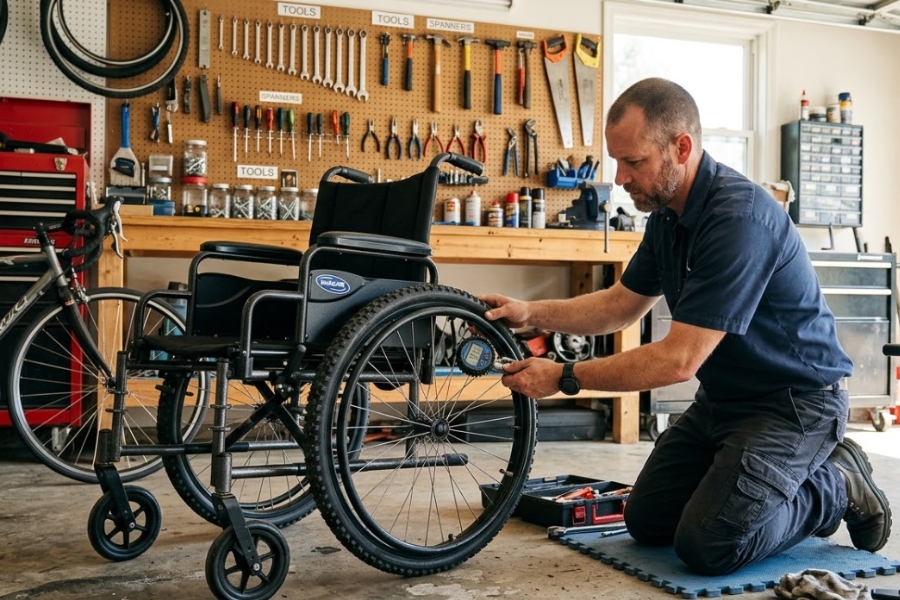
If a manual wheelchair suddenly becomes harder to push, the cause may be related to the equipment rather than the user's effort.
Common things to inspect include:
For pneumatic tires, follow the manufacturer's recommended tire pressure rather than using a general pressure value. Regular tire and component inspections are part of routine wheelchair maintenance guidance.
If the wheelchair continues to roll differently than usual after a basic inspection, consult the manufacturer's instructions or an appropriately qualified service professional.

Wheelchair brakes are designed to help keep a manual wheelchair stationary when engaged. A brake that no longer works as expected should be addressed before continued use.
Watch for:
On some wheelchair designs, tire condition or pressure may affect brake engagement; follow the manufacturer's instructions for the specific model. Manufacturer maintenance guidance recommends regularly checking tires, brakes, and other wheelchair components.
Do not continue using a wheelchair if an important component appears damaged or the chair does not remain stable when the brakes are engaged. Check the owner's manual or contact the manufacturer or a qualified service provider for assistance.
Footrests and armrests are part of the wheelchair's overall seating configuration.
Footrests that are positioned incorrectly may leave the legs or feet inadequately supported. Armrests that do not suit the user's seated position may also contribute to discomfort.
Consider checking:
| Footrests | Height, Foot placement, Leg support, Position relative to the floor |
| Armrests | Height, Position, Stability, Compatibility with everyday activities |
Avoid making major seating or positioning changes without considering how the adjustment affects the entire wheelchair setup. When positioning problems continue, a qualified seating professional may be able to assess the chair and user's needs together.

Changes in body weight may affect how a wheelchair and cushion fit.
This applies whether a person has experienced weight gain or weight loss. A change in body size may alter the relationship between the user's body, seat, cushion, back support, armrests, and footrests.
Instead of automatically choosing a larger or smaller wheelchair, review:
The wheelchair's stated weight capacity should always be checked against the manufacturer's specifications.
If a significant body-weight change has occurred or the wheelchair has become uncomfortable, a professional seating assessment may help determine whether the current setup remains appropriate.

A wheelchair that works well for everyday use may not always be convenient for transportation.
Different mobility products are designed with different priorities. For example, a transport chair is generally intended to be pushed by a caregiver, while many manual wheelchairs are designed to allow the seated user to propel the chair using the handrims.
A folding wheelchair may be useful when storage and transportation are important considerations.
When choosing a wheelchair for travel or transportation, consider:
There is no single wheelchair type that is best for every user. The appropriate choice depends on the individual's mobility requirements and how the equipment will be used.

Sometimes the wheelchair is not the primary problem. The surrounding environment may create a barrier.
Common wheelchair accessibility challenges include:
The U.S. Access Board provides accessibility guidance addressing areas such as clear floor space, maneuvering space, accessible routes, and ramps.
The ramp must be appropriate for the specific rise, surface, wheelchair, and manufacturer's stated requirements.
Always follow the ramp manufacturer's instructions regarding weight capacity, length, surface, setup, and intended use.
Regular inspection may help identify equipment problems before they become more disruptive.
Before use
Check:
For pneumatic tires, check pressure according to the manufacturer's instructions.
For seating and skin
Pay attention to changes in:
If a cushion becomes damaged, compressed, or otherwise unsuitable, review its condition and manufacturer's replacement guidance.
Keep the wheelchair clean
Dirt, hair, moisture, and other debris may accumulate around wheels, casters, upholstery, and other components. Clean the wheelchair according to the manufacturer's care instructions.

MedicalEshop offers a range of mobility and rehabilitation products that may help users address different equipment, transportation, seating, and accessibility needs.
MedicalEshop carries wheelchairs in different configurations for users with varying mobility and transportation requirements.
Transport chairs are designed for caregiver-assisted mobility and may be considered when the seated person does not need to independently propel the chair.
Wheelchair cushions are available in different designs and materials. Selection should be based on the wheelchair's dimensions, manufacturer's specifications, and the user's seating requirements.
Portable and threshold ramps may be useful for certain accessibility challenges when their specifications are appropriate for the intended environment and equipment.
MedicalEshop also offers adaptive seating products for situations where a traditional wheelchair may not meet a user's specific seating requirements.
The appropriate product depends on the user's measurements, intended use, mobility requirements, environment, and manufacturer specifications.
Some wheelchair problems may be addressed through routine inspection or replacement of an appropriate component. Others require professional evaluation.
Consider seeking appropriate professional assistance if:
For wounds, persistent skin changes, unexplained swelling, significant pain, or other concerning symptoms, consult an appropriate healthcare professional.
Centers for Disease Control and Prevention (CDC). Disability Inclusion Strategies. — Useful for the section discussing accessibility, environmental barriers, and mobility.
National Center for Biotechnology Information (NCBI), U.S. National Library of Medicine. Wheeled and Seated Mobility Devices: The Promise of Assistive Technology to Enhance Activity and Work Participation. Covers wheelchair seating, cushions, back support, comfort, safety, pressure management, and mobility.
National Institutes of Health (NIH), National Library of Medicine. Pressure Injuries and Management after Spinal Cord Injury. Provides information related to wheelchair seating systems, wheelchair fit, cushions, positioning, and pressure injury risk.
National Library of Medicine (NLM), PubMed. Reducing Pressure with the Goal of Improving Outcomes: A Retrospective Chart Review of Cushion Evaluations and Recommendations at One Seating Clinic. Relevant to wheelchair cushions, seating adjustments, foot and back supports, and pressure management.
Medical Disclaimer: MedicalEshop is a U.S.-based dealer and supplier of home medical equipment, rehabilitation products, mobility aids, and special-needs products. MedicalEshop is not a manufacturer, physician, hospital, or licensed medical provider. The information provided in this article is for general educational purposes only and is not intended to diagnose, treat, cure, or prevent any medical condition. Product information should be reviewed according to the manufacturer's specifications. If you have persistent pain, skin damage, a wound, swelling, or another concerning symptom, consult an appropriate healthcare professional.
Frequently Asked Questions
Ans. Common wheelchair problems include poor fit, cushion discomfort, skin pressure, tire or wheel problems, brake issues, footrest or armrest problems, and accessibility barriers. The appropriate solution depends on the specific cause and the wheelchair's condition.
Ans. A properly fitted wheelchair should accommodate the user's body dimensions and intended seating position. Signs of a poor fit may include excessive pressure, awkward positioning, difficulty reaching the handrims, or recurring discomfort. A qualified professional can assess complex fitting needs.
Ans. Discomfort may be related to the cushion, seating position, prolonged pressure, an improperly fitted wheelchair, or changes in body size. Check the cushion's size, placement, and condition. Persistent soreness or skin changes should be evaluated by an appropriate healthcare professional.
Ans. Yes. Changes in body weight may affect seat dimensions, cushion fit, positioning, and the relationship between the user and the wheelchair. The wheelchair's weight capacity should also be checked against the manufacturer's specifications.
Ans. Low tire pressure, worn tires, damaged casters, debris, wheel alignment, or other equipment issues may make a wheelchair harder to push. Inspect the wheelchair according to the manufacturer's maintenance instructions and seek service if the problem continues.
Ans. Tires should be inspected regularly for wear, damage, and appropriate pressure when applicable. Pneumatic tires should be maintained according to the manufacturer's recommended pressure and maintenance instructions.
Ans. Neither is universally better. A transport chair is generally designed for caregiver-assisted mobility, while many manual wheelchairs are designed for independent propulsion. The appropriate choice depends on the user's mobility, transportation, seating, and daily-use requirements.
Ans. There is no single cushion that is best for every wheelchair user. Cushion selection may depend on wheelchair dimensions, seating position, body characteristics, comfort requirements, and other individual needs. Specialized seating needs may warrant professional assessment.
Ans. A wheelchair may need replacement when it no longer meets the user's current measurements, mobility needs, weight capacity, seating requirements, or intended environment, or when important components are excessively worn or damaged.
.avif&w=3840&q=75)
.avif&w=3840&q=75)