A CPAP routine involves more than turning on your machine before bed. Your mask, tubing, filters, and other CPAP supplies need regular care, while your sleep routine can also affect how consistently you use your equipment. A new year is a practical opportunity to review your setup, check for worn components, revisit cleaning instructions, and address problems such as mask leaks or discomfort. This CPAP refresh checklist walks through the basics of maintaining your CPAP equipment, recognizing when supplies may need attention, and creating a more consistent sleep routine. Always follow your equipment manufacturer's instructions and speak with your healthcare provider about therapy-related concerns.
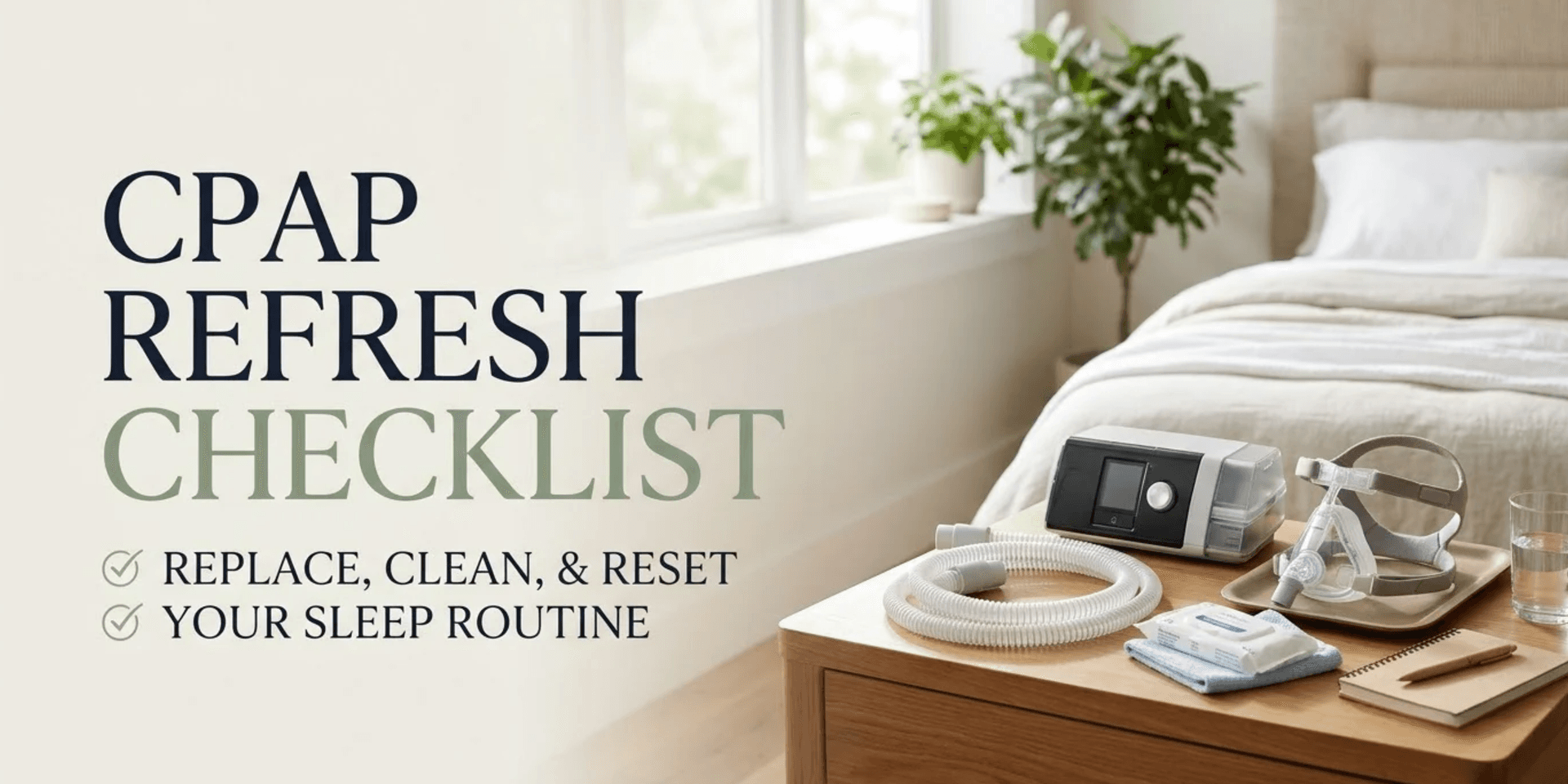
Continuous positive airway pressure (CPAP) is a common form of positive airway pressure therapy used for sleep apnea. A CPAP machine delivers a steady flow of air through a mask to help keep the airway open during sleep.
A typical CPAP setup includes more than the machine itself. Depending on the system, it can include a mask, headgear or straps, tubing, filters, and other accessories. Maintaining these components is an important part of using the equipment as directed.
Over time, CPAP supplies can become worn, dirty, damaged, or less comfortable. A mask may no longer fit as well, tubing may show signs of wear, or filters may need replacement according to the manufacturer's instructions.
A refresh does not necessarily mean replacing everything at once. Instead, it is an opportunity to inspect your equipment, clean the components according to the manufacturer's instructions, identify items that need replacement, and discuss persistent therapy problems with your healthcare provider.
Use this checklist as a general starting point for reviewing your CPAP routine:
| CPAP Refresh Step | What to Check |
|---|---|
| Mask | Fit, comfort, visible damage, and air leaks |
| Headgear | Stretching, wear, damage, and fit |
| Tubing | Cracks, holes, discoloration, or other damage |
| Filters | Condition and manufacturer-recommended replacement schedule |
| Humidifier components | Cleaning, condition, and manufacturer instructions |
| Cleaning routine | Whether each component is cleaned according to its instructions |
| Replacement supplies | Whether regularly replaced items are due for attention |
| Sleep routine | Consistent bedtime and wake time |
| Therapy concerns | Persistent discomfort, leaks, sleep problems, or symptoms |
| Equipment records | Manufacturer instructions, prescriptions, and supplier information |
Remember that there is no single replacement schedule that applies to every CPAP user or every component. Replacement timing can depend on the type of part, manufacturer recommendations, condition of the equipment, insurance requirements, and other factors.
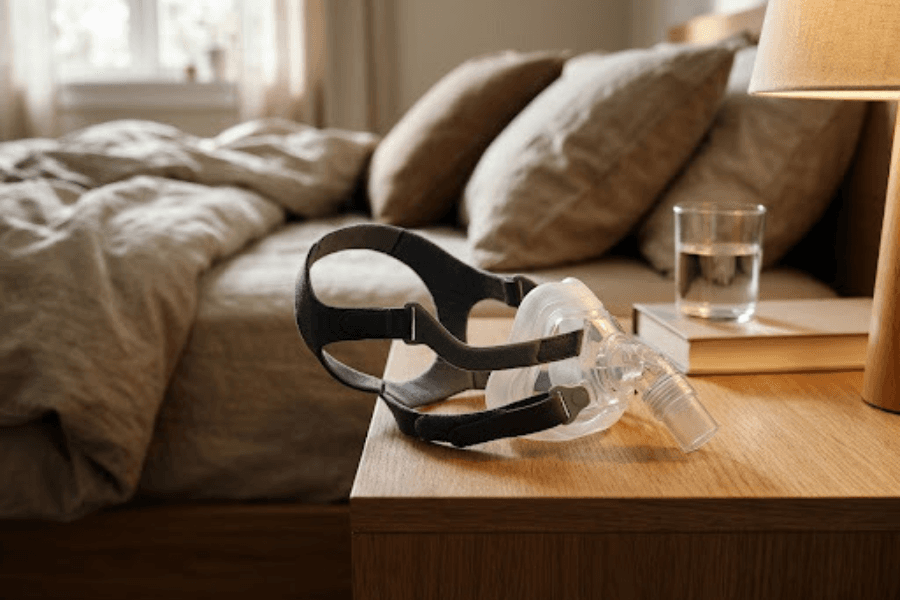
Your CPAP mask is one of the most important parts of your setup because it provides the interface between the CPAP system and your airway. Start your refresh by checking whether your mask still fits comfortably and stays in place while you sleep.
Inspect the mask, cushion, nasal pillows, headgear, and other components included with your particular system. Look for:
A mask that leaks or does not fit properly may interfere with your comfort and can make CPAP use more difficult.
The National Heart, Lung, and Blood Institute recommends discussing mask problems with a healthcare provider if the mask does not stay on, does not fit well, or leaks air. Your provider may recommend trying a different mask style or making other adjustments to your PAP setup.
A common reaction to an air leak is to tighten the straps. However, tighter is not necessarily better.
If the mask is uncomfortable, leaves excessive marks, or continues to leak despite adjustments, speak with your healthcare provider or equipment supplier about whether another mask style or size may be appropriate.
Do not independently change your prescribed CPAP pressure settings to address a mask problem.
Your CPAP machine is only one part of your overall setup. Other CPAP supplies may also require regular inspection and replacement.
Look over the tubing for cracks, holes, discoloration, or other visible damage. Check the connections between the tubing, mask, and machine to make sure everything is properly connected according to the manufacturer's instructions.
If tubing becomes damaged or does not connect securely, consult your equipment supplier or manufacturer for the appropriate replacement.
CPAP machines may use filters to help keep dust and other particles from entering the system. Filter types and replacement instructions vary by machine. Rather than following a generic internet schedule, check your CPAP machine's user manual for instructions specific to your device.
Depending on your setup, you may also use a humidifier chamber, headgear, cushions, nasal pillows, or other CPAP accessories.
Inspect each component and refer to the manufacturer's cleaning and replacement instructions.
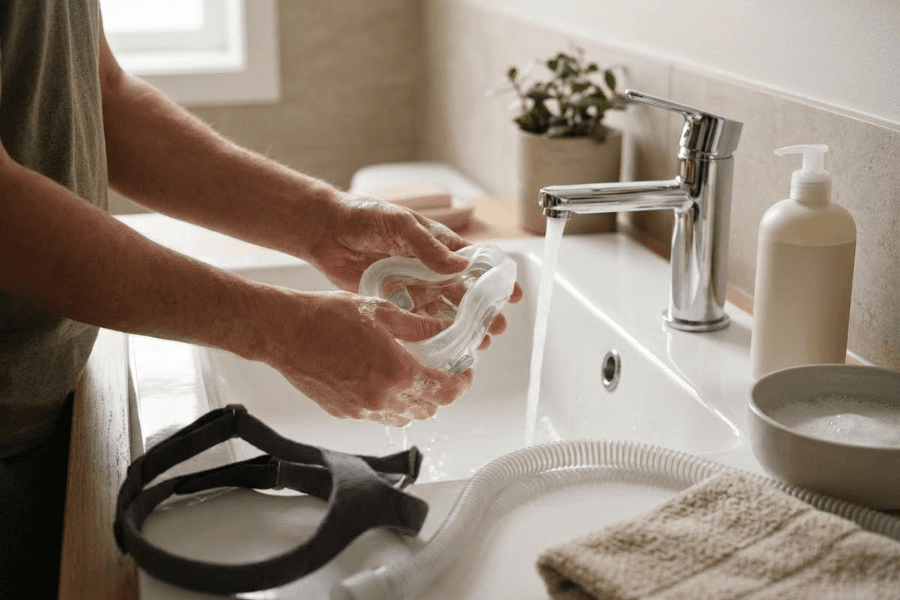
Cleaning is an essential part of CPAP equipment maintenance.
The FDA recommends following the cleaning instructions provided by the manufacturer because CPAP systems and their components can differ. In general, CPAP users should avoid assuming that every component can be cleaned in exactly the same way.
Before cleaning any component, check the user manual for:
Use only cleaning methods recommended for your specific equipment.
Some products are marketed as CPAP cleaning, sanitizing, or disinfecting devices.
The FDA has cautioned consumers about unauthorized ozone- and UV-based devices marketed for CPAP cleaning. The agency states that it has not evaluated the safety or effectiveness of most such devices and notes that ozone and UV light may damage CPAP components.
For routine cleaning, follow the cleaning process provided by your CPAP manufacturer rather than assuming that an aftermarket cleaning device is necessary.
The area where the mask contacts your skin can accumulate oils and residue. Cleaning the mask according to the manufacturer's instructions can help maintain the equipment and its seal.
NHLBI also recommends washing your face before putting on the mask as part of maintaining a good mask-to-skin seal.
A CPAP refresh is also a good time to review when your supplies were last replaced.
However, avoid using one universal replacement calendar for every CPAP component.
Replacement needs can vary according to:
For example, a mask cushion may have different replacement considerations than tubing or a machine filter.
If you frequently forget when supplies were last replaced, create a simple record.This does not replace your manufacturer's replacement instructions. It simply gives you a convenient way to keep track of your equipment.
For people using Medicare, coverage and replacement requirements may also apply to CPAP devices and accessories. CMS provides specific guidance concerning PAP equipment and replacement accessories, so coverage should be confirmed based on your individual circumstances.

A CPAP refresh is not only about equipment.
Your sleep routine can also influence how consistently you use your CPAP machine.
The NHLBI recommends maintaining a consistent sleep schedule, including going to bed and waking up around the same time each day.
Consider making these habits part of your 2026 routine:
Try to maintain a regular bedtime and wake-up time, including on weekends when possible.
A CPAP machine cannot replace adequate sleep time. Make room in your schedule for a full night's rest.
A bedroom that is cool, quiet, and dark can support healthy sleep habits.
Keep your machine and necessary supplies in a convenient location so that setting up your equipment becomes a routine rather than an additional task at bedtime.
If you use CPAP whenever you sleep, remember to take the equipment with you when traveling, including when you expect to nap.
Sometimes a CPAP refresh can identify an equipment issue. Other times, a persistent problem may require professional evaluation.
Talk with your healthcare provider if you experience ongoing problems such as:
Morning headaches, brain fog, irritability, and daytime tiredness can have many possible causes. Do not automatically assume that an old mask or CPAP supply is responsible.
If these symptoms persist despite using CPAP as prescribed, discuss them with your healthcare provider. Your provider can help determine whether your symptoms may be related to sleep apnea, sleep quality, CPAP use, another health issue, or something else.
Likewise, do not change your CPAP pressure, stop using prescribed therapy, or make other treatment changes without speaking with your healthcare provider.
MedicalEshop offers a selection of CPAP masks and accessories. The following products are among the options available for consideration. Product compatibility, sizing, and intended use should always be verified before ordering.
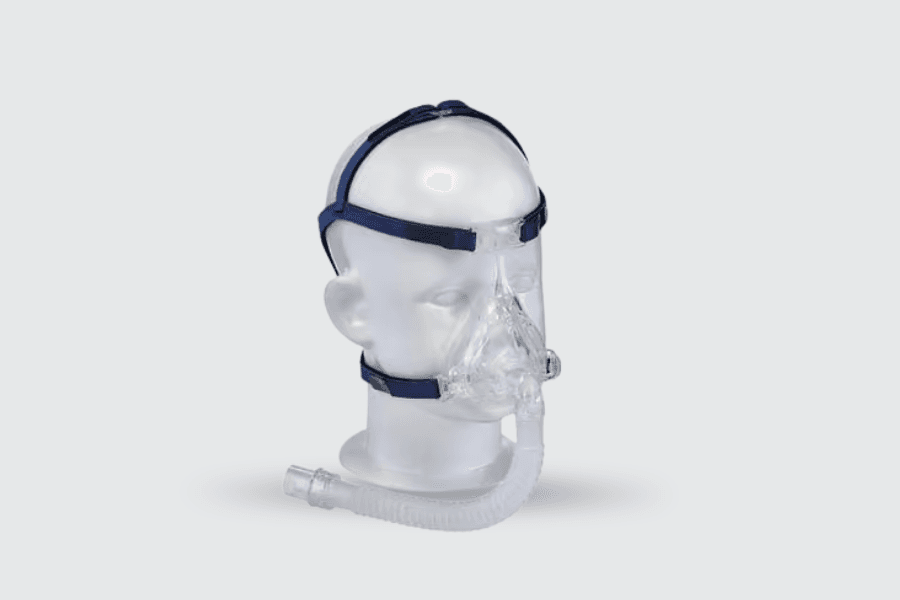
The AG Industries Nonny Pediatric Nasal CPAP Mask with Headgear is a pediatric nasal CPAP mask system. The available product information includes different size options, so users should verify the appropriate configuration before ordering.
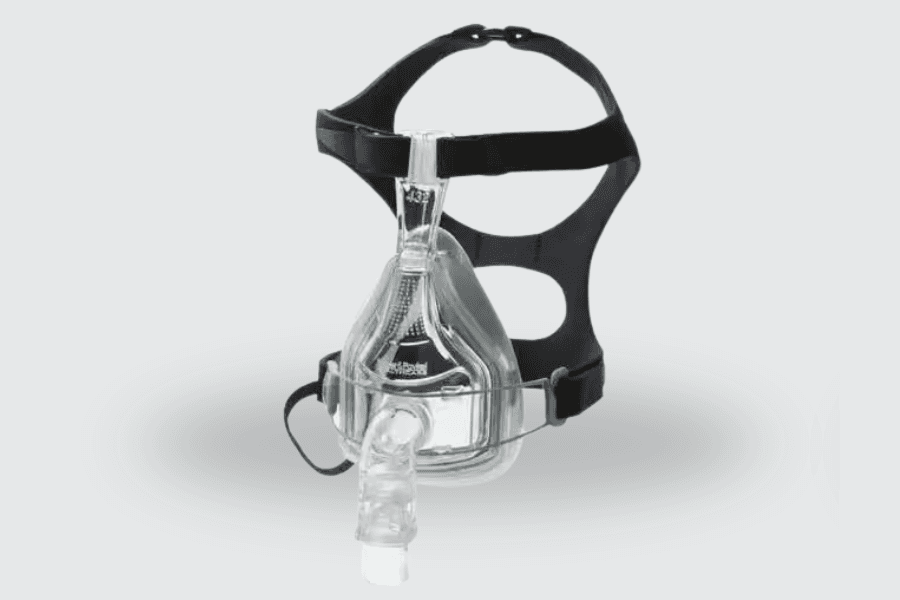
The Flexifit 432 Full Face Mask from Fisher & Paykel Healthcare is a full-face CPAP mask. Different configurations and sizes may be available, so confirm the specific option required for your setup.
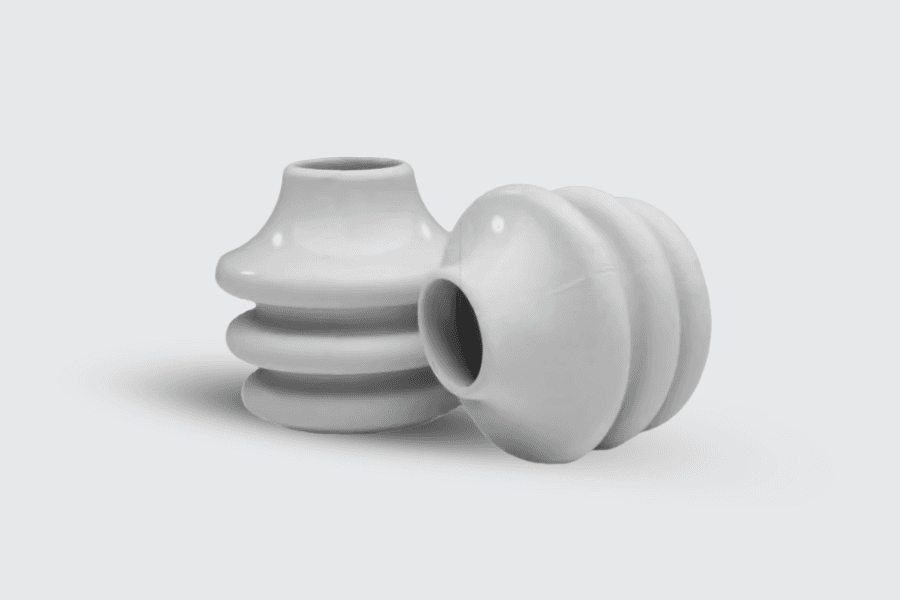
The Avalon Aire CPAP Mask Systems Includes Headgear, Nasal Pillow Style is a nasal-pillow-style CPAP mask system that includes headgear. Check the available product options and compatibility before purchase.
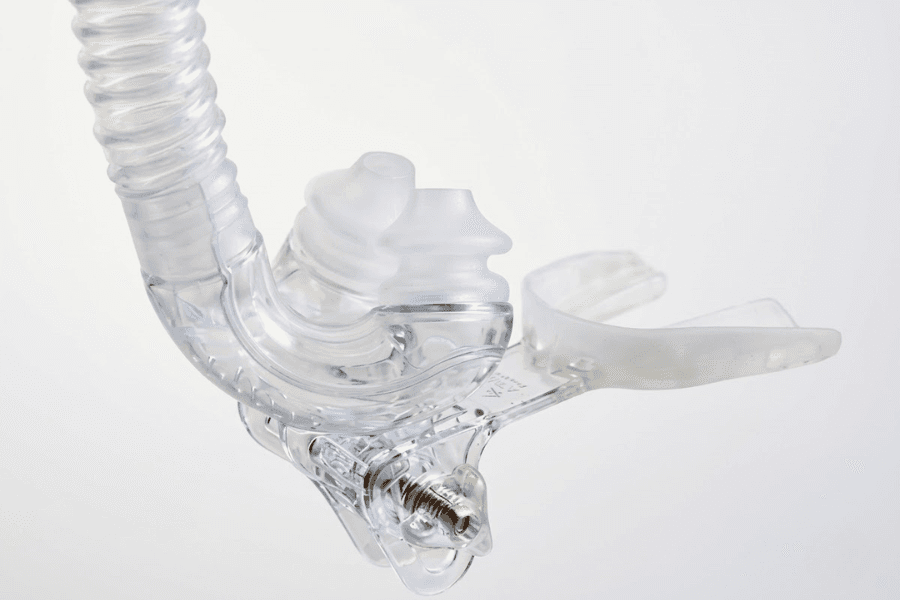
The Airway Management Nasal Pillow Style CPAP Mask Kit, Small/Medium/Large Cushion includes small, medium, and large cushion options. This can be useful when selecting among the available cushion sizes, but the correct choice should still be based on the product's instructions and your CPAP setup.
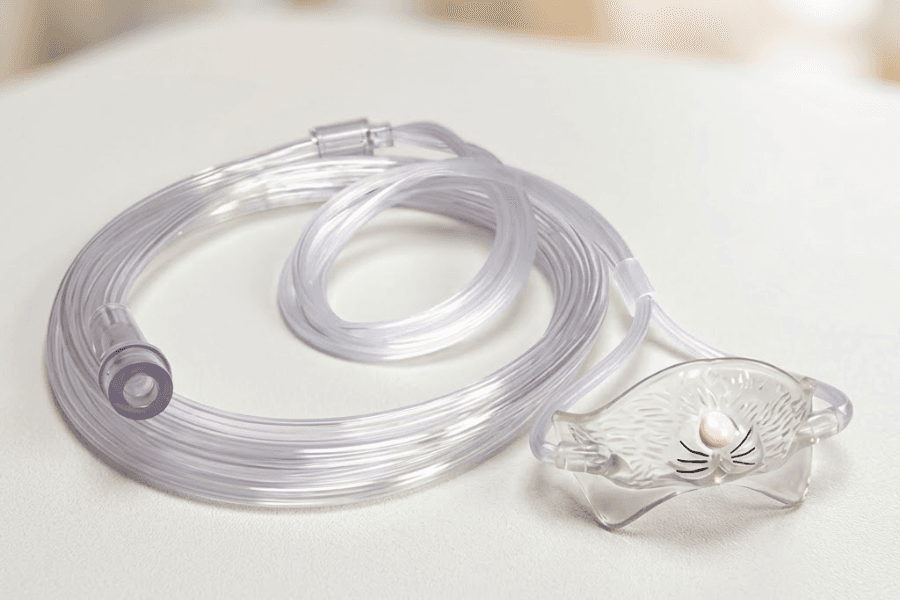
The WestMed Soft Plus Pediflo Nasal Mask, Pediatric is a pediatric nasal mask available through MedicalEshop. Verify the configuration and intended application before ordering.
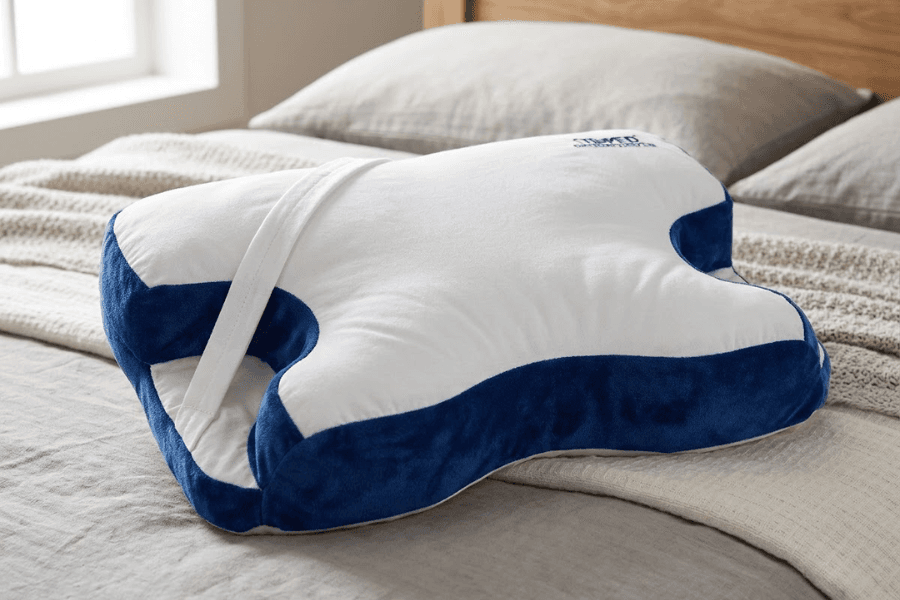
The Contour CPAPMax 2.0 CPAP Pillow Case is an accessory designed for the CPAPMax 2.0 pillow system. It is intended as a pillow-case accessory rather than a replacement for prescribed CPAP equipment.
When selecting any CPAP mask or accessory, confirm the model, size, configuration, and compatibility with your existing equipment before purchase.
A successful CPAP routine does not need to be complicated.
A simple maintenance system can help you stay organized:
Every day:Check that your mask and equipment are clean and ready for use according to the manufacturer's instructions.
Regularly:Inspect your mask, tubing, headgear, filters, and other components for wear or damage.
When needed:Replace supplies according to manufacturer recommendations, their condition, and applicable coverage requirements.
Whenever problems persist:Contact your healthcare provider or equipment supplier rather than attempting to change your therapy settings yourself.
At the start of a new year:Review your entire setup and make sure you know where to find your equipment manuals, prescriptions, replacement information, and supplier contact details.
This approach can make CPAP maintenance more predictable and help you identify equipment concerns before they become frustrating.
Frequently Asked Questions
Ans. There is no single replacement schedule for every CPAP supply. Replacement timing varies by component, manufacturer recommendations, equipment condition, frequency of use, and insurance or coverage requirements. Follow the instructions provided for your specific equipment.
Ans. Visible damage, persistent air leaks, changes in the mask seal, discomfort, or components that no longer fit or function as intended may indicate that the mask or one of its components needs attention. Consult your equipment supplier or healthcare provider if you are unsure.
Ans. The FDA has cautioned consumers about unauthorized CPAP cleaning devices that use ozone or UV light. Follow the cleaning instructions provided by your CPAP manufacturer rather than assuming that an aftermarket cleaning device is safe or necessary.
Ans. An old or poorly fitting mask can contribute to equipment problems such as air leaks, but morning headaches have many possible causes. Do not assume that an aging CPAP supply is the cause. If headaches continue, discuss them with your healthcare provider.
Ans. Sleep apnea and poor sleep can be associated with daytime symptoms such as tiredness and difficulty concentrating. However, brain fog and irritability can have many causes. If these symptoms continue despite using CPAP as prescribed, talk with your healthcare provider.
Ans. No. Do not change your prescribed CPAP pressure on your own to address a mask leak. Check the mask fit and contact your healthcare provider or equipment supplier if the problem continues.
Ans. NHLBI recommends using your CPAP machine every time you sleep, including naps, as directed by your healthcare provider. If you are having difficulty using your machine consistently, discuss the problem with your provider.

