Choosing the right electric patient lift can have a significant impact on comfort, caregiver convenience, and daily patient transfers. However, many buyers focus only on price or lifting capacity and overlook important factors such as sling compatibility, transfer needs, portability, and home accessibility. This guide explores the most common mistakes people make when selecting an electric patient lift, electric Hoyer lift, patient floor lift, or power sit-to-stand lift. You'll also learn about key features to evaluate, practical buying considerations, and product categories available through Medicaleshop to help simplify daily transfers and improve caregiver convenience.
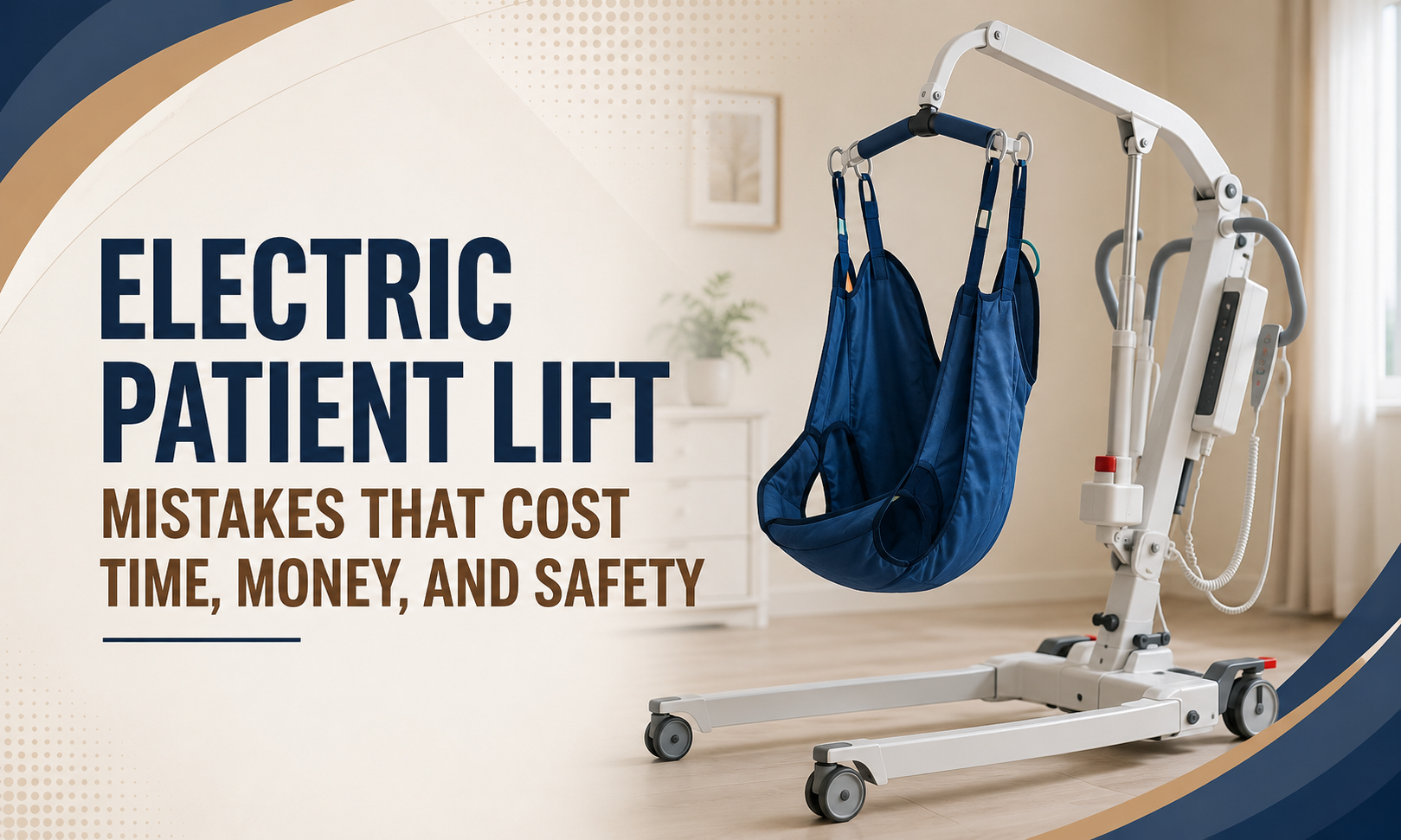
According to the CDC and NIA, mobility limitations affect millions of older adults in the United States. For families, caregivers, and healthcare facilities, selecting the right electric patient lift is an important decision. Whether the goal is assisting with daily transfers, supporting mobility challenges, or reducing caregiver strain may help make daily transfers more manageable.
However, many buyers focus only on the price tag or lifting capacity and overlook other critical factors. The result can be equipment that doesn't fit the user's needs, doesn't work well within the home environment, or requires additional purchases later.
Understanding the most common mistakes before investing in an electric patient lift can help you make a more informed purchasing decision and avoid unnecessary expenses.
Medical Compliance Notice: This article is intended for educational purposes only. Medicaleshop is a supplier of medical equipment and rehabilitation products. We do not provide medical advice, diagnosis, treatment recommendations, or clinical services. Equipment selection should always be discussed with qualified healthcare professionals, therapists, or caregivers familiar with the user's individual needs.
Every home environment and user need is different, but the following mistakes are among the most common. The most common mistakes include:
These factors can affect usability, comfort, and long-term value.
Electric patient lifts are commonly used to assist with patient transfers between the following:
The right lift can help support smoother transfers while reducing physical strain for caregivers.
Because every user has unique mobility needs, selecting the appropriate lift often requires more than simply comparing product specifications.
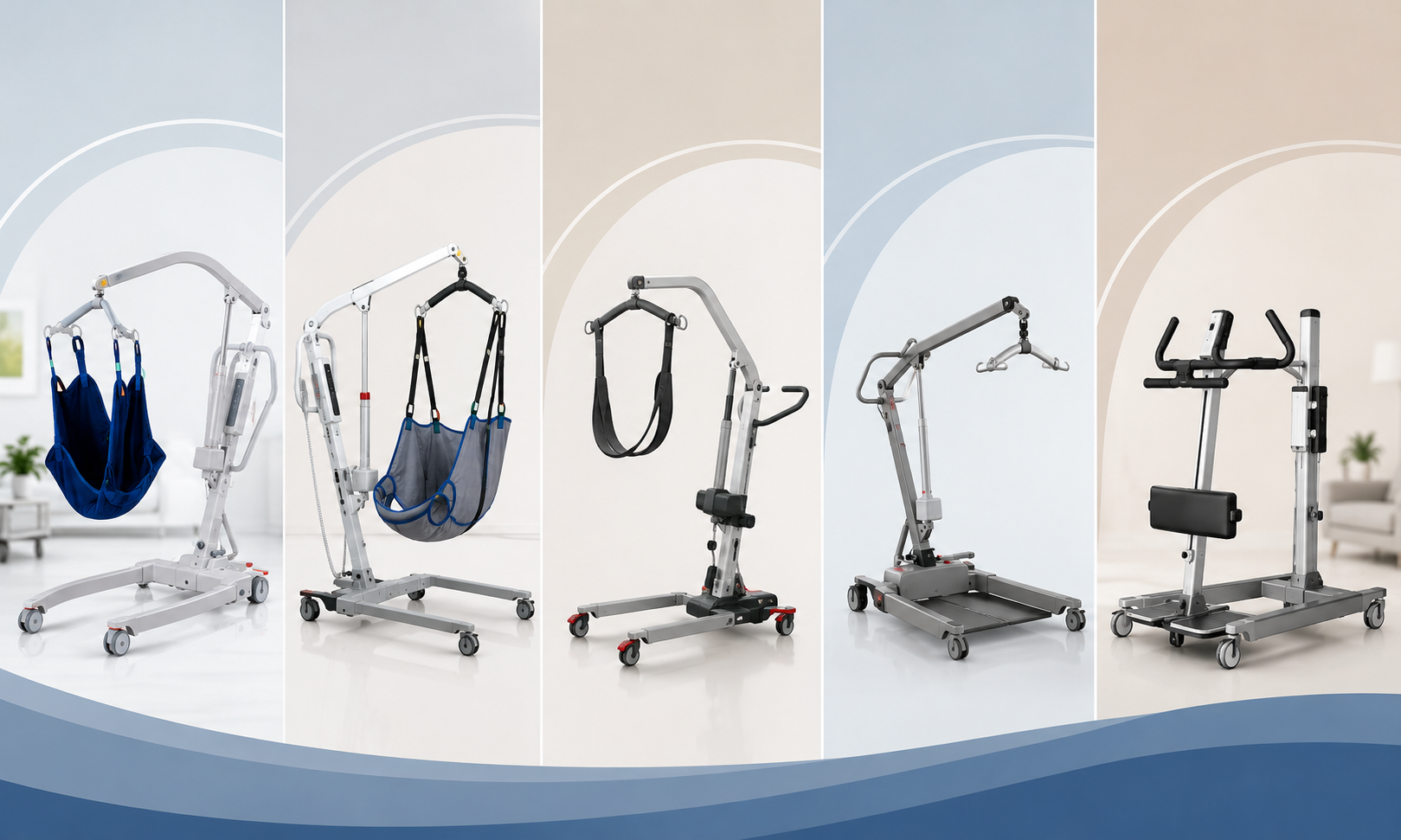
Understanding these differences can help narrow your options before making a purchase.
| Lift Type | Best Suited For | Key Consideration |
| Electric Patient Lift | Full-body transfer assistance | Requires compatible sling |
| Electric Hoyer Lift | General transfer needs | Various lifting capacities available |
| Portable Electric Patient Lift | Travel and flexible use | Easier transport and storage |
| Patient Floor Lift | Lifting from lower positions | Floor clearance requirements |
| Power Sit-to-Stand Lift | Partial weight-bearing users | Requires some user participatio |
Cost is often one of the first considerations when shopping for an electric patient lift. However, the least expensive option may not always provide the best long-term value.
A lift that doesn't meet transfer needs may eventually require replacement, additional accessories, or a different sling system.
Instead of focusing solely on price, consider:
A well-matched lift can often provide greater convenience and usability over time. The lowest-priced option may not always include the accessories or features needed for long-term use.
One of the most common purchasing mistakes involves overlooking sling compatibility.
Not all Hoyer lift slings are designed to work with every lift system. They are available in various styles designed for different transfer needs. Using an incompatible sling may affect lift performance and user safety.
Before purchasing, confirm using manufacturer documentation
| Question | Why It Matters |
| Is the sling compatible with the lift? | Helps ensure proper operation |
| Is the weight capacity appropriate? | Supports safe equipment use |
| Is the sling designed for the intended transfer? | Different transfers may require different sling styles |
| Does the manufacturer provide compatibility guidance? | Helps simplify product selection |
Medical Compliance Note: Product compatibility should always be confirmed using manufacturer documentation and healthcare provider guidance.
Many buyers assume all electric patient lifts perform the same function.
In reality, different lift designs are intended for different transfer scenarios.
When a Full-Body Lift May Be More Appropriate
Full-body electric patient lifts are commonly used when individuals require substantial transfer assistance.
When a Power Sit-to-Stand Lift May Be Considered
Power sit-to-stand lifts are often used for individuals who can participate in portions of the transfer process and have some weight-bearing ability.
When a Portable Electric Patient Lift Makes Sense
Portable lifts may be beneficial in environments where transport, storage, or travel flexibility is important.
Selecting the wrong category can affect usability and caregiver convenience.
One of the most overlooked factors in lift selection is home accessibility.
A lift that works perfectly on paper may be difficult to maneuver through:
Before Purchasing, Measure:
| Area | Why Measure It |
| Doorway Width | Ensures lift clearance |
| Bed Height | Helps assess transfer setup |
| Chair Dimensions | Supports positioning considerations |
| Bathroom Space | Helps evaluate maneuverability |
A few measurements can help prevent costly purchasing mistakes.
Weight capacity is one of the most important specifications when comparing lifts.
Every electric patient lift has manufacturer-specified weight limits.
Choosing equipment without verifying these specifications can create future limitations.
Instead of only considering current needs, some families also evaluate anticipated long-term requirements when comparing models.
A lift that works for the user must also work for the caregiver.
Questions worth considering include:
Ease of operation often plays a major role in day-to-day satisfaction.
Mobility needs can change over time.
A lift that meets today's requirements may not always meet future needs.
When evaluating equipment, consider:
Planning ahead can help maximize the value of the investment.
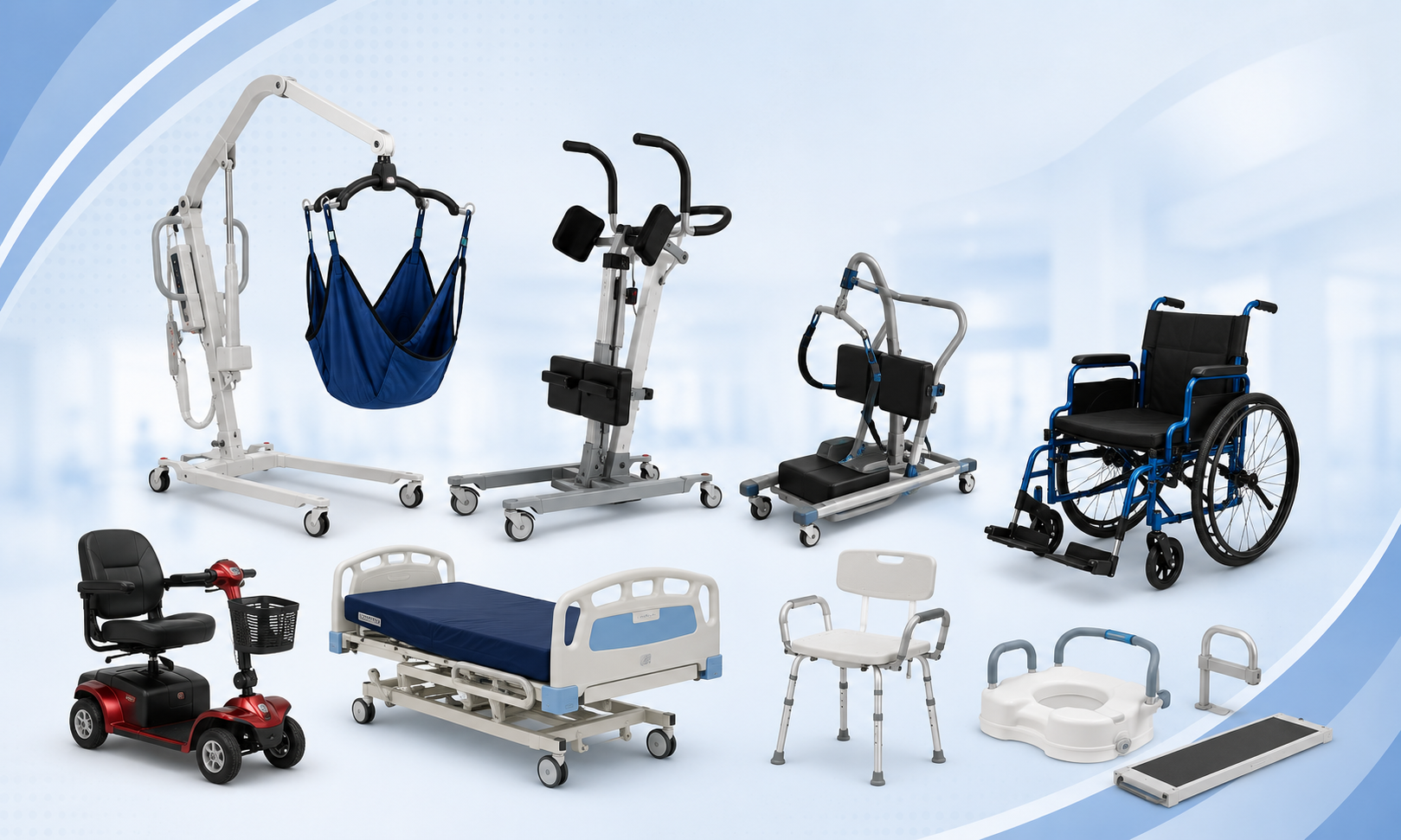
Selecting the right lift becomes easier when you have access to a broad range of mobility and transfer solutions.
Medicaleshop offers patient lift products from recognized manufacturers across multiple categories, including:
Designed to assist with full-body patient transfers in home care and healthcare environments.
Suitable for individuals who can participate in portions of the transfer process.
Designed for easier transportation and storage where flexibility is important.
Engineered to assist with transfers from lower positions when appropriate.
Including a variety of sling options designed for different transfer requirements and user needs.
In addition to patient lifts, Medicaleshop also offers:
Medical Compliance Notice: Medicaleshop is a dealer and supplier of medical equipment. We do not provide medical advice or recommend specific equipment for individual medical conditions. Product selection should be based on healthcare provider recommendations and manufacturer guidance.
Before purchasing, consider the following checklist:
Electric Patient Lift Buying Checklist
This simple checklist can help narrow your options and support a more informed purchasing decision.
Choosing an electric patient lift is about more than selecting a piece of equipment - it's about finding a solution that supports comfortable patient transfers, caregiver convenience, and long-term usability.
By avoiding common mistakes such as overlooking sling compatibility, ignoring home measurements, or selecting the wrong lift type, buyers can make more informed decisions and better align equipment with their mobility and transfer needs.
At Medicaleshop, we offer a wide selection of electric patient lifts, power sit-to-stand lifts, patient floor lifts, portable lifting solutions, and lift accessories from trusted manufacturers. Whether you're exploring options for home care, rehabilitation, or caregiver support, our products from recognized mobility equipment manufacturers can help you find equipment that fits your unique requirements.
Explore Medicaleshop's patient lift collection to compare features, capacities, and transfer solutions that align with your mobility needs.
Medical Disclaimer: This article is provided for educational purposes only and should not be considered medical advice. Always consult qualified healthcare professionals regarding equipment selection, transfer techniques, and individual mobility needs.
To support accuracy and trustworthiness, this article was developed using educational resources and product information from reputable healthcare and mobility organizations, including:
Frequently Asked Questions
Ans. An electric patient lift is a powered mobility aid designed to assist caregivers with patient transfers between beds, wheelchairs, recliners, and other locations.
Ans. "Hoyer lift" is often used as a general term for patient lifts, while electric patient lift refers to the broader category of powered lifting equipment.
Ans. Sling selection depends on factors such as lift compatibility, transfer requirements, weight capacity, and manufacturer recommendations
Ans. A power sit-to-stand lift is commonly used for individuals who can participate in part of the transfer process and have some weight-bearing ability.
Ans. Many portable electric patient lifts are designed for home environments where storage, transportation, or maneuverability is important.
Ans. Weight capacities vary by manufacturer and model. Always review product specifications before purchasing.
Ans. Performance may vary depending on carpet thickness, flooring conditions, and lift design. Manufacturer guidance should always be reviewed.
Ans. Many full-body patient lifts require compatible slings, although requirements vary by product type and manufacturer.
Ans. Common measurements include doorway widths, room clearances, bed height, chair dimensions, and transfer spaces.
Ans. Patient floor lifts are designed to assist with lifting from lower positions and may include features that differ from standard transfer lifts.
.avif&w=3840&q=75)
.avif&w=3840&q=75)