Living with a stoma becomes easier when you have the right ostomy supplies readily available. Whether you're new to an ostomy or have been managing one for years, having a well-stocked ostomy checklist can help simplify pouch changes, protect your skin, and support everyday comfort. This guide covers 15 essential ostomy supplies, explains the purpose of each item, and offers practical tips for staying organized at home and while traveling. You'll also discover trusted ostomy products available at Medicaleshop to help support your daily routine. This article is intended for educational purposes only.
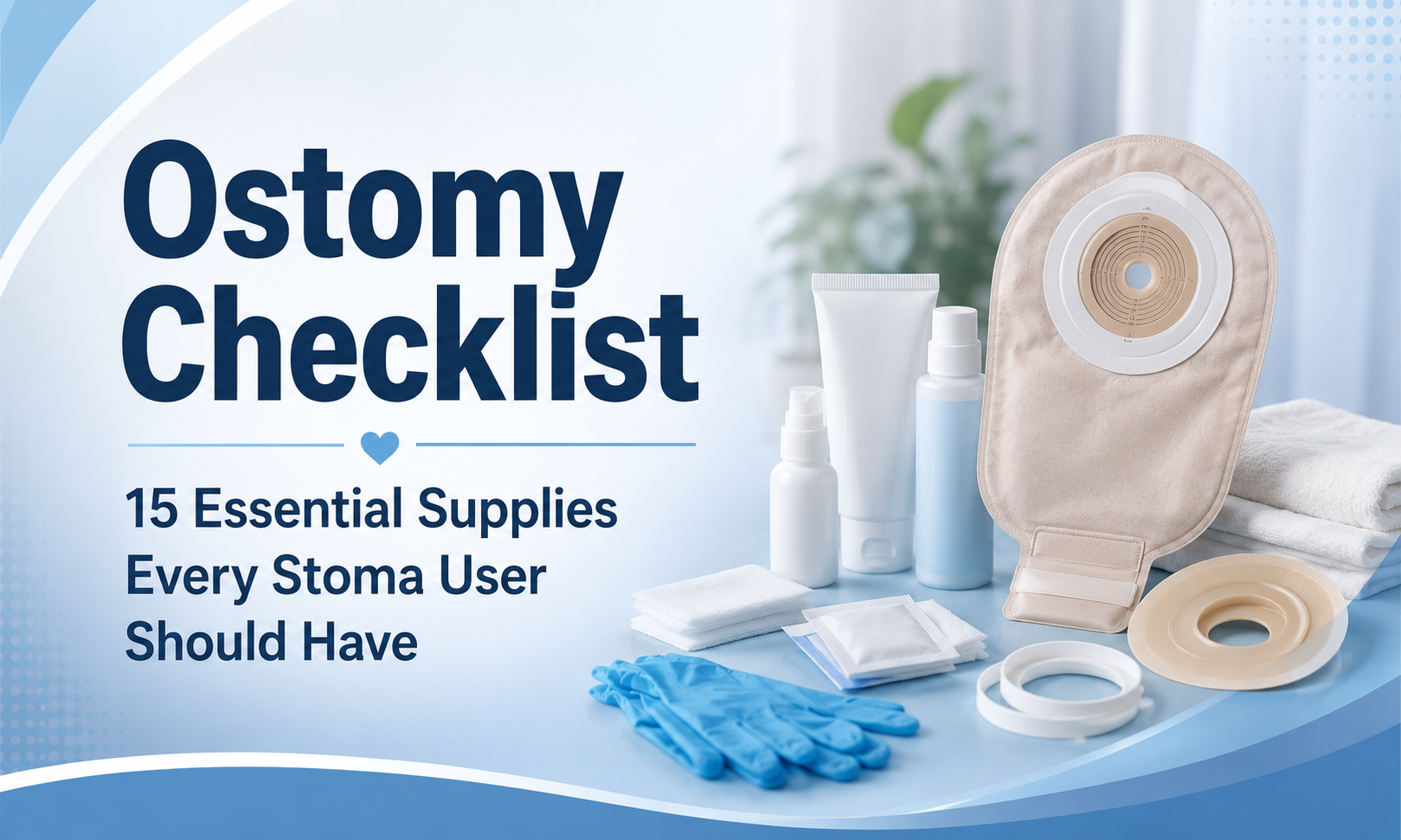
According to the United Ostomy Associations of America (UOAA), hundreds of thousands of Americans live with an ostomy, making access to reliable supplies an important part of daily care. Whether you're adjusting to life after ostomy surgery or helping care for a loved one with a stoma, keeping the right supplies nearby can make everyday ostomy care more manageable. From routine pouch changes to protecting the skin around the stoma, each product in your ostomy kit serves a specific purpose.
Being prepared doesn't just make daily routines more convenient—it can also help reduce unnecessary stress when you're at home, traveling, or away from your usual supplies.
This checklist highlights 15 commonly used ostomy supplies that many individuals and caregivers include in their daily care routine. Understanding what each product is used for can help you build a well-organized ostomy care kit based on your healthcare provider's recommendations and personal needs.
Medical Compliance Notice: This article is intended for educational purposes only. Medicaleshop is a U.S.-based dealer and supplier of home medical equipment and rehabilitation products. We do not provide medical advice, diagnosis, treatment, or individualized healthcare recommendations. Always consult your healthcare provider regarding your ostomy care routine and product selection.
An ostomy care routine often involves more than simply changing a pouch. Having the right supplies available can help make routine pouch changes more organized and efficient while reducing the inconvenience of running out of essential products.
A checklist can also be especially useful for:
Rather than searching for products when they're needed most, keeping a stocked ostomy kit allows you to stay prepared for everyday situations.
| Essential Supply | Primary Purpose |
| Ostomy Pouches | Collect stoma output |
| Ostomy Barrier Ring | Improve pouch fit and help create a seal |
| Ostomy Barrier Paste | Fill uneven skin surfaces around the stoma |
| Adhesive Remover | Assist with gentle pouch removal |
| Protective Powder | Help manage moisture on peristomal skin |
| Ostomy Pouch Deodorizer | Help reduce odor inside the pouch |
| Gauze Sponges | Support gentle cleaning around the stoma |
| Gloves | Promote hygienic pouch changes |
| Underpads | Help protect bedding and furniture |
| Adult Wipes | Clean the skin around the stoma |
| Disposable Washcloths | Convenient cleansing option |
| Soft Paper Towels | Dry the skin before applying a new pouch |
| Lubricant | Help pouch contents move more freely |
| Support Belt | Provide additional pouch support for some users |
| Laundry Detergent | Help clean clothing and reusable fabrics after accidental leaks |
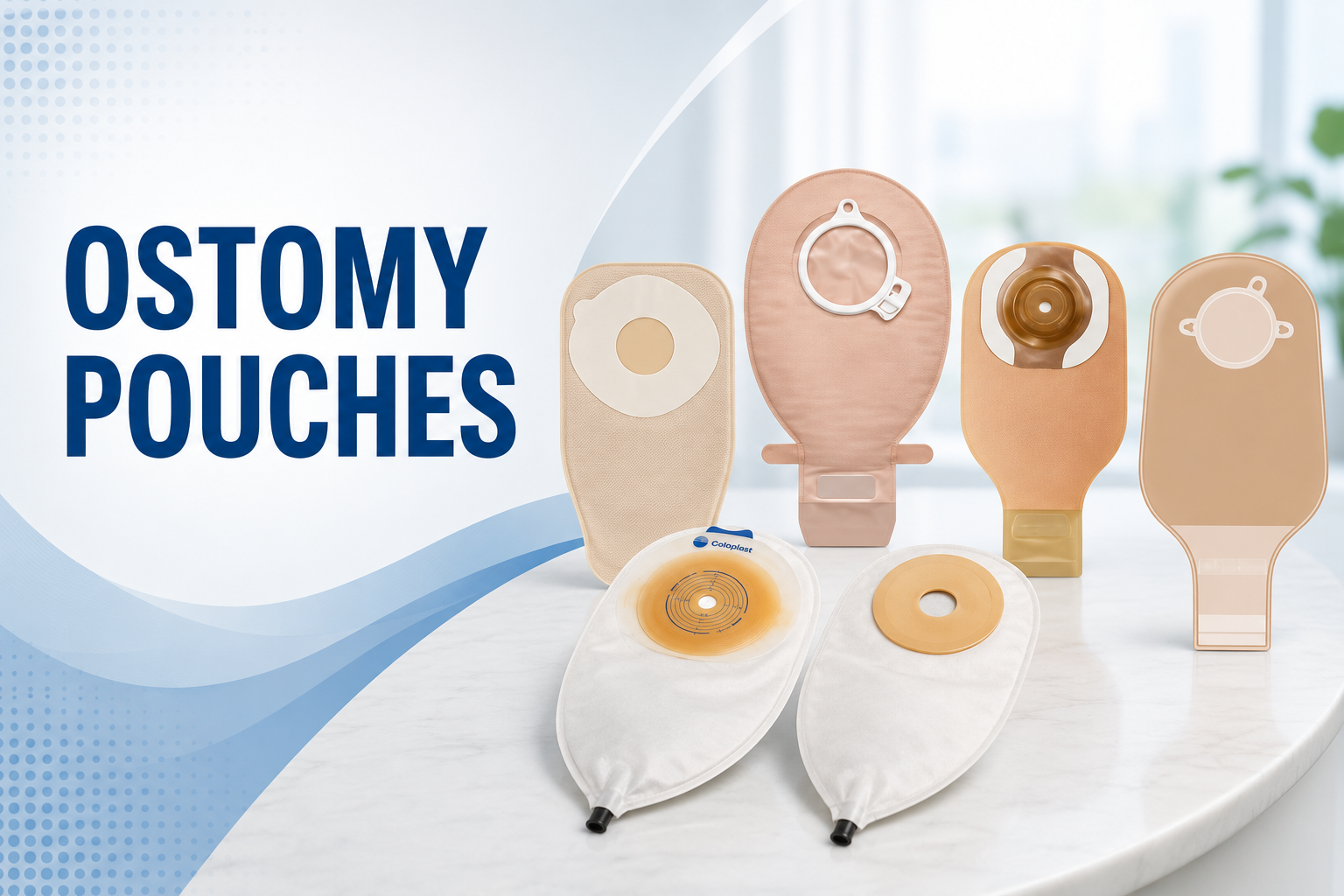
An ostomy pouch is the primary component of an ostomy system. It collects stool or urine after waste leaves the body through the stoma. Depending on individual needs and healthcare provider recommendations, pouching systems may be available in one-piece or two-piece designs.
When selecting an ostomy pouch, factors such as lifestyle, stoma type, wear time, and personal preference may influence the choice of system.
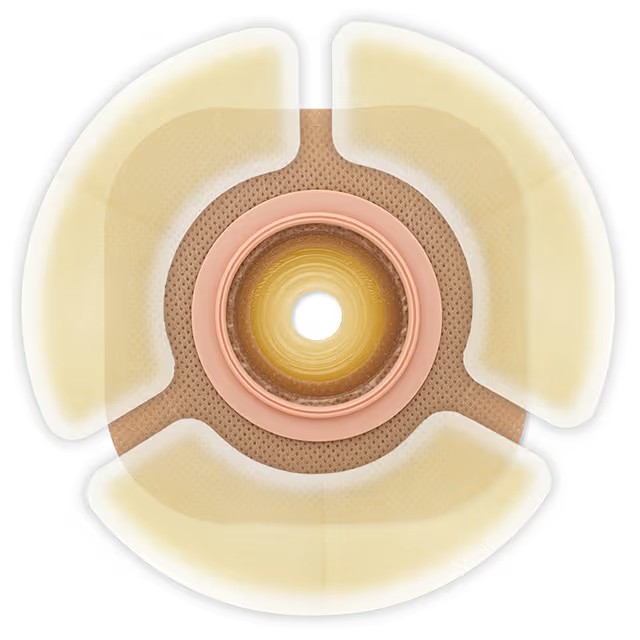
An ostomy barrier ring is designed to help create a more customized fit between the skin barrier and the stoma. These flexible rings can help fill uneven skin contours and support a secure seal around the pouching system.
Many individuals use barrier rings as part of their regular pouch-changing routine to improve comfort and confidence.
Tip: Barrier rings come in different sizes and formulations. Product selection should always follow manufacturer instructions and healthcare provider recommendations.
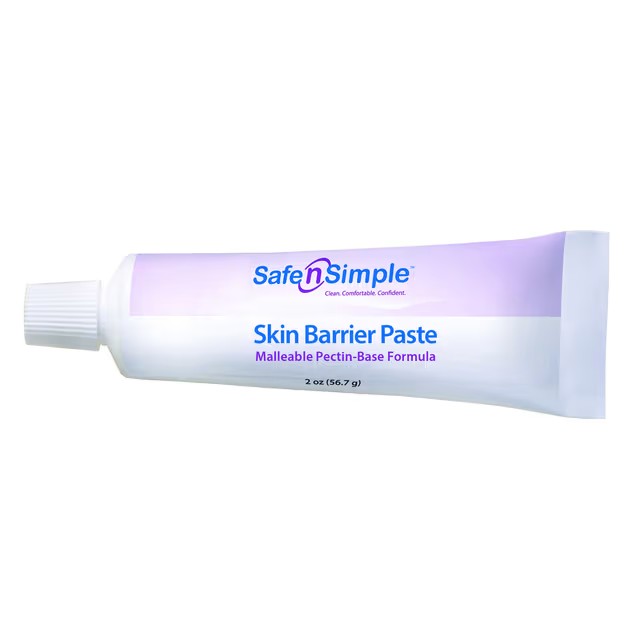
Although called a "paste," this product is not an adhesive. Instead, ostomy barrier paste is commonly used to fill small skin folds or uneven areas around the stoma, helping create a smoother surface for the skin barrier.
Using barrier paste appropriately may help improve the fit of the pouching system.
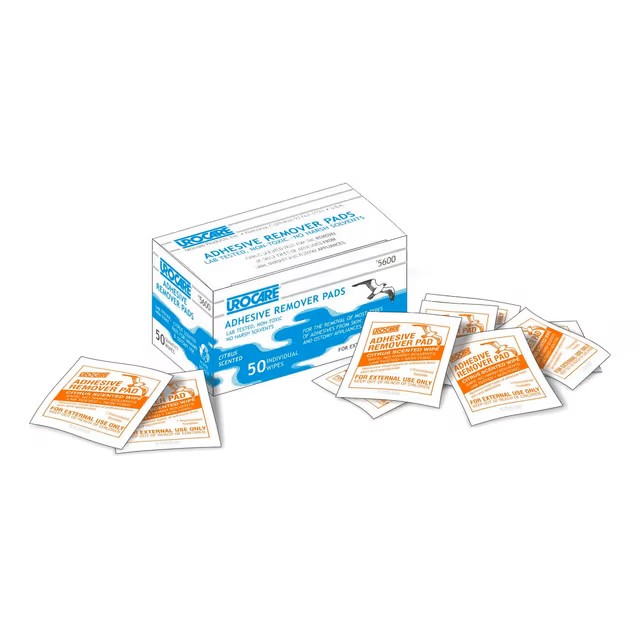
Removing an ostomy pouch without the proper product can sometimes be uncomfortable, particularly for individuals with sensitive skin.
An adhesive remover is designed to help loosen the adhesive from the skin, making pouch removal gentler while minimizing unnecessary pulling. Adhesive remover sprays and wipes are among the most commonly used options.
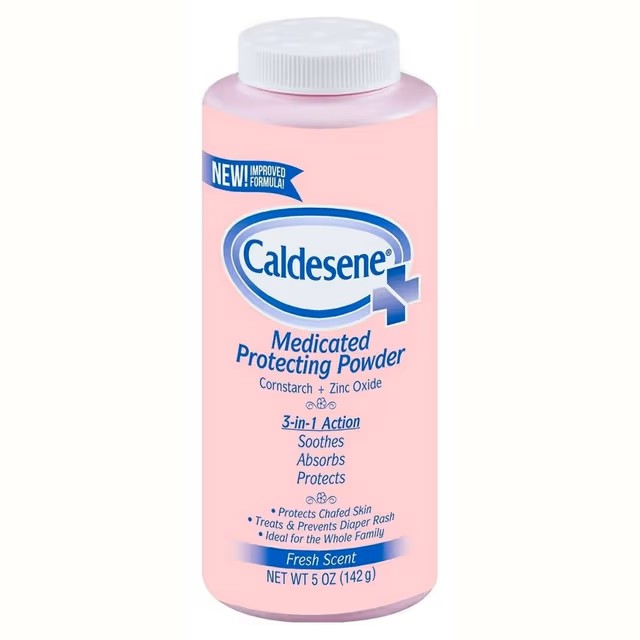
Healthy peristomal skin plays an important role in maintaining a secure pouching system.
Protective powder is commonly used when moisture is present around the stoma, helping prepare the skin before applying the barrier according to healthcare provider instructions and manufacturer guidance.
Because every individual's skin is different, product suitability may vary.
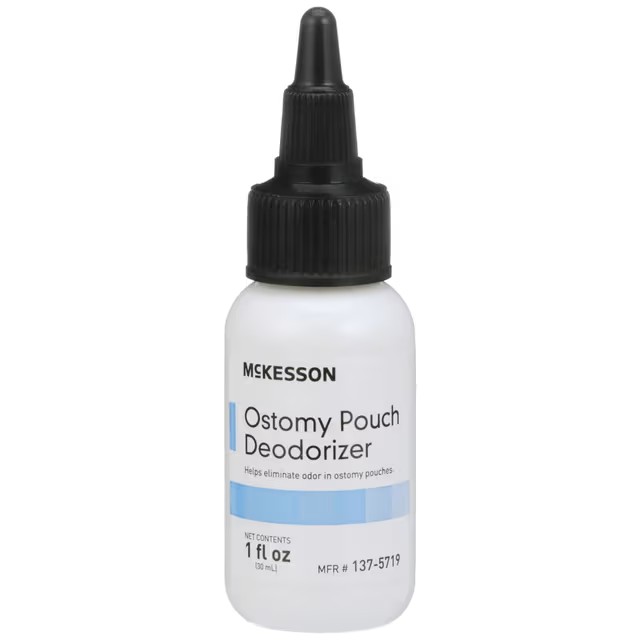
Many people worry about odor after ostomy surgery. While modern pouching systems are designed to help contain odor when properly sealed, an ostomy odor eliminators may provide additional odor control inside the pouch.
Available as drops or liquids, these products are designed to be placed inside the pouch rather than applied directly to the skin.
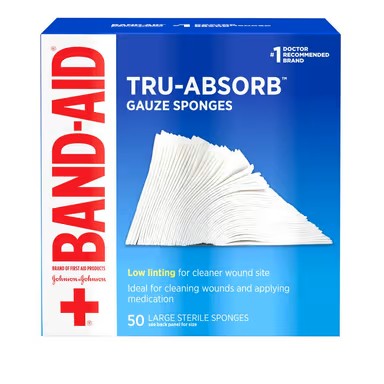
Gauze sponges are frequently included in ostomy care kits because they can be used during routine cleaning around the stoma. Their soft texture makes them suitable for gently wiping the skin before applying a new pouching system.
Depending on personal preference and healthcare provider recommendations, sterile or non-sterile gauze may be used for routine care.
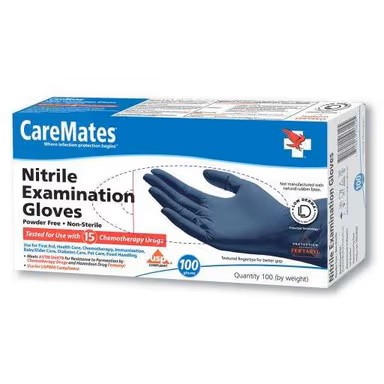
Disposable gloves help support hygiene during pouch changes and cleanup. While not every individual chooses to wear gloves during routine ostomy care, many caregivers and healthcare settings include them as part of standard hygiene practices.
Using clean supplies and practicing good hand hygiene remain important parts of everyday ostomy care.
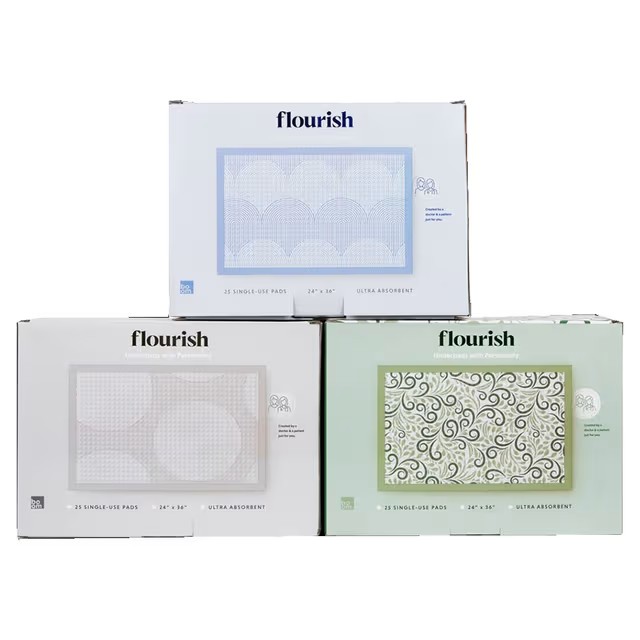
Whether you're changing an ostomy pouch at home or away from home, underpads can help protect beds, chairs, wheelchairs, and other surfaces from accidental spills during pouch changes. Disposable or reusable options are available, making them a practical addition to any ostomy care kit.
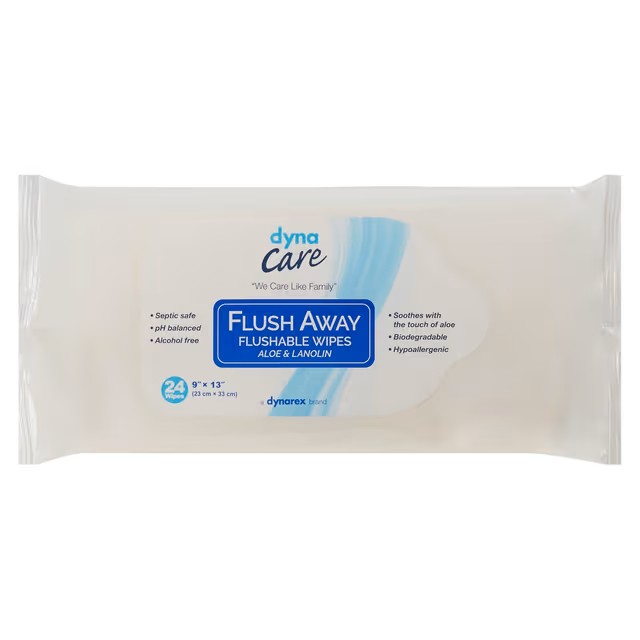
Adult wipes provide a convenient way to cleanse the skin during routine ostomy care or while traveling. Many individuals prefer fragrance-free and alcohol-free wipes to help minimize skin irritation.
Always allow the skin to dry completely before applying a new ostomy appliance or skin barrier.
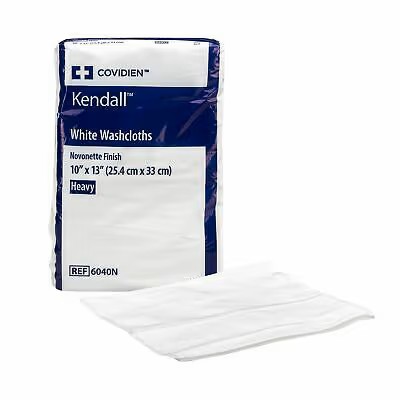
Disposable washcloths are another convenient option for maintaining cleanliness around the stoma. They can be especially useful when traveling, during hospital stays, or whenever access to running water is limited.
Using clean supplies during pouch changes can help support a more comfortable ostomy care routine.

After cleansing the skin, soft paper towels can be used to gently pat the area dry before applying a new skin barrier or ostomy pouch. Dry skin often helps ostomy barriers adhere more effectively than damp skin.
Avoid rubbing the skin vigorously, as this may cause unnecessary irritation.
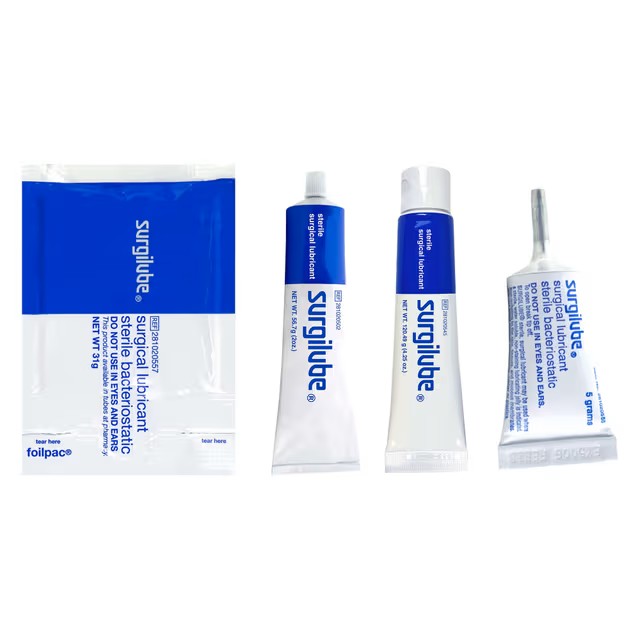
An ostomy pouch lubricant is designed to help pouch contents move more freely toward the bottom of the pouch. This may make emptying the pouch easier for some individuals and help reduce residue inside the pouch.
Use only lubricants intended for ostomy pouching systems and follow the manufacturer's instructions for use.
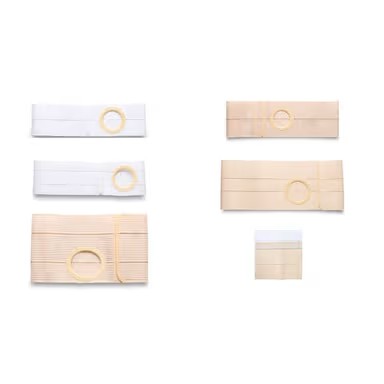
An ostomy support belt is designed to provide additional support for certain pouching systems during everyday activities. Some individuals find support belts helpful during walking, light exercise, or extended periods of movement.
Not every pouching system requires a support belt, so product selection should be based on compatibility and healthcare provider recommendations.

Leaks can occasionally happen, making laundry detergent a useful item to keep on hand. A detergent suitable for removing stains and odors from clothing, towels, or reusable underpads can help simplify cleanup after accidental leakage.
While it may not be considered a traditional ostomy supply, many caregivers include it as part of their household ostomy checklist.
Keeping your supplies organized can make daily ostomy care more convenient and help ensure that essential items are always within reach.
Here are a few practical tips:
A little planning can go a long way toward making ostomy management more organized and less stressful.
Even with the right products, a few simple oversights can make daily care less convenient.
Some common mistakes include:
Creating a personalized checklist and reviewing it regularly can help ensure you're prepared for everyday ostomy care.
Living with a stoma often becomes easier when you're equipped with the right supplies and a well-organized routine. From ostomy pouches and barrier rings to adhesive removers, protective powders, and support belts, each item on your checklist serves a unique purpose in helping simplify daily ostomy care.
Every individual's needs are different, so your checklist may change over time based on your lifestyle, ostomy type, and healthcare provider's recommendations. Reviewing your supplies regularly and replacing items before they run out can help you stay prepared for both everyday routines and unexpected situations.
Building a complete ostomy checklist isn't about purchasing every available accessory—it's about having the supplies that fit your individual routine and help you feel prepared each day. Whether you're managing a new ostomy or simply restocking essentials, choosing quality products from trusted manufacturers can make everyday care more convenient.
If you're looking for ostomy supplies from trusted manufacturers, Medicaleshop offers a wide selection to help support your routine.
Medical Disclaimer: This article is provided for educational purposes only and should not be considered medical advice. Always consult your physician, ostomy nurse, or other qualified healthcare professional regarding your individual care needs and product suitability.
This article was developed using educational information from reputable healthcare organizations and ostomy care resources, including:
Frequently Asked Questions
Ans. Many individuals use ostomy pouches, barrier rings, barrier paste, adhesive removers, protective powders, gauze, gloves, deodorizer, and other accessories as part of their daily ostomy care routine. The exact supplies vary depending on individual needs and healthcare provider recommendations.
Ans. A travel kit typically includes extra ostomy pouches, skin barriers, barrier rings, adhesive remover, wipes, disposable bags, gauze, gloves, and any other supplies needed for routine pouch changes while away from home.
Ans. Replacement schedules vary depending on the type of ostomy system, product manufacturer, and recommendations from your healthcare provider. Always follow the instructions provided with your ostomy products.
Ans. Barrier rings are commonly used to help create a better fit between the skin barrier and the stoma by filling uneven skin contours and supporting a secure seal.
Ans. Some individuals choose to use adhesive remover during each pouch change to help loosen the adhesive gently, while others may use it only when needed. Product use depends on personal preference and healthcare provider guidance.
Ans. An ostomy pouch deodorizer is designed to help reduce odor inside the pouch, providing additional confidence during daily activities.
Ans. Yes. Many individuals who have a stoma travel successfully by packing enough supplies, organizing a travel kit, and carrying extra products in case of unexpected situations.
Ans. Medical supply providers such as Medicaleshop offer a variety of ostomy products, including pouches, barrier rings, adhesives, skin protection products, and other accessories from trusted manufacturers.
Ans. Keeping supplies together in a clean, dry storage area, checking inventory regularly, and maintaining a travel kit can help simplify everyday ostomy care.
Ans. No. The supplies needed may vary based on the type of ostomy, lifestyle, product preferences, and recommendations from your healthcare provider.
.avif&w=3840&q=75)
.avif&w=3840&q=75)