A well-stocked first-aid kit can help caregivers respond more confidently to everyday health situations at home. This guide covers 10 essential first-aid supplies, safety tips, storage advice, and practical recommendations for safer caregiving support.
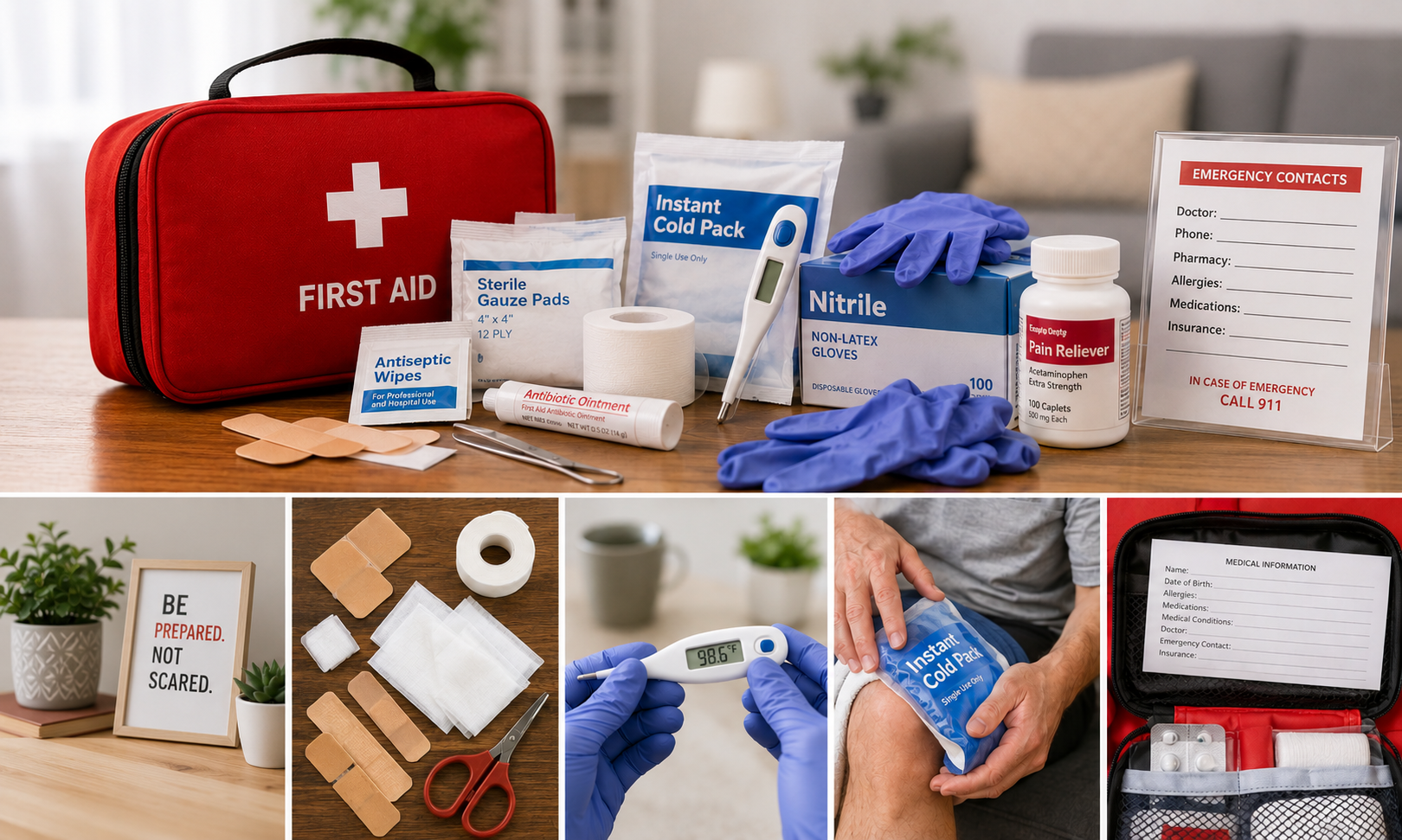
Caregivers often handle everyday health situations at home, from minor cuts to fever monitoring. Having a well-stocked home first aid kit can improve preparedness while waiting for professional medical care.
This guide covers the top 10 first aid kit items every caregiver may consider keeping at home, along with safety tips, storage advice, and answers to common questions people search for online
Medical Disclaimer: This content is for informational purposes. Medicaleshop does not provide medical advice, diagnosis, or treatment. Products mentioned may not be appropriate for every individual or medical condition. Always consult a qualified healthcare professional regarding medical concerns or before using new healthcare products.
A basic first aid kit for caregivers may include:
| Essential Item | Purpose |
| Assorted bandages | Cover minor cuts and scrapes |
| Sterile gauze pads | Help absorb blood and protect wounds |
| Medical tape | Secure dressings and gauze |
| Antiseptic wipes | Clean skin around minor wounds |
| Antibiotic ointment | May help reduce infection risk |
| Disposable non latex gloves | Help maintain hygiene during care |
| Instant cold packs | May help reduce swelling |
| Oral thermometer | Monitor body temperature |
| Over-the-counter pain relievers | Temporary relief for mild discomfort |
| Emergency contact & medical information | Quick access during urgent situations |
Important: A home medical kit is not a substitute for emergency medical care. Severe injuries, allergic reactions, chest pain, breathing difficulty, or uncontrolled bleeding require immediate professional attention or emergency services.
When caring for an older adult, an individual recuperating from surgery, or any other family member who needs help moving around, access to an appropriate range of first aid kit supplies may be useful in speeding up action during incidents at home.
A caregiver’s medical kit may support:
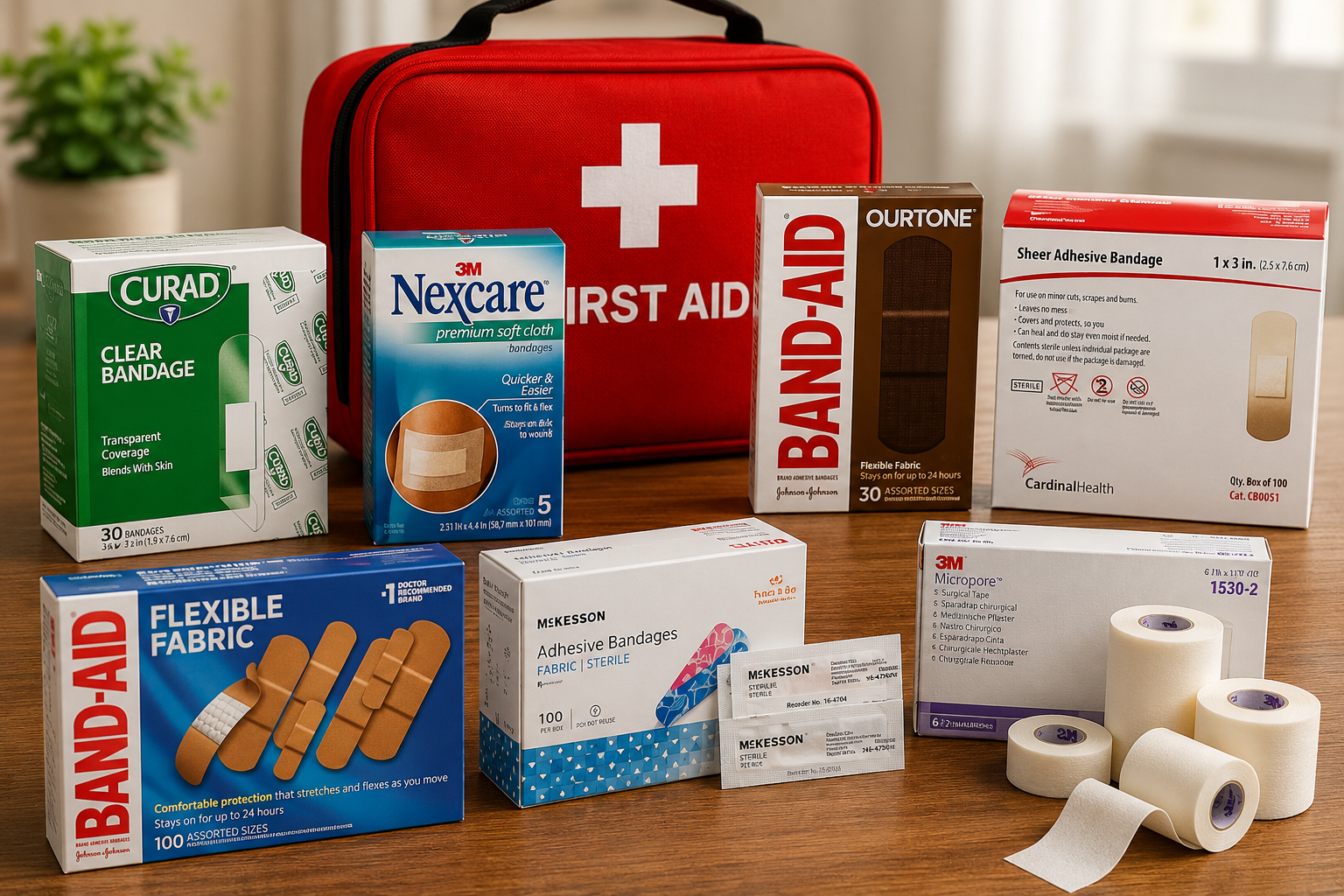
Bandages are among the most commonly used first aid supplies for everyday cuts, scrapes, and blisters.From small cuts in the kitchen to blisters caused by mobility aids or footwear, having a variety of bandage types available may help caregivers respond quickly to everyday injuries at home
Best Uses of Assorted Bandages
What to Include in Your First Aid Kit
Caregiver Tip: Older adults may have fragile skin. Consider gentle adhesive options that may reduce skin irritation during removal.
Sterile gauze pads form an integral component of the supplies of any caregiver when it comes to providing aid to an injured person because they can be used to absorb blood and help shield the injury from any foreign substances. Since caregivers usually provide aid for issues such as post-surgical dressing, pressure-sensitive skin, minor bleeding, and draining of wounds, Including multiple sizes of gauze pads in a medical kit may help caregivers handle different wound care needs more effectively at home
Recommended Sizes
| Size | Common Use |
| 2x2 inch | Small wounds |
| 4x4 inch | Moderate coverage |
| Non-stick pads | Sensitive skin |
Important : Always wash hands and wear clean gloves before handling open wounds.
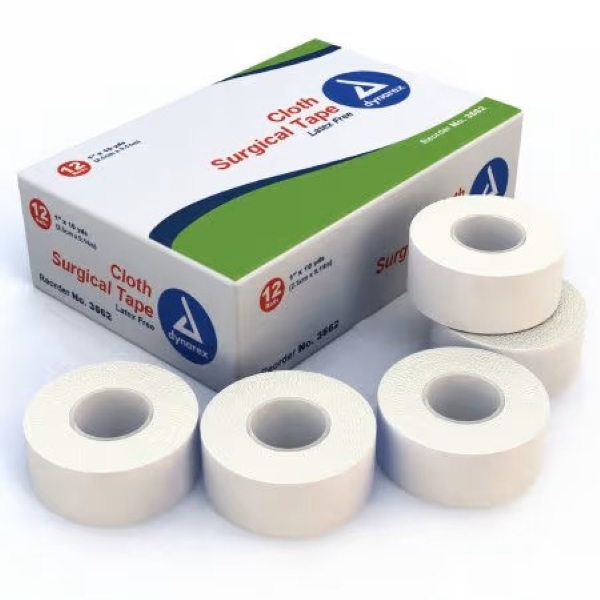
Medical tape helps secure gauze and dressings in place.
Common Types
Caregiver Considerations : Some adhesives may irritate delicate or aging skin. Hypoallergenic varieties may be preferred for long-term use.
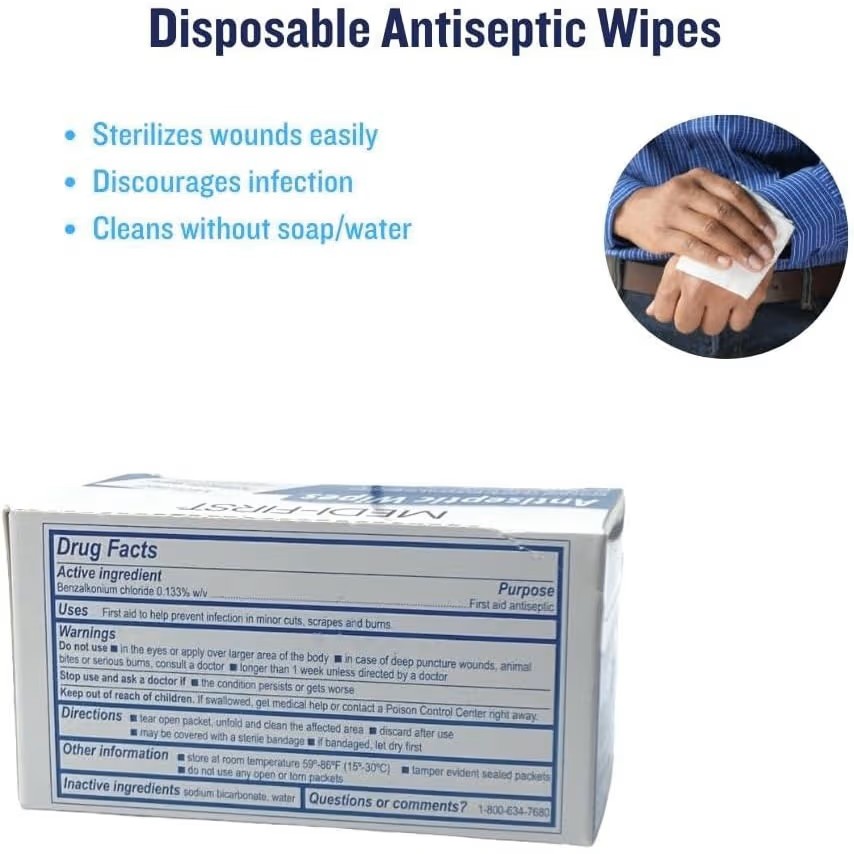
Antiseptic wipes would make an effective inclusion in the first aid kit since they might assist in cleaning the skin surrounding wounds before putting on a bandage. Antiseptic wipes are portable and come in individually wrapped packages that make it c, especially for travel, caregiver bags, or emergency situations outside the home. These wipes could be beneficial in ensuring that there is no contact with dirt in case of wound treatment.
Important Caution : Some antiseptic products may sting or dry sensitive skin. Avoid using on deep wounds unless directed by a healthcare professional.
An ointment designed for minor cuts may provide the benefit of keeping skin moist and may help protect minor wounds from external contaminants.. It would be useful to have an antibiotic or first aid ointment in one’s medical kit for handling everyday skin injuries and supporting basic wound care at home. This cream is commonly used on minor cuts, abrasions, and cracks in the skin, particularly among people with dry skin who may need more skin protection while recovering from their injury.
Caregiver Reminder : Some individuals may experience allergic reactions to topical antibiotics. Discontinue use and seek medical guidance if redness or swelling worsens.
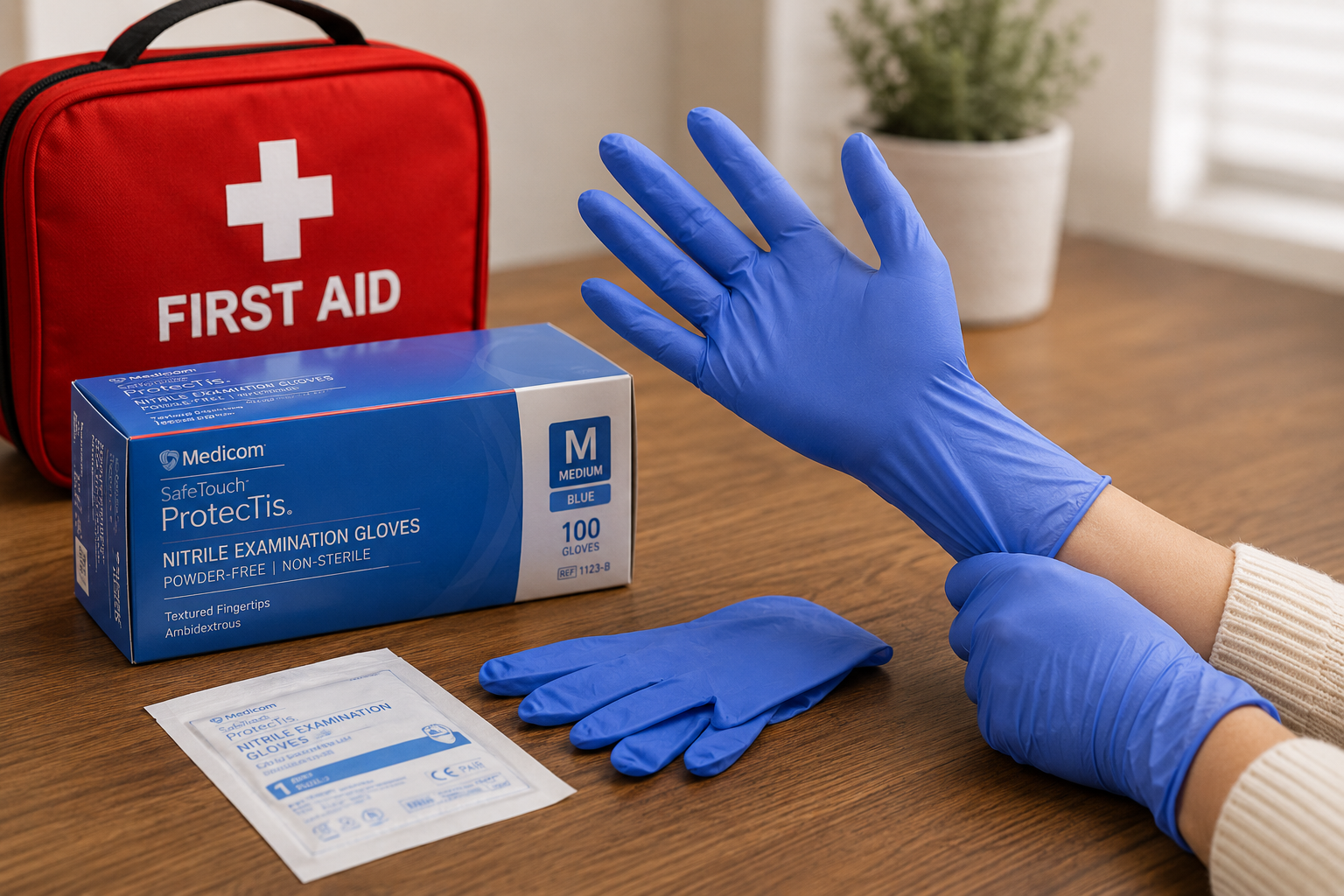
Disposable non latex gloves may help reduce exposure to bodily fluids and contaminants.
Non-latex gloves may help reduce allergy concerns for both caregivers and patients.
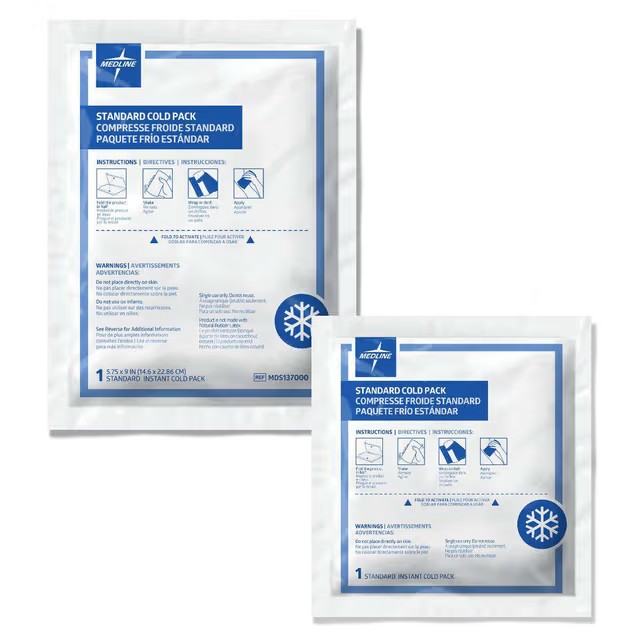
Instant cold packs may help temporarily reduce swelling and discomfort after minor injuries. It is helpful for bruises, sprains, minor bumps and swelling.
Usage Warning: Do not place cold packs directly on bare skin. Wrap in cloth to help avoid skin irritation.
An oral thermometer may help caregivers monitor fever and track temperature changes at home. Many digital thermometers feature an easy-to-read display that may improve visibility during temperature checks. Fast response times may allow caregivers to get quick readings, which can be especially helpful when monitoring children, older adults, or individuals recovering from illness. Some models also include a memory recall feature that may help track temperature trends over time and provide useful information during medical consultations. When to Seek Medical Care
Important : Persistent fever, confusion, or breathing difficulty may require prompt medical evaluation.
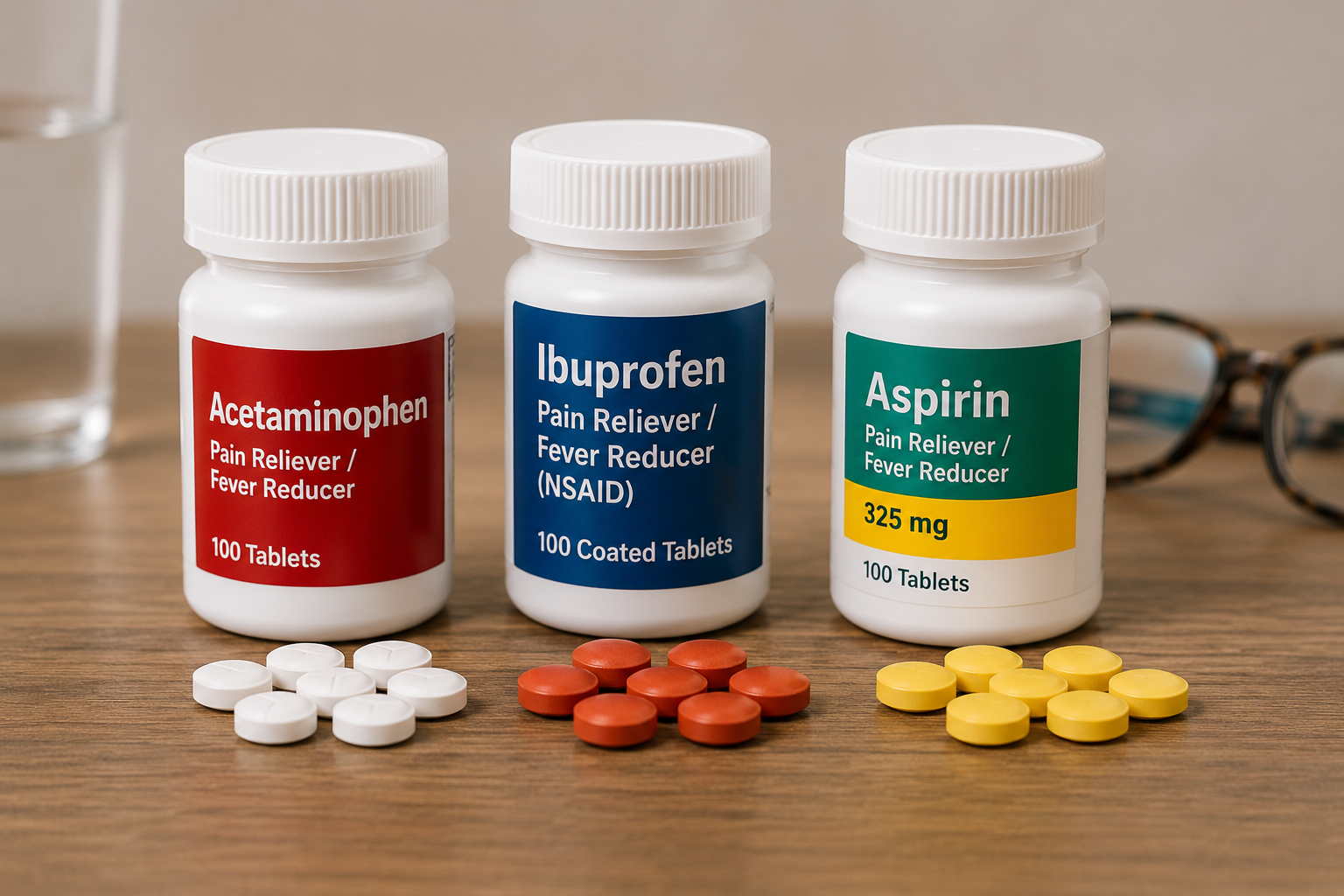
Over-the-counter pain relievers may help temporarily manage mild pain or fever.
Common Options
Important Safety Information
Medical disclaimer : Not all OTC pain relievers are appropriate for every age group or medical condition.Consult a healthcare professional before introducing new medications, especially for individuals with chronic conditions, kidney disease, bleeding disorders, or anticoagulant use.
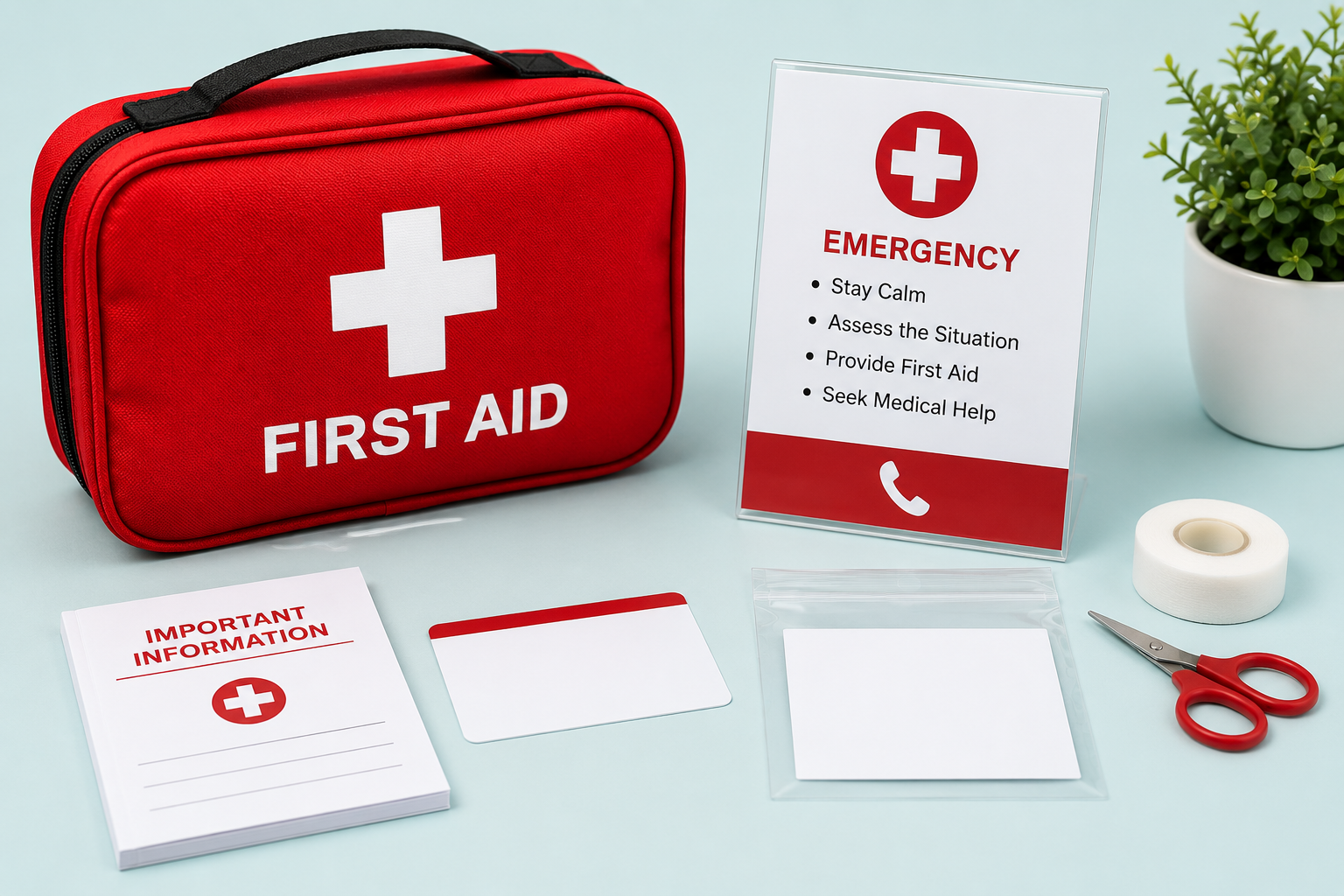
Another element that is often ignored in a first aid kit at home is the presence of updated medical information. Having the necessary information easily accessible could enable caregivers to act quickly in emergency cases. The medical information that the caregiver should have access to includes emergency numbers, information about allergies, medications taken by the patient, physician contacts, insurance information, and medical conditions. As a practical step, consider storing a printed copy of this information inside the first aid kit while also maintaining a secure digital backup for easy access when needed.
| Category | Essential Supplies |
| Wound Care | Bandages, gauze, medical tape |
| Hygiene | Gloves, antiseptic wipes |
| Monitoring | Thermometer |
| Comfort Care | Cold packs, pain relievers |
| Skin Care | Hydrocortisone cream or calamine lotion |
| Emergency Prep | Contact information shee |
Customizing your kit may help address specific caregiving needs. Follow healthcare provider instructions for condition-specific supplies.
Consider adding:
Special Considerations for Seniors
Caregivers supporting older adults may benefit from:
A caregiver’s basic first aid kit should ideally be easy to access, clearly labeled, and stored in a clean, dry environment away from excessive heat or moisture. Regularly checking the kit for expired or damaged supplies may help ensure that essential items remain ready for use when needed. Many households may also benefit from keeping more than one medical kit, such as a primary first aid box for home use, a travel-sized kit for outings or appointments, and a vehicle emergency kit for unexpected situations on the road.
A thoughtfully prepared caregiver’s first-aid kit may help improve readiness for everyday health situations at home. From assorted bandages and sterile gauze pads to emergency information and monitoring tools, the right supplies may support safer and more organized caregiving.
Because every caregiving situation is different, regularly reviewing and customizing your kit may help ensure it continues to meet changing health and mobility needs.
Shop caregiver essentials today at Medicaleshop and create a better-prepared first aid box for home use with trusted products designed for comfort, safety, and daily support.
For additional first-aid guidance and caregiver safety information, readers may refer to the following trusted healthcare and public health organizations:
Note: Information provided in this article is intended for general educational purposes only and should not replace professional medical advice, diagnosis, or emergency care.
Frequently Asked Questions
Ans. The most important items may include bandages, sterile gauze pads, gloves, antiseptic wipes, a thermometer, pain relievers, and emergency medical information.
Ans. Many healthcare organizations recommend reviewing a medical kit every 6–12 months to replace expired or missing supplies.
Ans. Expired medications, unlabeled prescriptions, and damaged supplies should generally not remain in a first aid kit.
Ans. A caregiver’s kit may include additional items such as medication lists, skin-care products, monitoring tools, and supplies for ongoing care needs.
Ans. Disposable gloves may help reduce contamination exposure during wound care or bodily fluid contact.
Ans. Some OTC medications may not be appropriate for older adults depending on medical history or prescription use.
.avif&w=3840&q=75)
.avif&w=3840&q=75)