Healthy aging is about making informed lifestyle choices that support long-term health, mobility, and independence. This guide explores 12 practical healthy aging tips for women, including balanced nutrition, regular physical activity, preventive health screenings, menopause awareness, medication safety, and home safety strategies. Learn how everyday habits, along with appropriate mobility aids, adaptive daily living products, and rehabilitation equipment, may help support comfort and independence as needs change over time. Backed by guidance from trusted health organizations, this educational resource offers practical insights to help women navigate the aging process while maintaining confidence, wellness, and an active lifestyle.
Maintaining health, mobility, and independence becomes increasingly important as women age. Aging is a natural part of life, but healthy aging is about much more than simply getting older. For women, the aging process often involves unique health considerations, including menopause, bone health, mobility, medication management, and preventive healthcare. According to CDC data, women in the United States live approximately five years longer than men on average.
Research from organizations such as the National Institute on Aging (NIA) and the National Council on Aging (NCOA) suggests that daily lifestyle habits can play an important role in supporting overall well-being as people age.
Whether you're approaching menopause, navigating your retirement years, or simply looking for proactive ways to improve your health, understanding the fundamentals of healthy aging can help you make informed decisions about long-term health and independence.
Note: This article is based on publicly available guidance from reputable organizations, including the FDA and the National Council on Aging (NCOA). It is intended for educational purposes only and should not be interpreted as medical advice.
Medicaleshop is a supplier of home medical equipment and rehabilitation products. We do not provide medical diagnosis, treatment, or healthcare services.
The following healthy aging habits are commonly recommended by reputable health organizations:
These habits form the foundation of long-term health and independence.
Women often live longer than men, making long-term health maintenance especially important. However, longevity alone does not guarantee independence. The goal of healthy aging is to preserve physical function, emotional well-being, cognitive health, and independence for as long as possible.
As women age, natural changes occur throughout the body. Muscle mass may gradually decline, bone density can decrease after menopause, and certain health risks may change over time. This is why healthcare organizations emphasize preventive care rather than waiting until problems develop.
Healthy aging focuses on maintaining quality of life, independence, and overall well-being throughout different life stages.
| Area | Why It Matters |
| Physical Health | Supports mobility and daily function |
| Bone Health | Helps maintain strength and stability |
| Mental Wellness | Supports emotional resilience |
| Preventive Care | Encourages early health awareness |
| Social Well-being | Supports quality of life and connection |
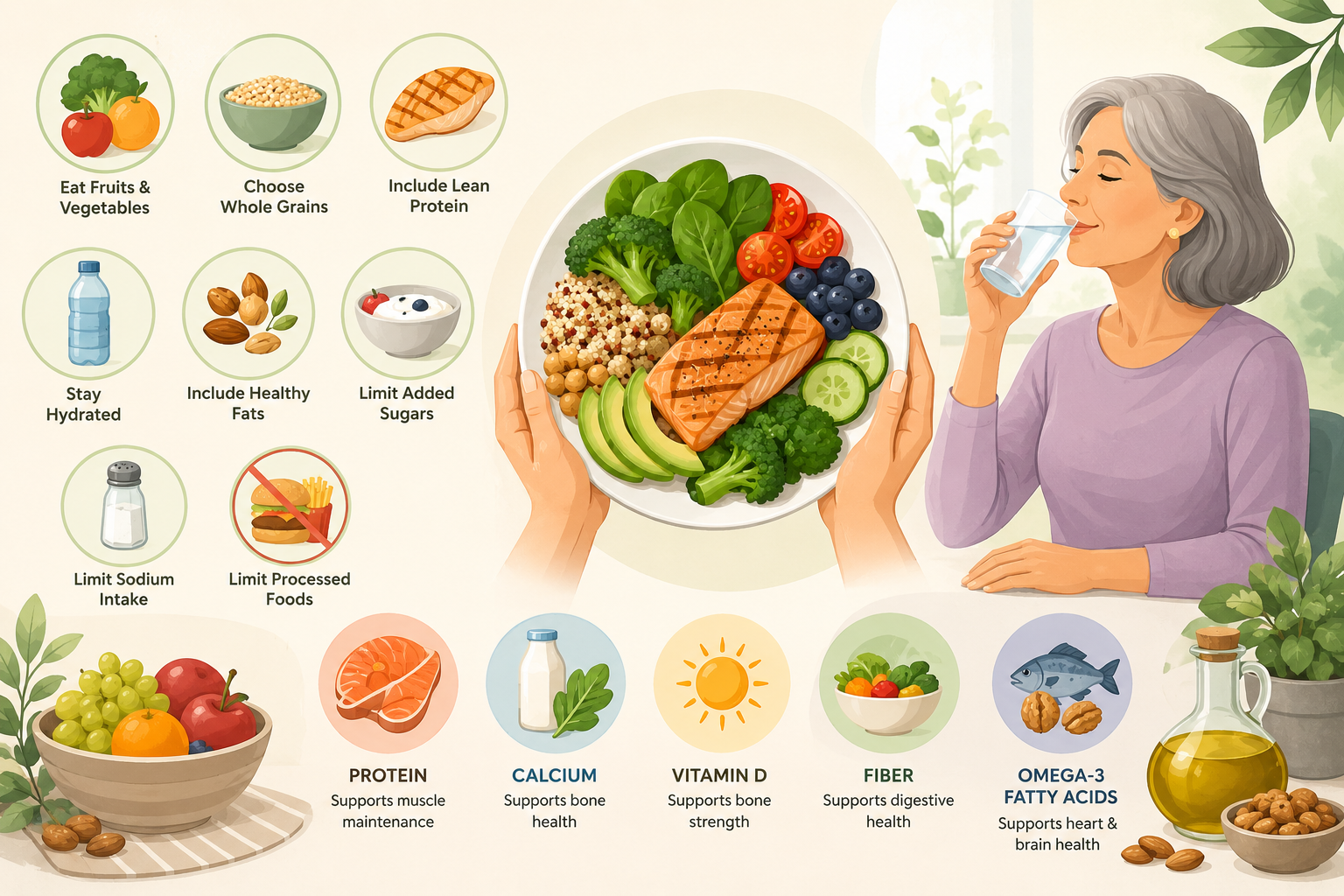
Nutrition plays a central role in healthy aging. Nutrition influences nearly every aspect of health, from energy levels and muscle maintenance to heart health and immune function.
As women age, nutritional needs often change. Protein becomes increasingly important for maintaining muscle mass, while nutrients such as calcium and vitamin D play important roles in supporting bone health.
For women experiencing reduced hand strength or arthritis, adaptive daily living products may also make mealtimes more comfortable. Easy-grip utensils, adaptive cups, plate guards, and other dining aids can help support greater independence while preparing and enjoying meals without changing recommended dietary habits.
Rather than focusing on restrictive diets, many healthcare professionals recommend adopting balanced eating habits that can be maintained consistently over time.
Important Nutrients for Women
| Nutrient | Why It Is Important |
| Protein | Supports muscle maintenance |
| Calcium | Supports bone health |
| Vitamin D | Supports bone strength |
| Fiber | Supports digestive health |
| Omega-3 Fatty Acids | Supports heart and brain health |
A healthy diet does not require perfection. Consistency and balance often matter more than following strict dietary rules.
Regular movement remains one of the strongest predictors of healthy aging. Physical activity supports mobility, balance, flexibility, and overall physical function.
Many women assume exercise becomes less important with age, but the opposite is often true. Remaining active can help support independence and make everyday activities easier to perform.
Fortunately, physical activity does not need to involve intense workouts. Activities that fit comfortably into daily life can provide meaningful benefits when practiced consistently.
Women should choose activities that align with their abilities, preferences, and healthcare provider recommendations.
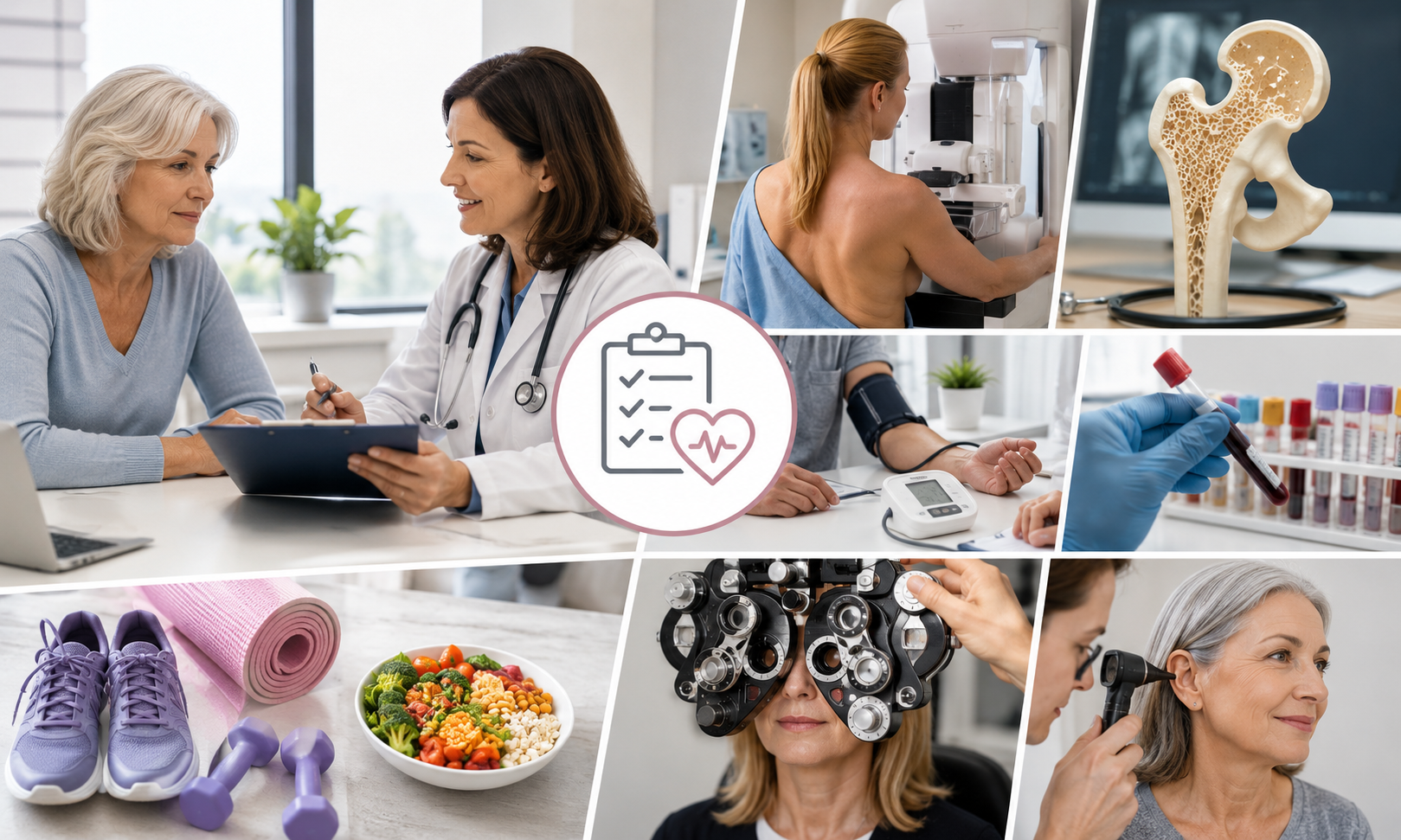
One of the most overlooked aspects of care for women is preventive healthcare. Many health conditions develop gradually, which makes routine screenings an important part of long-term wellness.
Preventive care allows women to stay informed about their health and discuss concerns with healthcare professionals before symptoms become more significant.
The specific screenings recommended may vary based on age, family history, and individual risk factors.
Why You Should Get Screened
| Benefit | Explanation |
| Early Awareness | Helps identify potential concerns sooner |
| Better Planning | Supports informed healthcare decisions |
| Preventive Focus | Encourages proactive health management |
| Health Monitoring | Tracks changes over time |
During preventive care visits, healthcare professionals may also recommend mobility or daily living aids based on individual functional needs. Choosing appropriate supportive equipment should always be based on professional guidance and personal circumstances.
Healthcare recommendations vary by individual. Screening schedules, exercise programs, dietary approaches, and healthcare decisions should always be discussed with qualified healthcare professionals who understand your medical history and personal circumstances.
Menopause represents one of the most significant transitions in women's health. During this stage, hormonal changes can influence multiple aspects of well-being, including sleep, mood, bone health, and energy levels.
While menopause is a natural biological process, the experience varies considerably from one woman to another. Some women experience minimal disruption, while others may encounter symptoms that affect daily life.
Understanding these changes can help women make informed decisions regarding lifestyle habits, preventive care, and discussions with healthcare providers.
Important Note: Women experiencing persistent or concerning symptoms should consult qualified healthcare professionals.
The key takeaway is that menopause is not a condition to fear. It is a normal life stage that often benefits from education, awareness, and proactive healthcare conversations.

Medication mistakes are often an overlooked component of healthy aging. As healthcare needs evolve, women may use prescription medications, over-the-counter products, vitamins, and supplements simultaneously.
Without proper management, misunderstandings regarding timing, dosage, or interactions may occur.
Common medication mistakes include:
Simple medication safety habits can help women stay organized and informed.
Medication safety is a key part of protecting long-term health and preventing avoidable complications.
For women managing multiple prescriptions, practical medication organizers and pill management accessories may help improve daily organization when used according to healthcare provider instructions.
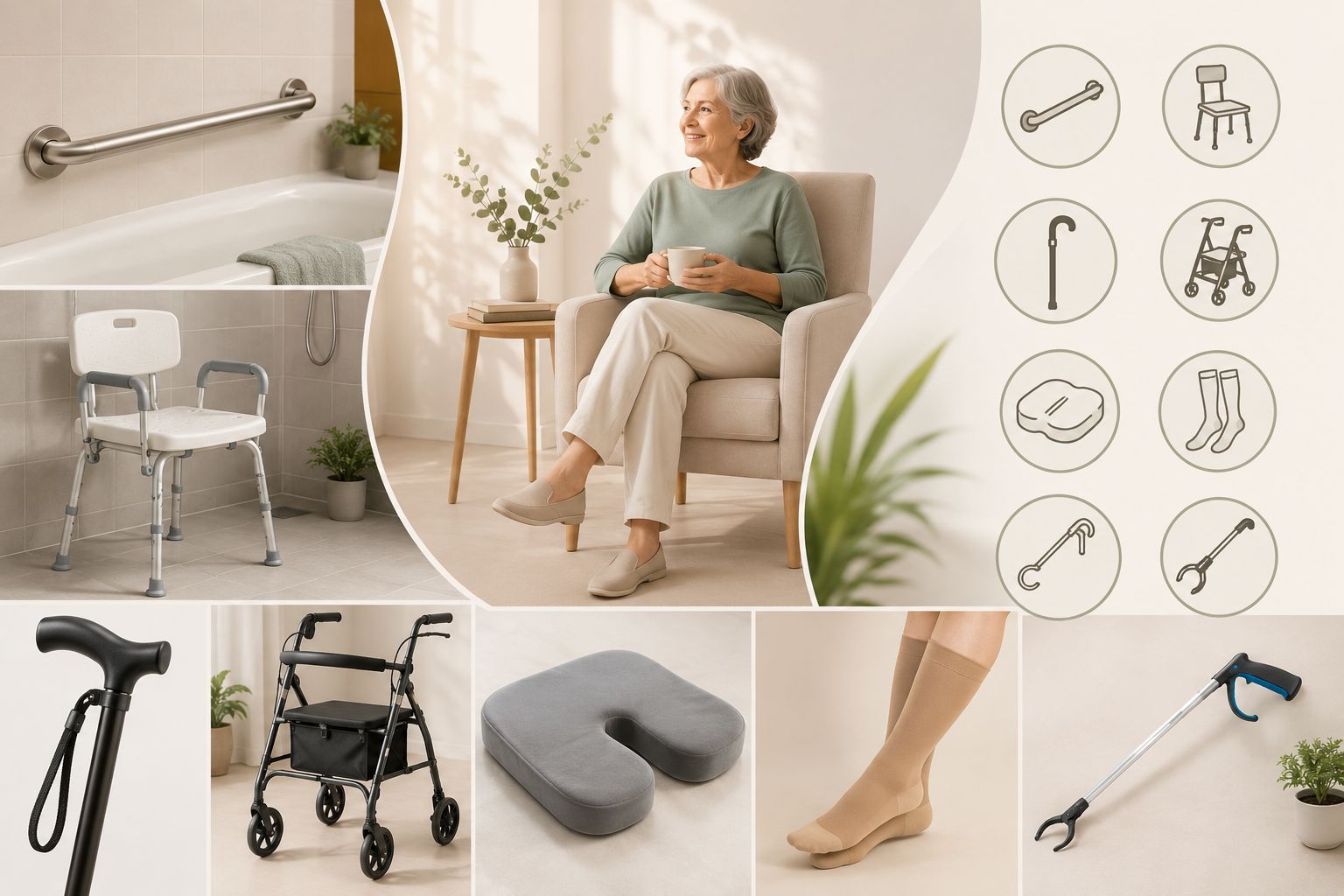
Healthy aging involves more than nutrition and exercise. For many women, maintaining independence also requires creating supportive living environments.
As mobility needs change, practical products may help make daily activities easier and more comfortable. Many women use medical and rehabilitation products as part of their overall wellness strategy.
Common examples include:
While healthy lifestyle habits remain the foundation of healthy aging, supportive products can also help some individuals maintain comfort and independence in daily life. At Medicaleshop, we are committed to helping individuals find practical solutions that support comfort, accessibility, and independence throughout every stage of life. Product Disclaimer
Products sold by our company are intended to support mobility, accessibility, comfort, and daily living activities. They are not intended to diagnose, treat, cure, or prevent any disease or medical condition.
Healthy aging is not defined by a single habit. It is the result of many small decisions made consistently over time.
By maintaining a healthy diet, staying active, getting screened regularly, managing menopause proactively, avoiding medication mistakes, and creating supportive living environments, women can take meaningful steps toward preserving their health, mobility, and independence.
If you're looking for trusted mobility, rehabilitation, and home safety solutions, explore our collection of products designed to support comfort, confidence, and everyday living. Our team is here to help you find practical solutions that fit your unique needs.
Browse our medical and rehabilitation products today and take the next step toward safer, more independent living.
The information contained in this article is provided for educational and informational purposes only. It does not constitute medical advice, diagnosis, treatment, or healthcare recommendations.
Readers should consult qualified healthcare professionals regarding questions about diet, exercise, medications, screenings, menopause, or any medical condition. Never disregard professional medical advice because of information found in this article.
For additional information, readers are encouraged to review the original resources referenced in this article:
These evidence-based resources provide additional information regarding healthy aging, preventive healthcare, menopause, medication safety, and overall wellness for women.
Frequently Asked Questions
Ans. A combination of healthy eating, regular physical activity, preventive healthcare, and medication safety is generally considered the foundation of healthy aging.
Ans. A healthy diet provides nutrients that support muscle maintenance, bone health, energy production, and overall wellness.
Ans. Screening schedules vary depending on age, health history, and individual risk factors. Women should discuss screening recommendations with qualified healthcare providers.
Ans. Regular physical activity helps support mobility, balance, strength, and physical function, all of which contribute to independence.
.avif&w=3840&q=75)
.avif&w=3840&q=75)