Managing a urinary catheter can be challenging, especially when dealing with concerns about leaks, odors, and everyday comfort. This guide explains how proper catheter bag placement, catheter tubing management, drainage bag maintenance, and hygiene practices may help reduce common issues associated with urinary catheter drainage bags. You'll learn practical tips for supporting cleanliness, comfort, and confidence while using a catheter and bag system at home. Whether you're a patient, caregiver, or family member, this educational resource provides helpful information about urine drainage bags, catheter care accessories, and products commonly used in home healthcare settings.

1. How Can You Help Prevent Catheter Leaks and Odor?
3. The Importance of Proper Catheter Bag Placement
4. How Catheter Tubing Affects Drainage Performance
5. Understanding Odor From Catheter Drainage Bags
6. Daily Maintenance Tips for Urinary Catheter Drainage Bags
7. Choosing the Right Catheter Drainage Bag
8. Catheter Supplies Available at Medicaleshop
9. Common Mistakes That Can Contribute to Catheter Leaks and Odor
10. Supporting Comfort and Confidence With Proper Catheter Care
Millions of Americans use urinary catheters temporarily or long-term due to various medical conditions and recovery needs. For individuals living with a urinary catheter, leaks and unwanted odors can be among the most frustrating day-to-day concerns. While urinary catheter systems are designed to collect and drain urine efficiently, factors such as improper catheter bag placement, tubing issues, drainage bag maintenance, and normal wear can sometimes contribute to problems.
The good news is that many common concerns can often be minimized through proper equipment use, routine inspection, and good hygiene practices.
Whether you're using a bedside catheter drainage bag, a leg bag, or another type of urine collection system, understanding how the components work together can help support comfort, confidence, and daily convenience.
Medical Compliance Notice: This article is intended for educational purposes only, and educational information in this article is based on publicly available guidance from organizations such as the CDC and Urology Care Foundation. Medicaleshop is a supplier of medical equipment and rehabilitation products and does not provide medical advice, diagnosis, treatment recommendations, or clinical services. Always follow the instructions provided by your healthcare professional and the manufacturer of your catheter equipment.
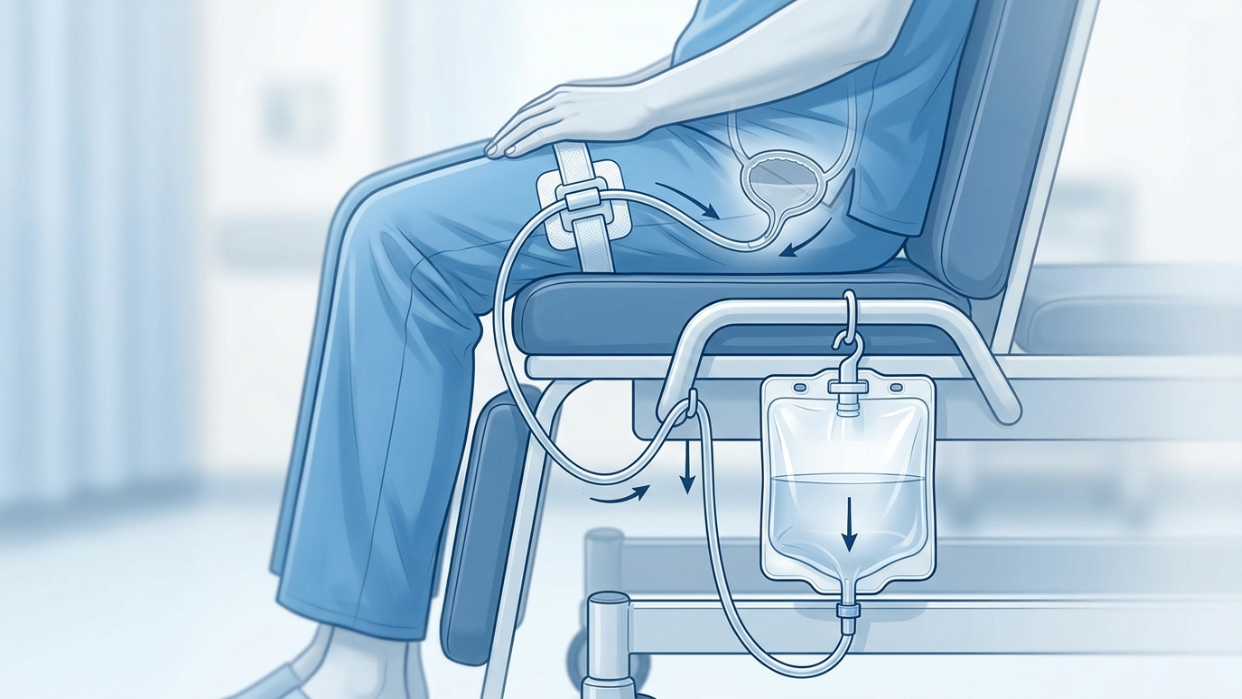
While every catheter system is different, the following practices are commonly recommended for supporting drainage bag performance. To help reduce the likelihood of catheter leaking and odor issues:
Many leaks and odor concerns may be related to equipment positioning, drainage interruptions, or maintenance issues rather than the catheter itself.
Catheter leaking can occur for several reasons, and identifying the underlying cause is often the first step toward addressing the issue.
| Potential Cause | Description |
| Loose Connections | Tubing or drainage bag connections may become unsecured. |
| Kinked Catheter Tubing | Urine flow may be interrupted when tubing becomes twisted. |
| Full Drainage Bag | Overfilled bags may place additional stress on the system. |
| Damaged Equipment | Wear and tear can affect drainage bags and connectors. |
| Improper Catheter Bag Placement | Incorrect positioning may interfere with drainage flow. |
| Incompatible Components | Mixing incompatible supplies may affect system performance. |
Because every catheter system is different, any persistent leakage concerns should be discussed with a qualified healthcare professional.
One of the most overlooked aspects of urinary catheter management is catheter bag placement.
Proper positioning helps support consistent drainage and may reduce unnecessary strain on the catheter tubing.
General Placement Considerations
Proper catheter bag placement is often considered an important part of routine urinary catheter management because it contributes to efficient drainage.
Medical Compliance Note: Placement recommendations can vary depending on the type of catheter, drainage system, mobility needs, and healthcare provider instructions.
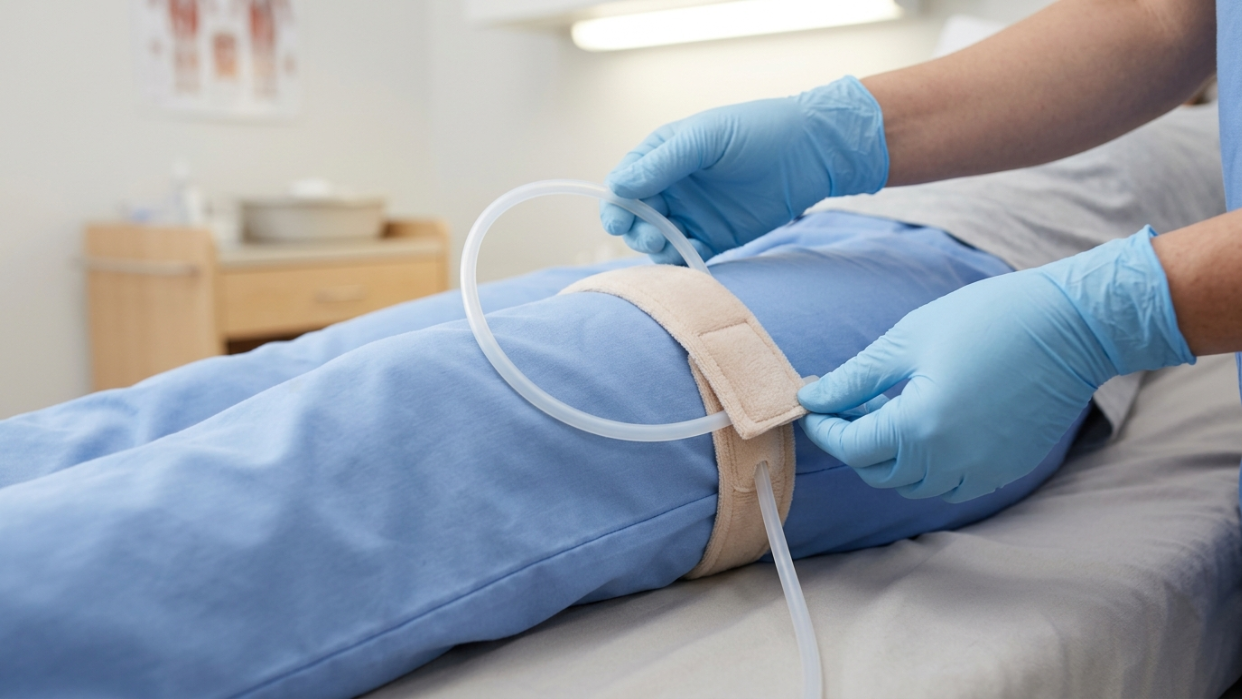
The catheter tubing serves as the connection between the catheter and the urine drainage bag. Even small issues with tubing management can affect drainage efficiency.
Proper tubing management can help support uninterrupted urine flow and reduce the likelihood of drainage-related issues.
Many people worry that having a catheter automatically leads to noticeable odors. In reality, properly maintained catheter systems often help contain urine and minimize odor.
However, odors may occasionally develop due to:
| Tip | Why It Matters |
| Empty bags regularly | Helps prevent prolonged urine accumulation |
| Follow cleaning instructions | Supports routine maintenance |
| Check seals and connections | Helps maintain system integrity |
| Replace worn components | Reduces performance issues |
| Practice hand hygiene | Supports overall cleanliness |
If unusual odors develop or persist, individuals should consult their healthcare provider for guidance.
Routine maintenance is often an important part of catheter care.
Daily Checklist
Look for:
Verify that:
Following healthcare provider instructions for drainage bag management may help support proper function.
Routine hygiene practices can help support cleanliness around the catheter system.
Not all catheter drainage bags are designed for the same purpose.
| Type | Typical Use |
| Leg Bags | Designed for mobility and daytime use |
| Bedside Drainage Bags | Often used during rest periods |
| Large Capacity Bags | Designed for extended collection needs |
| Disposable Drainage Bags | Intended for single-use applications when appropriate |
The most suitable option depends on individual needs, healthcare provider recommendations, and daily routines.
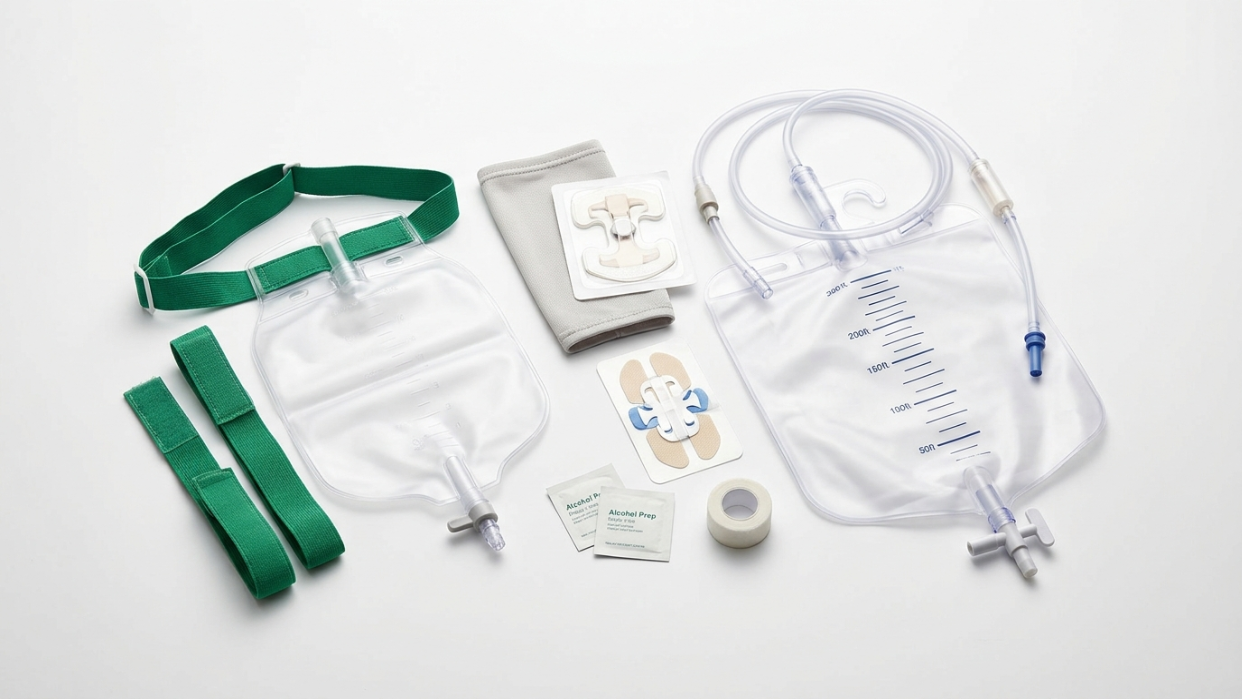
Having access to dependable catheter supplies can make daily management more convenient for patients and caregivers.
Medicaleshop offers a variety of home healthcare and urological care products, including:
As a U.S.-based provider of medical equipment and rehabilitation products, Medicaleshop works with established manufacturers to offer products commonly used in home care environments.
Medical Compliance Notice: Medicaleshop is a dealer and supplier of medical equipment. We do not provide medical advice, diagnose conditions, or recommend specific treatment plans. Product selection should be discussed with qualified healthcare professionals.
Even with quality equipment, certain habits may increase the likelihood of problems.
Common Mistakes to Avoid
A proactive approach to maintenance may help support a more comfortable experience with a catheter and bag system.
Living with a catheter presents unique challenges, but many individuals successfully manage urinary catheter systems as part of their daily routine. Understanding how catheter drainage bags function, maintaining proper catheter tubing placement, following hygiene practices, and routinely inspecting equipment can help reduce common concerns related to leaks and odor.
While every individual's situation is different, having access to reliable supplies and educational resources can make everyday catheter management easier. Medicaleshop offers a range of catheter drainage bags, home healthcare products, and rehabilitation supplies designed to support patients and caregivers in home care settings.
If you're looking for dependable urinary catheter supplies, explore Medicaleshop's selection of drainage bags, catheter accessories, and home healthcare products from trusted manufacturers to help support your daily care routine.
Medical Disclaimer: This article is for educational purposes only and should not be considered medical advice. Always consult qualified healthcare professionals regarding catheter care, product suitability, and any concerns about leakage, odor, or catheter performance.
The information in this article was developed using educational resources and guidance from respected healthcare organizations, including:
Frequently Asked Questions
Ans. Catheter bag leaking may occur due to loose connections, damaged drainage bags, tubing kinks, overfilled bags, or equipment wear. Persistent leakage should be discussed with a healthcare professional.
Ans. Regular drainage bag maintenance, proper hygiene practices, timely emptying, and inspection of connections may help reduce odor concerns.
Ans. Yes. Proper catheter bag placement can help support drainage flow and may reduce strain on the catheter system.
Ans. The frequency varies based on the type of drainage bag, urine output, and healthcare provider instructions.
Ans. Twisted, kinked, compressed, or improperly positioned catheter tubing may affect urine flow and drainage performance.
Ans. The most appropriate catheter drainage bag depends on mobility needs, daily activities, and healthcare provider recommendations.
Ans. Replacement schedules vary depending on the product type, manufacturer instructions, and healthcare provider recommendations.
Ans. Persistent leakage, unusual odor, or drainage concerns should be evaluated by a qualified healthcare professional to determine the underlying cause.
Ans. Compatibility varies between products. Individuals should follow manufacturer guidance and healthcare provider recommendations when selecting catheter supplies.
Ans. Tubing should be inspected regularly for kinks, twists, damage, wear, or loose connections that could affect drainage performance.
.avif&w=3840&q=75)
.avif&w=3840&q=75)