Managing incontinence during summer can present unique challenges due to heat, humidity, sweating, dehydration, and increased outdoor activities. This article shares practical tips to help individuals stay comfortable and confident throughout the season. Learn the importance of proper hydration, breathable clothing, skin care, travel preparation, and choosing appropriate continence products for daily support. The guide also covers summer-friendly lifestyle adjustments, including diet considerations and planning for vacations or social events. Whether managing occasional leaks or ongoing continence concerns, these strategies may help improve comfort, reduce stress, and support a more active and enjoyable summer experience.
According to the National Association for Continence (NAFC), millions of Americans live with some form of incontinence, and seasonal adjustments can make symptom management easier. Seasonal changes can help make managing symptoms easier. However, the summer season demands extra planning because of heat, travels, and light clothes.
Below are practical tips that may help individuals manage incontinence more comfortably during the summer months.
General Medical Disclaimer: This article is for informational and educational purposes only and does not constitute medical advice, diagnosis, or treatment. Always consult a qualified healthcare professional regarding symptoms, treatment options, or changes to your care routine.
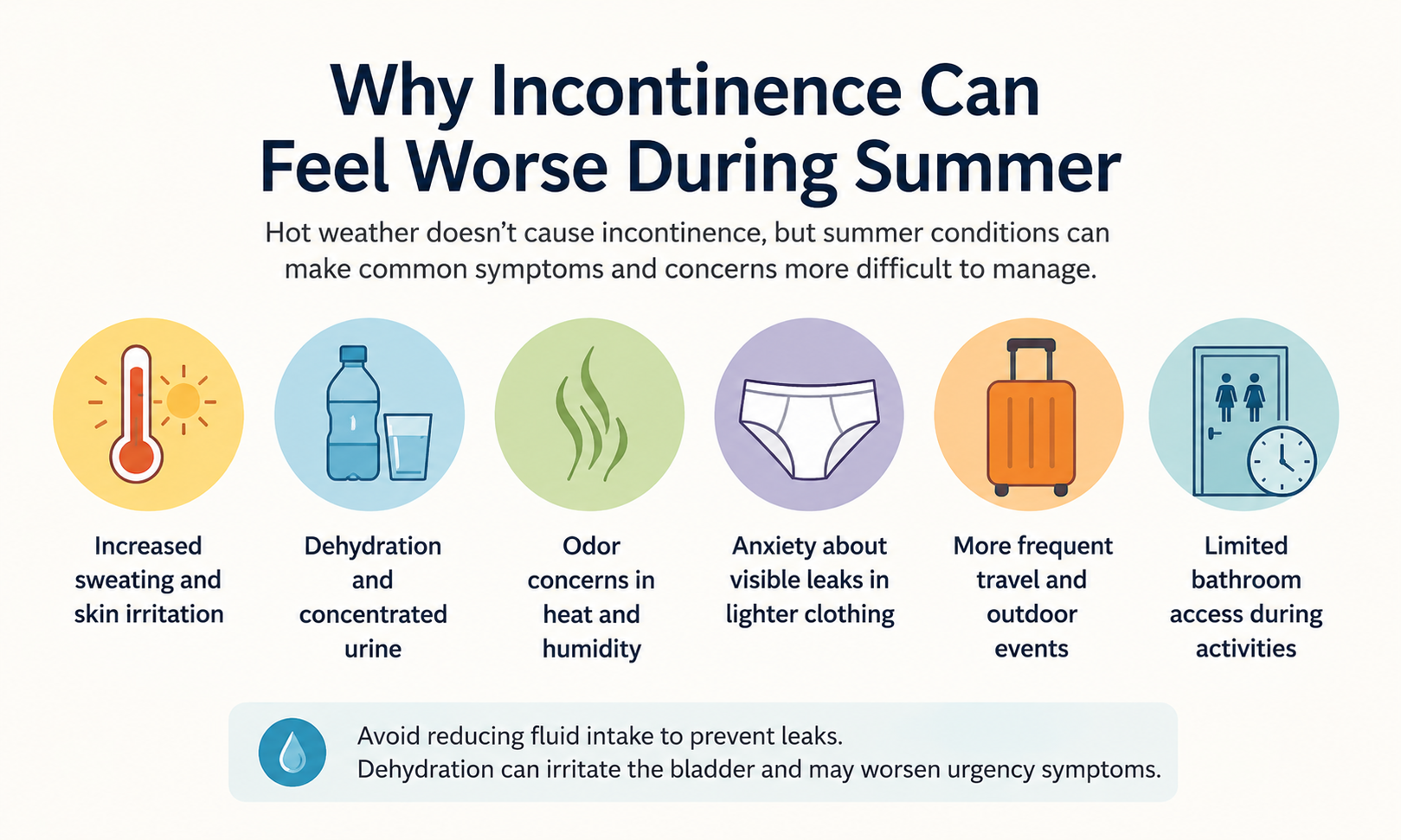
Hot weather does not directly cause incontinence, but summer conditions may intensify common concerns such as:
Additionally, some individuals may reduce fluid intake to avoid accidents. However, dehydration can irritate the bladder and may worsen urgency symptoms.
Simple daily adjustments may help improve comfort and confidence during warmer months
| Summer Challenge | Helpful Tip |
| Heat & sweating | Wear breathable, moisture-wicking fabrics |
| Fear of leaks | Use absorbent products designed for your needs |
| Skin irritation | Change products regularly and keep skin dry |
| Dehydration | Stay hydrated consistently throughout the day |
| Odor concerns | Choose products with odor-control technology |
| Outdoor activities | Carry a discreet travel hygiene kit |
| Travel anxiety | Plan restroom access ahead of time |
| Lightweight clothing | Opt for darker colors or patterned fabrics |
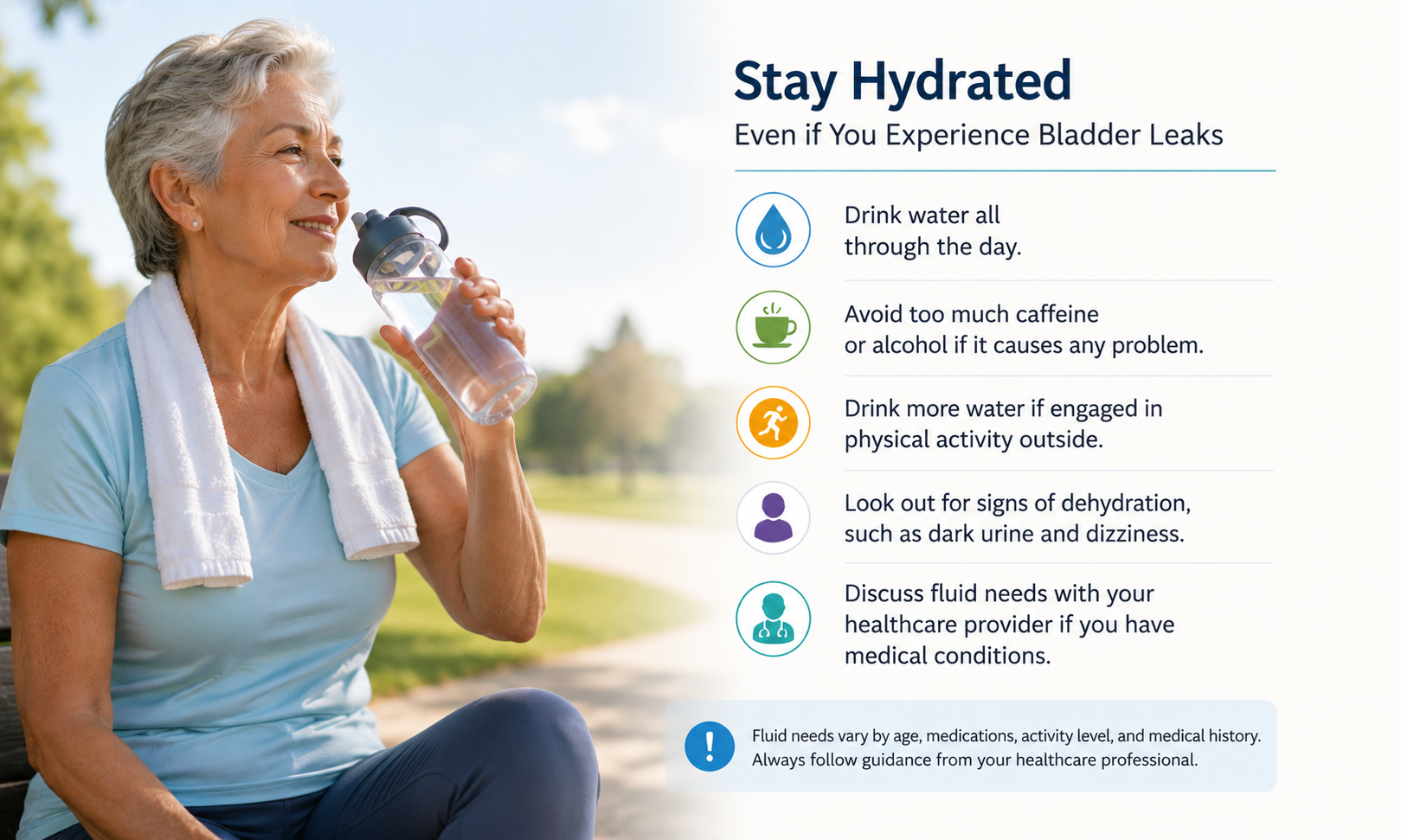
One common mistake during summer is reducing water intake to avoid frequent urination. However, lack of water can increase the concentration of urine, thus irritating the bladder.
Summer Hydration Tips
Important Consideration: Fluid needs vary by age, medications, activity level, and medical history. Always follow guidance from your physician or licensed healthcare professional.
Summer fabrics can affect both comfort and confidence. Tight synthetic clothing may trap moisture and increase friction, while very thin fabrics can make absorbent products more visible.
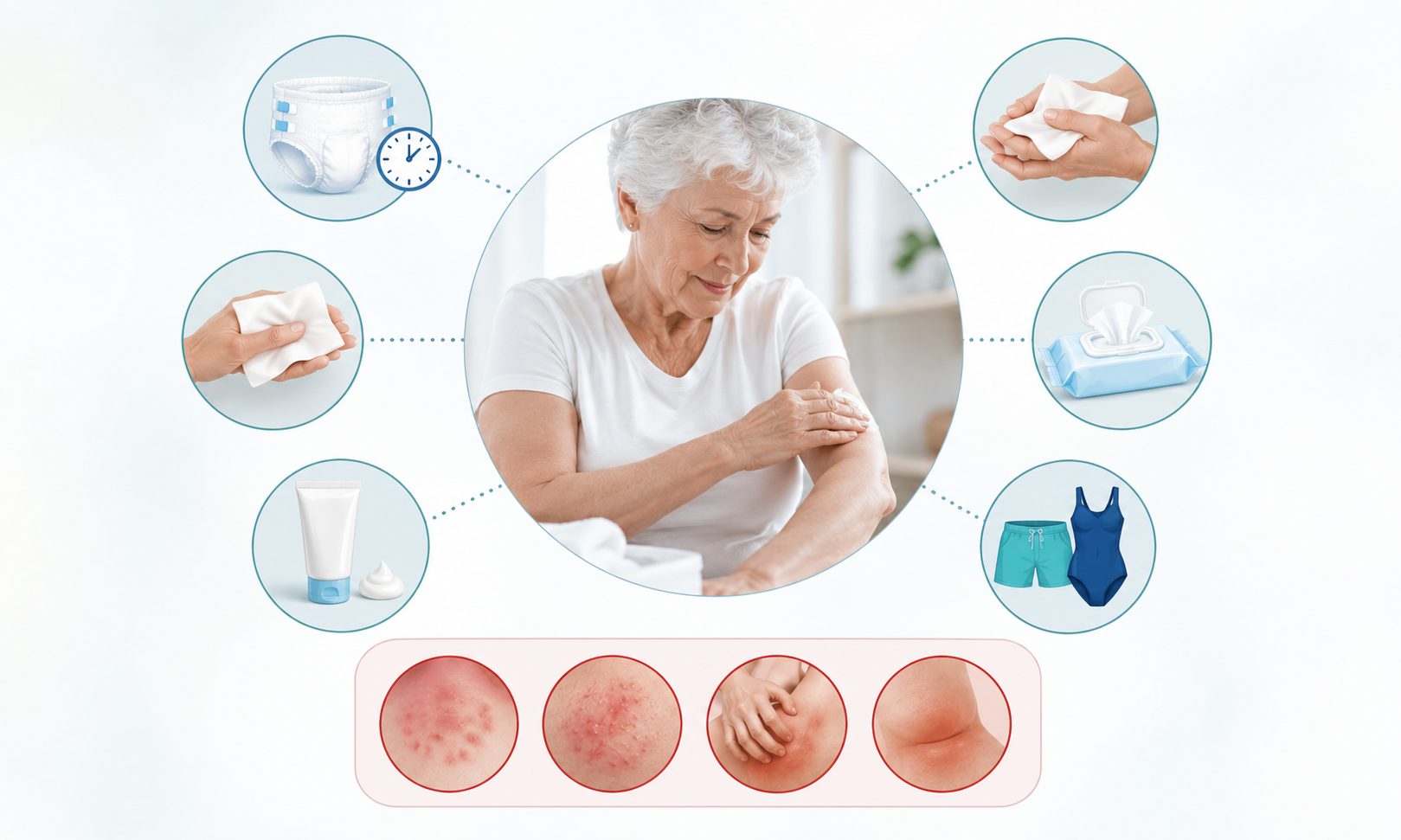
Skin health becomes especially important during summer. Heat, sweat, prolonged moisture exposure, and friction may contribute to irritation or discomfort.
Contact a healthcare professional if you notice:
Medical Disclaimer: Skincare products and barrier creams are not appropriate for everyone. Individuals with sensitive skin, diabetes, wound concerns, or chronic conditions should seek medical advice before starting new products
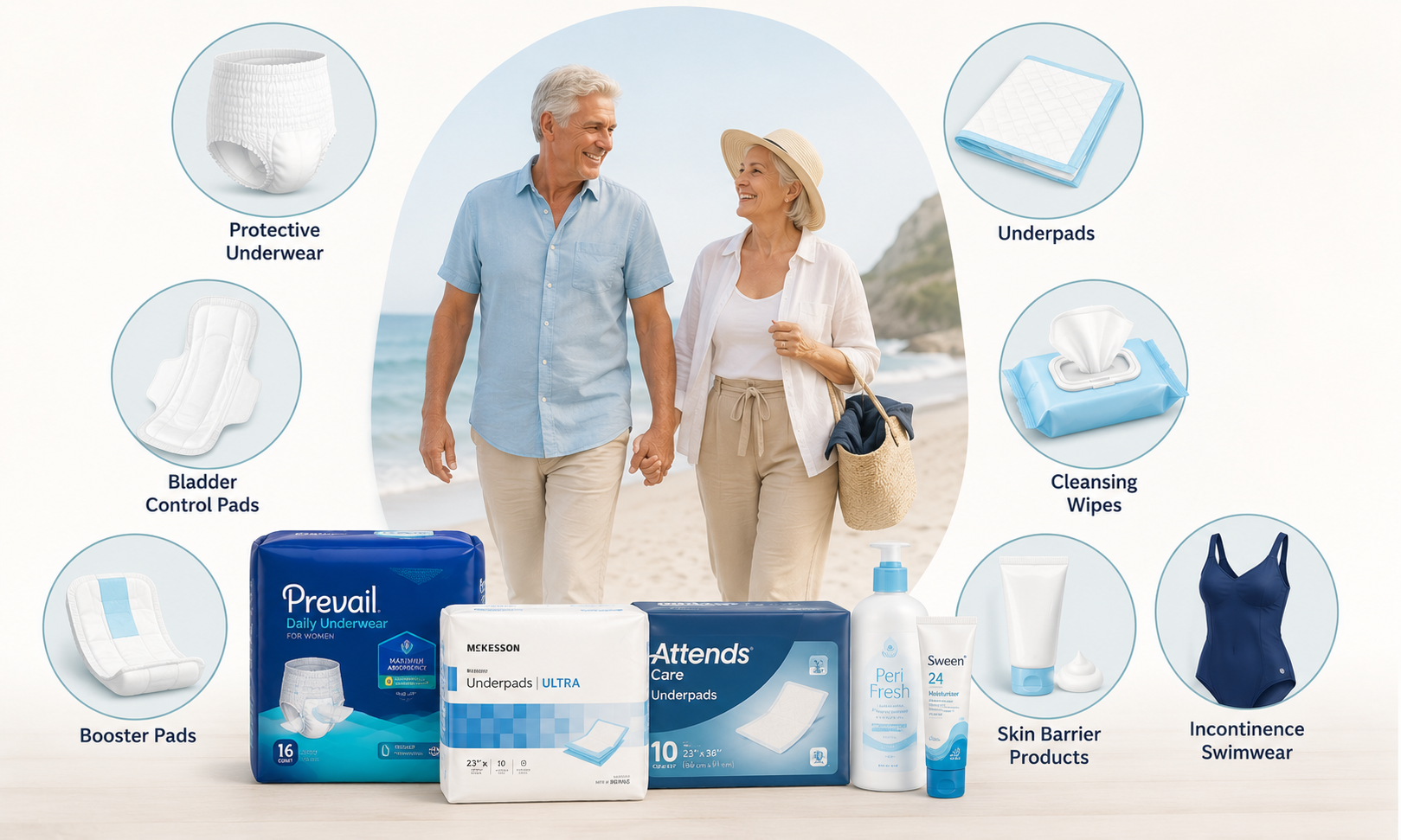
Modern continence products have evolved significantly and many are designed for discretion, breathability, odor control, and mobility.
1. Protective underwear – Everyday discreet protection
2. Bladder control pads – Light-to-moderate leakage support
3. Booster pads – added absorbency during long outings
4. Underpads – Furniture or bedding protection
5. Cleansing wipes - Convenient hygiene on-the-go
6. Skin barrier products - Moisture protection for sensitive skin
7. Incontinence swimwear – Added confidence during water activities
Some newer absorbent products are designed to appear similar to regular underwear while offering odor management and moisture control.
Important Medical Disclaimer: Incontinence products are supportive management tools and are not intended to diagnose, treat, cure, or prevent medical conditions. Product selection should be based on individual needs, skin sensitivity, mobility, and healthcare guidance.
A small travel kit can help reduce anxiety during outdoor activities, road trips, or social gatherings.
This preparation may help improve confidence during summer outings and travel.
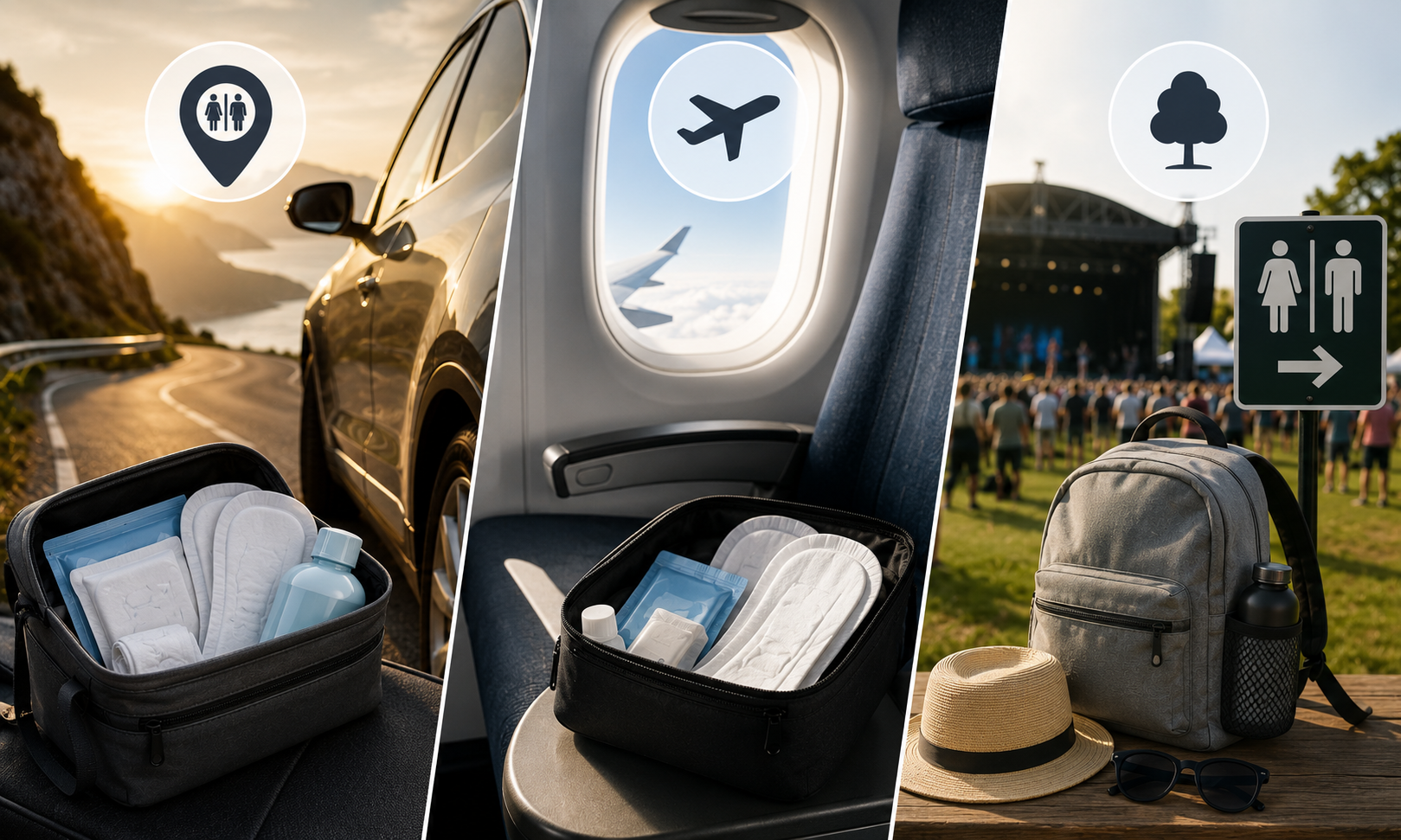
Travel can be stressful when restroom access is uncertain. Planning ahead may reduce discomfort and improve peace of mind.
Helpful Travel Strategies
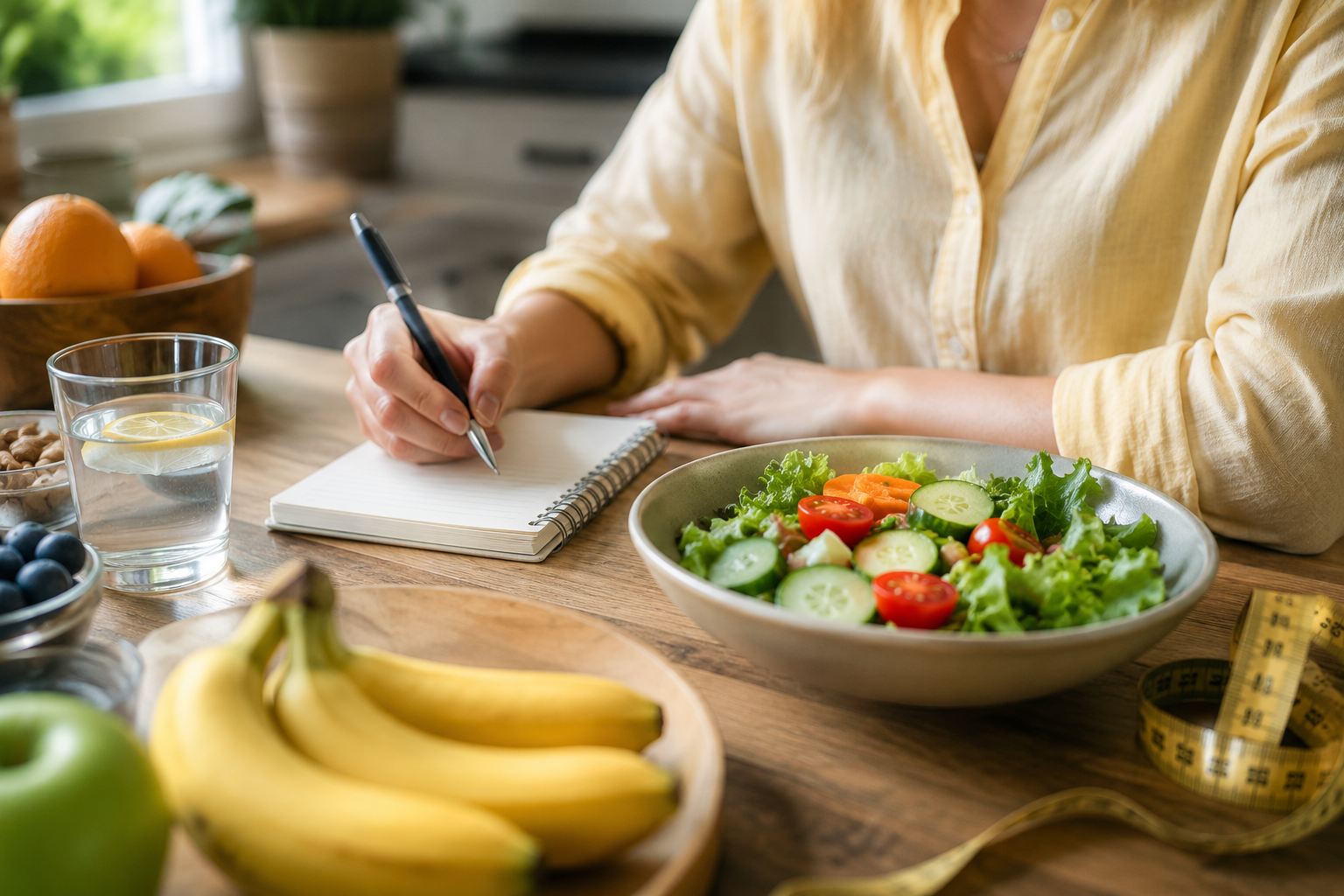
Some individuals notice increased urgency or bladder irritation after consuming certain foods or beverages.
Keeping a bladder diary may help identify foods or drinks associated with symptoms.
Medical Disclaimer: Dietary modifications should not replace professional medical evaluation. Speak with a healthcare provider or registered dietitian before making significant dietary changes.
Many people living with incontinence experience embarrassment, anxiety, or social withdrawal, especially during summer activities like swimming, vacations, or outdoor gatherings.
It’s important to remember:
Managing incontinence during summer can feel challenging, but small adjustments and a consistent incontinence care routine may make a meaningful difference in daily comfort and confidence. Staying hydrated, choosing breathable clothing, protecting skin health, and using appropriate continence products may help support a more active, comfortable, and enjoyable season.
Whether you’re planning vacations, attending family gatherings, or simply spending more time outdoors, preparation and the right support tools can help you stay focused on enjoying summer not worrying about leaks.
If you or a loved one are exploring continence care products, skin-protection essentials, or mobility-friendly hygiene supplies, Medicaleshop team is here to help you toward supportive everyday solutions designed for comfort, dignity, and convenience.
For additional information about incontinence management and bladder health, readers may refer to trusted organizations such as:
Frequently Asked Questions
Ans. Hot weather does not directly cause incontinence, but heat, sweating, and dehydration may worsen discomfort, urgency, and skin irritation for some individuals.
Ans. Common causes include weakened pelvic floor muscles, age-related bladder changes, medications, and certain health conditions. A healthcare professional can help identify the underlying cause.
Ans. Breathable, moisture-wicking fabrics and comfortable absorbent products may help improve comfort, discretion, and confidence.
Ans. No. Drinking too little water may irritate the bladder and worsen urgency symptoms. Staying properly hydrated is generally recommended.
.avif&w=3840&q=75)
.avif&w=3840&q=75)