Medical tape is an essential part of wound care, first aid, post-surgical recovery, and everyday patient care. With several options available, including paper tape, cloth tape, waterproof tape, foam tape, and hypoallergenic tape, understanding the differences between them can help you make more informed decisions. This guide explains the different types of medical tape, their common uses, key features, and factors to consider when selecting products for home care, schools, sports, and healthcare environments. You'll also learn practical tips for safe application and discover wound care and patient care products available at Medicaleshop that may help support organized and effective care routines.
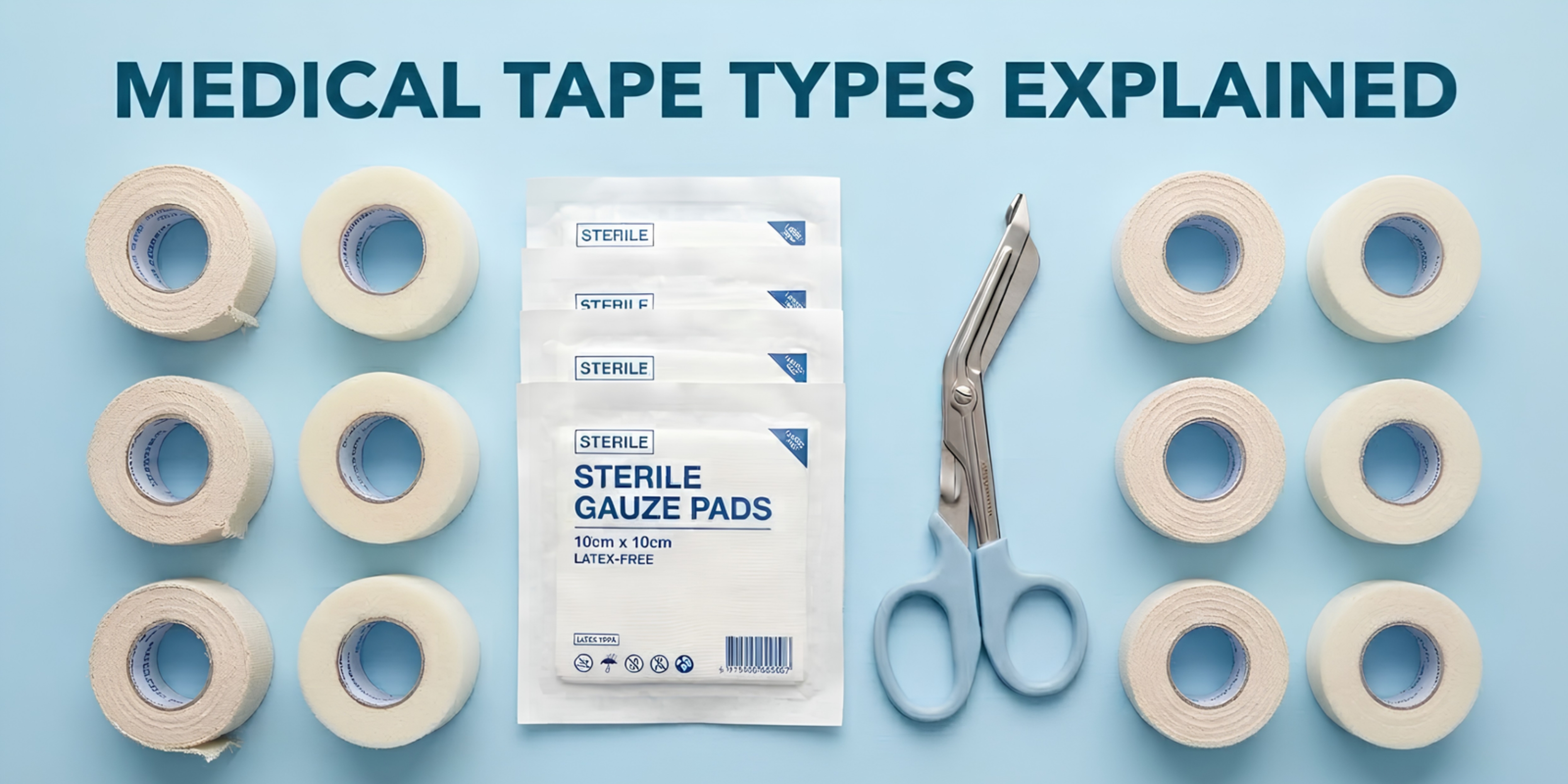
Healthcare professionals often consider several factors before recommending a specific tape, including:
| Medical Tape Type | Best For | Water Resistant | Gentle on Sensitive Skin | Common Applications |
| Paper Tape | Fragile skin | No | Excellent | Dressing changes, elderly patients |
| Cloth Tape | Secure fixation | Moderate | Moderate | Bandages, splints, sports support |
| Surgical Tape | General patient care | Varies | Good | Medical dressings, clinical use |
| Waterproof Tape | Wet environments | Yes | Moderate | Showering, swimming, active lifestyles |
| Foam Tape | Pressure protection | Limited | Excellent | Fragile skin, cushioning |
| Hypoallergenic Tape | Sensitive skin | Varies | Excellent | Allergy-prone patients |
| Clear Adhesive Tape | Visibility | Moderate | Good | IV dressings, transparent coverings |
| Elastic Tape | Flexibility | Moderate | Moderate | Joint movement, athletic support |
| Non-Adhesive Medical Tape | Dressing support | N/A | Excellent | Securing wraps and compression bandages |
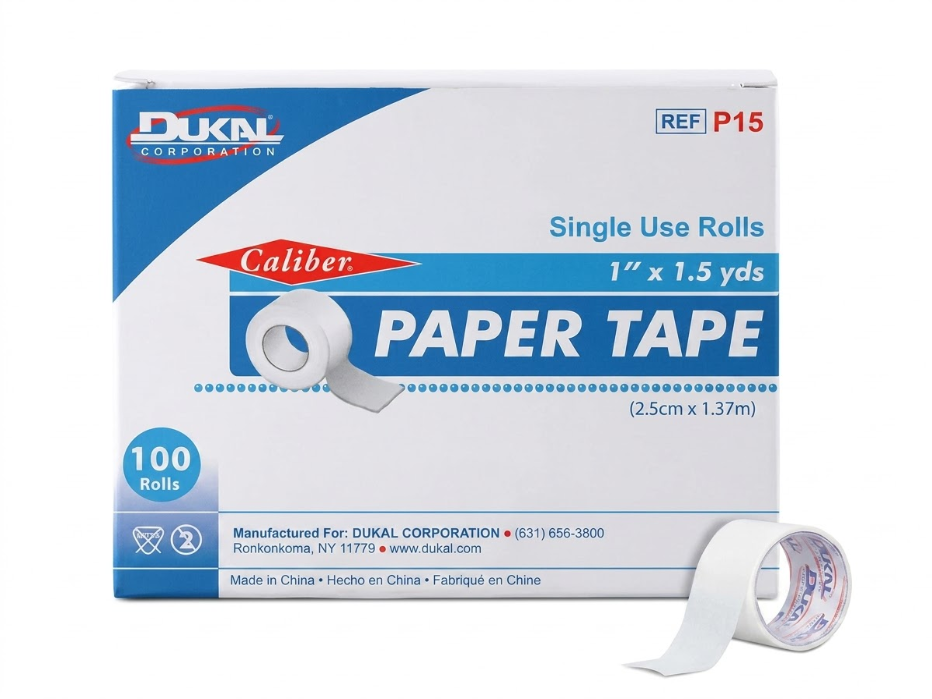
Paper tape is one of the most commonly used medical tapes because of its lightweight construction and gentle adhesive. It is often recommended for individuals with delicate or fragile skin, including older adults and patients requiring frequent dressing changes.
Common Uses
Advantages
Because paper tape generally offers lighter adhesion than other options, it may not be the best choice for areas exposed to significant moisture or frequent movement.
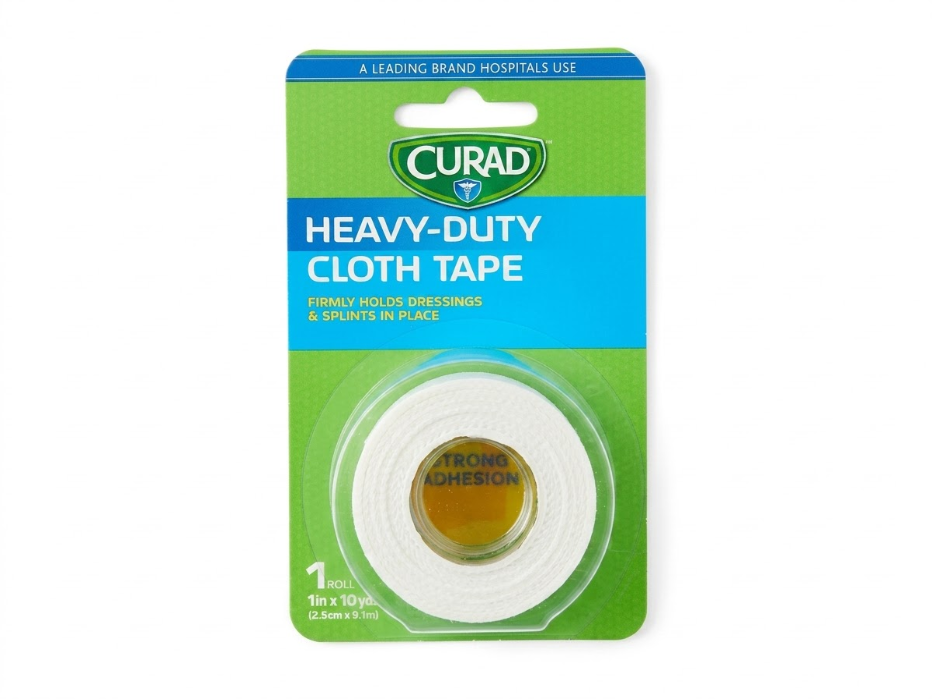
Cloth tape is designed to provide stronger adhesion and durability compared with paper tape. It is commonly used when dressings require additional support or when patients maintain higher activity levels.
Many cloth tapes feature woven materials that provide flexibility while remaining securely attached.
Best Uses
Benefits
Cloth tape is frequently found in first aid kits used by schools, athletic trainers, and caregivers because it helps keep dressings securely in place during routine movement.
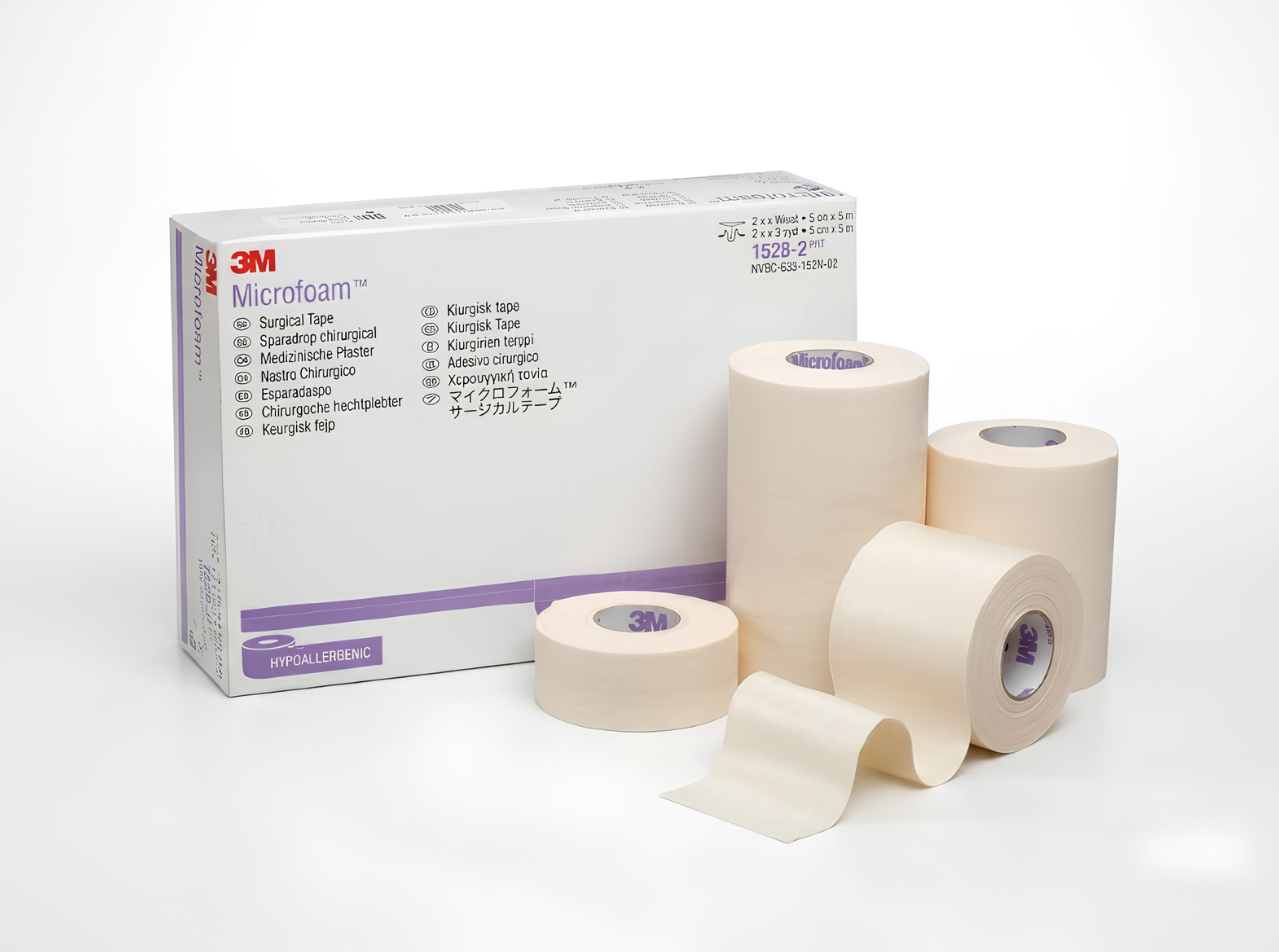
The term surgical tape refers to medical tapes commonly used in hospitals, clinics, outpatient facilities, and home healthcare environments. Depending on the material, surgical tape may be paper-based, cloth-based, or made from synthetic fibers.
Its primary purpose is to help secure dressings, tubing, and medical devices while supporting patient comfort.
Surgical Tape Is Commonly Used For
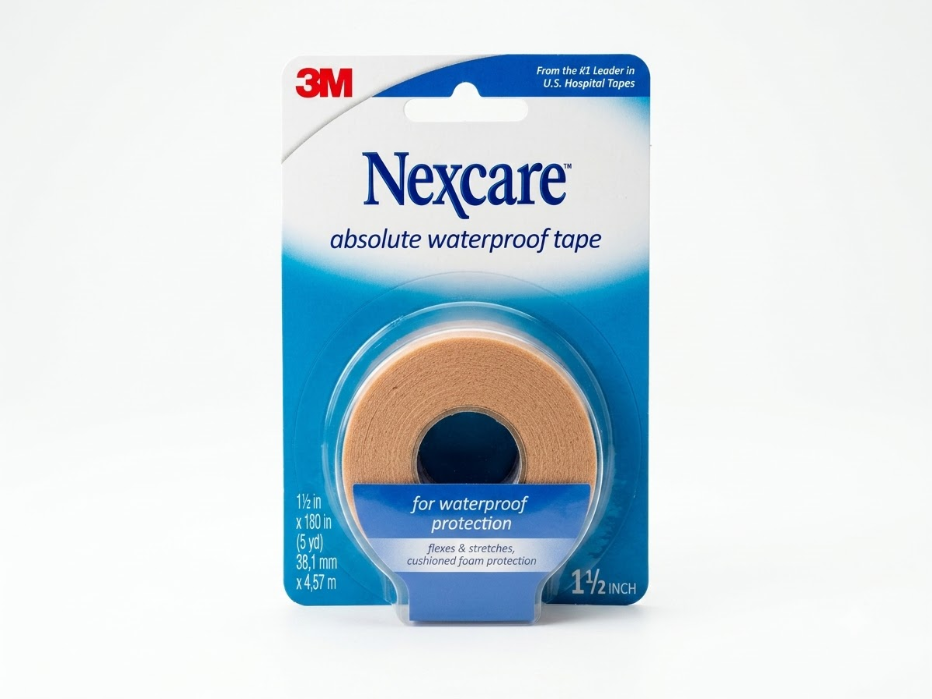
Waterproof tape is designed to maintain adhesion in environments where dressings may be exposed to water or perspiration. It is often used when healthcare providers recommend protecting wound dressings during routine daily activities.
Common Situations
Key Features
Although waterproof tape can help protect dressings from moisture, it should always be used according to manufacturer instructions and healthcare provider guidance.
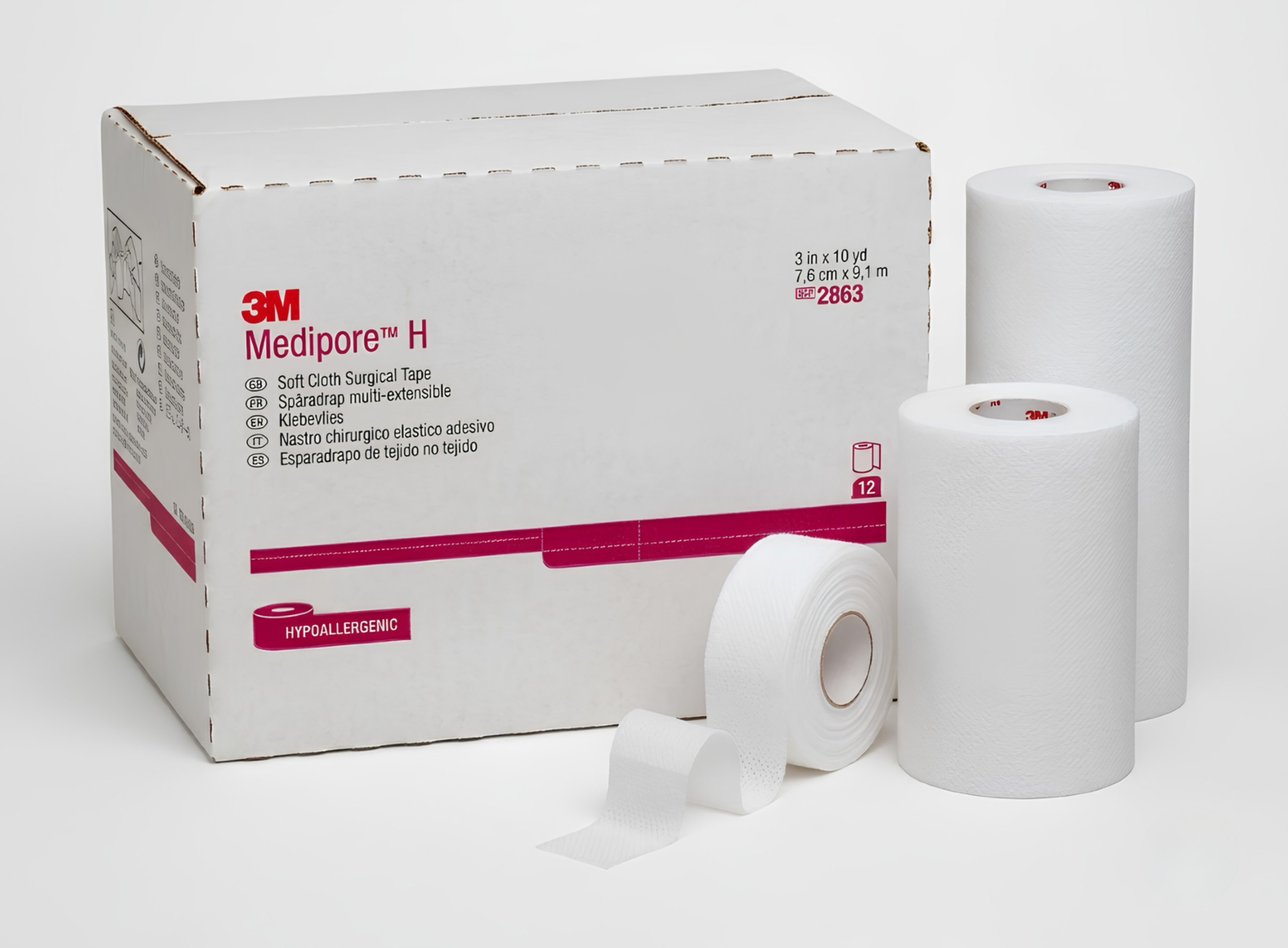
For individuals with sensitive skin or adhesive sensitivities, hypoallergenic tape may be a suitable option. These tapes are designed with adhesives intended to reduce the likelihood of skin irritation while still helping secure dressings effectively.
Often Used For
Many healthcare professionals recommend evaluating skin condition regularly when adhesive products are used for extended periods.
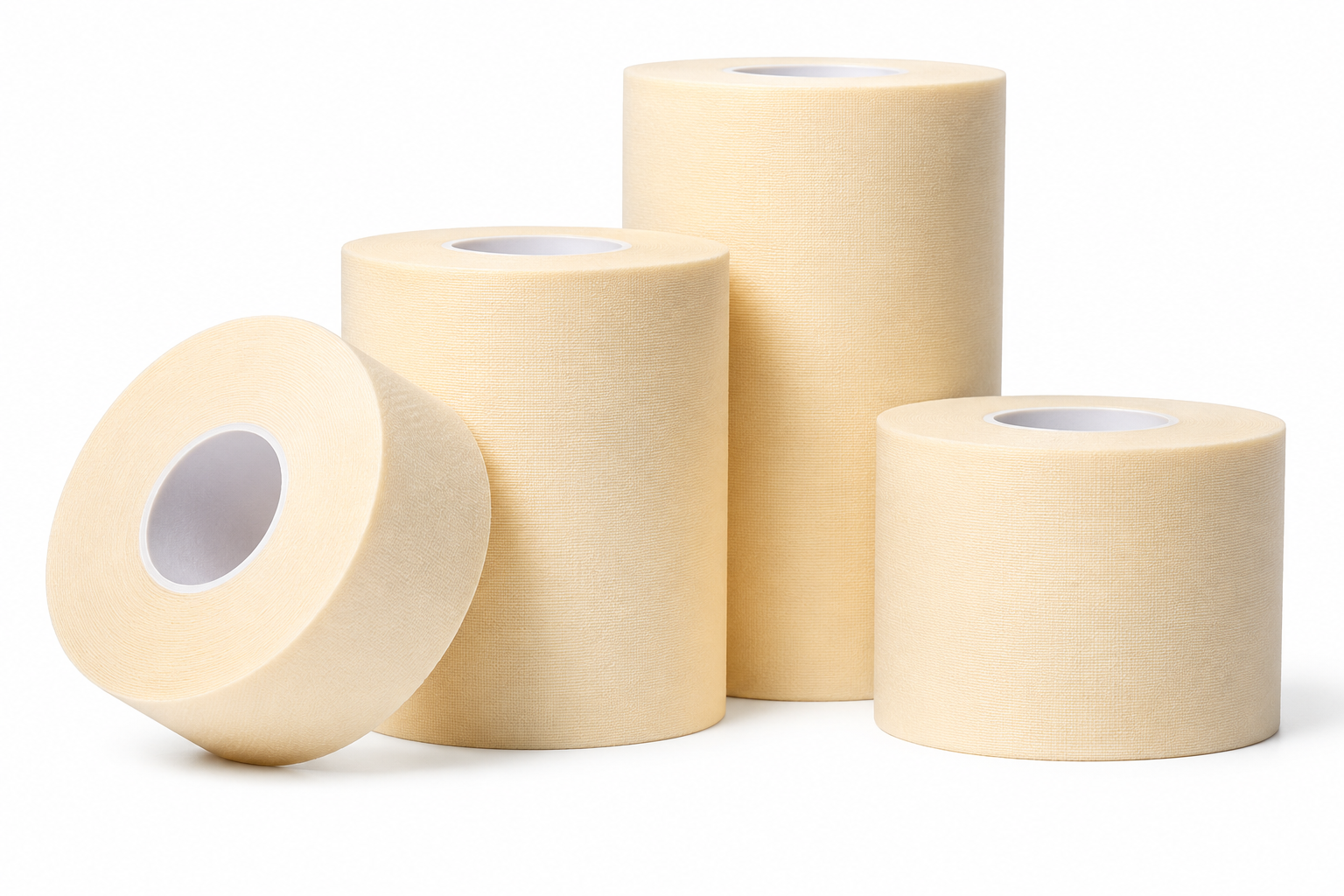
Foam tape provides gentle adhesion while offering a soft cushioning layer between the skin and medical devices or dressings. It is commonly used in situations where pressure reduction or skin protection is an important consideration.
Unlike traditional tapes, foam tape is generally thicker and more flexible, making it suitable for areas that experience frequent movement or prolonged contact with medical equipment.
Common Uses
Benefits
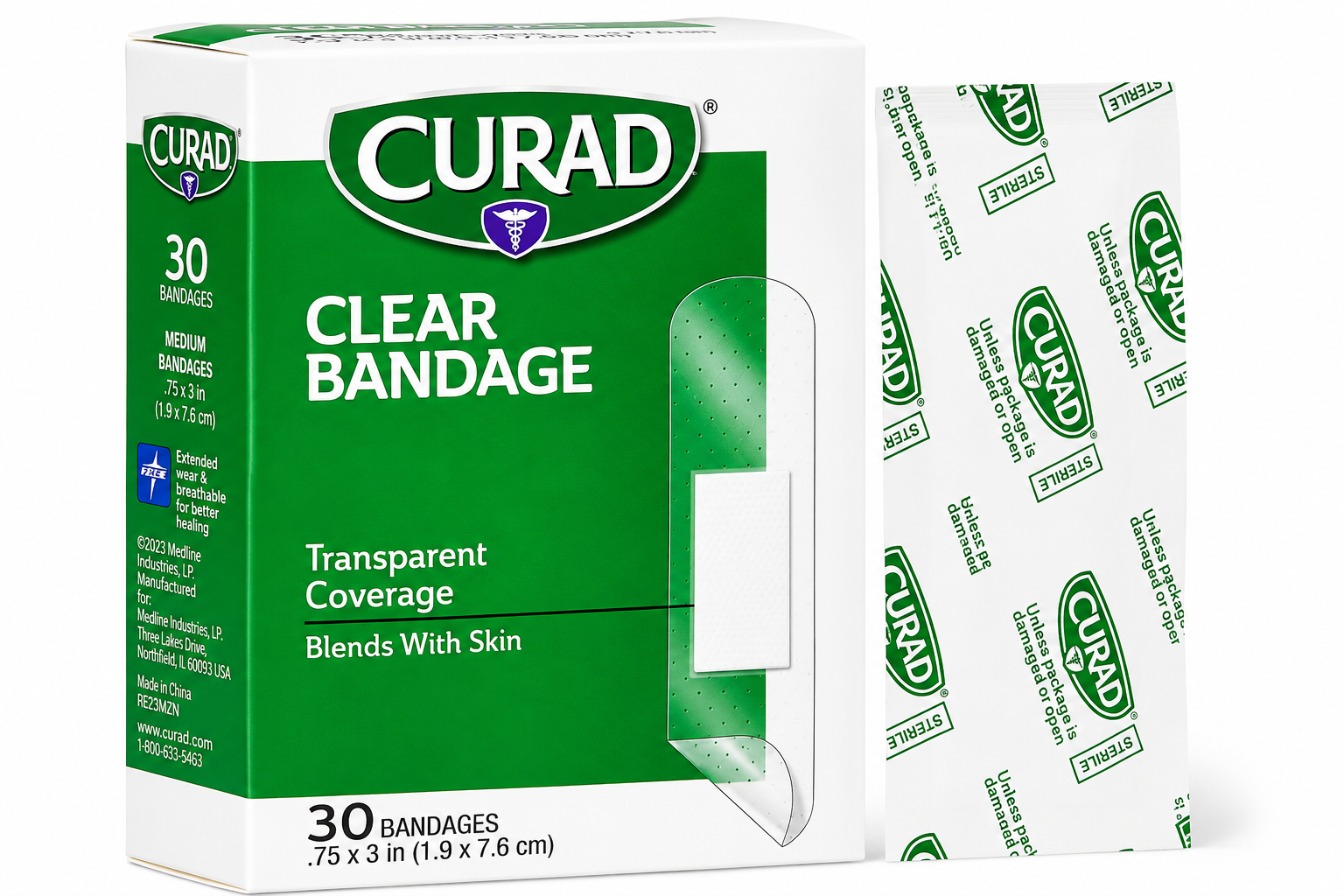
Clear adhesive tape allows healthcare providers and caregivers to observe dressings or surrounding skin without completely removing the tape. Its transparent design makes it particularly useful when frequent visual inspection is required.
Common Applications
Advantages
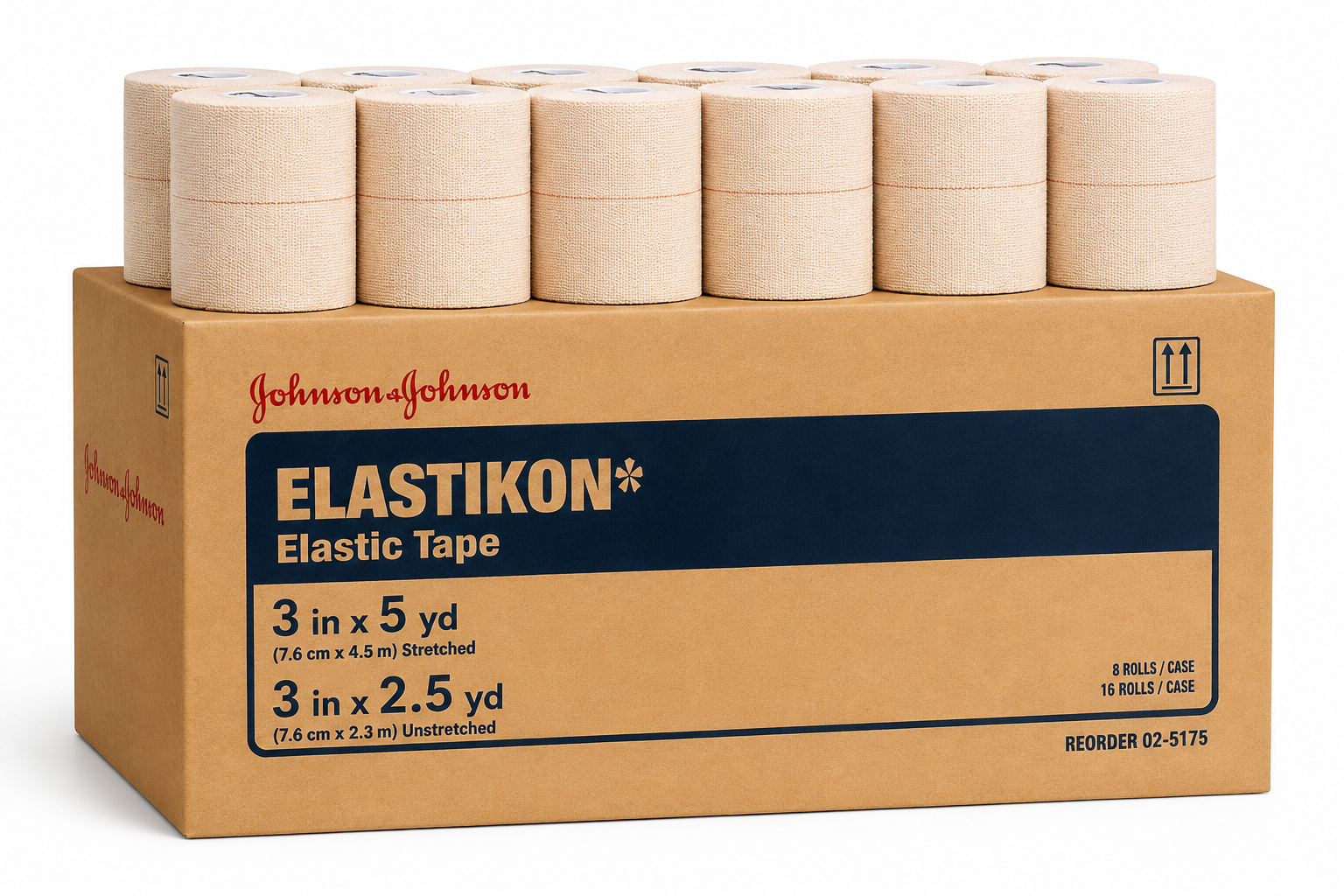
Elastic medical tape is designed to stretch with body movement while helping secure dressings or provide light support. It is often selected for joints or other areas where flexibility is important.
Frequently Used For
Benefits
Unlike adhesive tapes, non-adhesive medical tape is used alongside wraps or bandages that do not stick directly to the skin. It may help secure dressings while reducing adhesive exposure for individuals with highly sensitive skin.
Common Uses
The "best" medical tape depends on the type of wound, the condition of the surrounding skin, and recommendations from a healthcare professional.
| Situation | Medical Tape That May Be Appropriate |
| Minor cuts and scrapes | Paper tape |
| Sensitive or fragile skin | Hypoallergenic tape or paper tape |
| Active individuals | Cloth tape or elastic tape |
| Moist environments | Waterproof tape |
| Pressure-sensitive areas | Foam tape |
| IV dressings | Clear adhesive tape |
| Compression bandages | Non-adhesive medical tape |
As schools reopen across the United States, parents, teachers, school nurses, daycare providers, and sports coaches often review and restock their first aid supplies. Everyday activities such as recess, playground games, physical education classes, and after-school sports can sometimes lead to minor cuts, scrapes, or abrasions.
A well-prepared first aid kit may include the following:
Having appropriate wound care supplies readily available may help caregivers respond promptly to minor injuries while following established first aid practices.
Important: Children with deeper wounds, heavy bleeding, puncture injuries, or signs of infection should be evaluated by a qualified healthcare professional.
Selecting medical tape involves more than simply choosing the strongest adhesive. Different care situations call for different tape characteristics.
Consider These Factors
1. Skin Type
Individuals with fragile or sensitive skin may benefit from gentler adhesive options, such as paper or hypoallergenic tape.
2. Wound Location
Areas that move frequently, such as elbows or knees, may require tapes with greater flexibility.
3. Moisture Exposure
If dressings are likely to encounter moisture, healthcare providers may recommend waterproof options where appropriate.
4. Frequency of Dressing Changes
Dressings changed regularly often benefit from tapes designed for gentle removal.
5. Healthcare Provider Recommendations
Always follow the instructions provided by your physician, nurse, or wound care specialist regarding dressing materials and tape selection.
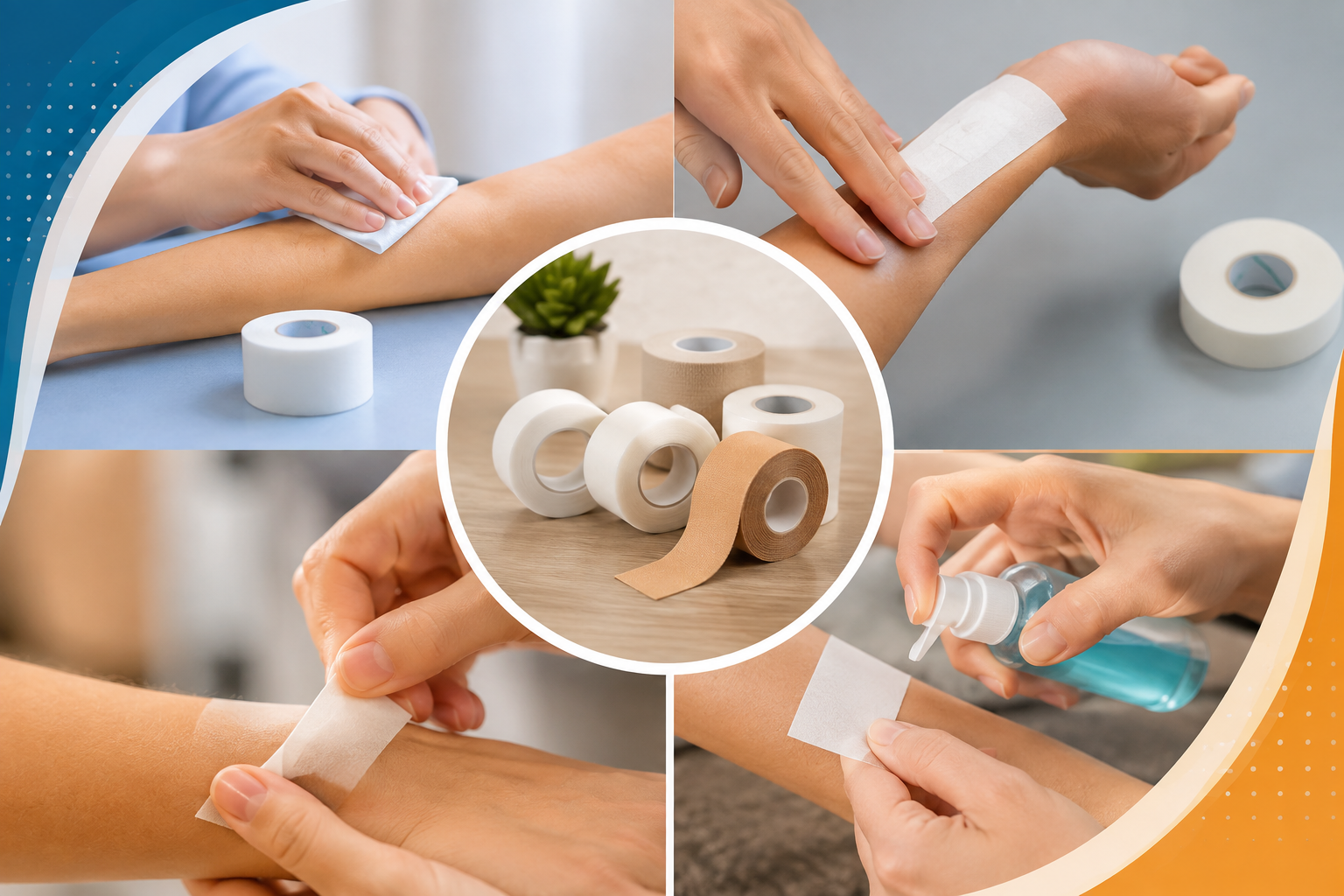
Proper application and removal may help improve comfort and reduce skin irritation.
Application Tips
Removal Tips
Medical Compliance Notice: Always follow the manufacturer's Instructions for Use (IFU) and your healthcare provider's recommendations when applying or removing medical tape.
Proper storage may help maintain the quality of unopened medical tape.
Storage Recommendations
Medical tape intended for single use should not be reused unless specifically indicated by the manufacturer.
Medicaleshop is a U.S.-based supplier of medical supplies, rehabilitation products, and home healthcare equipment. We offer a broad selection of products that may support wound care and patient care in home, school, rehabilitation, and healthcare environments.
Product categories include:
Wound Care Supplies
Patient Care Products
Medicaleshop partners with established healthcare manufacturers to provide products commonly used in professional and home care settings.
Compliance Notice: Medicaleshop is a dealer and supplier of medical and rehabilitation products. We do not manufacture medical tape, diagnose medical conditions, or provide medical treatment. Product selection should always follow healthcare provider recommendations.
When selecting or using medical tape, avoid these common mistakes:
Proper product selection and use may help support a more organized and effective wound care routine.
Medical tape is an essential component of wound care, first aid, rehabilitation, and everyday patient care. From gentle paper tape and hypoallergenic options to durable cloth, waterproof, and elastic tapes, each type is designed to serve different care needs. Understanding their features and intended applications can help patients, caregivers, schools, and healthcare organizations make informed decisions while supporting safe wound management.
As the back-to-school season begins, keeping a well-stocked first aid kit with appropriate wound care supplies may help families, teachers, and caregivers respond to minor injuries more confidently.
Medicaleshop offers a wide range of wound care supplies, medical tapes, patient care products, rehabilitation equipment, and home healthcare solutions from trusted manufacturers. Whether you're updating a home first aid kit, preparing for back-to-school season, or supporting long-term patient care, choosing appropriate wound care supplies can help create a more organized care environment.
Medical Disclaimer: This article is intended for informational and educational purposes only. Medicaleshop is a dealer and supplier of medical supplies, rehabilitation products, and home health care equipment. We do not provide medical advice, diagnosis, treatment recommendations, or clinical services. Always consult a qualified healthcare professional regarding wound care, dressing selection, medical tape use, or treatment decisions.
The information presented in this guide is based on educational resources and guidance from reputable healthcare organizations, including:
Frequently Asked Questions
Ans. Medical tape is commonly used to help secure wound dressings, gauze, bandages, tubing, and certain medical devices to the skin during patient care.
Ans. Paper tape and hypoallergenic tape are often chosen for individuals with sensitive or fragile skin because they are designed for gentler adhesion.
Ans. Paper tape is lightweight and easier to remove, making it suitable for delicate skin. Cloth tape generally offers stronger adhesion and is often used for more active patients or larger dressings.
Ans. Waterproof medical tape help to maintain adhesion in moist conditions. However, its use should always follow manufacturer instructions and healthcare provider recommendations.
Ans. Surgical tape is a type of medical tape used to secure dressings and medical devices. Medical tape is a broader category that includes paper, cloth, waterproof, foam, and other tape varieties.
Ans. The length of time depends on the wound, dressing type, and healthcare provider's instructions. Dressings should be changed according to the recommended care plan.
Ans. Some individuals may experience skin irritation or adhesive sensitivity. If irritation develops, discontinue use and consult a healthcare professional.
Ans. A basic first aid kit may include medical tape, adhesive bandages, gauze pads, antiseptic wipes, wound cleansers, disposable gloves, scissors, and cold packs.
Ans. Medical tape should be stored in a cool, dry location away from excessive heat, humidity, and direct sunlight while remaining in its original packaging until use.
Ans. No. Household tapes are not designed for medical use and may not provide the appropriate adhesion, breathability, or skin safety needed for wound care. Medical tape should be used according to healthcare provider recommendations.
.avif&w=3840&q=75)
.avif&w=3840&q=75)