Back-to-school preparation for children with special needs involves more than purchasing school supplies. Reviewing mobility equipment, classroom seating, transportation needs, and therapy essentials before the school year begins may help support comfort, participation, and daily routines. This guide explores important adaptive mobility and classroom products commonly used in school settings while sharing practical tips for parents, caregivers, and educators. Whether your child uses an adaptive stroller, gait trainer, pediatric wheelchair, or positioning equipment, preparing ahead can help create a smoother transition into the new school yea
For most families, back-to-school shopping means buying backpacks, notebooks, lunch boxes, and new clothes. For families of children with special needs, however, preparing for a new school year often involves much more.
Before classes begin, parents and caregivers may need to review mobility equipment, classroom positioning needs, transportation arrangements, therapy schedules, and accessibility requirements to help support their child's participation throughout the school day.
According to the American Academy of Pediatrics (AAP), planning ahead and maintaining open communication with schools can help families prepare for the transition back to school. Similarly, the Centers for Disease Control and Prevention (CDC) encourages parents to work with educators and healthcare professionals to help ensure children receive appropriate support in educational settings.
Whether your child attends public school, private school, or a specialized educational program, having properly fitted adaptive equipment available may help improve comfort, mobility, and participation during classroom activities.
Medical Disclaimer: This article is intended for informational purposes only. Medicaleshop is a supplier of rehabilitation products, mobility aids, and special needs equipment. We do not provide medical advice, diagnosis, treatment recommendations, or clinical services. Individual needs may vary, and equipment selection should always be based on recommendations from qualified healthcare professionals and school staff.
Preparing several weeks before school starts gives families time to inspect equipment, coordinate with teachers, and replace worn accessories if necessary.
| Checklist Item | Why It May Be Important |
| Inspect mobility equipment | Check wheels, brakes, harnesses, and accessories for wear. |
| Review classroom seating | Ensure seating supports comfort and participation. |
| Confirm transportation needs | Verify compatibility with school buses or family vehicles. |
| Organize therapy equipment | Prepare items needed for school-based therapy sessions. |
| Update emergency information | Share current contact information with the school. |
| Discuss accommodations | Review classroom and accessibility needs with educators. |
| Prepare daily essentials | Pack positioning supports, communication devices, or other approved items. |
| Schedule equipment maintenance | Address repairs before the first day of school. |
| Review your child's IEP or Section 504 accommodations (if applicable) | Confirm that classroom supports, adaptive equipment, transportation, therapy services, and accessibility needs are updated before school starts |
Completing these tasks ahead of time may help reduce last-minute stress and support a smoother start to the school year.
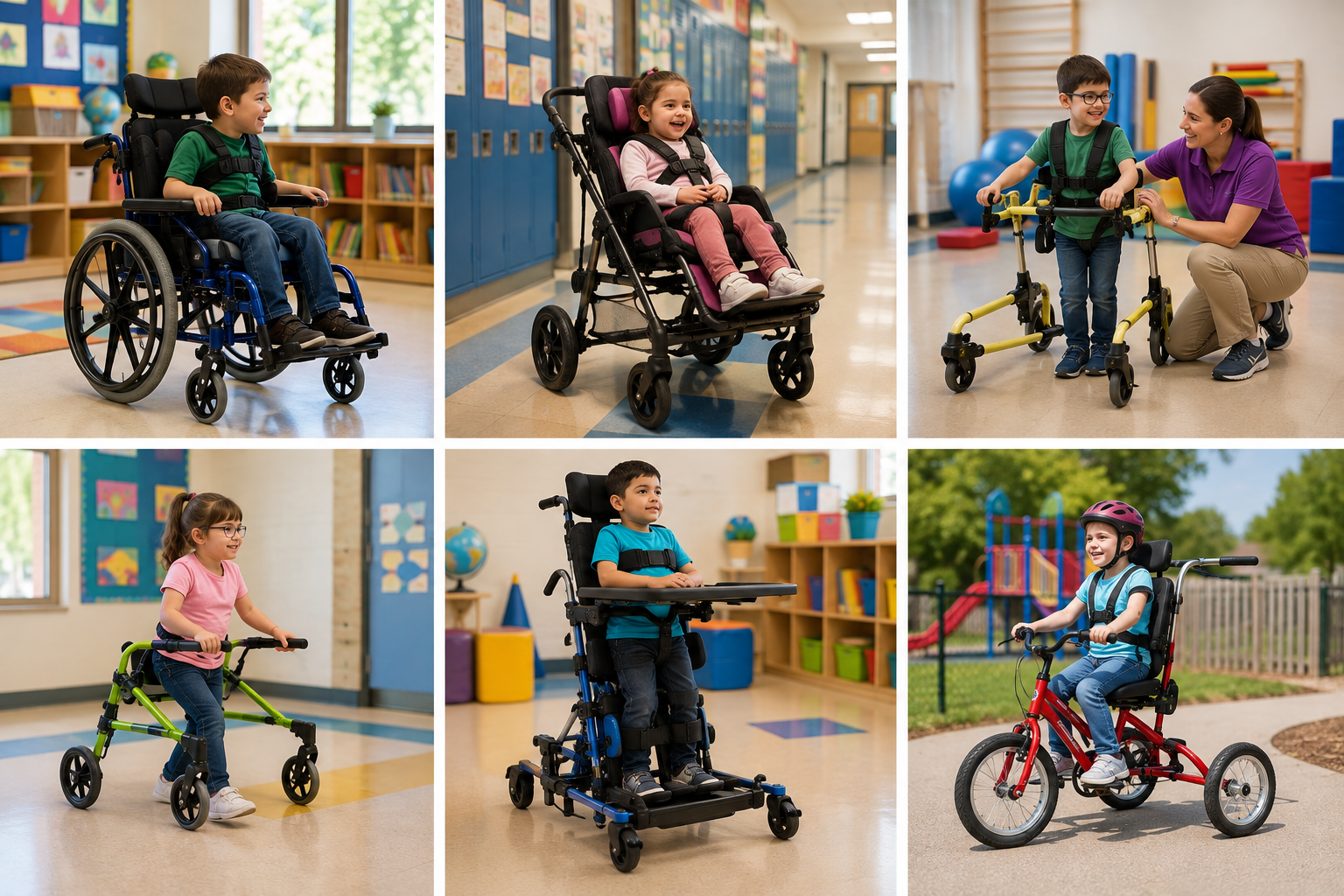
Many children with special needs use adaptive mobility equipment to help navigate classrooms, hallways, cafeterias, playgrounds, and therapy areas. The equipment used varies based on individual needs, school environments, and recommendations from healthcare professionals.
Pediatric wheelchairs are designed to support mobility for children who require assistance moving between classrooms, cafeterias, libraries, playgrounds, and other school areas. Depending on the model, they may include adjustable seating, positioning accessories, and customizable features to meet individual mobility needs as recommended by healthcare professionals.
Adaptive Strollers
Adaptive strollers are commonly used for children who require additional postural support during transportation. They may help caregivers navigate larger school campuses, community outings, and field trips while providing seating options designed for individual positioning needs.
Gait Trainers
Gait trainers are mobility devices designed to provide support during supervised walking activities. They are commonly used in schools and therapy settings to assist with mobility programs developed by physical therapists or other qualified healthcare professionals.
Pediatric Walkers
Pediatric walkers are designed to provide additional stability during walking. They are available in various configurations to accommodate different mobility needs and may be used in classrooms, hallways, and therapy sessions when recommended by healthcare providers.
Standers
Standers are positioning devices designed to support children in an upright standing position. Schools and therapy programs may use standers during educational or therapeutic activities as part of an individualized care plan.
Adaptive Tricycles
Adaptive tricycles are specially designed cycles that may provide opportunities for supervised recreational activities, physical education programs, and therapy sessions. Many models include adjustable seating, pedals, and positioning accessories to accommodate different support needs.
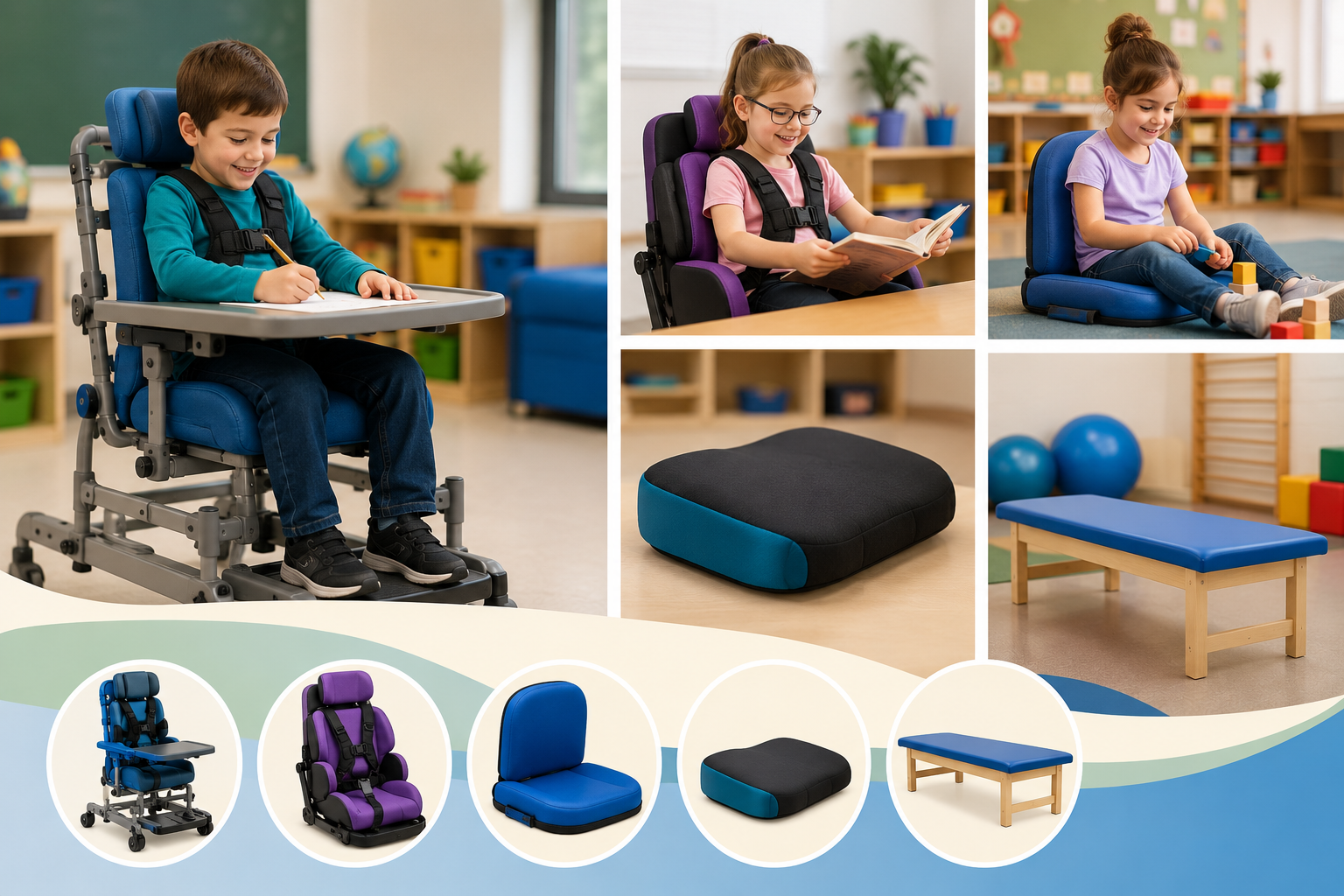
Comfortable positioning plays an important role in helping students participate in classroom activities such as reading, writing, computer use, art projects, and group discussions.
While every child's needs are unique, schools and therapy teams may recommend adaptive positioning products that help create supportive seating environments during the school day.
Common classroom positioning products include:
| Product Category | Common School Applications |
| Adaptive classroom chairs | Classroom learning and group activities |
| Positioning chairs | Reading, writing, and computer work |
| Floor sitters | Circle time and interactive classroom sessions |
| Positioning cushions | Additional seating support |
| Therapy benches | Therapy and classroom activities |
Proper positioning is typically determined by therapists, educators, and healthcare professionals based on individual educational and physical needs.
Adaptive classroom chairs are designed to provide supportive seating during classroom instruction. Many models include adjustable components that may help accommodate different positioning needs while students participate in educational activities.
Positioning chairs are designed to promote supported sitting during activities such as reading, writing, meals, and computer work. Features vary by product and may include adjustable supports and seating accessories.
Floor sitters are commonly used during circle time, group learning, and play-based activities. They provide an alternative seating option for children who require additional postural support while sitting on the floor.
Positioning cushions are designed to provide additional seating support and comfort. Depending on the product, they may help improve seating alignment during classroom or therapy activities.
Therapy benches are used in rehabilitation and educational settings for activities that involve sitting, reaching, balance, or therapeutic exercises under appropriate supervision.
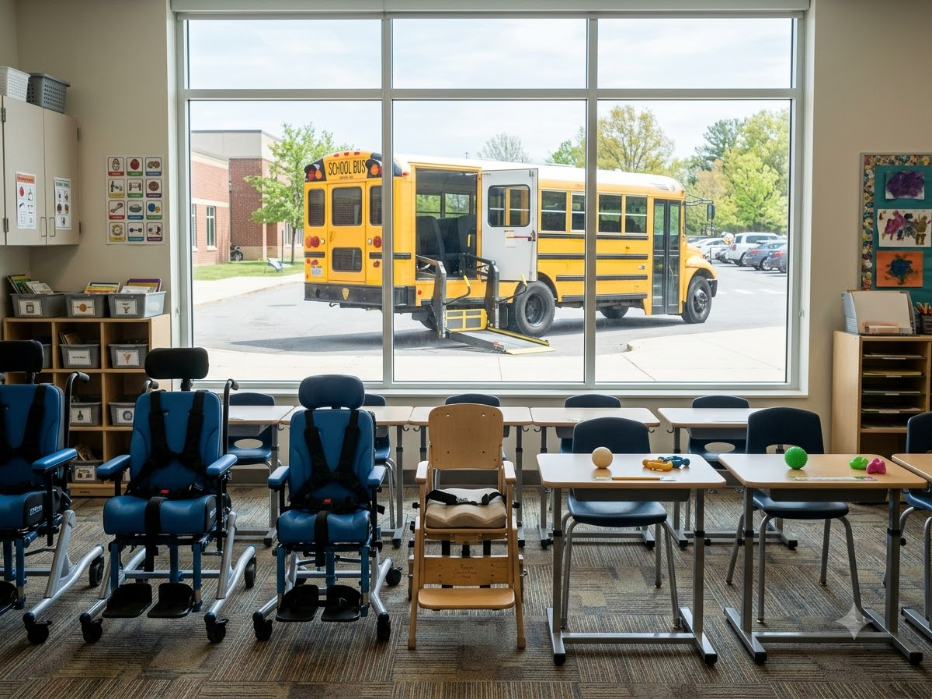
A well-organized classroom environment is about more than accessibility—it also helps students participate more comfortably in everyday learning experiences.
Teachers and caregivers may work together to ensure that adaptive seating and positioning equipment fits appropriately within the classroom while allowing enough space for movement, peer interaction, and educational activities.
Preparing classroom equipment before the first day of school may help reduce disruptions and support a smoother transition for both students and educators.
Getting to and from school is an important part of every student's daily routine. For children with special needs, transportation planning may involve reviewing adaptive equipment to help ensure it meets the requirements of school buses, family vehicles, or other transportation arrangements.
Before the school year begins, parents and caregivers may consider:
Open communication with school transportation teams may help support a smoother and more organized daily routine.
Back-to-school preparation is also a good opportunity to inspect and care for adaptive equipment that will be used throughout the school year. Regular maintenance may help keep equipment clean, organized, and ready for everyday use.
| Component | What to Check |
| Wheels & Tires | Signs of wear, damage, or reduced performance |
| Brakes | Proper engagement and release |
| Harnesses & Belts | Secure stitching and functioning buckles |
| Footrests | Stability and proper adjustment |
| Cushions | Wear, cleanliness, and positioning |
| Frames | Loose screws or visible damage |
When equipment is not in use:
Maintenance Reminder: Maintenance schedules and cleaning procedures vary by manufacturer. Always refer to the product's Instructions for Use (IFU) and consult your equipment provider if you have questions about care or replacement parts.
//4 back-to-school-special-needs-products
Preparing for the school year often means ensuring that adaptive equipment is ready to support daily routines both inside and outside the classroom. As a U.S.-based dealer and supplier of rehabilitation and home medical equipment, Medicaleshop offers a wide selection of products designed to meet the diverse needs of children with special needs.
Families, caregivers, schools, and therapy providers can explore categories such as:
Medicaleshop partners with established manufacturers to provide adaptive equipment commonly used in homes, schools, therapy clinics, and rehabilitation settings.
Compliance Notice: Medicaleshop is a dealer and supplier of medical, rehabilitation, and special needs products. We do not manufacture these products or provide medical advice, diagnosis, or treatment recommendations. Product selection should always be based on the recommendations of qualified healthcare professionals and educational teams.
Preparing early may help families avoid common challenges before the first day of school.
Some examples include:
Planning ahead allows more time to address repairs, update equipment, and coordinate with school staff when needed.
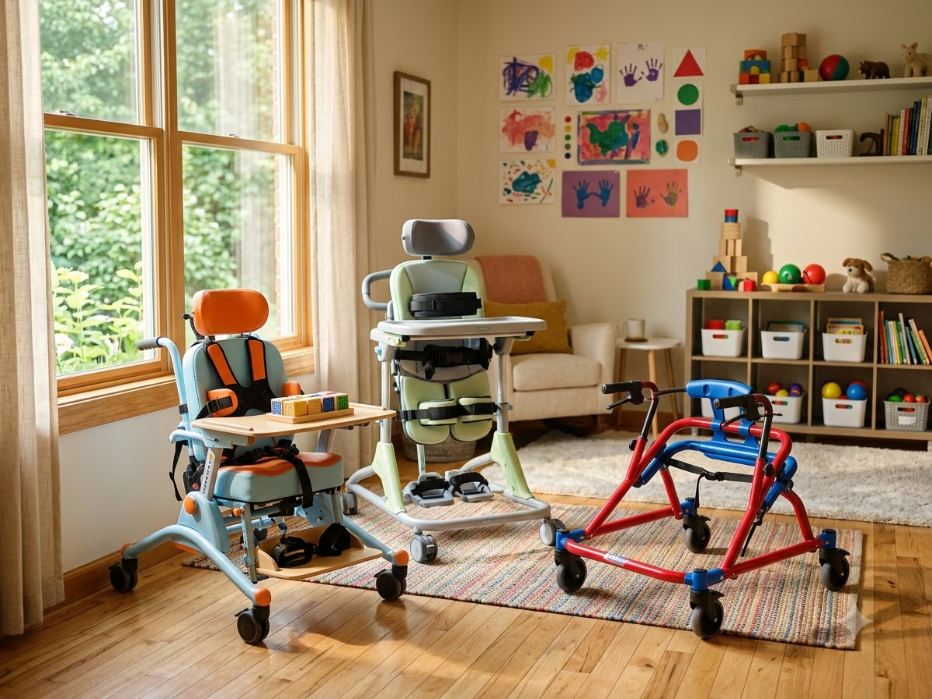
Back-to-school preparation for children with special needs extends beyond purchasing classroom supplies. Reviewing mobility equipment, classroom positioning products, transportation arrangements, and therapy essentials ahead of time may help create a more organized and supportive learning environment.
Whether your child uses an adaptive stroller, pediatric wheelchair, gait trainer, stander, or specialized seating system, having appropriate equipment available may support participation in everyday school activities.
Medicaleshop offers a wide range of adaptive mobility, positioning, rehabilitation, and classroom support products from trusted manufacturers to help families, caregivers, schools, and therapy providers prepare for the new academic year.
Explore Medicaleshop's Special Needs Kids collection to find adaptive mobility, classroom seating, positioning, and rehabilitation equipment that may help support students throughout the school year.
The information in this article is based on guidance and educational resources from the following organizations:
Frequently Asked Questions
Ans. Depending on individual needs and recommendations from healthcare professionals, adaptive equipment may include pediatric wheelchairs, adaptive strollers, gait trainers, standers, classroom seating systems, positioning cushions, and adaptive tricycles
Ans. It is generally recommended to inspect adaptive equipment before the beginning of the school year and perform routine checks according to the manufacturer's maintenance guidelines.
Ans. Schools may use adaptive classroom chairs, positioning systems, floor sitters, therapy benches, and other supportive seating products based on each student's educational and physical needs.
Ans. Appropriate positioning may help students participate more comfortably in classroom activities such as reading, writing, computer work, group learning, and therapy sessions when recommended by qualified professionals.
Ans. Adaptive strollers are commonly used for transportation on school campuses, field trips, and community outings when they meet the student's individual mobility and positioning needs.
Ans. Cleaning methods vary by manufacturer. Always follow the product's Instructions for Use (IFU) and use only manufacturer-approved cleaning procedures and products.
Ans. Parents may wish to review classroom accessibility, transportation arrangements, equipment storage, therapy schedules, emergency procedures, and any accommodations outlined in the student's Individualized Education Program (IEP) or Section 504 Plan, if applicable.
Ans. Medicaleshop offers a wide selection of mobility aids, classroom seating, positioning products, rehabilitation equipment, and other special needs solutions from established manufacturers for home, school, and therapy environments.
.avif&w=3840&q=75)
.avif&w=3840&q=75)