Discover 13 critical safety tips for caring for someone with limited mobility & learn to prevent falls, improve home accessibility, and commonly used mobility aids and home accessibility solutions.
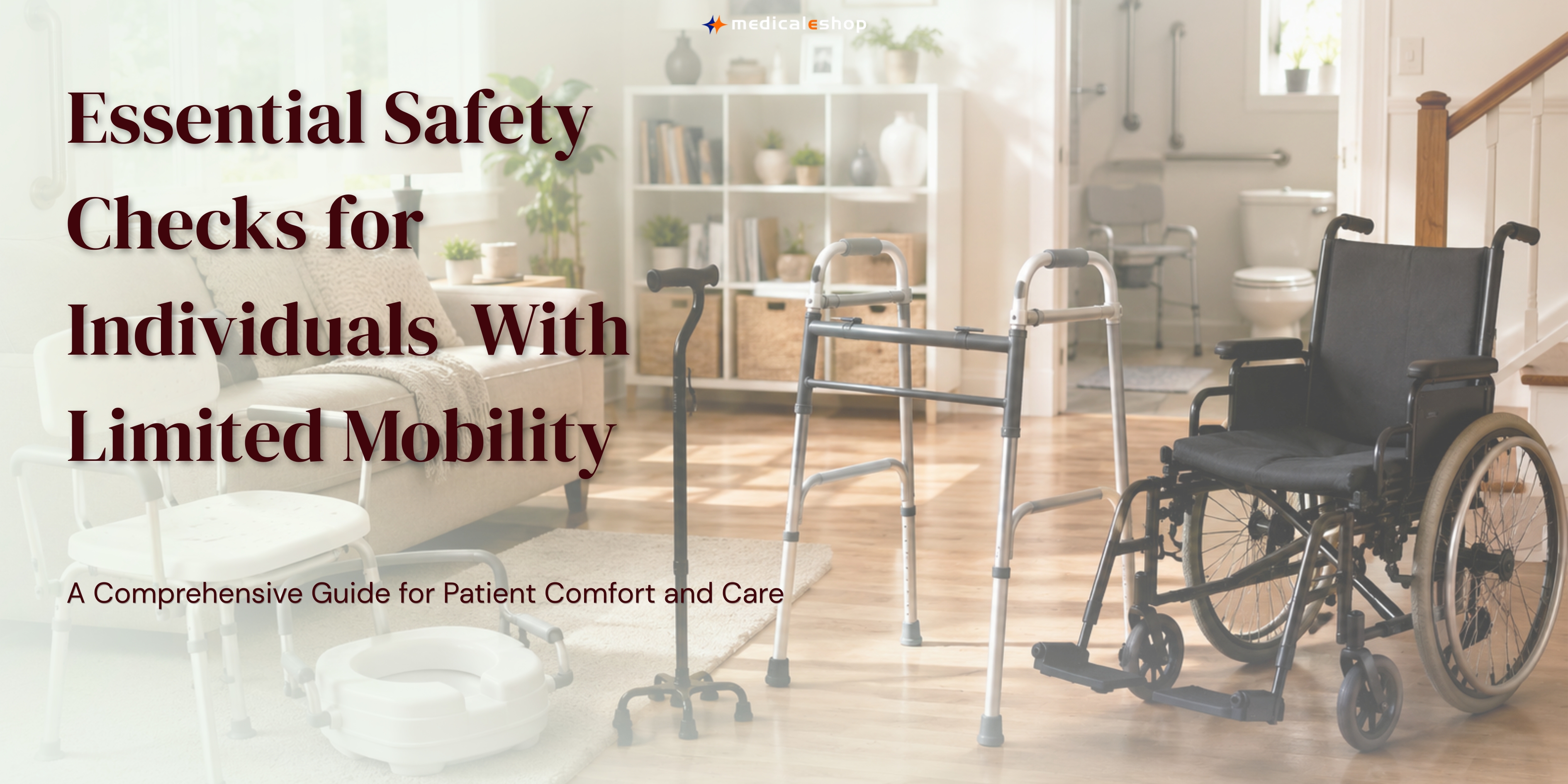
Supporting a family member with limited mobility often involves ongoing attention to both safety and daily comfort. Daily care extends beyond physical assistance and includes creating an environment that promotes safety, accessibility, comfort, and independence.
According to U.S. health agencies, falls remain one of the leading causes of injury among older adults. For individuals with mobility limitations, proactive home safety measures and appropriate mobility support can play an important role in reducing preventable risks. Whether a person relies on a wheelchair, walker, cane, or occasional assistance, identifying potential hazards throughout the home may help support safer daily movement and greater confidence.
Mobility limitations may result from aging, stroke, Parkinson's disease, multiple sclerosis neurological conditions, injury, surgery, arthritis, or other health-related factors. Safety needs vary considerably between individuals and should be evaluated on a case-by-case basis.
This guide outlines 13 important safety considerations for caregivers, along with practical recommendations and commonly used mobility, accessibility, and rehabilitation solutions.
Medical Disclaimer: This article is for educational and informational purposes only and does not constitute medical advice, diagnosis, or treatment. Always consult a licensed physician, physical therapist, occupational therapist, or qualified healthcare professional regarding individual medical needs, mobility concerns, and equipment selection.
Quick Safety Checklist for Limited Mobility Care
| Safety Area | Why It Matters |
| Fall Prevention | Reduces injury risk |
| Proper Lighting | Improves visibility |
| Mobility Equipment | Supports independence |
| Bathroom Safety | Prevents slips and falls |
| Transfer Assistance | Reduces caregiver injuries |
| Skin Protection | Helps prevent pressure injuries |
| Home Accessibility | Improves daily movement |
| Emergency Access | Enables faster response during emergencies |
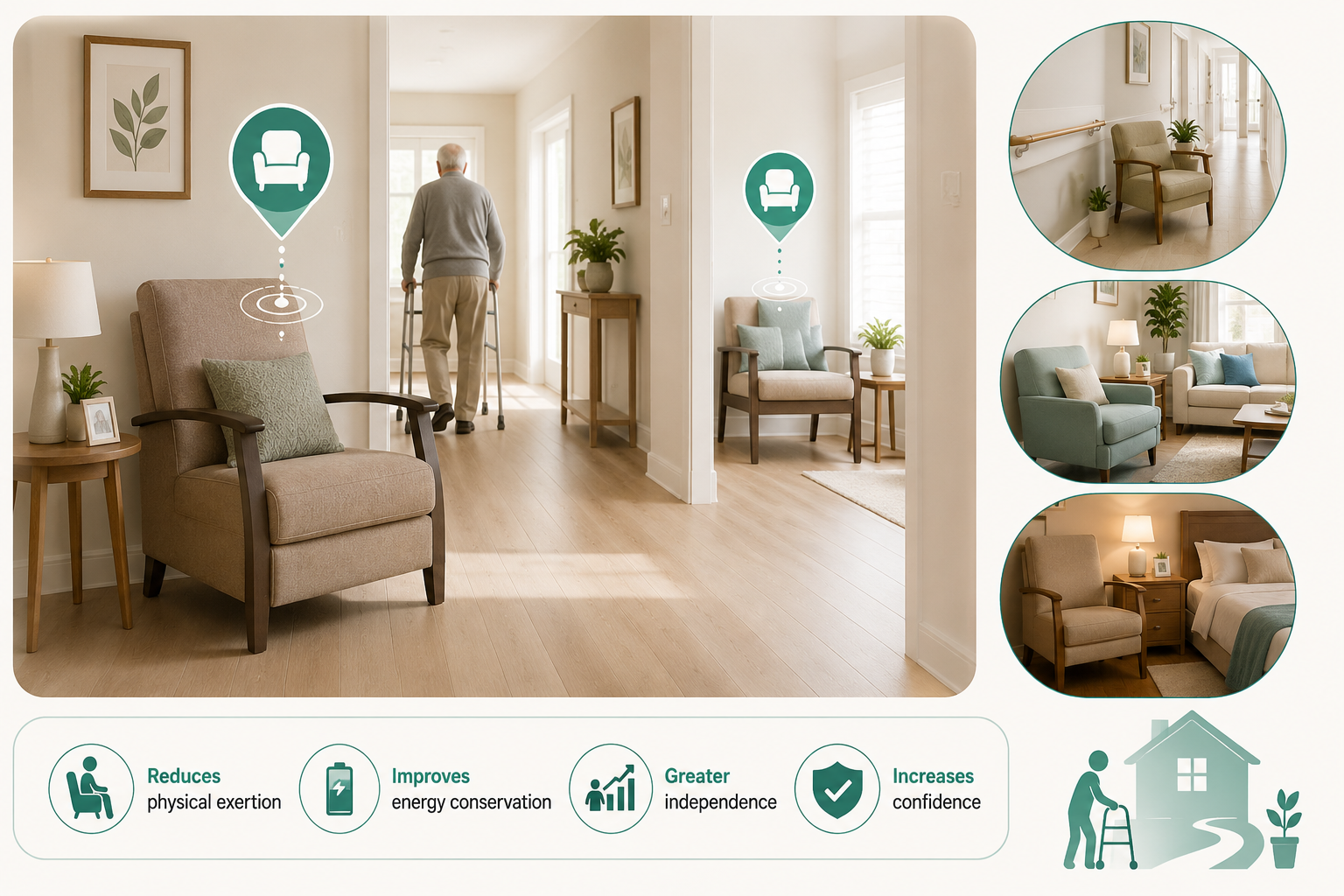
Moving between rooms can require considerable effort for individuals with limited mobility, particularly those recovering from illness, surgery, or age-related physical changes.
Creating designated rest areas throughout the home may help reduce physical strain and support safer movement. Comfortable seating with sturdy armrests placed in hallways, living areas, or other frequently used spaces can provide convenient opportunities to rest when needed.
This strategy may be particularly helpful for individuals who fatigue easily due to neurological conditions, respiratory disorders, or recovery from surgery.
Potential benefits may include:
Dimly lit areas significantly increase fall risk.
Pay special attention to:
Installing motion-sensor lighting and nightlights in bedrooms and bathrooms can help improve nighttime safety while reducing unnecessary caregiver assistance.
Many falls occur because of preventable environmental hazards.
Common dangers include:
Conduct a weekly safety inspection to identify and remove potential obstacles. Seasonal hazards such as wet entryways and outdoor debris should also be monitored.
While decorative rugs may enhance home aesthetics, loose rugs and unsecured floor coverings are commonly associated with household falls.
| Risky Option | Safer Option |
| Loose rugs | Non-slip flooring |
| Thick carpets | Low-pile carpeting |
| Curled rug edges | Secured anti-slip mats |
If removing rugs is not possible, use high-quality non-slip backing materials to secure them firmly.
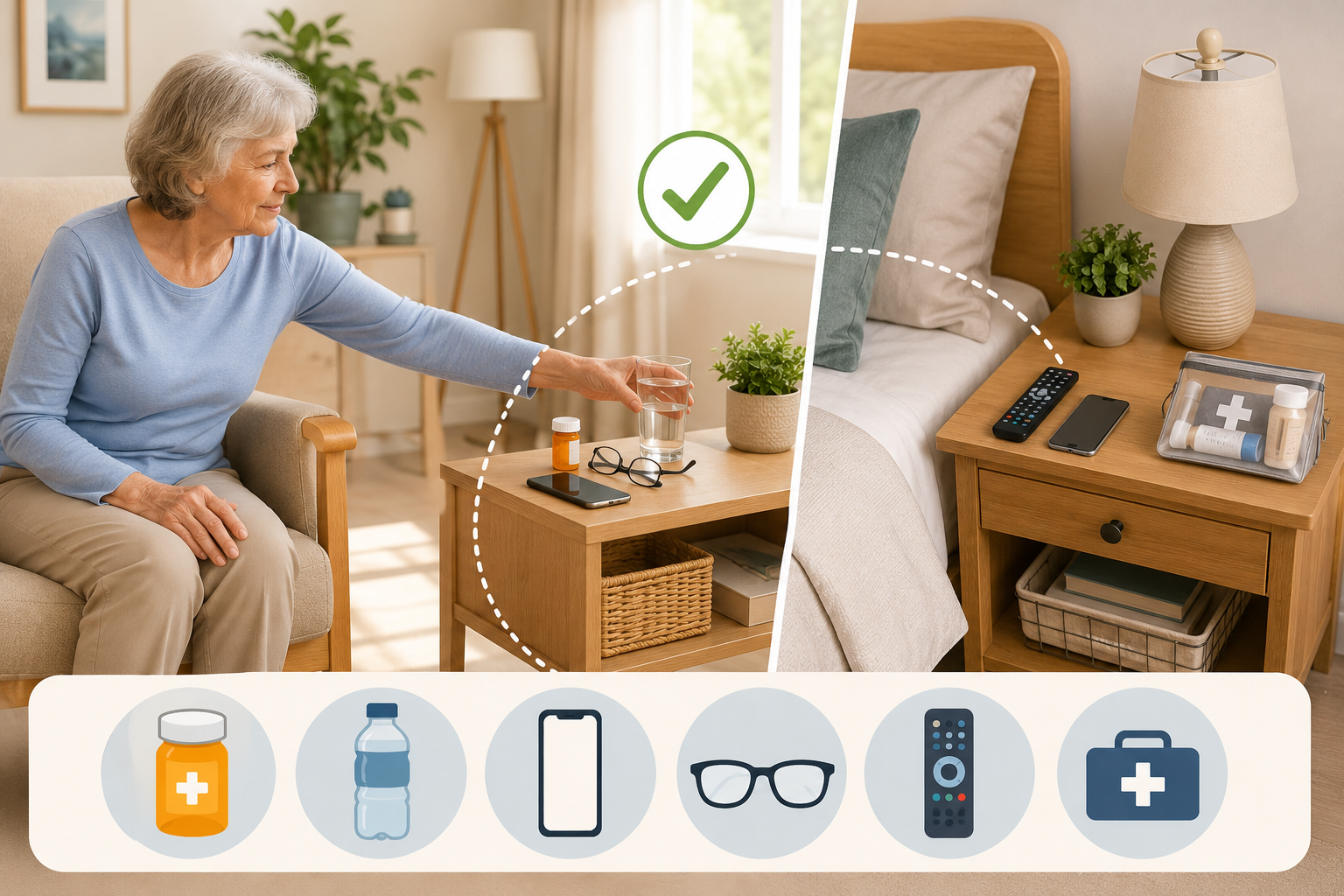
Repeated bending, stretching, or reaching can increase injury risk.
Store essentials such as:
within easy reach of commonly used seating and sleeping areas.
A properly fitted wheelchair may help support mobility, comfort, and participation in daily activities.
However, caregivers should routinely inspect Walking Aids Accessories such as
Improper wheelchair positioning may contribute to discomfort, pressure injuries, and transfer difficulties.
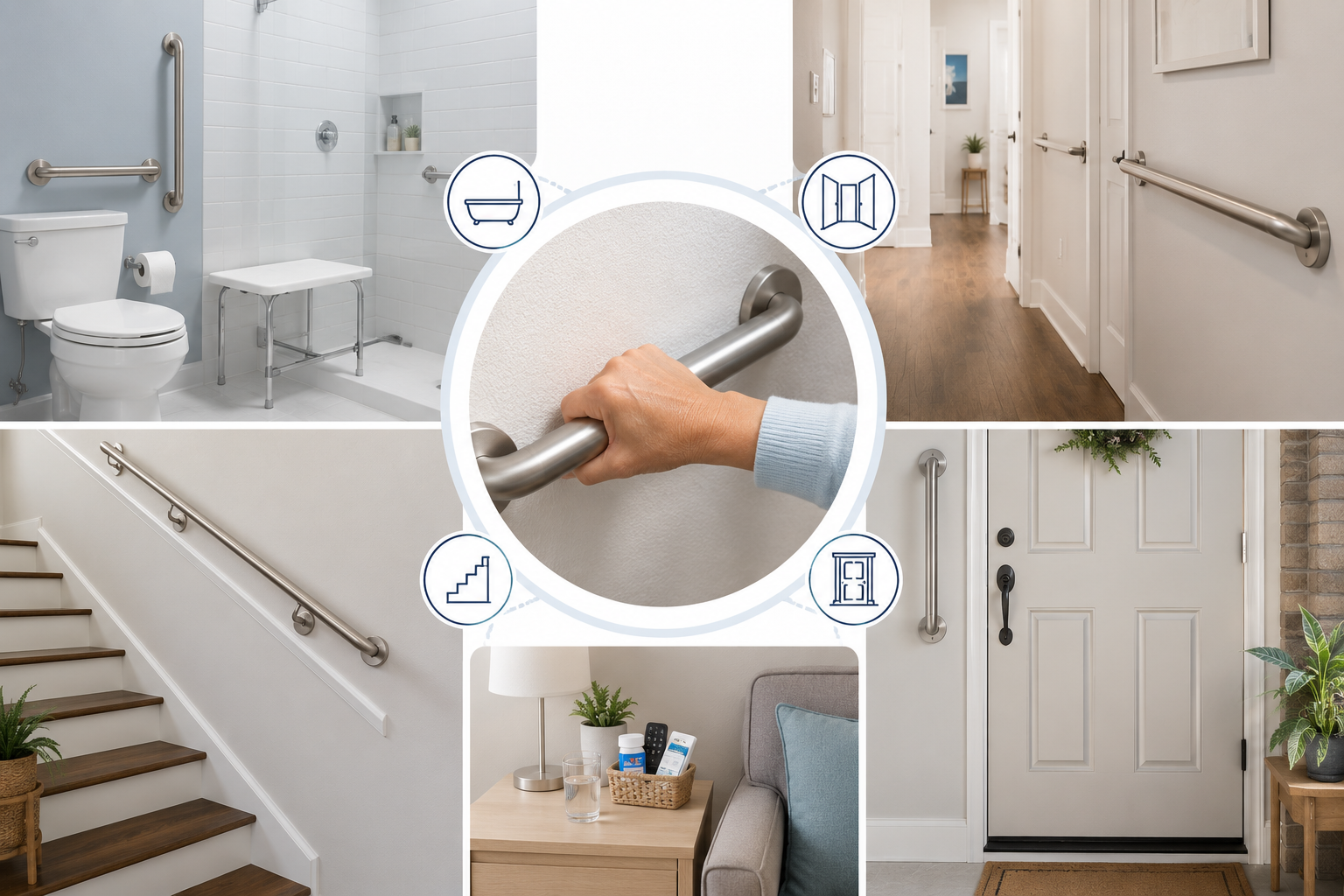
Properly installed rails provide critical support and stability.
Priority locations include the following:
Grab rails can improve confidence during transfers and reduce dependence on caregivers. Grab bars should be installed according to manufacturer specifications.
Important: Installation requirements vary based on wall structure and user needs. Consult a qualified professional when necessary.
The bathroom is one of the most common locations for slips and falls due to wet surfaces, confined spaces, and frequent transfers.
Taking preventive measures early may help improve safety and reduce the risk of injury. Depending on an individual's mobility needs, commonly used bathroom safety accessories may include:
Equipment selection should be based on individual abilities, environmental considerations, and healthcare provider recommendations when appropriate.
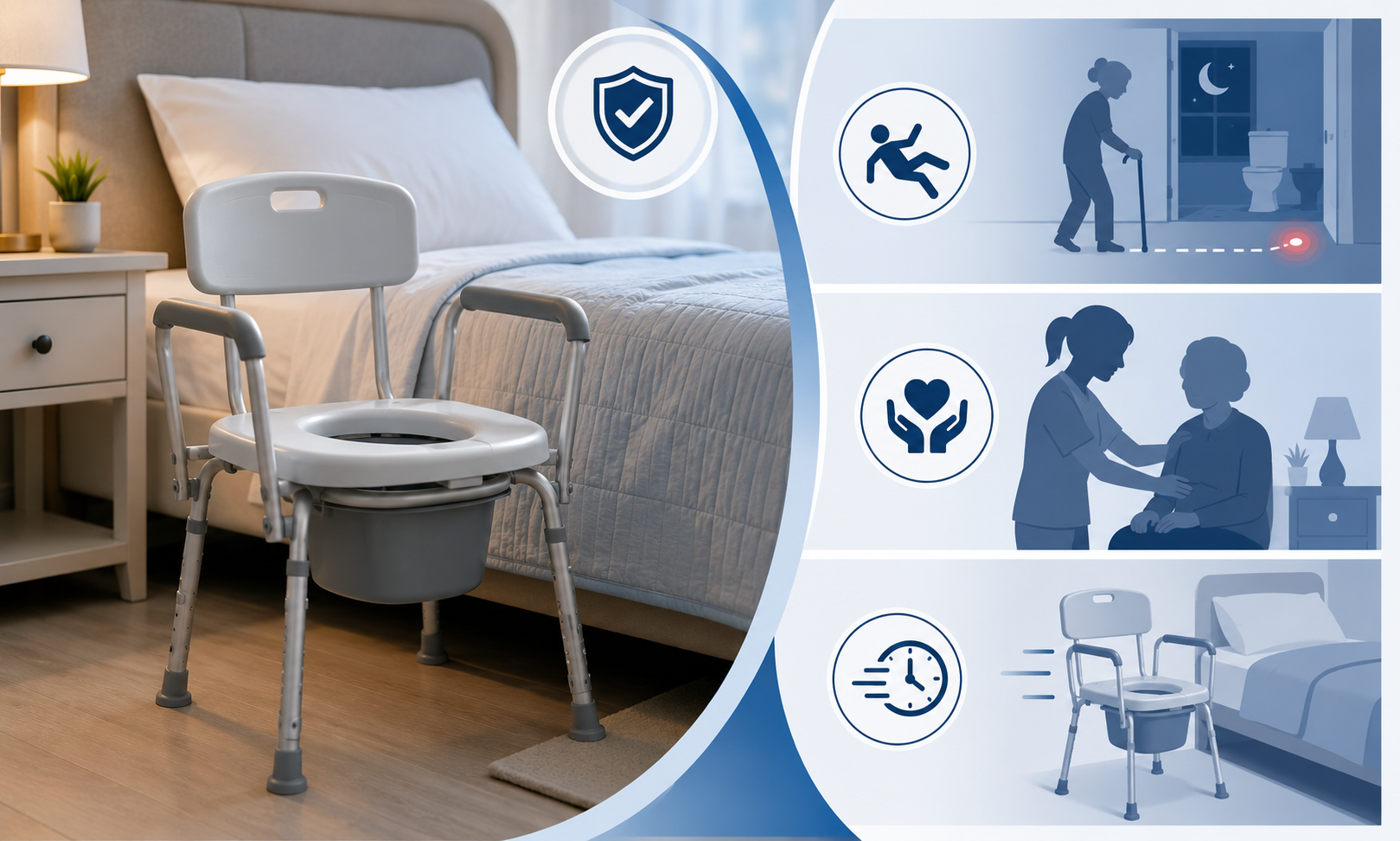
A commode can reduce the need for frequent nighttime bathroom trips. Bedside commodes are commonly used during recovery periods, overnight care, or when bathroom access is limited.
Benefits include:
Individuals with reduced mobility may spend prolonged periods sitting or lying down.
Warning signs include:
Regular repositioning and pressure-relief cushions may help reduce risk.
Consult a healthcare professional immediately if skin breakdown is suspected.
//5 stair-safety-regularly
Stairs can become increasingly difficult as mobility declines.
Warning signs include:
For long-term accessibility, a stairlift may be worth considering. A home accessibility assessment may help identify whether stair modifications or alternative mobility solutions are appropriate.
Transfers between beds, wheelchairs, recliners, and toilets present significant injury risks for both caregivers and patients.
Best practices include:
Occupational therapists and physical therapists can provide individualized transfer training.
Limited mobility affects more than physical health.
Many individuals experience the following:
Encourage participation in:
Maintaining emotional wellness can be just as important as addressing physical mobility challenges. Caregivers should also monitor for changes in mood, withdrawal from social activities, or reduced engagement in previously enjoyed hobbies.
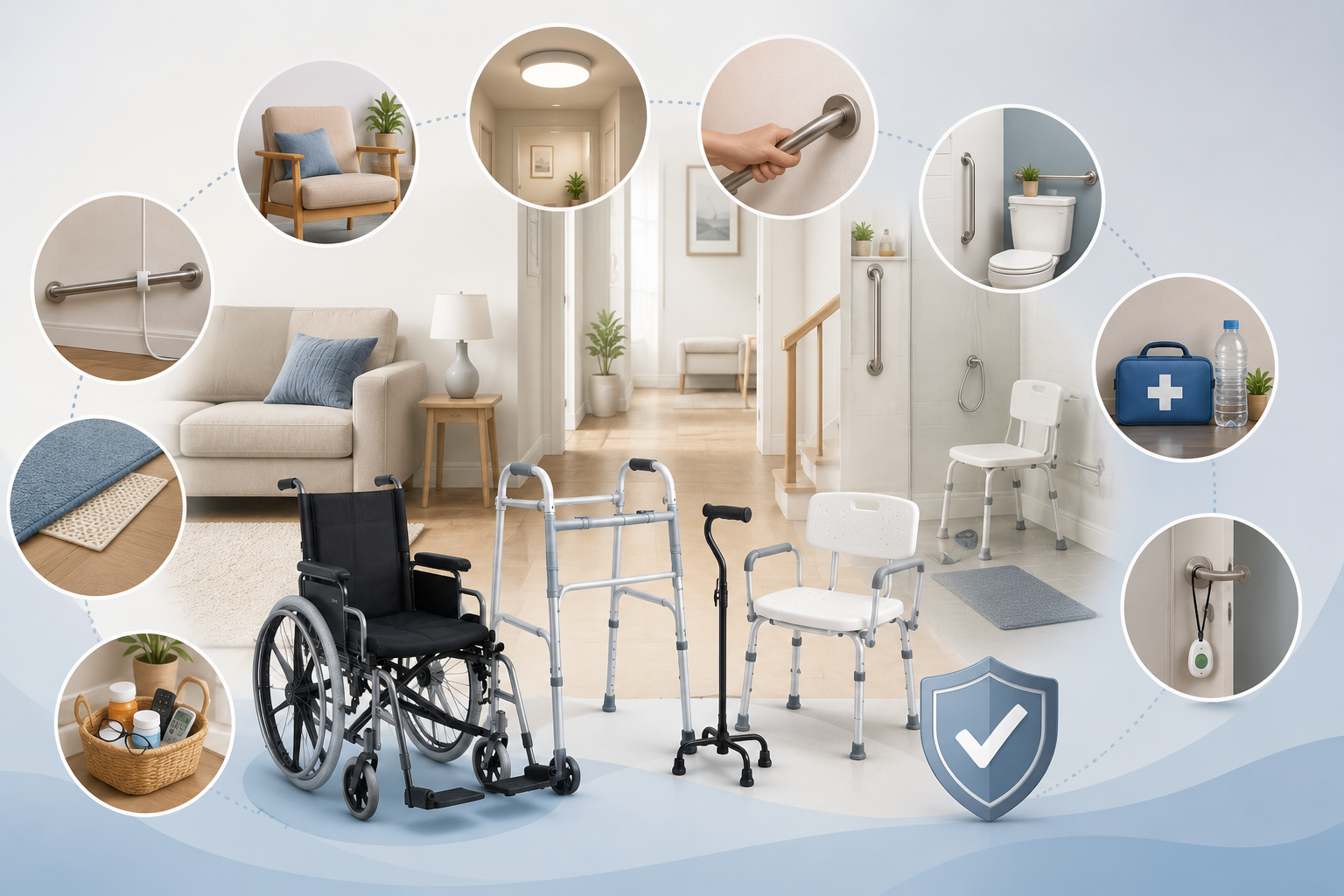
A variety of mobility and rehabilitation products are commonly used to support safety and independence at home. Medicaleshop carries many of these product categories.
| Product Category | How It Helps |
| Wheelchairs | Supports safe and independent mobility |
| Walkers & Rollators | Improves balance and stability |
| Patient Lifts & Transfer Aids | Assists with safer transfers |
| Stairlifts & Ramps | Enhances home accessibility |
| Commodes | Provides convenient toileting support |
| Bathroom Safety Products | Helps reduce slips and falls |
| Hospital Beds | Improves comfort and positioning |
| Pressure Relief Cushions | Supports skin protection and comfort |
| Grab Rails & Bed Rails | Provides additional stability and support |
Medical Disclaimer: Mobility and rehabilitation equipment should be selected based on individual needs and guidance from a qualified healthcare professional when appropriate.
Medicaleshop provides access to a broad range of mobility, rehabilitation, and accessibility products commonly used in home care settings. Product selection should be based on individual needs, environmental factors, and healthcare provider recommendations when appropriate.
Supporting an individual with limited mobility requires ongoing attention to safety, accessibility, equipment suitability, and emotional well-being. Small modifications throughout the home combined with appropriate mobility and rehabilitation equipment may help reduce everyday challenges and support greater independence. Regular reassessment of mobility needs and home safety conditions can help caregivers adapt as circumstances change over time.
Looking for trusted mobility and rehabilitation products? Explore Medicaleshop's extensive collection of wheelchairs, patient lifts, commodes, transfer aids, and home accessibility solutions to help your loved one stay safer, more comfortable, and more independent.
For additional evidence-based guidance on mobility, fall prevention, caregiving, and aging in place, refer to:
Medical Disclaimer: Medicaleshop is a medical and rehabilitation equipment supplier. Product information provided is intended for educational purposes only and should not replace professional medical advice, diagnosis, treatment, or individualized clinical recommendations.
Frequently Asked Questions
Ans. Falls, pressure injuries, muscle weakness, social isolation, and difficulties performing daily activities are among the most common concerns.
Ans. Removing clutter, securing rugs, improving lighting, installing rails, and using appropriate mobility equipment can significantly reduce fall risks.
Ans. The decision should be based on individual mobility needs and recommendations from qualified healthcare professionals.
Ans. For some individuals, a bedside commode may reduce nighttime fall risk and improve convenience. Healthcare professionals can help determine the most appropriate option.
Ans. For homes with multiple levels and long-term mobility challenges, stairlifts can improve accessibility and support aging in place.
.avif&w=3840&q=75)
.avif&w=3840&q=75)