Learn about the early symptoms of high blood pressure (hypertension), common reasons for hypertension, and practical hypertension self-care strategies to support overall cardiovascular health. This educational guide explores potential warning signs such as headaches, dizziness, blurred vision, fatigue, and shortness of breath, while highlighting the importance of regular blood pressure monitoring and timely medical evaluation. You'll also discover how home monitoring devices and supportive medical equipment may assist with daily health management. Whether you're looking to better understand blood pressure concerns or support a loved one, this guide provides helpful information backed by trusted healthcare resources and organizations.
High blood pressure, also known as hypertension, occurs when the force of blood against the artery walls remains consistently elevated over time. According to the National Council on Aging (NCOA) and the American Heart Association (AHA), nearly half of U.S. adults have high blood pressure, yet many are unaware they have it.
Although hypertension frequently develops without noticeable warning signs, some individuals may experience subtle physical changes that could be associated with elevated blood pressure levels. Recognizing potential symptoms and monitoring blood pressure regularly may help support earlier medical evaluation and ongoing cardiovascular health management.
Medical Disclaimer: This article is for educational purposes only and should not be considered medical advice, diagnosis, or treatment. Medicaleshop is a supplier of home medical and rehabilitation products and is not a manufacturer, hospital, or licensed healthcare provider. Always consult a qualified healthcare professional regarding high blood pressure, symptoms, or blood pressure monitoring concerns. Content reviewed for factual accuracy using publicly available resources from the CDC, American Heart Association, and NCOA.
Hypertension is the medical term used to describe persistently elevated blood pressure. Blood pressure readings are measured using two numbers that reflect how blood moves through the arteries during and between heartbeats.
| Blood Pressure Reading | Meaning |
| Systolic Pressure | Pressure when the heart beats |
| Diastolic Pressure | Pressure when the heart rests between beats |
According to the American Heart Association, uncontrolled high blood pressure may increase the risk of heart disease, stroke, kidney complications, and other long-term health concerns.
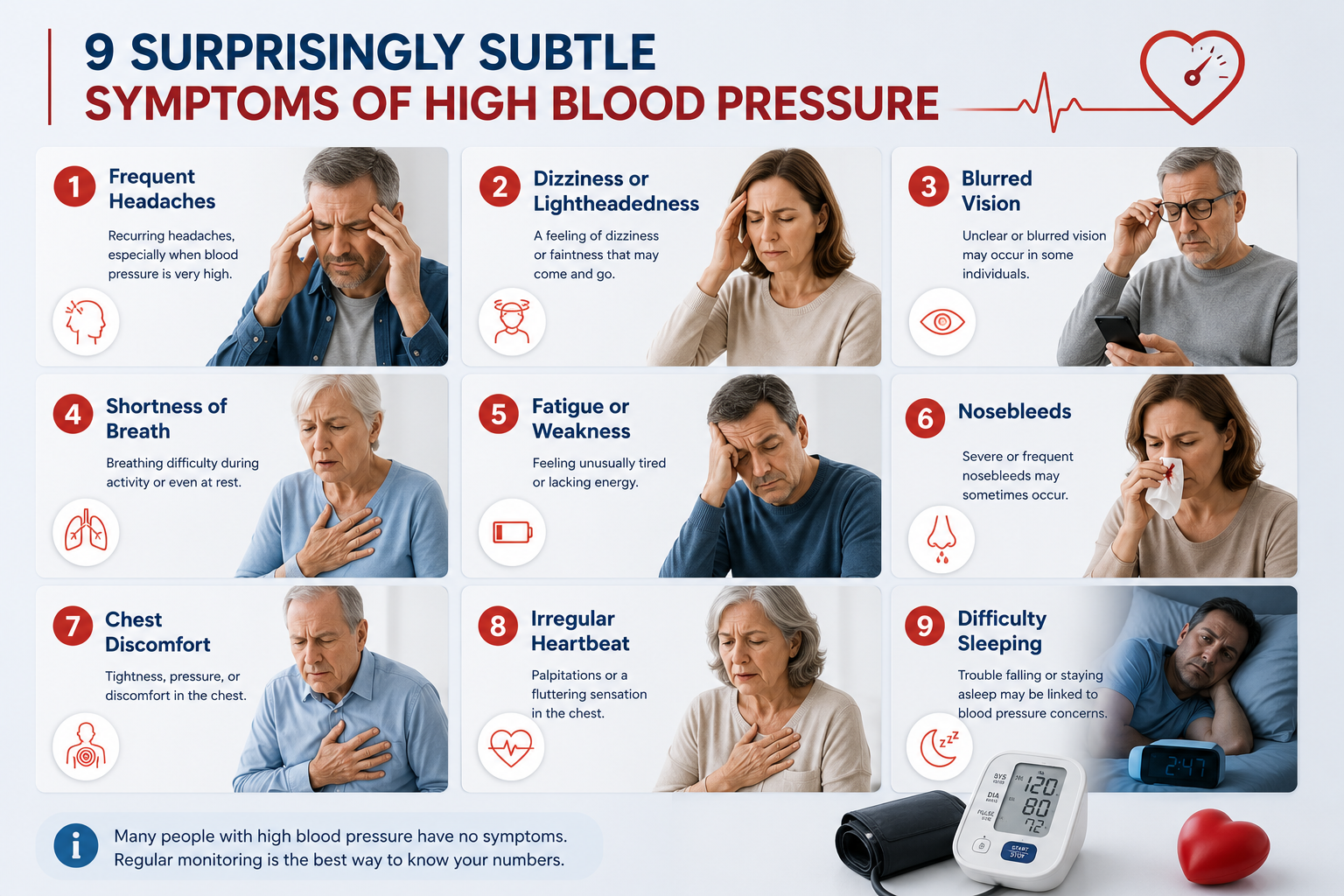
Many people with high blood pressure experience no symptoms at all. However, the following symptoms may sometimes occur alongside hypertension or elevated blood pressure levels.
Some people with high blood pressure symptoms may notice recurring headaches, particularly when blood pressure levels become significantly elevated. While headaches can occur for many reasons, persistent or severe headaches should be discussed with a healthcare provider.
Research shows headaches are not always a reliable indicator of hypertension and often occur when blood pressure is severely elevated.
Dizziness or lightheadedness may sometimes be associated with blood pressure changes, dehydration, medication effects, or circulation-related concerns. Ongoing dizziness should always be medically evaluated to help determine the underlying cause.
Note: Dizziness has many possible causes and is not considered a definitive symptom of hypertension.
Changes in vision, including blurred or unclear vision, may occur in some individuals with uncontrolled hypertension. Sudden or worsening vision changes should never be ignored and may require prompt medical attention.
Note: Long-term uncontrolled hypertension may contribute to blood vessel changes affecting vision.
Shortness of breath may occur alongside hypertension-related cardiovascular conditions or other medical concerns during physical activity or routine daily movement. Because breathing difficulties can be linked to several medical conditions, it is important to seek medical evaluation if symptoms persist or worsen.
Feeling unusually tired, fatigued, or physically weak may sometimes occur alongside cardiovascular strain or elevated blood pressure. Although fatigue alone does not confirm hypertension, persistent symptoms should be discussed with a healthcare professional.
Occasional nosebleeds are relatively common and are not always related to high blood pressure. However, severe or frequent nosebleeds may sometimes occur when blood pressure levels become significantly elevated. Evidence linking routine nosebleeds to hypertension remains limited, although severe hypertension may sometimes coincide with nosebleeds.
Chest tightness, pressure, or discomfort should always be taken seriously, particularly when accompanied by dizziness, shortness of breath, or pain radiating to the arm or jaw.
Important: Seek immediate medical attention for severe chest pain, breathing difficulty, or symptoms that may indicate a medical emergency.
Some individuals may notice heart palpitations, fluttering sensations, or irregular heartbeat patterns alongside elevated blood pressure. Concerns related to heart rhythm should always be evaluated by a qualified healthcare professional.
Note: Heart palpitations are not always caused by hypertension and can occur due to stress, caffeine intake, or underlying cardiac conditions.
Poor sleep quality, restlessness, or difficulty sleeping may sometimes be associated with stress, cardiovascular concerns, or hypertension-related factors. Sleep disturbances that continue over time should be discussed with a healthcare provider.
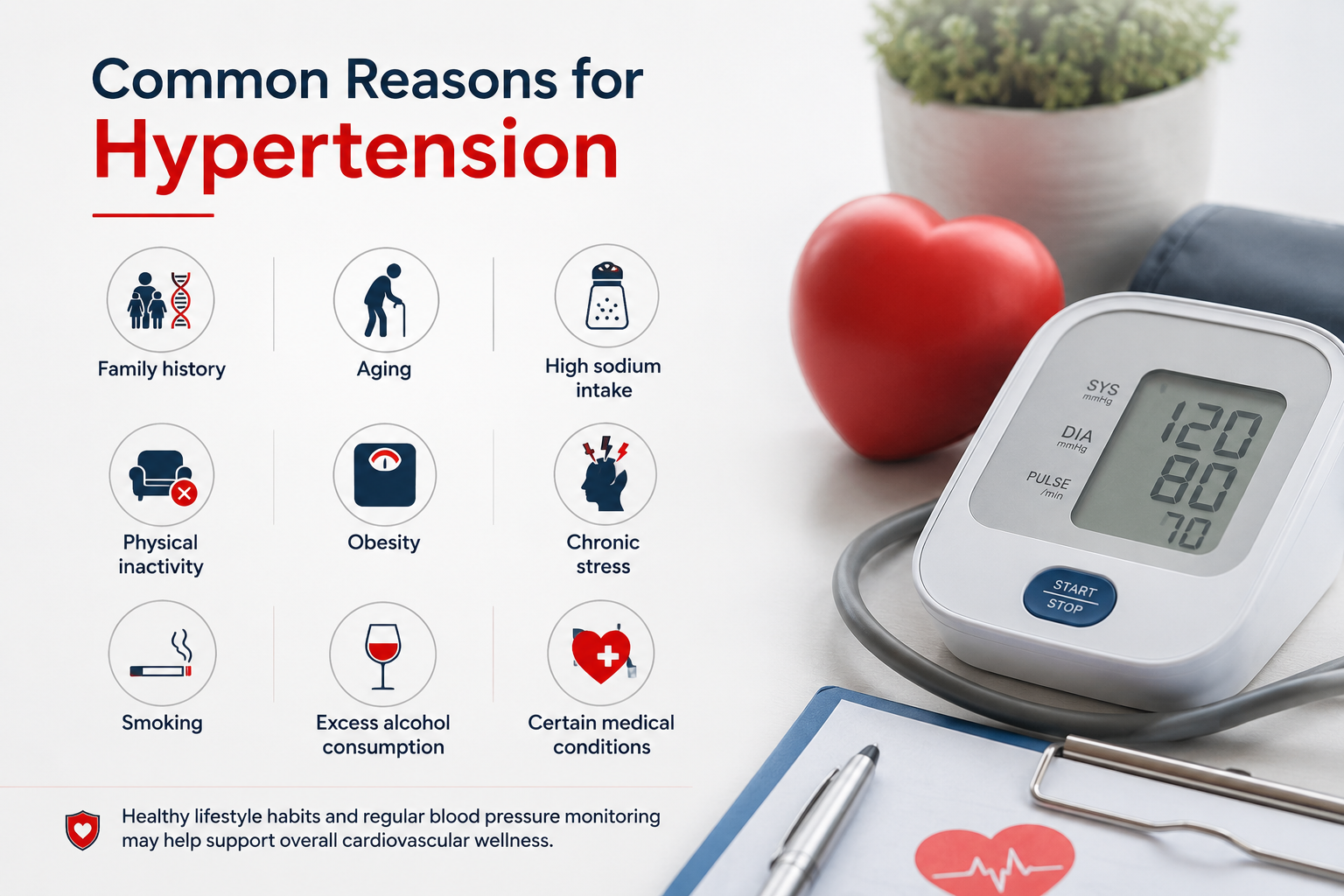
Several lifestyle, age-related, and medical factors may contribute to the development of high blood pressure.
Possible Reasons for Hypertension May Include
According to the Centers for Disease Control and Prevention (CDC), healthy lifestyle habits and regular blood pressure monitoring may help support overall cardiovascular wellness.
Healthcare providers may recommend lifestyle modifications and regular monitoring as part of a hypertension self-care plan. These supportive habits may help individuals better manage blood pressure and maintain overall cardiovascular health.
Individuals with high blood pressure and mobility limitations may also use the following
| Self-Care Tip | Potential Benefit |
| Monitor blood pressure regularly | Helps track blood pressure trends |
| Stay physically active | Supports heart health |
| Reduce sodium intake | May support healthy blood pressure levels |
| Maintain healthy weight | Supports cardiovascular wellness |
| Follow prescribed medications | Based on healthcare provider guidance |
| Manage stress | Supports overall well-being |
Medical Disclaimer: Lifestyle changes and blood pressure management plans should always be discussed with a licensed healthcare provider.
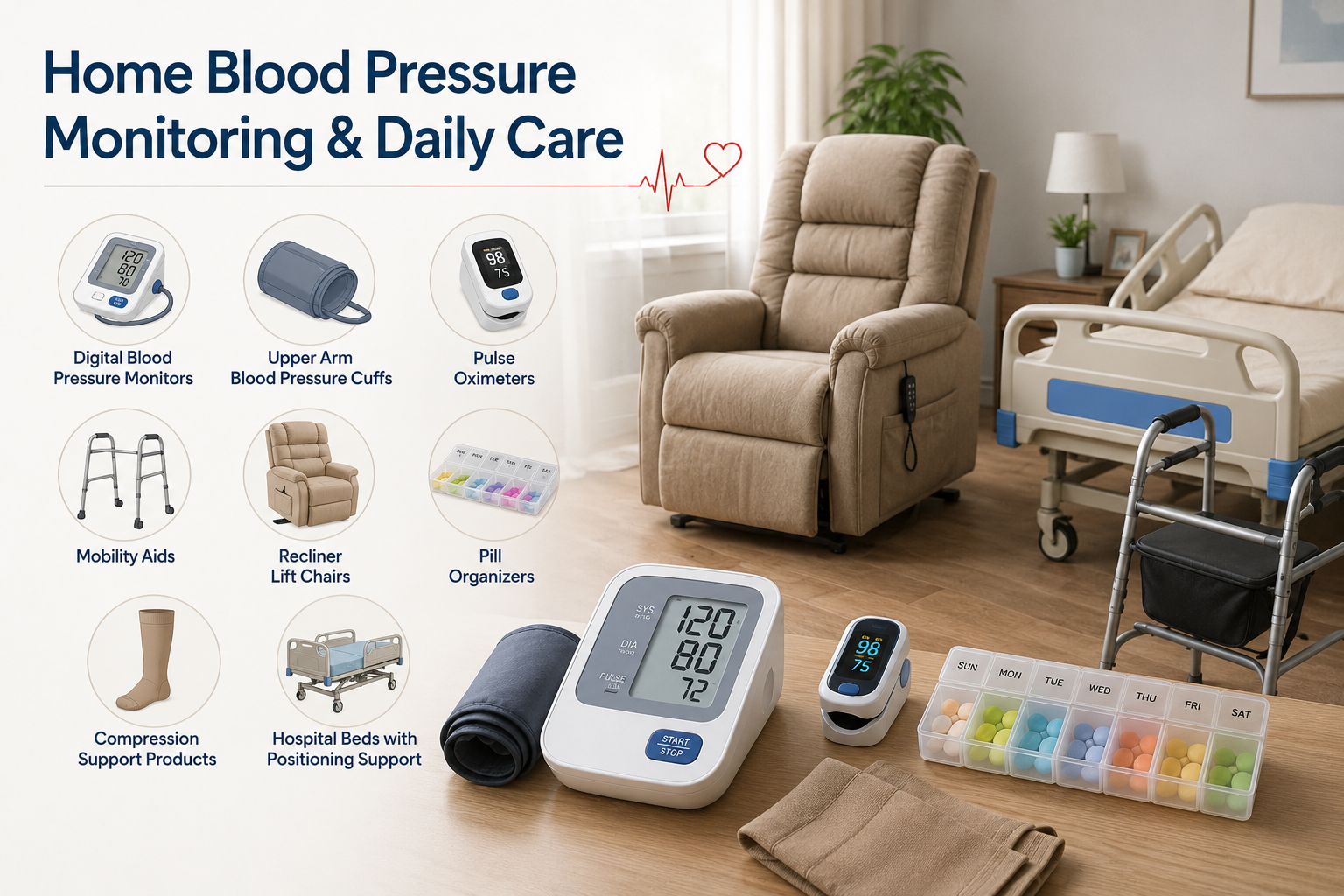
Medicaleshop provides access to a variety of home medical products commonly used to support home blood pressure monitoring and daily cardiovascular care routines.
Commonly Used Products May Include
These products are commonly used in home care, rehabilitation, and senior care environments to help support daily health monitoring and comfort.
Disclaimer: Product selection should always be based on healthcare provider recommendations, patient needs, and manufacturer instructions.
High blood pressure symptoms should not be ignored, especially when symptoms appear suddenly or become severe.
Seek Immediate Medical Care If You Experience
These symptoms may indicate a serious medical condition and require urgent evaluation by a healthcare professional.
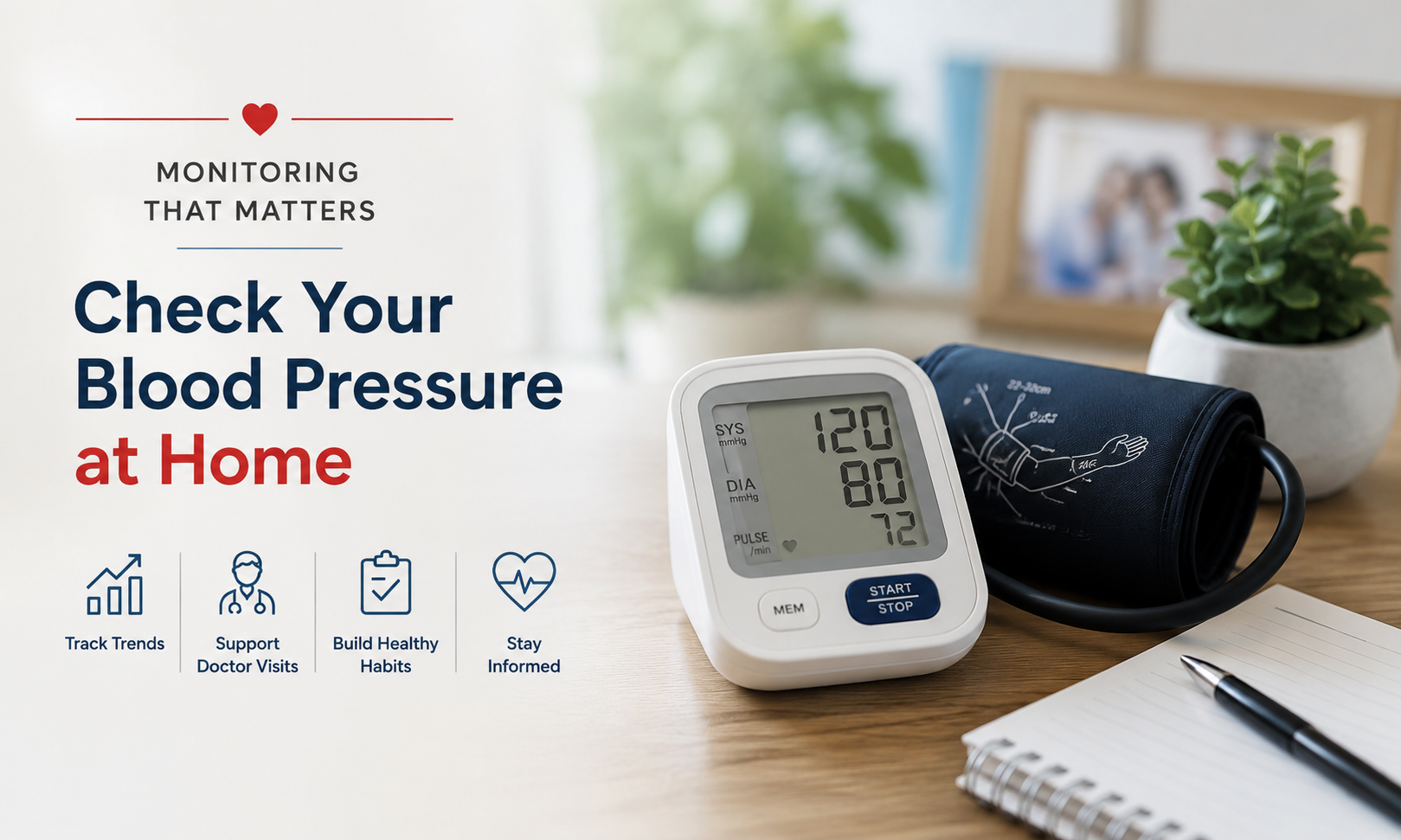
Home blood pressure monitoring is commonly recommended by healthcare providers for individuals managing BP or other cardiovascular concerns. Regular monitoring at home may help individuals better understand blood pressure trends and support ongoing discussions with healthcare professionals.
Monitoring blood pressure at home may help:
However, home readings should not replace professional medical evaluation or emergency care when symptoms are severe.
Managing high blood pressure often involves a combination of medical guidance, healthy lifestyle habits, routine monitoring, and ongoing self-care practices. For many individuals, long-term blood pressure management also includes regular follow-up appointments and the use of supportive home medical equipment.
Individuals living with hypertension may benefit from:
Supportive home medical equipment may help improve comfort, monitoring routines, and caregiving support for individuals managing hypertension at home.
High blood pressure is a common condition that may develop gradually and, in many cases, without obvious symptoms. While some individuals with hypertension may not notice warning signs, symptoms such as headaches, dizziness, blurred vision, fatigue, or shortness of breath should not be overlooked, especially when they become persistent or severe. Regular blood pressure monitoring and timely medical evaluation may help support earlier identification and ongoing cardiovascular health management.
At Medicaleshop, we provide access to home medical and rehabilitation products commonly used to support blood pressure monitoring and daily wellness routines. Explore products such as digital blood pressure monitors, mobility aids, recliner lift chairs, positioning equipment, and home care supplies designed to support comfort and home health management needs.
Medical Disclaimer: Always consult a licensed healthcare professional before making changes to blood pressure management routines, medications, or home monitoring practices.
The information in this article was referenced from publicly available healthcare resources, including:
Frequently Asked Questions
Ans. Some people with high blood pressure may experience headaches, dizziness, blurred vision, fatigue, or shortness of breath. However, many individuals with hypertension may not notice symptoms.
Ans. High blood pressure may sometimes be associated with headaches, especially when blood pressure becomes significantly elevated.
Ans. Seek immediate medical attention for symptoms such as chest pain, difficulty breathing, fainting, severe headache, sudden confusion, or vision loss.
Ans. Blood pressure monitoring typically involves digital blood pressure monitors and blood pressure cuffs. Some individuals may also use other home health monitoring devices such as pulse oximeters.
.avif&w=3840&q=75)
.avif&w=3840&q=75)