Therapeutic pillows are designed for different positioning, comfort, and support needs, but choosing the right option can be confusing. From cervical pillows and leg pillows to pregnancy pillows and specialized positioning products, each design serves a different purpose. This guide explains the main types of therapeutic pillows, factors to consider when selecting one, and how sleep position, posture, spinal alignment, and individual support needs can influence your choice. It also introduces selected products available at MedicalEshop to help you compare options. Learn what to look for, when professional guidance may be helpful, and how to make a more informed purchasing decision.
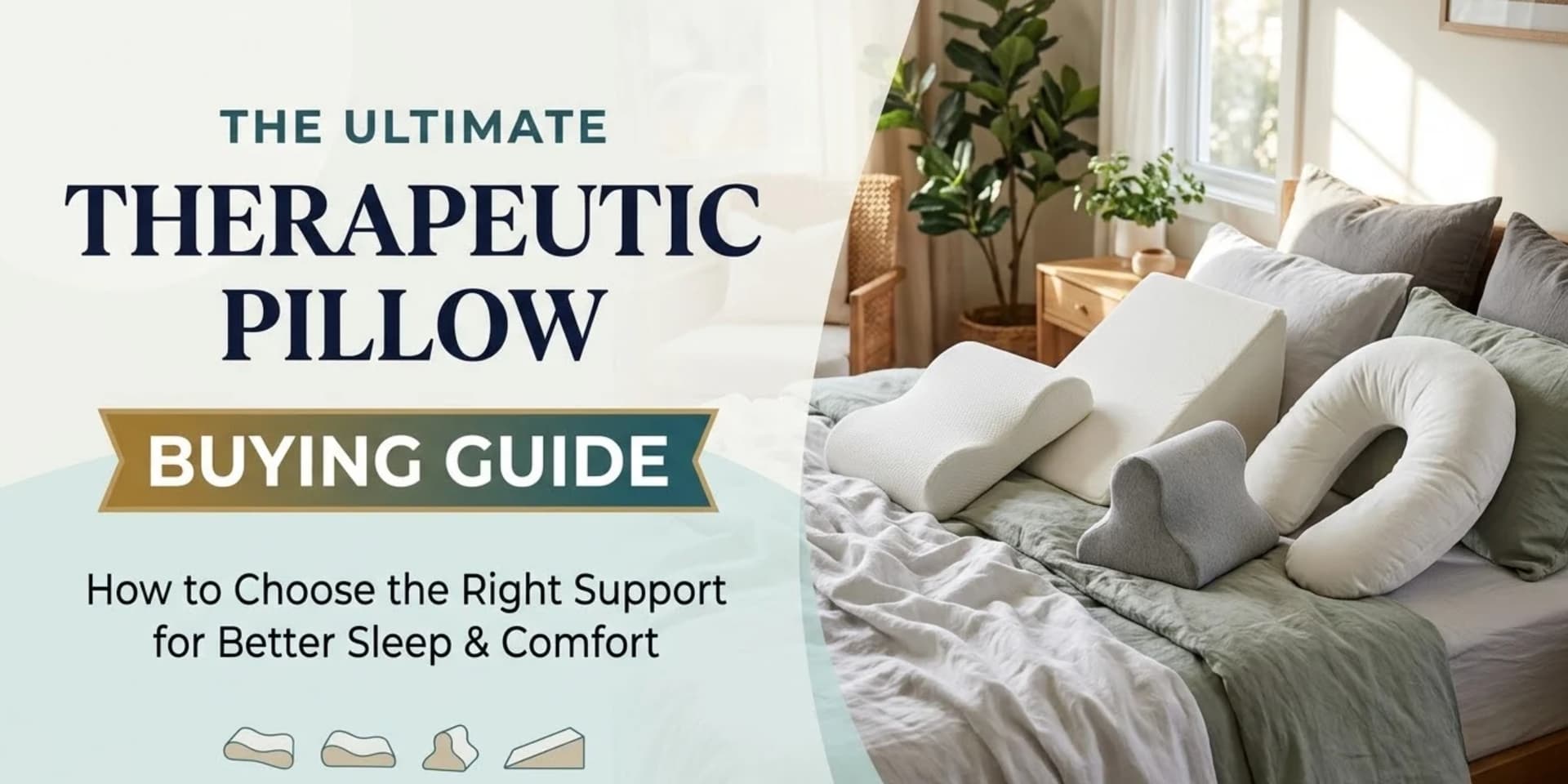
Therapeutic pillows are specialty pillows designed to provide targeted support for specific body areas, sleeping positions, or positioning needs. Unlike standard pillows, which are generally used to cushion the head, therapeutic pillows may feature contoured shapes, supportive materials, or designs intended to help position the neck, legs, or other areas of the body.
Depending on their design, these pillows may support:
The term therapeutic pillow covers a broad range of products. Some are intended for everyday sleep, while others are specialized positioning aids for particular care settings or individual needs.
Choosing the right pillow may improve comfort and help support a preferred sleep position. However, a pillow is not a substitute for medical evaluation or treatment, and no single design is suitable for everyone.
Therapeutic pillows come in different shapes and sizes. Understanding their intended uses can help narrow your options before comparing individual products.
| Type of pillow | Primary purpose | What to consider |
| Cervical pillows | Support the head and neck while resting. | Contour, height, firmness, and sleep position |
| Leg pillows | Cushion the legs or create space between the knees. | Shape, placement, and comfort |
| Positioning pillows | Support a particular body position. | Intended application and manufacturer instructions |
| Wedge or elevation pillows | Position the upper or lower body at an incline. | Angle, stability, and the reason for elevation |
| Pregnancy pillows | Provide additional body cushioning during pregnancy. | Shape, body size, sleeping preferences, and comfort |
| Travel sleeping pillows | Provide support when resting away from home. | Portability, design, and intended sleeping position |
Cervical pillows are designed to support the head and neck during rest. Some have a contoured shape with a lower area for the head and a raised area beneath the neck. Others use a more traditional pillow shape with a particular level of firmness.
The goal is to find a pillow height and shape that allow the neck to rest comfortably without being pushed too far forward, backward, or sideways. The best fit can vary based on body proportions, mattress firmness, and whether someone sleeps on their back or side.
According to Cleveland Clinic's guide to choosing a pillow, a suitable pillow should help keep the neck aligned with the mattress rather than bending it up or down.
Leg pillows are designed to provide cushioning or separation between the legs. Some are placed between the knees, while others are positioned beneath the legs, depending on their shape and intended use.
Side sleepers may consider a leg pillow if they prefer cushioning between their knees. However, the appropriate placement depends on individual comfort and any specific positioning instructions provided by a healthcare professional.
A leg pillow should feel stable and comfortable rather than forcing the hips, knees, or legs into an unnatural position.
Positioning pillows are designed for targeted support and may be used in home care or clinical environments. They can differ substantially from ordinary sleeping pillows in construction, intended use, and handling requirements.
Some positioning products are designed to conform around particular body areas or support a specific position during care. Their selection and use may depend on a person's mobility, skin condition, pressure-management needs, and care plan.
For specialized positioning, follow the product's instructions and any guidance provided by the treating healthcare team.
Wedge pillows use an angled shape to elevate part of the body. Depending on the product, they may be used beneath the upper body or legs to create a supported incline.
A wedge or elevation pillow is not interchangeable with every other therapeutic pillow. Before choosing one, consider why elevation is needed, how steep the incline should be, and whether the product is appropriate for the intended position.
People considering elevation for a medical concern should discuss the appropriate positioning with a healthcare professional.
Pregnancy pillows are designed to provide additional cushioning for the changing comfort needs of pregnancy. Common designs include long body pillows, C-shaped pillows, and U-shaped pillows that support different areas of the body.
The preferred shape depends on sleeping habits, available bed space, body size, and which areas need additional cushioning. A pregnancy pillow should support a comfortable position without creating unnecessary pressure or restricting movement.
Pregnancy pillows are comfort and support accessories; they should not be presented as a treatment for pregnancy-related medical conditions. People with questions about safe sleep positions during pregnancy should consult their maternity care professional.
Travel sleeping pillows are designed for use away from home, including when resting during travel. Some are shaped differently from conventional U-shaped travel pillows and may be intended to support the head, neck, and upper back in particular positions.
Before purchasing one, check its dimensions, portability, firmness, and intended sleeping positions. A travel sleeping pillow may not be designed to replace a full-size therapeutic pillow for everyday use.

The right therapeutic pillow depends on your intended use, preferred sleeping position, comfort requirements, and any guidance you have received from a healthcare professional.
Start by identifying the area you want to support. A pillow intended for cervical support is designed differently from a leg spacer or a specialized patient-positioning device.
Consider whether you need a pillow for:
Being clear about the purpose helps prevent choosing a product that is not designed for your needs.
Your usual sleep position influences the shape and height of the pillow that may feel comfortable.
These are general considerations, not universal rules. If you have persistent discomfort or a diagnosed musculoskeletal condition, ask an appropriate healthcare professional for guidance on positioning.
A pillow's shape and height can influence how your head, neck, or other supported body area rests. A pillow that is too high or too low may feel uncomfortable, even if its material or construction seems appealing.
Consider the following before purchasing:
Research on pillow design and neck discomfort has examined factors such as shape, height, and material. However, findings vary, and the available evidence does not establish one pillow design as best for everyone.
Review the product's dimensions and available sizes before ordering. A pillow may feel different depending on your body proportions, mattress, bed space, or intended position.
If you are purchasing a replacement cover, confirm that it is compatible with your existing pillow. A cover is an accessory, not a complete pillow, and a cover designed for one model may not fit another.
Check the manufacturer's cleaning instructions before choosing a pillow. Some covers may be removable, while specialized positioning products may require specific cleaning procedures or protective barriers.
Do not assume that every pillow or cover is machine washable. Following the product instructions helps you care for the item appropriately and avoid damaging its materials.
If you are choosing a pillow for persistent neck or back discomfort, a musculoskeletal condition, pregnancy-related positioning questions, or specialized patient care, a healthcare professional can help identify relevant considerations.
Physical therapists and other qualified healthcare professionals may provide guidance based on your mobility, posture, symptoms, and individual support needs. This is particularly important when a positioning device is being used as part of a care plan.
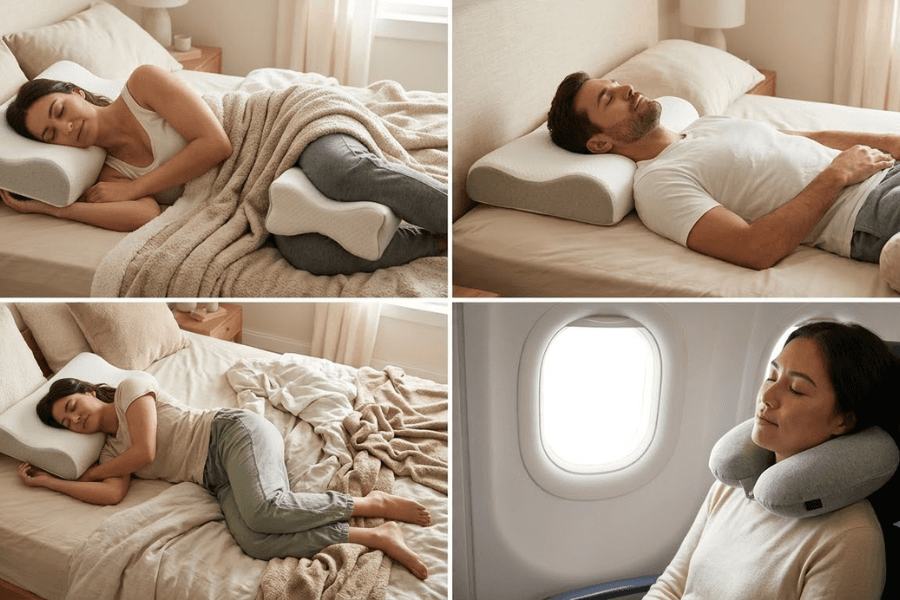
Your sleep position can help you decide which type of pillow to explore, but it should not be the only factor in your decision.
If you sleep on your side: Consider whether your head and neck feel comfortably supported and whether cushioning between the knees would improve your comfort. A cervical pillow or leg pillow may be worth comparing based on your needs.
If you sleep on your back: Look for a pillow that allows your head and neck to rest comfortably without excessive forward or backward tilt. Avoid assuming that a thicker or firmer pillow is automatically better.
If you frequently change positions: Consider whether the pillow's shape and dimensions allow you to move comfortably. Some specialty designs are intended for specific positions and may be less suitable for people who change positions frequently.
If you need a pillow for travel: A travel sleeping pillow may be more convenient than a full-size design. Check its intended use and whether its shape works for the way you plan to rest.
If you need specialized positioning: Do not choose a product based on sleep position alone. Consider the intended application and follow the advice of your healthcare professional or care team.
A suitable pillow should feel comfortable and fit its intended purpose. It should not force your body into a position that feels strained or uncomfortable.
MedicalEshop offers several products for different support, positioning, and comfort needs. The following options illustrate how these products differ in their intended uses. Review each product's current listing for available specifications, sizing, compatibility, and instructions before purchasing.
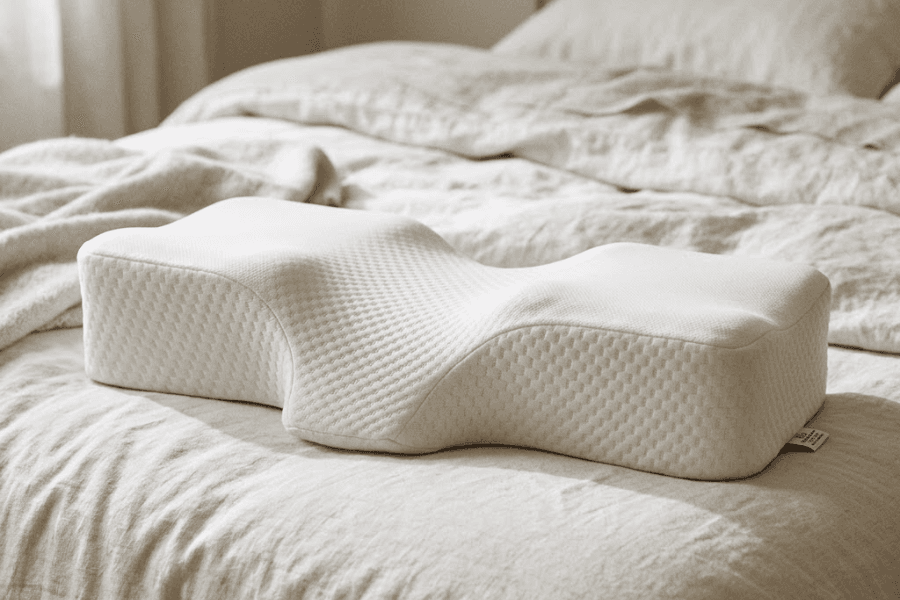
The Core Therapeutica Premium Pillow Cover is a replacement cover accessory for a compatible Therapeutica pillow. It may be useful when you need a replacement cover rather than an entirely new pillow.
Before ordering, verify compatibility with your existing pillow model and review the product listing for available options and care instructions.
Best to consider when: You need a compatible replacement cover for a Therapeutica pillow.

The Therapeutica Travel Sleeping Pillow is a specialty sleeping pillow intended for travel-related use. Its design differs from a conventional travel neck cushion, so it is important to review its shape, available size, and instructions to determine whether it suits your intended resting position.
Check the product details before choosing a size, particularly if you plan to use the pillow regularly or in more than one sleeping position.
Best to consider when: You are looking for a dedicated travel sleeping pillow and want to compare its design with your support preferences.
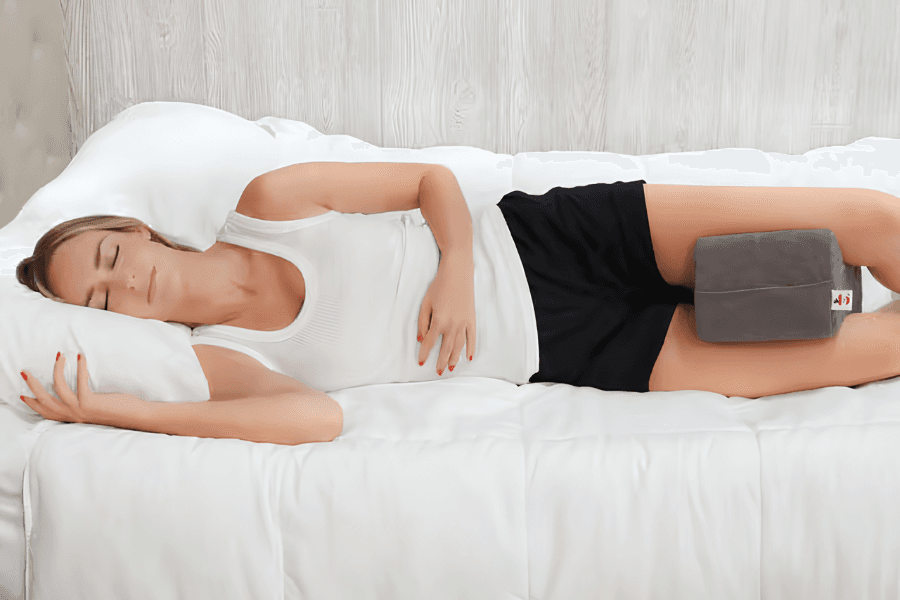
The Core Leg Spacer Positioning Pillow is designed for leg positioning. Its intended use differs from that of a cervical pillow or standard head pillow.
Consider how the pillow will be positioned and whether its shape suits your intended application. If you are using a leg spacer because of a medical condition, injury, or prescribed positioning requirement, ask your healthcare professional whether this type of product is appropriate.
Best to consider when: You are looking for a dedicated leg-positioning option rather than a general-purpose pillow.
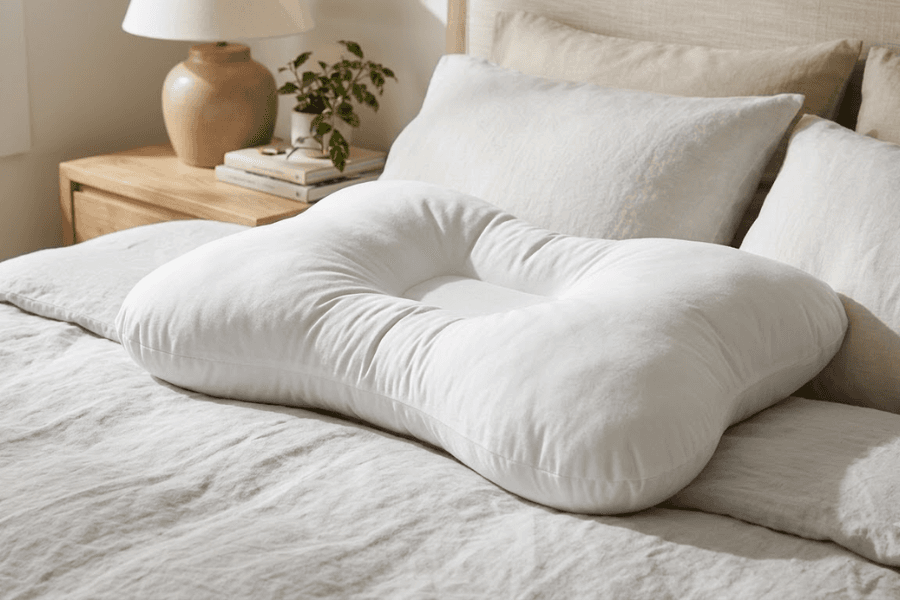
The Roscoe Medical Cervical Pillow is listed as a soft cervical pillow with a white blended cotton cover and dimensions of 16 × 23 inches. It may be an option to compare if you are looking for a pillow specifically intended for head and neck support.
Consider whether its listed size and softness suit your preferred sleeping position. Individual comfort varies, and a soft pillow is not automatically the right choice for every sleeper.
Best to consider when: You want to compare a soft cervical pillow with other neck-support options.
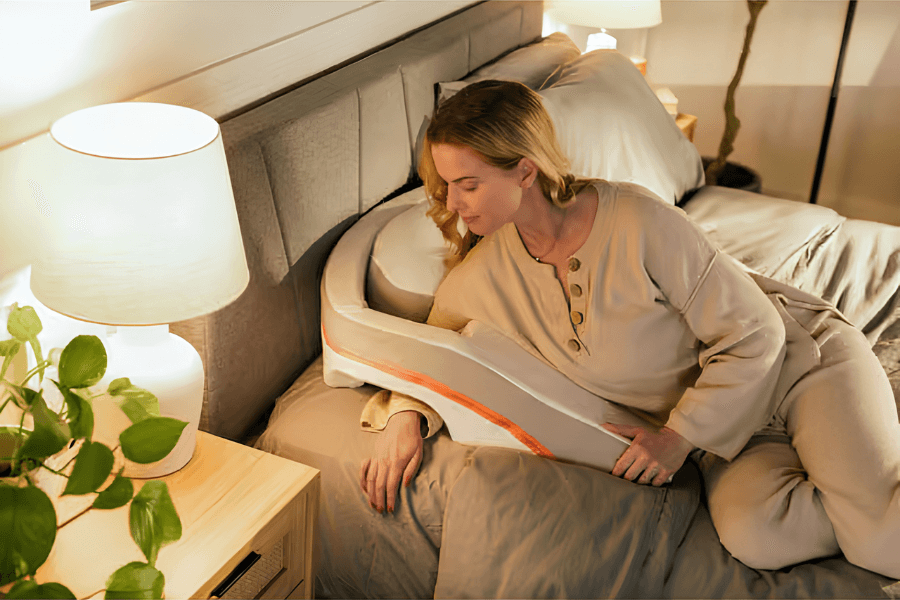
The MedCline Reflux Relief System is a specialized positioning system rather than a conventional cervical or leg pillow. Its intended use is different from that of a general sleeping pillow, so review the product description and instructions carefully before purchasing.
If you are considering a positioning system because of reflux symptoms or another medical concern, discuss its suitability with your healthcare professional. Do not assume that a positioning product replaces medical evaluation or treatment.
Best to consider when: You are comparing a specialized system designed for a particular resting-position need.

The Mölnlycke Z-Flo Fluidized Utility Positioner is a specialized patient-positioning product. Unlike an everyday sleeping pillow, it is designed for positioning applications where the device's specific features and instructions matter.
Review the product's intended use, available configuration, handling requirements, and cleaning instructions. It should not be treated as an ordinary bed pillow or used for specialized patient care without appropriate guidance.
Best to consider when: A positioning product is being considered for a specific patient-care application and its use is appropriate for the individual and care setting.
Important: These products serve different purposes and are not interchangeable. Confirm the current product specifications, available sizes, included accessories, and intended use on each listing before making a purchase.

Choosing a pillow based on appearance or price alone may lead to a poor fit. Keep these common mistakes in mind when comparing options.
Taking time to review these details can help you compare products more confidently and avoid selecting an item that does not match your intended use.
A therapeutic pillow may be one part of a comfortable resting setup, but persistent symptoms deserve attention beyond a change in bedding.
Consider speaking with a healthcare professional if you experience:
MedlinePlus recommends contacting a healthcare provider for neck pain accompanied by symptoms such as numbness, tingling, or weakness, or when symptoms do not improve with self-care. Seek urgent medical attention for severe symptoms or warning signs that may indicate a serious problem. See MedlinePlus: Neck pain for further guidance.
A healthcare professional can help assess whether changes to your resting position, a different pillow, or another approach may be appropriate. If a physical therapist or other qualified professional has recommended a particular positioning strategy, follow their instructions rather than relying on a general buying guide.
The right therapeutic pillow is the one that matches your intended use, provides comfortable support, and fits your individual needs. Cervical pillows, leg pillows, travel sleeping pillows, and specialized positioning products all serve different purposes, so it is important to compare their designs rather than treating them as interchangeable.
Before making a decision, review the pillow's shape, dimensions, firmness, care instructions, and intended use. If you are choosing a product for a medical concern or specialized positioning need, consult an appropriate healthcare professional.
Ready to compare your options? Browse the therapeutic pillow and positioning products available at MedicalEshop to review the specifications and identify an option that fits your comfort and support preferences.
MedicalEshop is a U.S.-based dealer and supplier of home medical equipment, rehabilitation products, mobility aids, and special-needs products. MedicalEshop is not a manufacturer, doctor, hospital, or licensed medical provider. This article is for general educational purposes only and is not intended to diagnose, treat, cure, or prevent any medical condition. Product suitability varies by individual and intended use. Always follow manufacturer instructions and consult an appropriate healthcare professional for persistent symptoms, medical concerns, or specialized positioning needs.
Frequently Asked Questions
Ans. A therapeutic pillow is designed to provide targeted support or cushioning for a particular body area or resting position. Examples include cervical pillows for head and neck support, leg pillows for leg positioning, and specialized positioning devices used in care settings. The appropriate option depends on the intended use and individual needs.
Ans. There is no single best cervical pillow for everyone. Shape, height, firmness, sleeping position, and personal comfort all matter. Look for a design that allows your head and neck to rest comfortably, and seek professional guidance if you have persistent neck pain or a diagnosed condition.
Ans. Some cervical pillows may be suitable for side sleepers, depending on their shape and height. The pillow should support the head and neck without forcing the neck sharply upward or downward. Check the manufacturer's instructions and consider your body proportions and mattress firmness.
Ans. A suitable pillow may help support a comfortable resting position, and pillow height and shape can influence neck positioning. However, therapeutic pillows should not be described as a guaranteed way to correct posture, resolve postural imbalances, or treat spinal conditions. Persistent concerns should be discussed with a healthcare professional.
Ans. A leg pillow generally provides cushioning or separation for the legs. A positioning pillow is a broader category of product designed to support particular body positions and may be used in specialized care settings. Some positioning devices have specific handling and cleaning requirements, so check the product's intended use before purchasing.
Ans. Pregnancy pillows are optional comfort accessories, not a requirement for every pregnant person. Some people prefer them for additional body cushioning, while others are comfortable with their usual bedding. Ask your maternity care professional if you have questions about appropriate sleep positions during pregnancy.
Ans. Start by identifying the body area and intended use, then consider your sleeping position, pillow dimensions, shape, firmness, material, and cleaning requirements. Compare the manufacturer's product details and consult a healthcare professional if you need support for a medical condition or specialized positioning.
Ans. There is no universal replacement schedule for every therapeutic pillow. Replacement needs depend on the product's condition, materials, cleaning requirements, and manufacturer's guidance. Consider replacing a pillow or cover if it is damaged, no longer provides the intended support, or cannot be maintained according to the instructions.

