Walking boots are commonly used as part of a healthcare professional’s plan for supporting the foot and ankle during recovery. Depending on the manufacturer, you may see terms such as CAM walker, orthopedic walker, medical boot, or walking boot. The right option depends on the type of support prescribed, fit requirements, boot height, and product features. In this guide, we compare five walking boots available from Medicaleshop to help you understand their key features and how they differ. Always follow your healthcare professional’s instructions when selecting or using a walking boot.
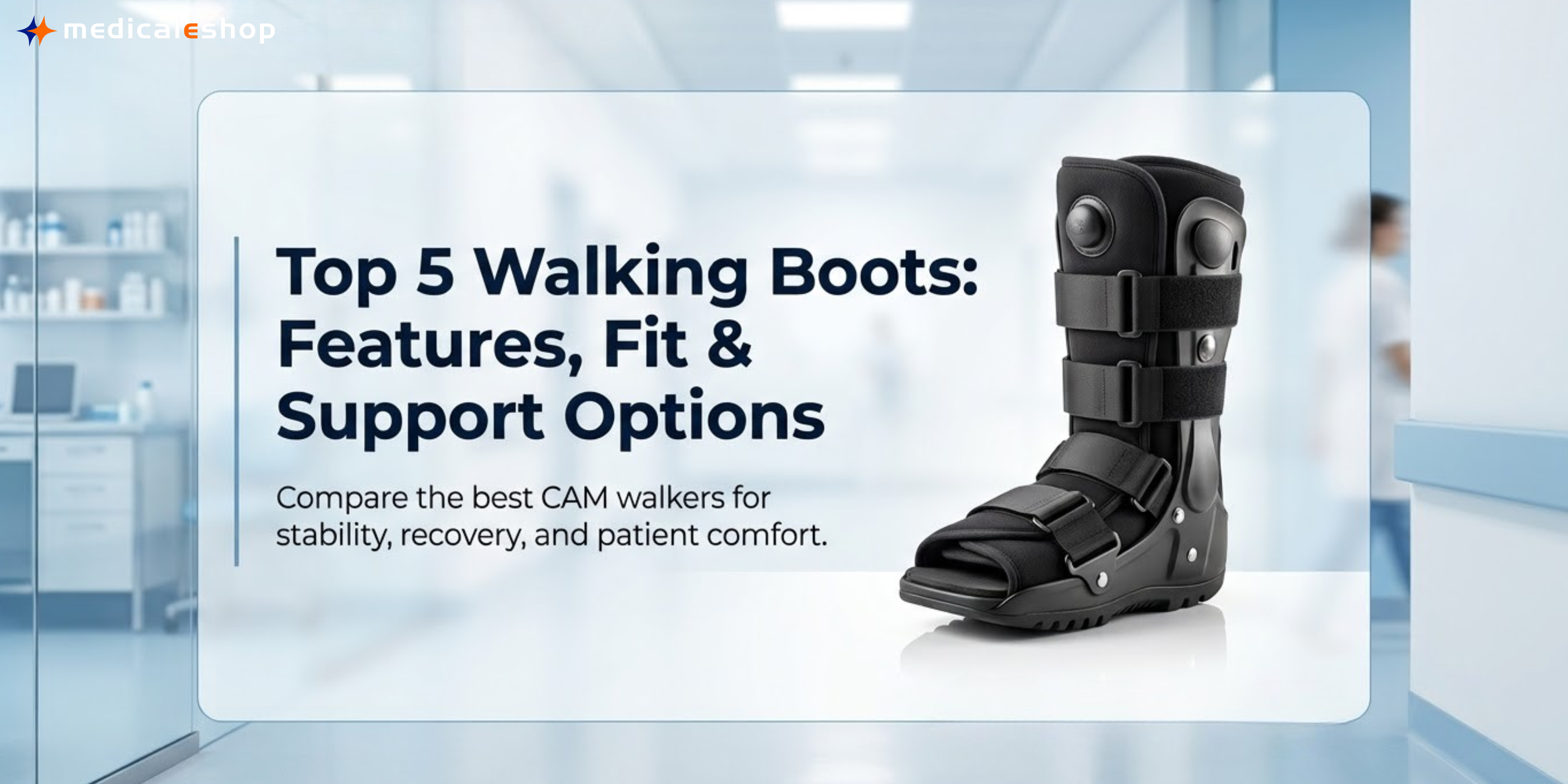
A walking boot is a type of orthopedic support designed to help protect or stabilize the foot and ankle. Depending on the design, walking boots may extend around the ankle and lower leg and may be used as part of a healthcare professional's treatment or recovery plan.
You may also hear walking boots called walking casts, ankle stabilizers, ortho boots, moon boots, medical boots, or Controlled Ankle Motion (CAM) boots.
Walking boots are available in different configurations. Some have a shorter ankle-level design, while others extend higher up the lower leg. Some models use a pneumatic or air-adjustable design, while others rely on structural components, straps, liners, and other features for fit and support.
A walking boot is different from ordinary footwear. Its purpose, fit, and wearing instructions should be based on the product specifications and the recommendations of the appropriate healthcare professional.
For certain foot and ankle injuries, healthcare providers may recommend a walking boot, brace, cast, or splint depending on the injury and its severity.
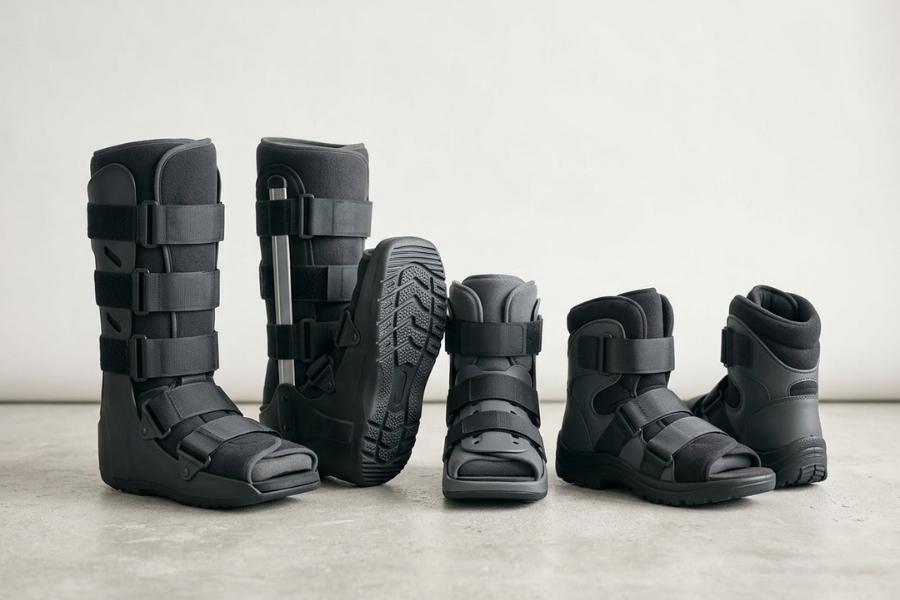
Choosing a medical boot involves more than selecting a tall or short design. The appropriate option depends on the support prescribed, the individual's foot and leg dimensions, and the features of the particular product.
Walking boots are generally available in short or low-top and tall or high-top configurations. A short boot may provide coverage around the ankle and foot, while a tall boot extends farther up the lower leg. Neither design is automatically better for every situation.
A walking boot should fit according to the manufacturer's sizing instructions. Check the available shoe-size ranges and any additional measurements required for the product. A poor fit may make the boot uncomfortable or difficult to use as intended.
Depending on the model, adjustment may be provided through straps, cross-strapping systems, uprights, liners, or pneumatic components. These features may make it easier to adjust the boot to the individual's foot or lower-leg dimensions.
Walking boots may have different structural designs, including rigid or semi-rigid components. Some models also include rocker soles or air-cell systems. When comparing products, focus on the features that match the requirements provided by your healthcare professional.
Not every walking boot is designed for every situation.
Always check the manufacturer's instructions before using a medical boot.
Medicaleshop offers several walker boot styles. The following five products provide different designs and feature sets for comparison.
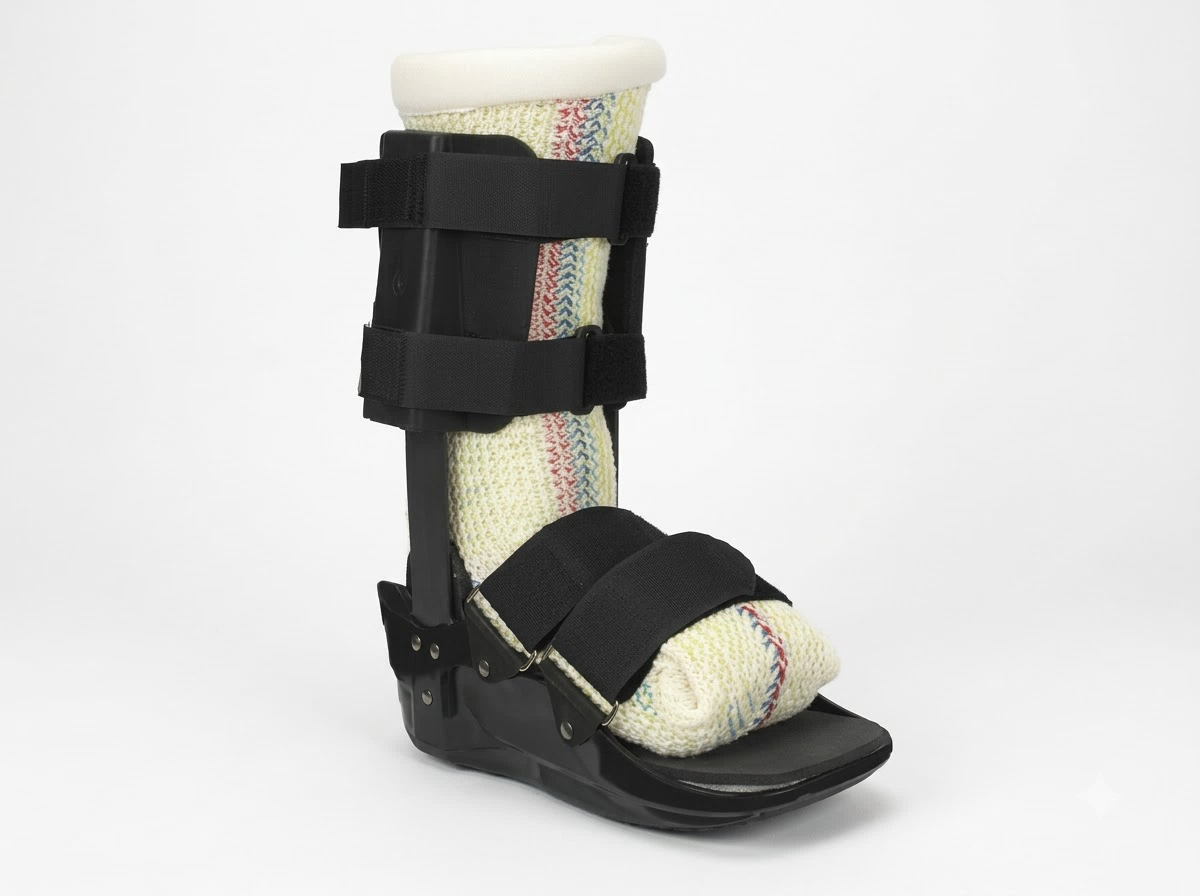
The Derma Sciences TCC-EZ Walker Boot is a specialized walker boot designed specifically for the TCC-EZ Total Contact Cast System.
Rather than functioning as a general-purpose standalone walking boot, it is intended to be used as an application accessory within the compatible system.
Key features:
Important consideration: This product should not be selected simply because you are looking for a standard walking boot. Its compatibility with the TCC-EZ system is essential.
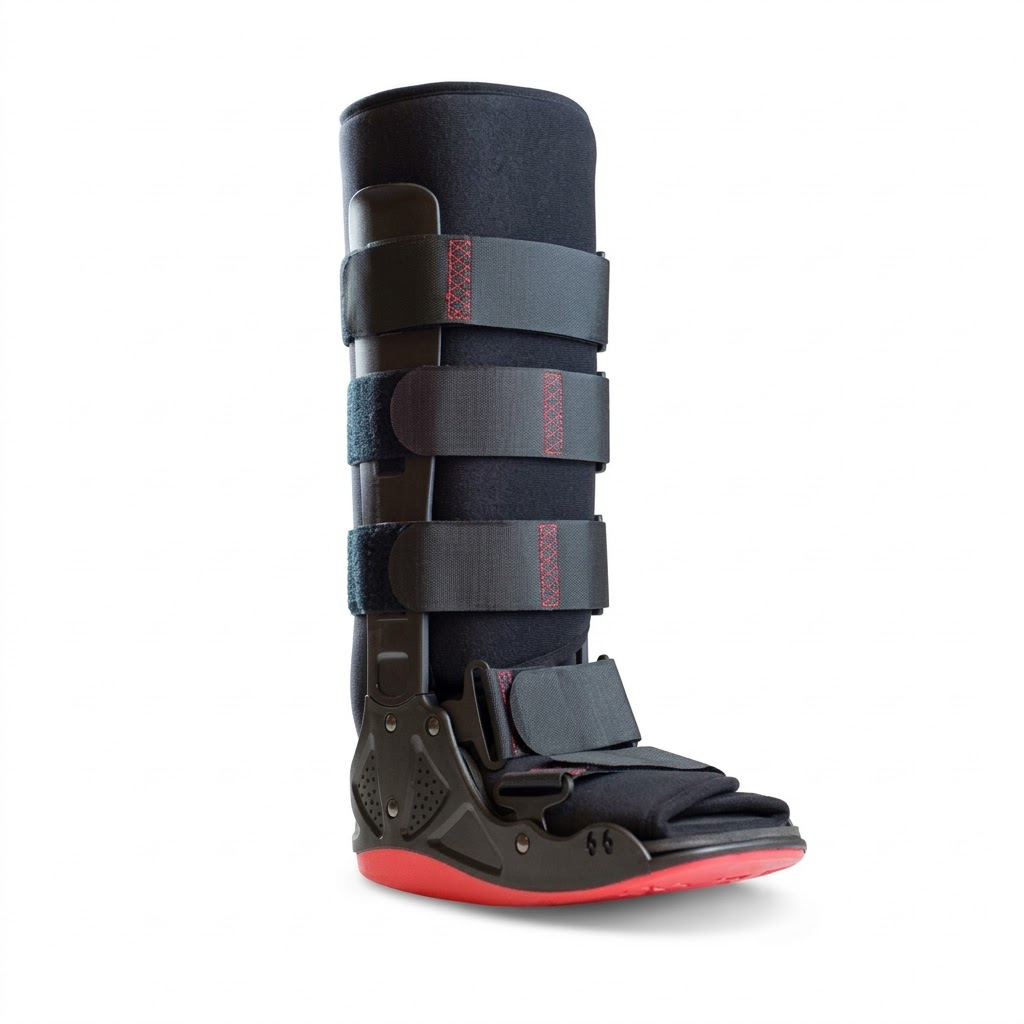
The DJO ProCare XcelTrax Tall Ankle Walker Boot features a tall design that extends higher up the lower leg than an ankle-level walker.
It is available in multiple sizes, making it important to select the appropriate option according to the manufacturer's sizing information.
Key features to consider:
If your healthcare professional has specified a tall walker, compare the model's height, sizing, and adjustment features with the prescribed requirements.
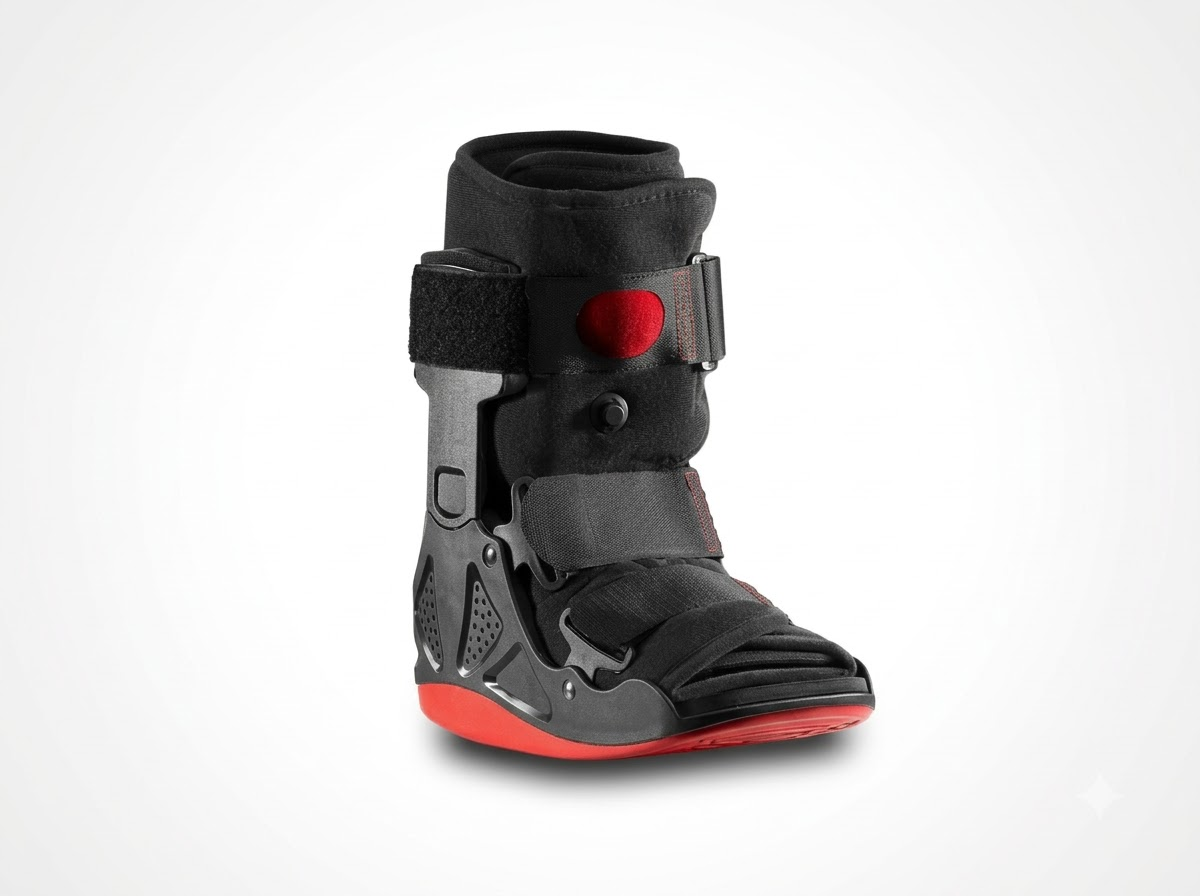
The DJO ProCare XcelTrax Ankle Walker Boot provides an alternative to the tall XcelTrax model with an ankle-level design.
This distinction makes it useful to compare when deciding between a shorter and taller walking boot configuration.
Key features to consider:
When comparing this model with a tall walker boot, consider how much coverage has been recommended and whether the shorter configuration meets the prescribed requirements.
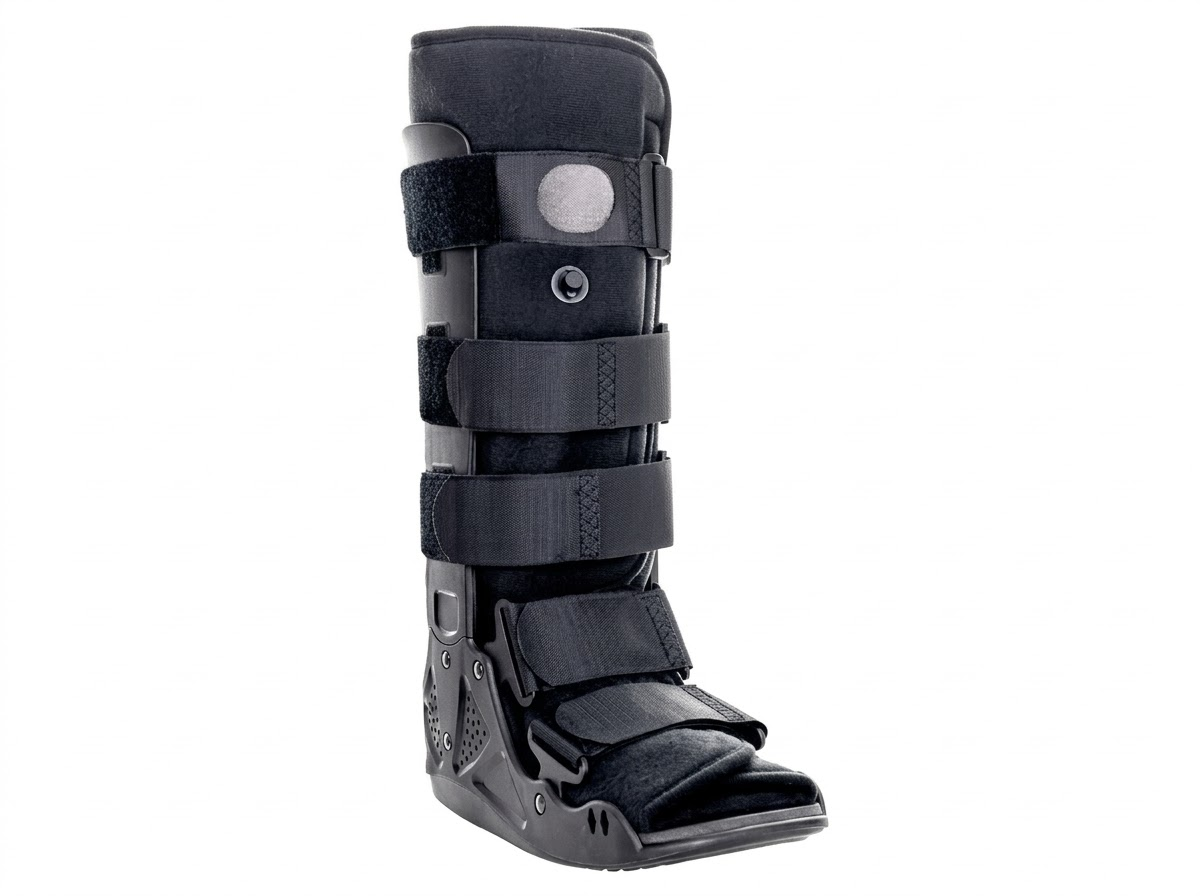
The McKesson Pneumatic Air Walker Boot is a pneumatic walking boot available in multiple configurations.
The Medicaleshop listing includes different sizes and both tall and short options, allowing shoppers to compare configurations according to their requirements.
Key features to consider:
Because this product is available in different configurations, check the specific option carefully before ordering to make sure the size and boot height match the requirements provided by your healthcare professional.
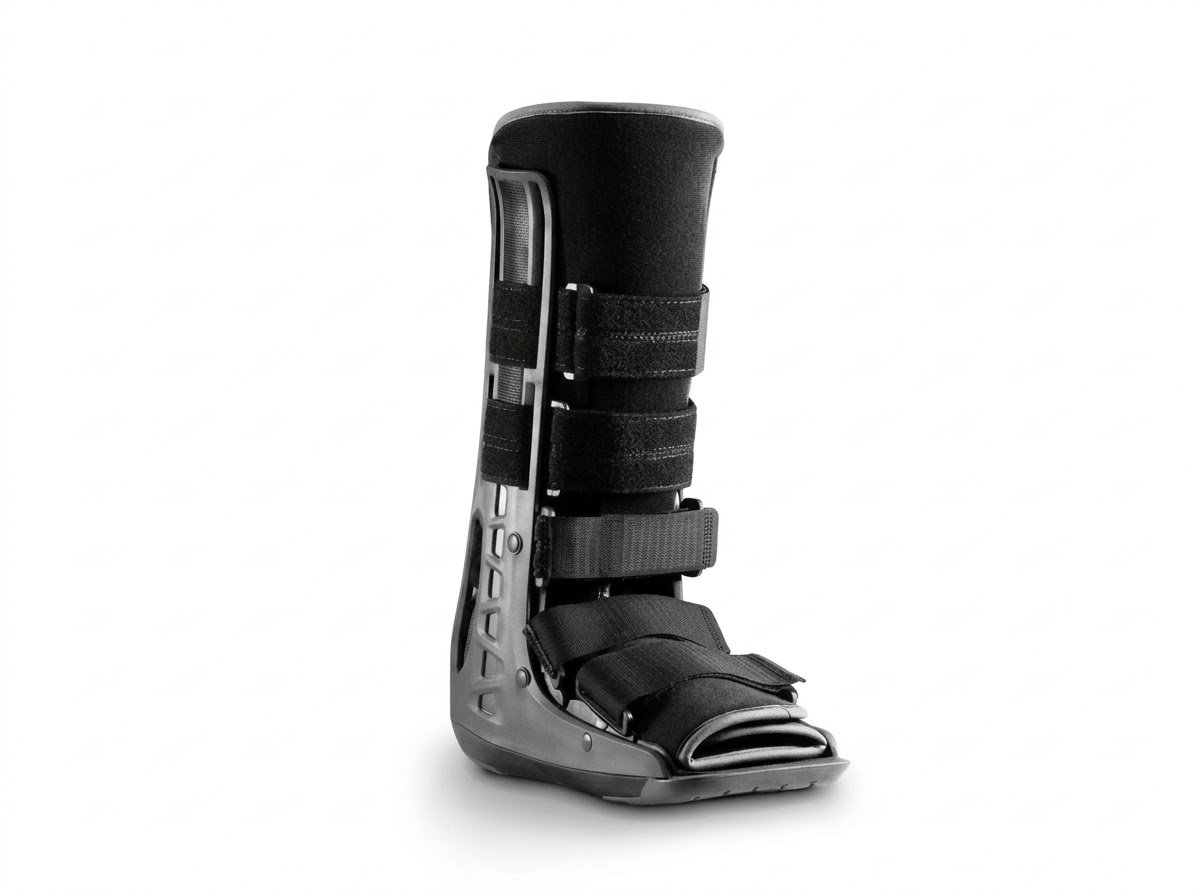
The ProCare MaxTrax 2.0 Tall Standard Walker Boot stands out for its range of adjustable features.
The boot uses malleable double uprights, adjustable straps, and a cross-strapping system. It also includes a low-profile footbed and non-slip rocker sole.
Key features include:
The product is available in small, medium, and large sizes, with the manufacturer's listed shoe-size ranges varying by size.
Its combination of adjustment options makes it one of the more feature-rich products in this five-boot comparison.
A quick comparison can make it easier to understand how these five products differ.
| Walking Boot | Height/Design | Key Features | What to Check |
| Derma Sciences TCC-EZ Walker Boot | System-specific walker boot | TCC-EZ compatibility | Not intended for standalone use |
| DJO ProCare XcelTrax Tall | Tall walker | Tall ankle/lower-leg design | Select the appropriate size |
| DJO ProCare XcelTrax Ankle | Ankle walker | Shorter profile | Compare coverage requirements |
| McKesson Pneumatic Air Walker | Pneumatic walker | Air-walker design | Check the selected height and size |
| ProCare MaxTrax 2.0 Tall | Tall walker | Adjustable support features | Review sizing and product specifications |
Medicaleshop's walker boot category includes different styles, including air cast walker boots, fracture boots, post-surgical boots, and other walker boot configurations.
The most important point is that product features should not be confused with a recommendation for a particular medical condition. Your healthcare professional should determine what type of support is appropriate for your situation.
Walking boots may also be described by their construction or adjustment method.
A structured walking boot uses its frame and other components to provide a defined support structure around the foot and ankle.
These designs may include uprights, shells, footbeds, straps, and other components.
Semi-rigid designs combine structural support with adjustable components. The exact level of rigidity varies between products.
Always review the manufacturer's product information rather than assuming that every semi-rigid boot provides the same type of support.
Pneumatic walking boots use air-related components as part of their design.
The McKesson Pneumatic Air Walker Boot, for example, is available in multiple sizes and configurations, including short and tall options.
The ProCare MaxTrax 2.0 Tall Standard Walker Boot also includes an adjustable dual air-cell system as one of its listed features.
Because pneumatic systems differ between products, follow the manufacturer's instructions for adjustment and use.
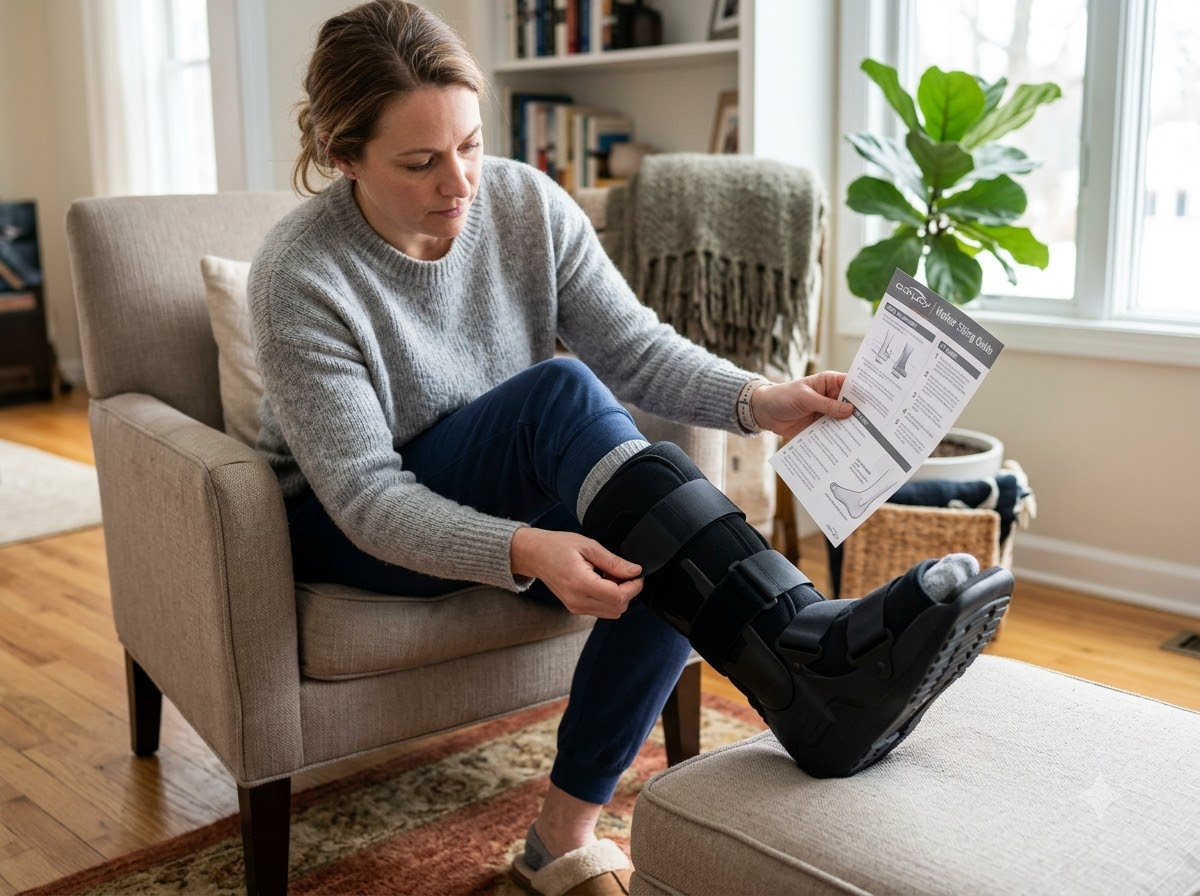
Proper fit is an important part of using a walking boot safely and comfortably.
When checking a walking boot, consider:
Do not assume that a tighter boot provides better support. If the boot feels excessively tight, causes new or worsening discomfort, or creates pressure areas, contact your healthcare professional.
Fit is particularly important when the boot is being used alongside other medical equipment or a casting system.
A walking boot is a medical support product, so it should be used according to the manufacturer's instructions and the recommendations of the appropriate healthcare professional.
Do not change your prescribed weight-bearing instructions simply because a boot makes walking feel easier. For example, AAOS advises that people should not walk on a walking cast until their doctor says it is safe.
Contact your healthcare professional if you experience:
Cleveland Clinic similarly advises seeking medical attention for symptoms such as unmanageable pain, numbness, tingling, increased swelling, or an inability to put weight on an injured ankle.
If you also use crutches, walkers, or another mobility aid, follow the instructions provided by your healthcare professional. MedlinePlus notes that mobility aids may be used while recovering from lower-body injuries and that a healthcare professional or physical therapist can help determine the appropriate device.
The best walking boot is not necessarily the one with the most features. It is the one that matches the support, fit, height, and configuration appropriate for your situation.
Whether you are comparing a tall walker, ankle walker, pneumatic air walker, or specialized system-specific boot, start with the requirements provided by your healthcare professional. Then compare sizing, boot height, adjustment features, construction, and manufacturer instructions.
Medicaleshop offers a selection of walker boots to help shoppers compare different configurations in one place.
Ready to find the right walking boot? Review the available sizes and product specifications, compare the features that matter to you, and contact Medicaleshop if you need help navigating product options.
For additional information about foot and ankle injuries, mobility aids, casts, and orthopedic support, readers may refer to trusted U.S. healthcare organizations such as:
Cleveland Clinic notes that treatment for ankle injuries varies according to the type and severity of the injury and may include a brace, cast, splint, or walking boot. MedlinePlus also explains that mobility aids may be used during recovery from lower-body injuries and that healthcare professionals can help determine appropriate mobility support.
Medicaleshop is a U.S.-based dealer and supplier of home medical equipment, rehabilitation products, mobility aids, and special-needs products. Medicaleshop is not a manufacturer, physician, hospital, or licensed medical provider.
This article is intended for general educational and informational purposes only. It is not intended to diagnose, treat, cure, or prevent any medical condition and should not replace advice from a qualified healthcare professional. Product availability, specifications, configurations, and manufacturer instructions may change. Always review the current product information and follow the instructions provided by the manufacturer and your healthcare professional.
Frequently Asked Questions
Ans. A walking boot is an orthopedic support designed to help protect or stabilize the foot and ankle. Depending on its design and the individual's needs, it may be used as part of a healthcare professional's treatment or recovery plan.
Ans. CAM stands for Controlled Ankle Motion. CAM walking boots are orthopedic walking boots designed with a structured configuration intended to control or limit ankle movement compared with ordinary footwear. The exact design and features vary by manufacturer and model.
Ans. A tall walking boot extends farther up the lower leg, while a short or ankle walking boot has a lower profile. The appropriate option depends on the required support, product design, fit, and healthcare professional's recommendation.
Ans. A pneumatic walking boot is a walking boot that incorporates air-related components into its design. Some models offer air-cell adjustment. Features vary by product, so the manufacturer's instructions should be followed.
Ans. Neither option is automatically better for everyone. A cast or walking boot may be selected based on the type and severity of an injury, treatment plan, and healthcare professional's assessment.
Ans. A walking boot may change how you walk because it has a different shape and structure from ordinary footwear. Whether you should bear weight or walk in the boot depends on your healthcare professional's instructions. Do not increase weight bearing or physical activity without appropriate medical guidance.
Ans. A walking boot should be fitted according to the manufacturer's instructions and sizing information. Your heel and foot should be positioned correctly, and straps or adjustment systems should be used as directed. If the boot causes significant discomfort, pressure, numbness, or skin irritation, contact your healthcare professional.
Ans. There is no universal wearing schedule. The appropriate duration depends on the reason the boot was prescribed, the individual's recovery, and the instructions provided by their healthcare professional.
Ans. Whether you should wear a walking boot while sleeping depends on the specific situation and your healthcare professional's instructions. Do not assume that every walking boot should be worn overnight.
Ans. Do not stop using a prescribed walking boot simply because your foot or ankle feels better. Your healthcare professional should determine when it is appropriate to reduce or discontinue use.
.avif&w=3840&q=75)
.avif&w=3840&q=75)