A rollator is more than just a mobility aid; it can help individuals maintain independence and move around with greater confidence. Whether you're exploring mobility solutions for yourself or caring for a loved one, understanding how a rollator works and the features available can make choosing the right model easier. This guide explains the different types of rollators, their key benefits, and what to consider before making a purchase. You'll also learn how rollators compare with traditional walkers and transport chairs, along with practical tips for selecting a mobility aid that fits your lifestyle and daily needs.
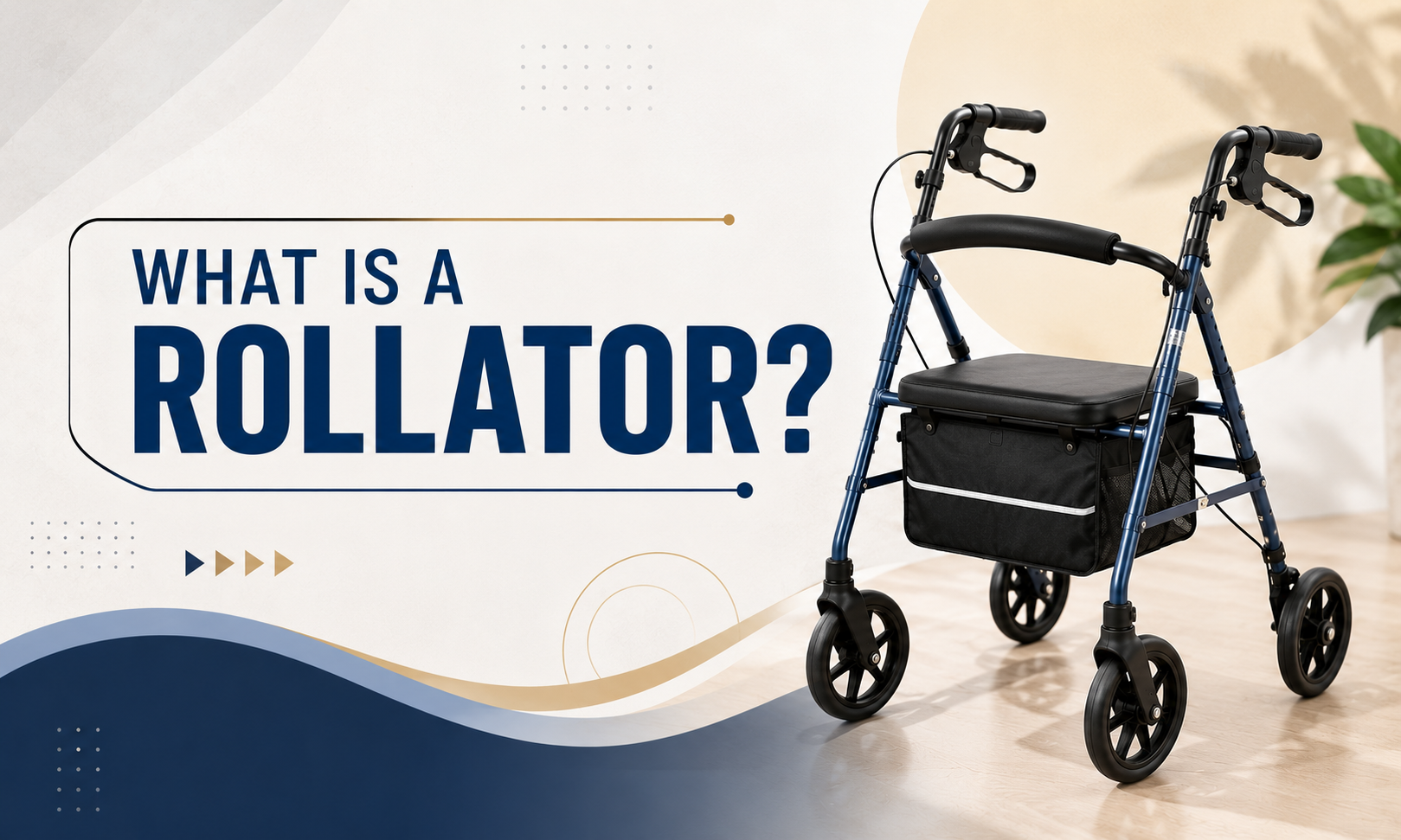
According to the CDC, falls remain one of the leading causes of injury among older adults, making mobility aids an important part of maintaining safe independence for many individuals. Whether you're recovering from surgery, managing age-related mobility changes, or looking for additional walking support, you've probably come across the term rollator. While it may look similar to a standard walker, a rollator is designed with wheels, hand brakes, and often a built-in seat to provide greater mobility and convenience for many users.
Today, rollators are among the most popular mobility aids used in homes, rehabilitation settings, and community environments across the United States. With various designs available, including foldable rollators, rollator walkers with seats, and models designed for taller individuals, finding the right option starts with understanding how they work.
This guide explains everything you need to know about rollators, their features, benefits, and how they compare with other mobility devices, helping you make an informed purchasing decision.
Medical Compliance Notice: This article is intended for educational purposes only. Medicaleshop is a U.S.-based supplier of home medical equipment and rehabilitation products. We do not provide medical advice, diagnosis, treatment recommendations, or clinical services. Mobility equipment should be selected based on individual needs and the guidance of qualified healthcare professionals.
A rollator is a wheeled mobility aid designed to provide walking support while promoting greater independence and stability. Unlike a traditional walker that must be lifted with each step, a rollator typically features three or four wheels, hand-operated brakes, handlebars, and often a built-in seat with storage beneath.
Rollators are commonly used by older adults and individuals with limited mobility who need support while walking longer distances or taking breaks during everyday activities.
| Feature | Description |
| Purpose | Provides walking support and improved mobility |
| Wheels | Usually three or four |
| Seat | Available on many models |
| Braking System | Hand-operated brakes for added control |
| Storage | Basket, pouch, or under-seat storage on many models |
| Foldable | Many models fold for transport and storage |
| Typical Users | Older adults, individuals with mobility limitations, rehabilitation patients |
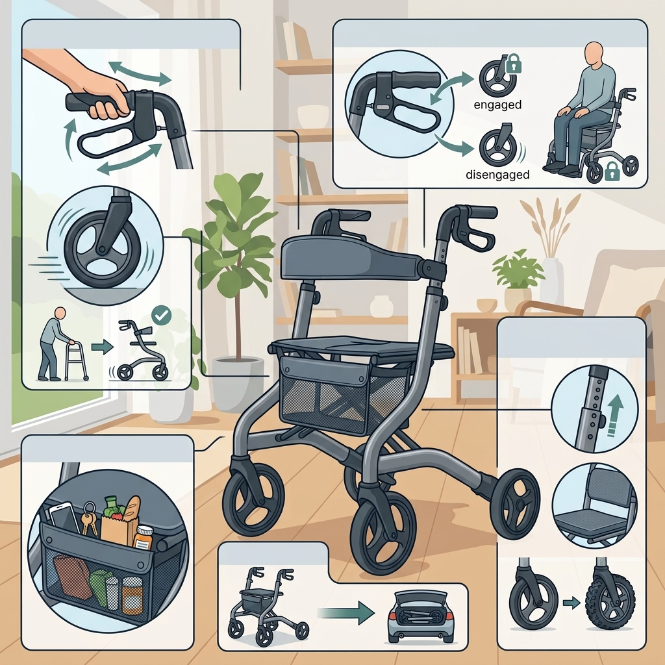
A rollator is designed to move smoothly with the user instead of requiring it to be lifted off the ground. The wheels allow the device to roll forward naturally while ergonomic handles provide support during walking.
Many models include hand brakes that help users control speed or lock the wheels when sitting on the built-in seat. Storage compartments also make it easier to carry personal belongings, groceries, or medical supplies while remaining mobile.
Depending on the model, a rollator may also feature:
These features make rollators a practical mobility aid for many people who need support without sacrificing independence.
Choosing the right mobility aid often starts by understanding how each device is intended to be used.
| Feature | Rollator | Standard Walker | Transport Chair |
| Wheels | Three or four | Usually none or two front wheels | Four wheels |
| Seat | Usually included | No | Yes |
| Brakes | Yes | No | Yes |
| User Walks Independently | Yes | Yes | No |
| Requires Caregiver to Push | No | No | Yes |
| Best For | Individuals who need walking support with rest breaks | Maximum walking stability | Individuals who need assistance being transported |
A transport chair is intended for caregiver-assisted mobility, whereas a rollator is designed for individuals who are able to walk independently but benefit from additional balance and support.
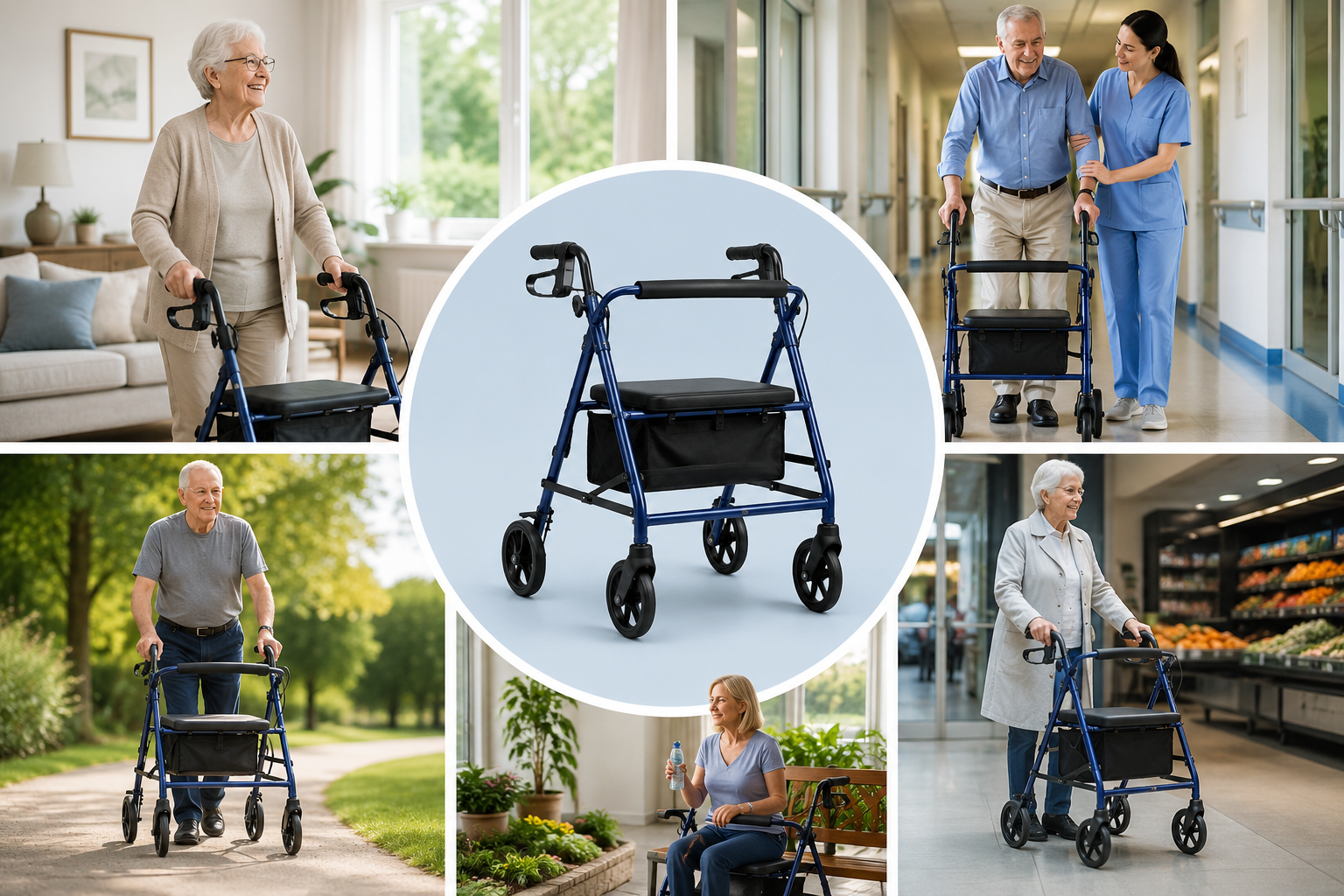
Rollators are commonly used by individuals who want extra stability while remaining active in their daily lives.
Some people who may use a rollator include:
Because mobility needs vary from person to person, the most appropriate mobility aid should always be selected based on individual circumstances and professional recommendations.
Not all rollators are the same. Understanding the available options can help you identify features that best match your daily routine.
Four-wheel rollators are among the most common models available. They provide excellent maneuverability and often include a seat, storage compartment, and hand brakes.
They are frequently chosen for:
Three-wheel models are generally lighter and more compact than four-wheel rollators.
They may be preferred for:
Many three-wheel rollators do not include a seat, making them ideal for users prioritizing portability.
A foldable rollator is designed for convenient storage and transportation.
Benefits include:
Foldable designs have become increasingly popular among individuals who travel frequently or have limited storage space.
One of the most searched features is the rollator walker seat, and for good reason.
A built-in seat allows users to take short breaks whenever needed, making longer walks more comfortable.
Many seated rollators also include the following:
Standard rollators may not be suitable for every user. Some manufacturers offer models with higher handle adjustments and larger frame dimensions designed to accommodate taller individuals.
Choosing a properly sized rollator can contribute to a more comfortable walking posture and improved usability.
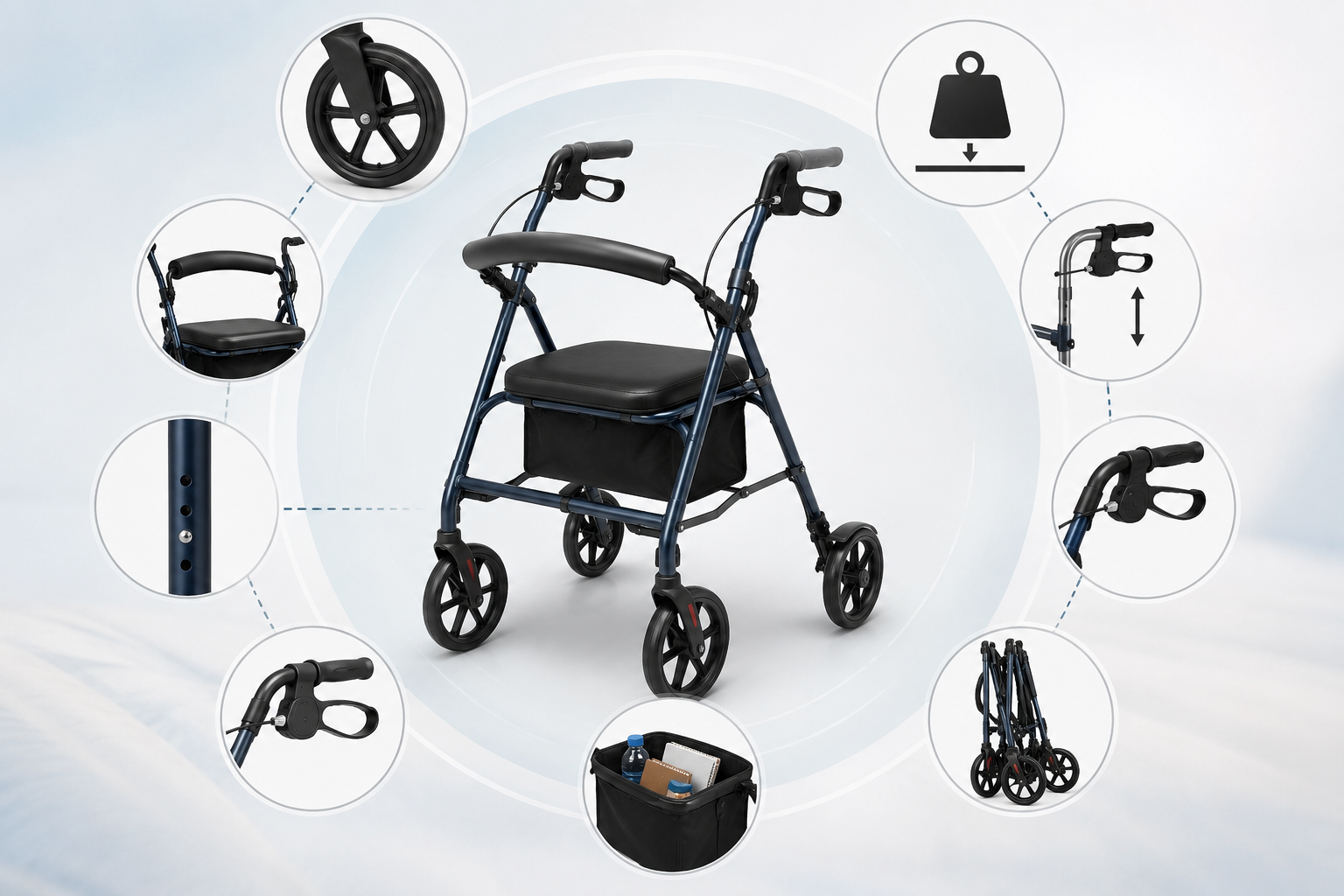
With so many rollators available today, choosing the right one involves more than simply selecting a model with wheels. The best rollator for one person may not be the right fit for another, as mobility needs, height, lifestyle, and intended use can all influence the decision.
Here's a quick comparison of the features to evaluate before making a purchase.
| Feature | Why It Matters |
| Wheel Size | Larger wheels generally provide smoother movement over uneven outdoor surfaces, while smaller wheels are often better suited for indoor use. |
| Seat Size & Comfort | A padded seat offers a convenient place to rest during longer walks or outings |
| Weight Capacity | Ensure the rollator supports the user's weight according to the manufacturer's specifications. |
| Handle Height | Adjustable handles help promote a comfortable walking posture. |
| Braking System | Easy-to-operate hand brakes provide additional control and stability. |
| Foldability | Foldable rollators are easier to store and transport in a vehicle. |
| Storage Options | Built-in baskets or storage pouches make it easier to carry personal belongings. |
| Overall Weight | Lightweight models may be easier to lift, transport, and maneuver. |
Taking the time to compare these features can help you find a rollator that better supports your daily routine and mobility goals.
Choosing a mobility aid is a personal decision, and several factors should be considered before making a purchase.
Ask yourself:
Individuals with unique mobility requirements may also benefit from discussing equipment options with a qualified healthcare professional before purchasing.
Medical Compliance Note: Medicaleshop provides educational information and medical equipment but does not recommend specific mobility devices based on medical conditions. Equipment selection should always be based on individual needs and professional guidance.
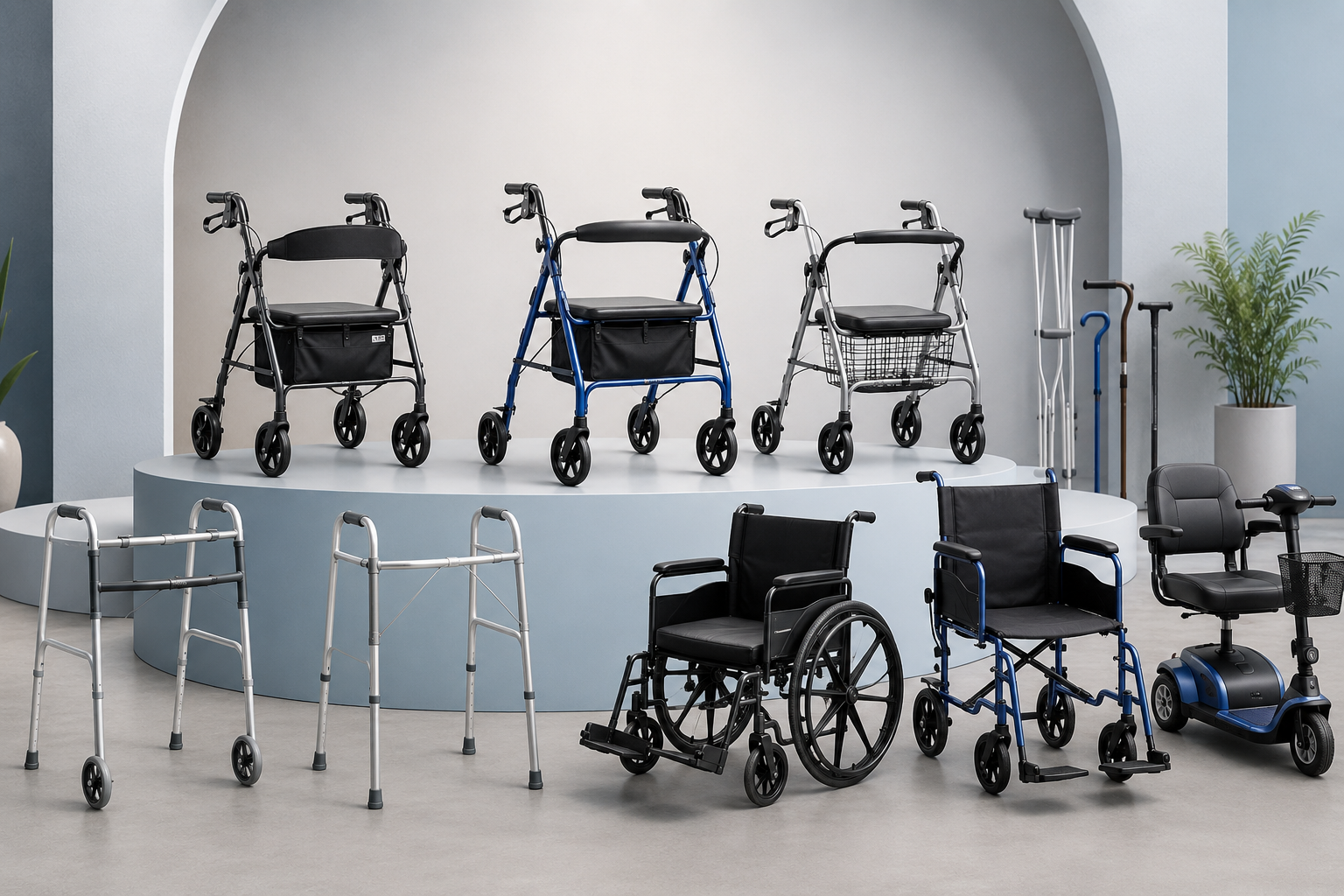
Finding the right mobility equipment is an important part of maintaining independence and confidence in everyday life. At Medicaleshop, we offer a wide selection of mobility and rehabilitation products from trusted manufacturers to help individuals and caregivers find solutions that fit their unique needs.
Our product categories include:
For individuals who require caregiver-assisted mobility, Medicaleshop also offers a variety of transport chairs designed for convenient travel and short-distance transportation.
Whether you're looking for a rollator for everyday use or exploring other mobility solutions, Medicaleshop offers products from well-known manufacturers to support a variety of home healthcare and rehabilitation needs.
Medical Compliance Notice: Medicaleshop is a U.S.-based dealer and supplier of home medical equipment and rehabilitation products. We do not manufacture medical devices or provide medical advice, diagnosis, treatment, or individualized mobility recommendations. Product selection should be made in consultation with qualified healthcare professionals when appropriate.
Choosing the right rollator involves more than comparing prices. Avoiding these common mistakes can help you make a more informed decision.
Lower-cost models may not always provide the features or adjustability needed for long-term comfort.
Handle height plays an important role in comfort and usability. An improperly adjusted rollator may be less comfortable to use.
Always review the manufacturer's recommended weight capacity before purchasing.
If you travel frequently or have limited storage space, a foldable rollator may be more convenient.
Rollators vary considerably in wheel size, frame design, seat dimensions, braking systems, and intended use. Comparing features can help you find a model that better suits your lifestyle.
A rollator can be a valuable mobility aid for individuals seeking greater independence, comfort, and confidence during everyday activities. With features such as wheels, ergonomic hand brakes, built-in seating, and convenient storage, rollators offer practical support for many people navigating home, community, and rehabilitation environments.
Understanding the different types of rollators, their features, and how they compare with other mobility aids can make choosing the right equipment much easier. Whether you're considering a foldable rollator for travel, a rollator walker with a seat for added comfort, or exploring alternatives such as a transport chair, selecting equipment that aligns with your daily needs is an important step.
At Medicaleshop, we're committed to helping individuals, caregivers, and families access quality mobility and rehabilitation products from trusted manufacturers. Explore our selection of rollators, walkers, transport chairs, and other mobility solutions to find equipment that supports your lifestyle and helps make everyday movement more comfortable and convenient.
Medical Disclaimer: This article is provided for educational purposes only. Medicaleshop is a supplier of home medical equipment and rehabilitation products and does not provide medical advice, diagnosis, treatment, or individualized healthcare recommendations. Always consult a qualified healthcare professional regarding mobility concerns and equipment selection.
The information in this article was developed using educational resources from reputable organizations, including:
Frequently Asked Questions
Ans. A rollator is a wheeled mobility aid designed to provide walking support while allowing users to move more easily than with a traditional walker. Many models also include a seat, brakes, and storage.
Ans. A standard walker generally requires lifting with each step, while a rollator has wheels that allow it to roll smoothly. Rollators also commonly include hand brakes and a built-in seat.
Ans. Rollators may be suitable for older adults and individuals who need additional walking support while remaining independently mobile. The most appropriate mobility aid depends on individual needs and professional recommendations.
Ans. A rollator is intended for individuals who are able to walk with support, whereas a transport chair is designed for caregiver-assisted transportation. The right choice depends on the user's mobility needs.
Ans. A rollator walker with a seat combines walking support with a built-in resting area, allowing users to take short breaks when needed.
Ans. Many rollators are designed for both indoor and outdoor use. Models with larger wheels may provide smoother movement on sidewalks, paved trails, and other outdoor surfaces.
Ans. Yes. Many foldable rollators are designed to collapse quickly, making them easier to store in vehicles or small spaces.
Ans. Many rollators feature adjustable handles that can be customized for the user's height. Proper adjustment contributes to a more comfortable walking posture.
Ans. Yes. Some manufacturers offer rollators with higher handle adjustments and larger frame dimensions designed to better accommodate taller users.
Ans. Medicaleshop offers a wide selection of rollators, walkers, transport chairs, mobility aids, and rehabilitation products from trusted manufacturers to support a variety of home healthcare needs.
.avif&w=3840&q=75)
.avif&w=3840&q=75)