.avif&w=3840&q=75)
.avif&w=3840&q=75)
Pressure Relief Mattresses and Overlays
Foam, Air, Alternating Pressure & Low-Air-Loss Mattresses for Pressure Ulcer Prevention
Pressure relief mattresses and overlays redistribute a patient's body weight to reduce constant pressure on the skin - especially at bony areas like the heels, hips, and tailbone - lowering the risk of pressure ulcers (also called bedsores or pressure sores). They're essential for anyone with limited mobility who spends extended time in bed, whether recovering at home, in a hospital, or in long-term care.
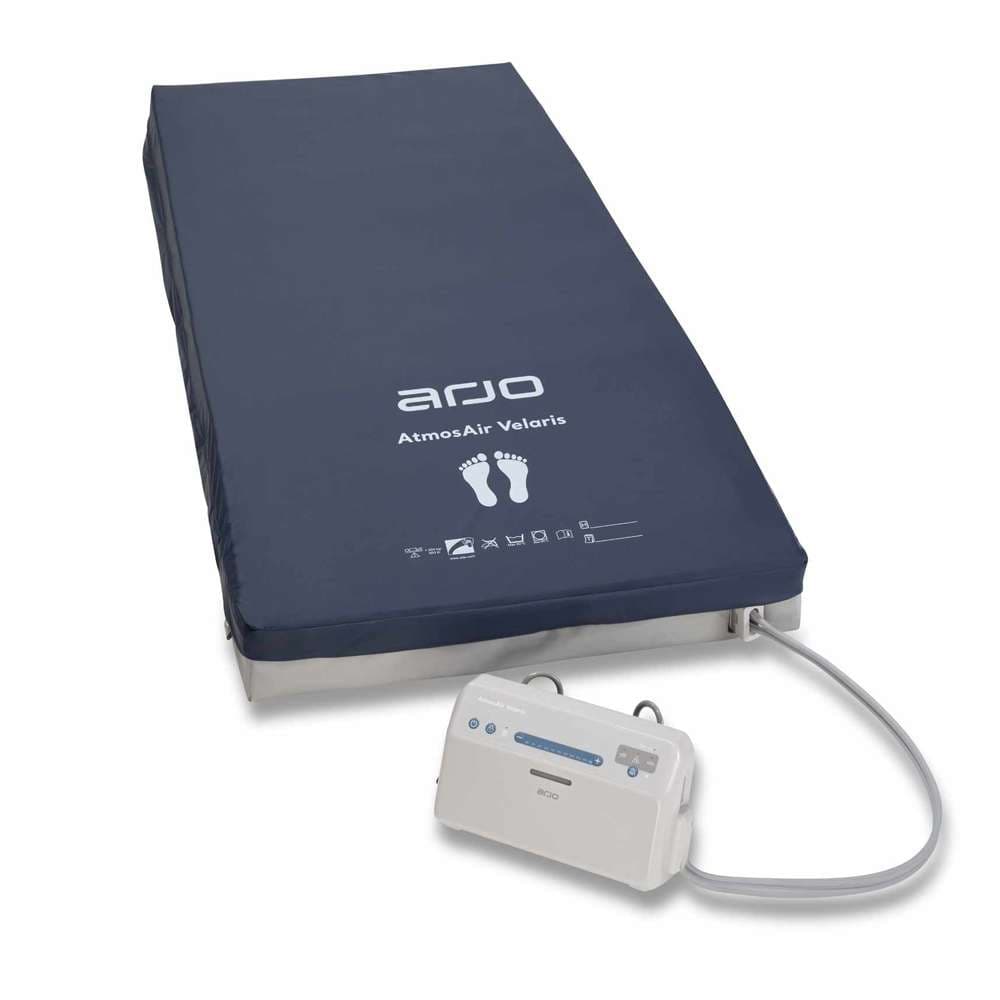
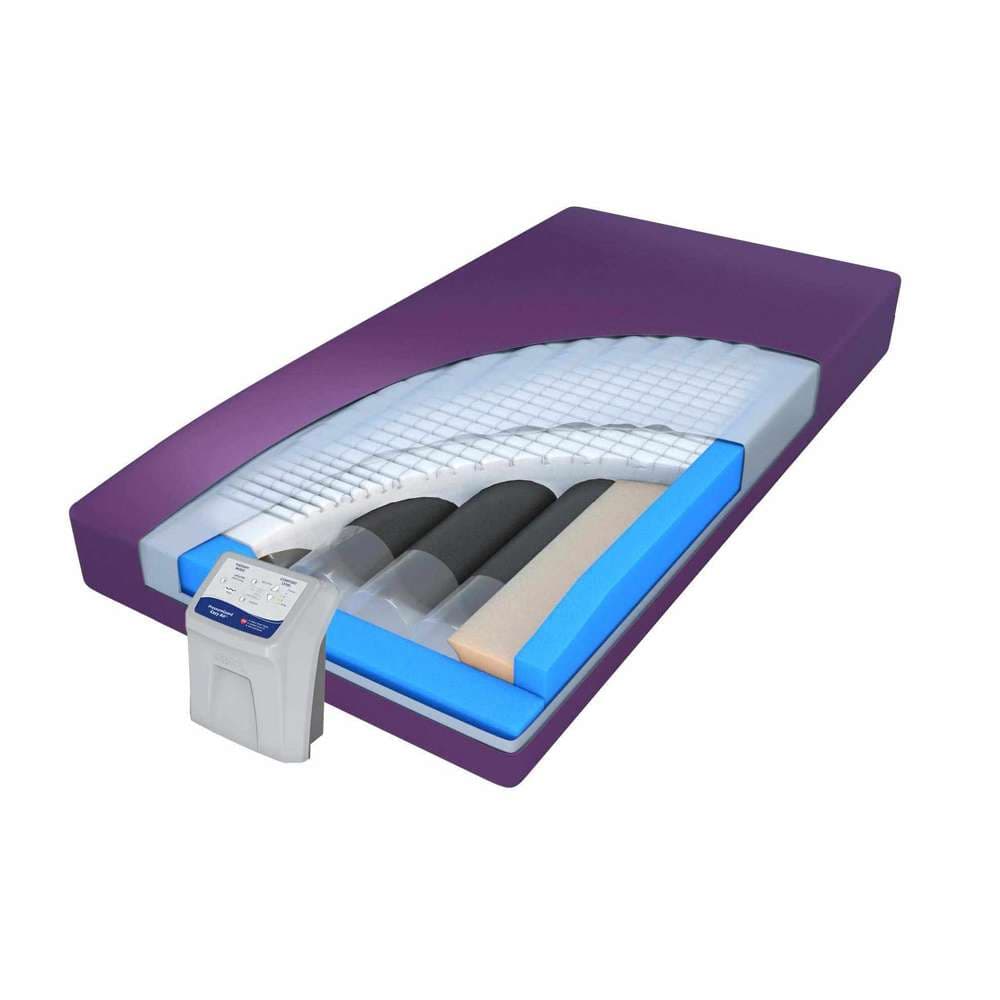
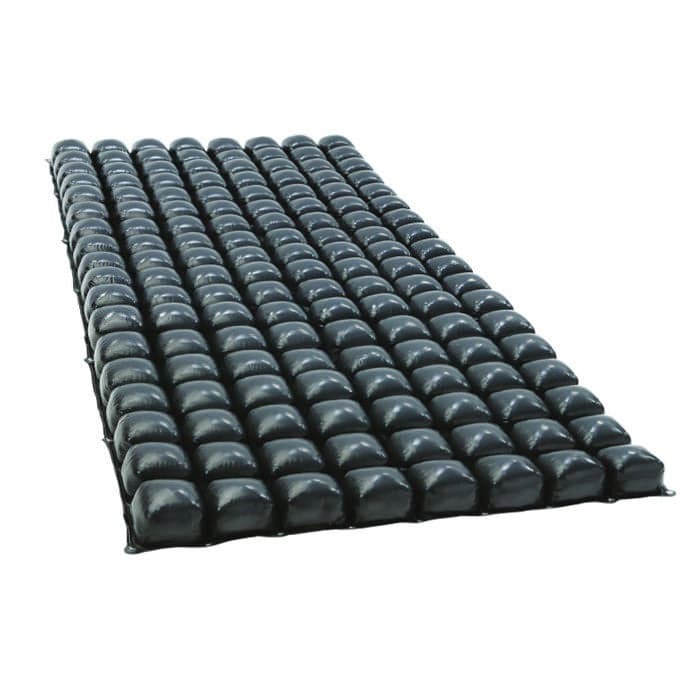
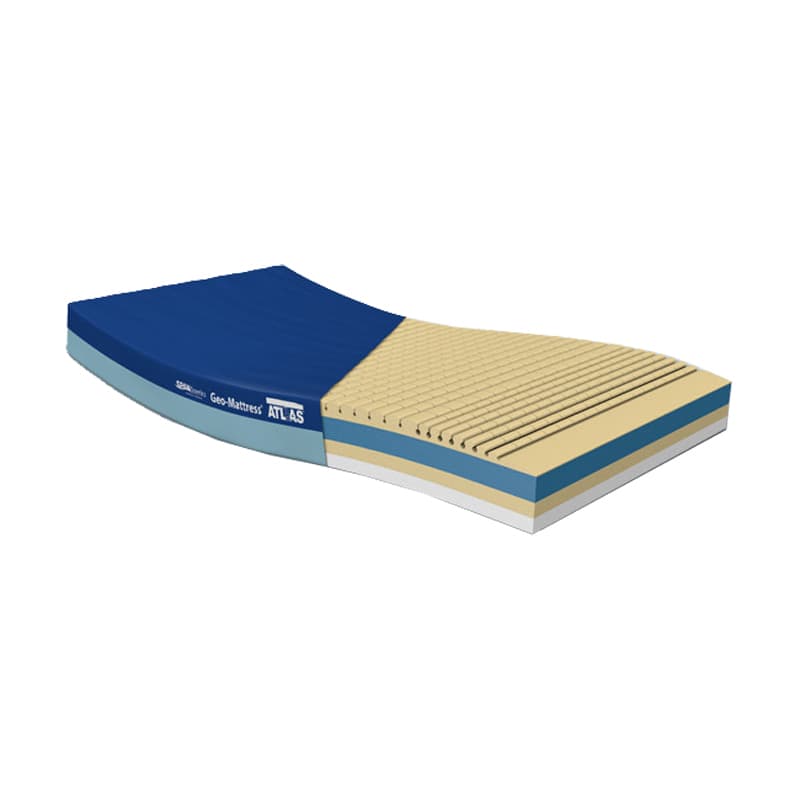
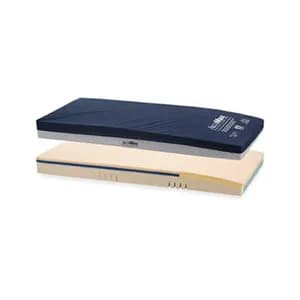
The right choice depends on a patient's individual risk level, often assessed using a Braden Scale score by a nurse or care team. Innerspring mattresses offer standard support for lower-risk patients who are still relatively mobile. Therapeutic foam mattresses use contouring foam to distribute weight more evenly than a standard mattress, a good step up for moderate risk. Therapeutic air mattresses use air cells to actively adjust support and reduce pressure points, suited for higher-risk or less mobile patients. Alternating pressure mattresses cyclically inflate and deflate different air cells, continuously shifting pressure points to prevent any one area from bearing weight too long - often used for patients already at high risk or with an existing pressure injury. Low-air-loss mattresses combine pressure redistribution with airflow that helps manage moisture and skin temperature, valuable for patients with fragile skin or existing wounds. For those not ready to replace a full mattress, therapeutic overlays add a pressure-relief layer on top of an existing mattress - a lower-cost way to add support.
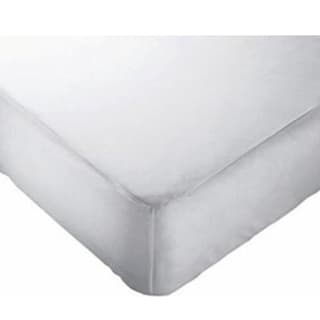
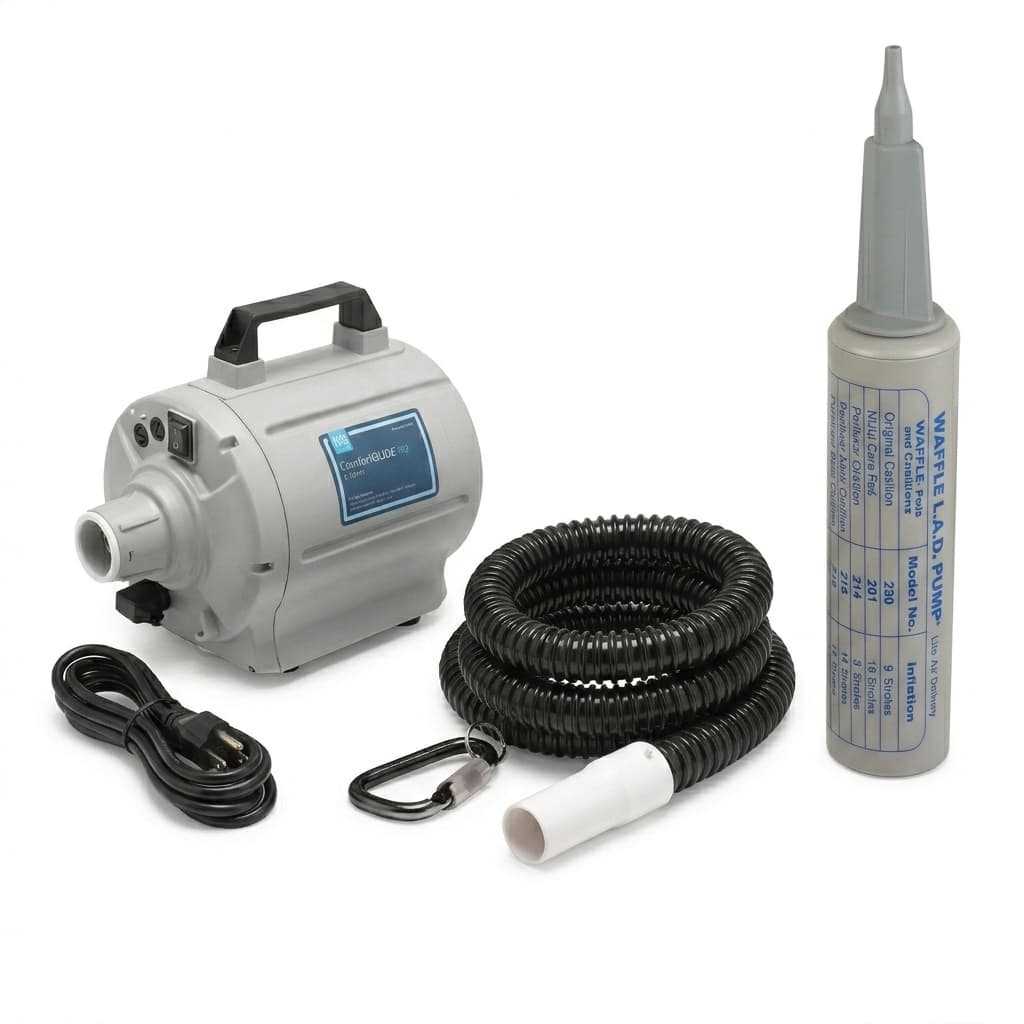
Beyond the mattress itself, mattress pumps and accessories keep air-based systems running (a working pump is essential for alternating pressure and low-air-loss mattresses to function correctly), and mattress covers and protectors add a washable, often waterproof barrier that protects the mattress and supports hygiene for incontinence care.
These mattresses are designed to work with your home care adjustable bed - check our Home Care Adjustable Beds category if you're setting up a complete care environment.
Shop trusted, clinically-recognized brands - Roho, Span America, Lumex, Accora, and Proactive Medical - with the pressure-relief technology that matches your care level, with fast, reliable shipping.
Frequently Asked Questions
What type of mattress is best for preventing bedsores?
- The right mattress depends on the patient's pressure ulcer risk level — foam and innerspring mattresses suit lower-risk, mobile patients, while alternating pressure and low-air-loss mattresses are typically recommended for higher-risk patients or those with an existing pressure ulcer. A care provider's risk assessment (often a Braden Scale score) should guide the choice.
What's the difference between a pressure relief mattress and a mattress overlay?
- A pressure relief mattress replaces the existing mattress entirely, while an overlay adds a pressure-relief layer on top of an existing mattress.