Choosing the right disposable underpad can make everyday incontinence care and caregiving routines more manageable. Underpads provide an absorbent layer between bodily fluids and surfaces such as beds, chairs, and furniture. When comparing products, caregivers may consider absorbency, size, waterproof backing, surface material, construction, and intended use. This guide explains what to look for in disposable underpads and compares six options available from MedicalEshop, including products from Cardinal Health, Attends, McKesson, Medline, and Prevail. It also covers practical considerations for incontinence care, surface protection, liquid nutrition spills, and everyday caregiving while emphasizing the importance of following manufacturer instructions and considering individual needs.
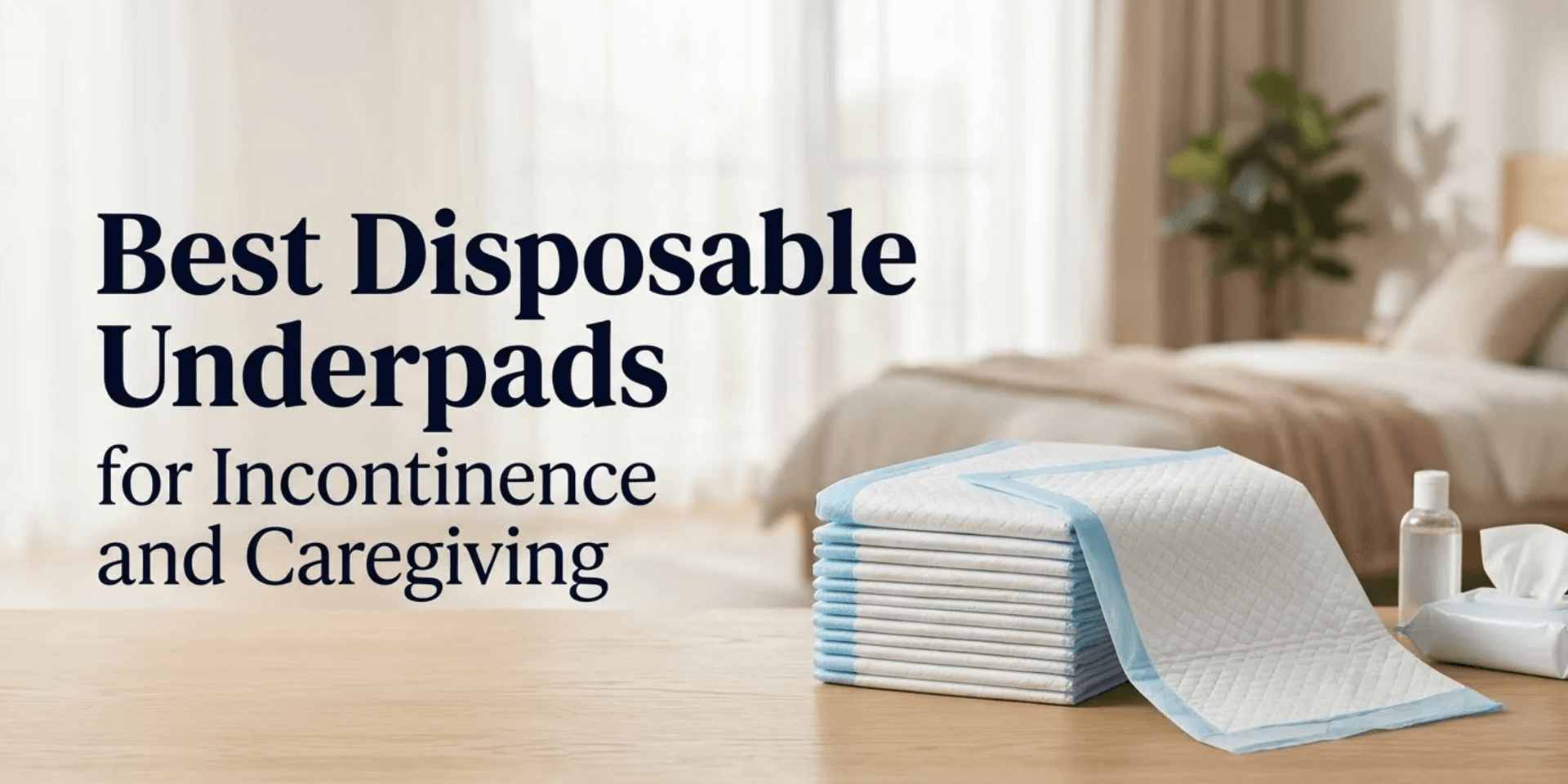
Disposable underpads are single-use absorbent pads designed to help protect beds, chairs, furniture, and other surfaces from moisture, incontinence leaks, spills, and bodily fluids.
They are sometimes called bed pads, chux, or disposable bed underpads. NIDDK identifies large disposable pads as products that can help protect chairs and beds from urine, while MedlinePlus describes underpads as flat absorbent pads used to protect bed linens and chairs.
Disposable underpads generally include several layers that work together:
Underpads are available in different sizes and absorbency levels. The appropriate choice depends on the intended surface, amount of leakage or moisture, frequency of use, and product specifications.

A disposable underpad provides an additional protective layer between moisture and the surface underneath.
When liquid reaches the topsheet, it can pass into the absorbent core, where it is held within the pad. The backing helps limit moisture from reaching the mattress, chair, furniture, or other protected surface.
The basic construction can be summarized as follows:
| Underpad Component | What It Does |
| Topsheet | Receives moisture at the surface |
| Absorbent core | Absorbs and holds liquid |
| Waterproof or moisture-resistant backing | Helps protect the underlying surface |
| Quilted construction | May help distribute liquid depending on product design |
Not every underpad is constructed in exactly the same way. Materials, absorbency, dimensions, and backing can vary between manufacturers and product models.
For this reason, checking the manufacturer's product specifications is important when comparing disposable underpads.
Disposable underpads are commonly used as part of incontinence and caregiving routines, but their use can extend to other situations where surface protection is helpful.
Large disposable underpads can help protect beds and chairs from urine leakage. NIDDK lists large disposable pads among products that can be used to protect furniture and bedding.
They may be placed on:
Caregivers may use underpads when assisting someone with daily personal-care routines. They can provide an additional layer of protection between bodily fluids and bedding or furniture.
Underpads may also be useful for protecting a surface during activities where liquids could spill. For example, a caregiver may place a disposable pad beneath an individual during certain feeding or personal-care routines.
However, product suitability can vary, so the manufacturer's intended use should always be reviewed before using an underpad for a particular purpose.
Depending on the product's design and instructions, disposable underpads may also be used to help protect surfaces during:
The underpad should be considered a surface-protection product, not a substitute for appropriate medical care or treatment.
With many disposable underpads available, comparing the right features can make product selection easier.
Absorbency is one of the most important factors to consider. Different products are designed for different levels of moisture management.
A light-absorbency underpad may be suitable for situations involving smaller amounts of moisture, while a higher-absorbency option may provide more appropriate surface protection for heavier leakage.
Avoid choosing an underpad based solely on the word “maximum” or “heavy.” The right option depends on the user's needs and the manufacturer's specifications.
Underpads come in different dimensions. A larger pad provides more surface coverage, while a smaller pad may be easier to position in compact spaces.
Consider:
A waterproof or moisture-resistant backing helps prevent liquid from reaching the surface underneath.
MedlinePlus notes that underpads used for bed and chair protection may have absorbent material combined with a waterproof backing.
The absorbent core determines how the pad handles moisture. Depending on the product, the core may use fluff, airlaid material, super-absorbent materials, or other construction.
The topsheet can affect how the product feels and how quickly liquid enters the absorbent core.
Some products use cloth-like or spunbond nonwoven materials, while others use different surface constructions.
Quilted construction, core design, backing material, and overall thickness can vary between products.
For regular caregiving, package size can also be an important practical consideration. A product may be available individually, by package, or by case depending on the selected configuration.
There is no single disposable underpad size or absorbency level that works for everyone.
Instead, consider the following:
| Consideration | What to Ask |
| Surface | Is the pad being used on a bed, chair, wheelchair, or another surface? |
| Coverage | How much of the surface needs protection? |
| Moisture level | Is the expected leakage light, moderate, or heavy? |
| Frequency of use | How often will the pad need to be changed? |
| Mobility | Will the person move or reposition frequently? |
| Size | Does the selected pad provide adequate coverage? |
| Construction | Does the product have the desired topsheet, core, and backing? |
| Product instructions | Does the intended use match the manufacturer's specifications? |
MedicalEshop recommends considering factors such as the amount of leakage, comfort, cost, durability, ease of use, odor control, and how frequently leakage occurs when selecting incontinence products.
For everyday use, more absorbency is not automatically better. The goal is to select a product whose size and absorbency are appropriate for the intended use.
MedicalEshop offers disposable underpads from established healthcare brands in different sizes, constructions, and absorbency levels. The following six products provide different options for shoppers comparing disposable underpads for caregiving and surface protection.
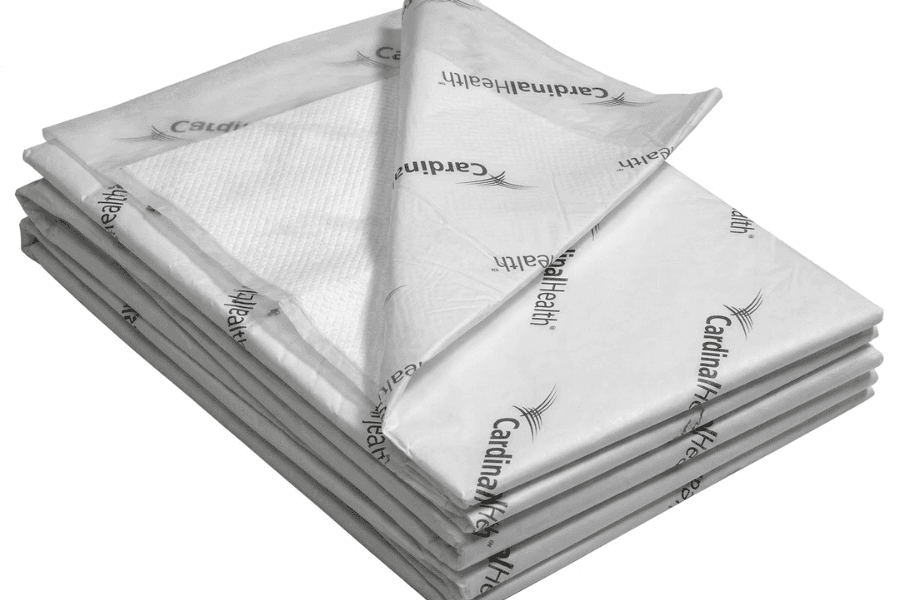
The Cardinal Health Wings Quilted Premium MVP Underpads are listed by MedicalEshop as heavy-absorbency disposable underpads.
The 23 × 36-inch configuration features a moisture vapor permeable film, a cloth-like backsheet, a spunbond nonwoven topsheet, and an airlaid absorbent core. The product page also describes a super-absorbent honeycomb core and whisper-quiet construction.
Key features include:
The product is an option for shoppers looking for a higher-absorbency underpad with multiple construction features.
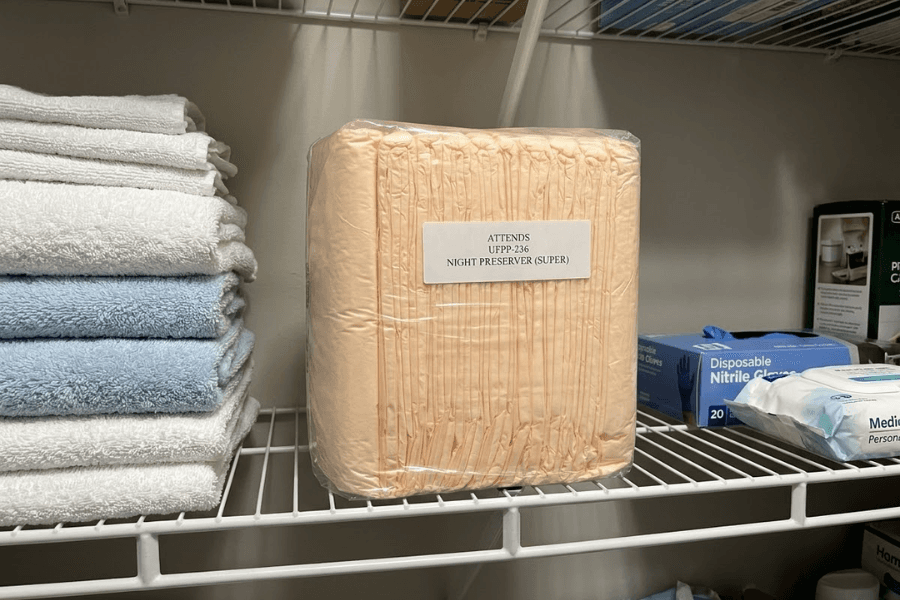
Attends Care Night Preserver Underpads are another disposable underpad option available through MedicalEshop.
The MedicalEshop listing provides product options under the Attends Care Night Preserver line, with configurations varying by size and other product details.
When comparing available configurations, review:
This can be particularly useful when comparing underpads for different bed or furniture coverage requirements.
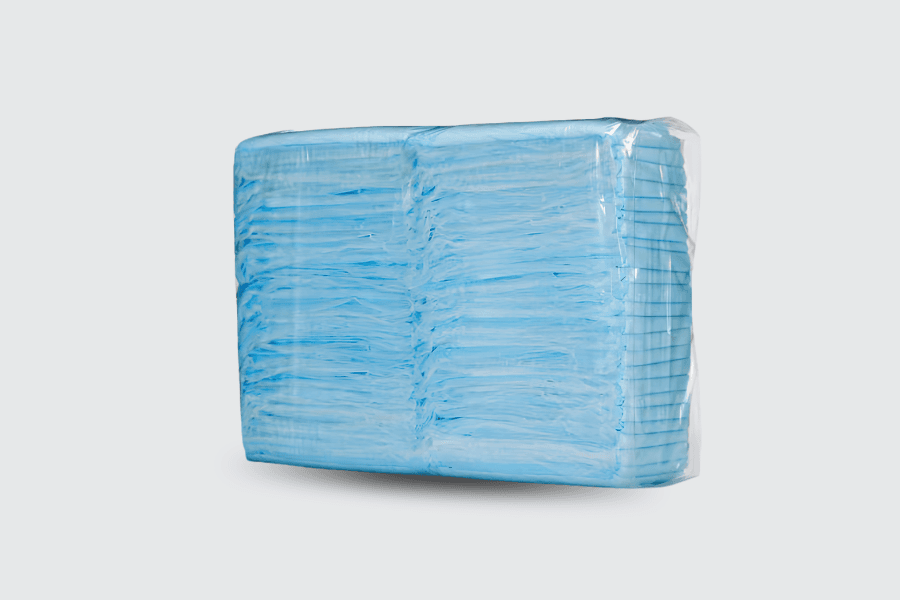
The Cardinal Health Wings Basic Underpads are listed as a light-absorbency option.
MedicalEshop offers the product in multiple configurations, including 23 × 36-inch options and other package quantities.
Consider this option when comparing:
Because the Wings Basic line is positioned as a light-absorbency option, it may be worth comparing with higher-absorbency products when greater moisture management is required.
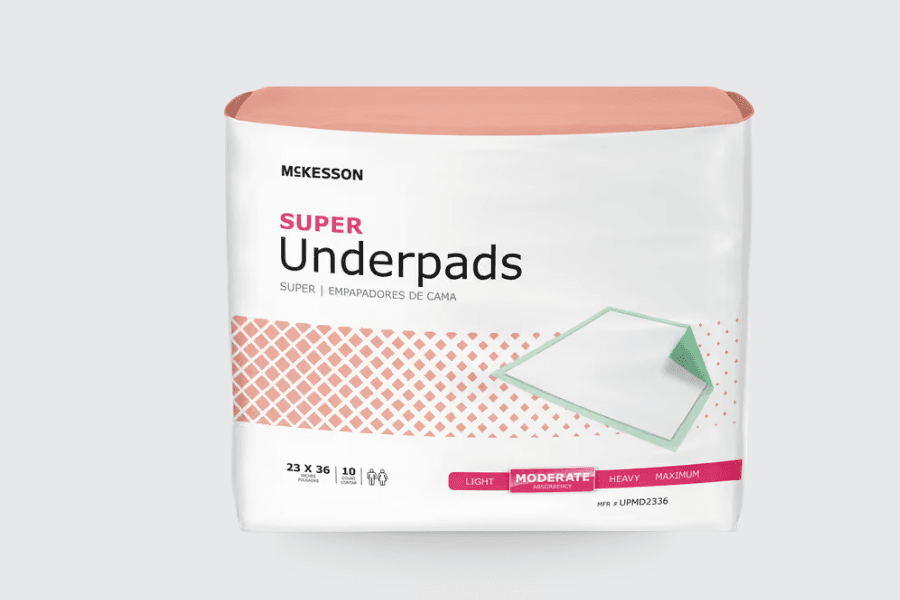
The McKesson Super Incontinence Underpads provide another option for shoppers comparing disposable underpads.
MedicalEshop currently lists a 30 × 36-inch configuration and identifies the product as a moderate-absorbency underpad.
Product considerations include:
The larger dimensions may be useful when more surface coverage is required, although the appropriate size depends on the intended surface and individual needs.
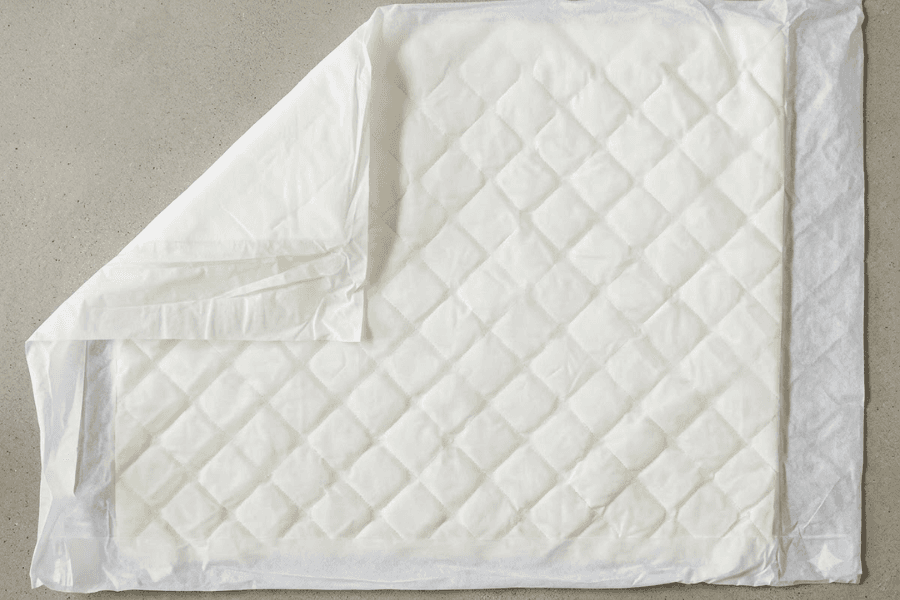
Medline Quilted Disposable Fluff Underpads are designed as disposable surface-protection pads.
Medline's product information describes its quilted disposable fluff/tissue-fill underpads as all-purpose pads that can provide coverage for surfaces including chairs, wheelchairs, and beds. The manufacturer also describes a polypropylene backing and fluff/tissue construction for applicable configurations.
Features to consider include:
Because product sizes and configurations vary, review the specific MedicalEshop listing before selecting a particular version.
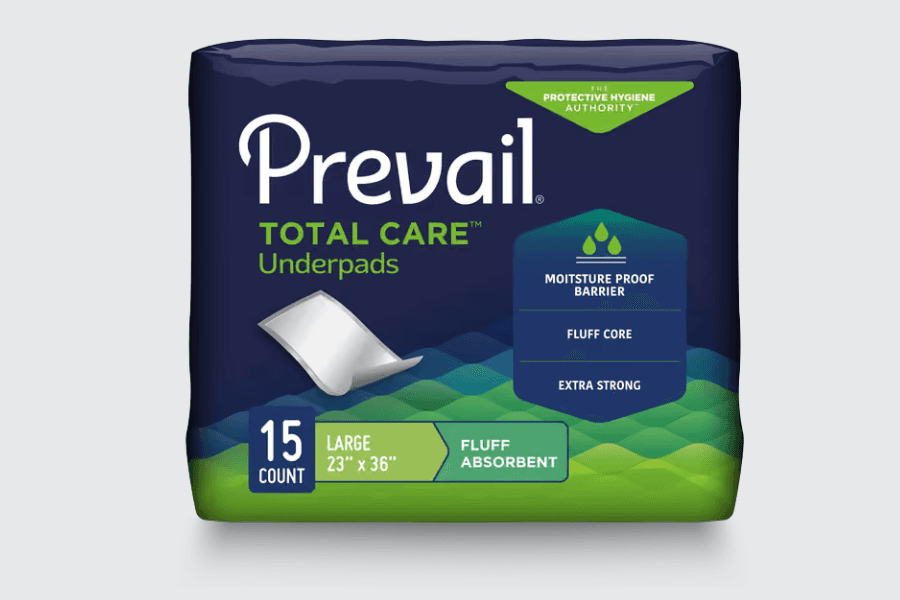
Prevail Total Care Underpads are available in multiple configurations through MedicalEshop.
Prevail's manufacturer information describes its disposable underpads as additional protection for beds, chairs, and other surfaces, with different sizes and absorbency levels available.
MedicalEshop currently lists configurations including:
Some configurations are identified as heavy or super absorbency, so shoppers should review the specific product variant rather than assuming all configurations have identical specifications.
The six products can be compared by their listed characteristics and available configurations rather than ranking one as universally best.
| Product | Example Configuration | Absorbency/Construction | Key Consideration |
| Cardinal Health Wings Quilted Premium MVP | 23 × 36 in. | Heavy absorbency; airlaid core | MVP film and cloth-like backsheet |
| Attends Care Night Preserver | Product-specific | Varies by configuration | Review size and product specifications |
| Cardinal Health Wings Basic | 23 × 36 in. | Light absorbency | Option for lighter moisture needs |
| McKesson Super Incontinence | 30 × 36 in. | Moderate absorbency | Larger surface coverage |
| Medline Quilted Disposable Fluff | Product-specific | Fluff/tissue construction | Quilted disposable surface protection |
| Prevail Total Care | 30 × 30 / 30 × 36 in. options | Configuration-specific | Multiple size and absorbency options |
Important: Product configurations, sizes, absorbency ratings, packaging, and availability can change. Always review the specific MedicalEshop product listing and manufacturer information before ordering.
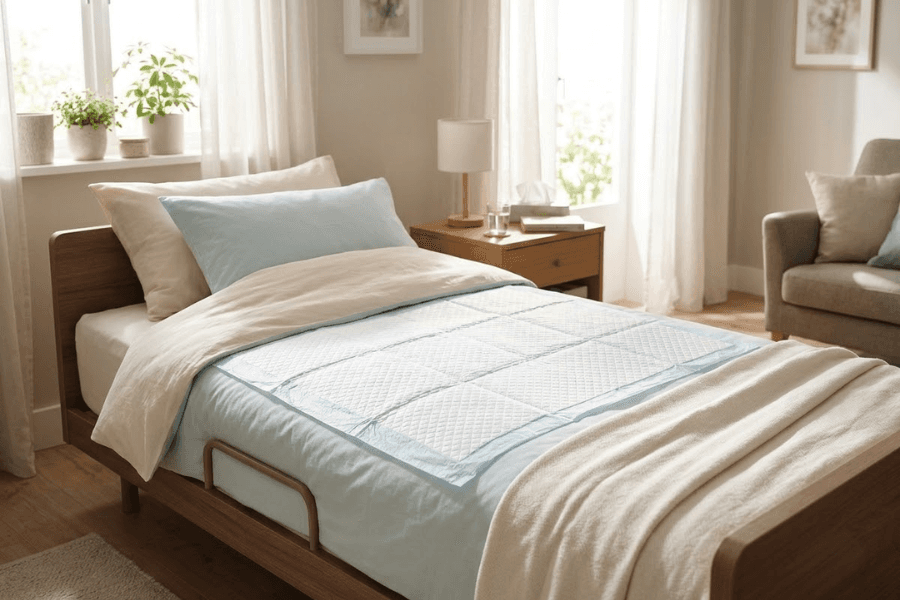
Using an underpad correctly can help make routine surface protection more manageable.
Choose a pad that provides enough coverage for the intended area.
Place the absorbent side upward and position the pad over the area that needs protection.
Remove unnecessary folds and wrinkles where practical.
Monitor the underpad during use and replace it when it becomes wet, soiled, saturated, damaged, or otherwise unsuitable.
Follow appropriate household, facility, or local disposal practices.
Different products may have specific instructions regarding placement, handling, and intended use.
For individuals with incontinence, an underpad should be considered one part of an overall care routine rather than the only measure used to manage moisture exposure.
Disposable underpads can help protect bedding and furniture, but they do not replace appropriate skin care.
MedlinePlus explains that prolonged contact with urine or stool can contribute to skin problems and recommends cleaning and drying the skin after exposure.
During everyday caregiving, consider:
The National Institute on Aging also advises caregivers to keep skin clean and dry, check for rashes, and seek medical guidance when concerning skin changes do not improve.
Important: A disposable underpad is designed for surface protection. It should not be presented as a treatment for incontinence, skin irritation, pressure injuries, wounds, or infections.
If a person develops persistent redness, a wound, significant irritation, drainage, or other concerning skin changes, an appropriate healthcare professional should be consulted.
Yes, depending on the product's design and manufacturer's stated use.
Although disposable underpads are commonly associated with incontinence care, they can also be used for general surface protection.
Potential applications may include:
However, an underpad should only be used in a particular application when its specifications and intended use are appropriate.
There is no universal time period that applies to every disposable underpad.
The appropriate replacement frequency depends on factors such as:
A wet or soiled underpad should generally be replaced rather than left in place for an extended period.
MedlinePlus advises changing soaked products promptly and keeping the skin clean and dry.
If the underpad becomes saturated, leaks, shifts significantly, becomes damaged, or no longer provides adequate surface protection, replace it with a suitable new pad.
The right disposable underpad can make everyday caregiving and incontinence routines easier to manage by providing an additional layer of protection for beds, chairs, wheelchairs, and other surfaces. However, the ideal choice depends on more than absorbency alone.
Consider the size, absorbent core, waterproof backing, construction, intended use, and frequency of replacement when comparing options.
MedicalEshop offers disposable underpads from brands including Cardinal Health, Attends, McKesson, Medline, and Prevail, giving caregivers and shoppers several configurations to compare based on their individual needs.
Explore MedicalEshop's disposable underpads to compare available sizes, absorbency levels, and product configurations.
This article uses general educational information from the National Institute of Diabetes and Digestive and Kidney Diseases (NIDDK), MedlinePlus from the U.S. National Library of Medicine, and the National Institute on Aging (NIA) for information related to urinary incontinence products, underpads, surface protection, caregiving, and skin care. Product characteristics were reviewed using the applicable MedicalEshop product pages and manufacturer information from Cardinal Health, Medline, and Prevail where available.
MedicalEshop is a U.S.-based dealer and supplier of home medical equipment, rehabilitation products, mobility aids, and special-needs products. MedicalEshop is not a manufacturer, physician, hospital, or licensed medical provider. The information in this article is provided for general educational purposes only and is not intended to diagnose, treat, cure, or prevent any medical condition. Product selection should be based on the manufacturer's specifications and individual needs. If you have concerns about incontinence, persistent skin irritation, a wound, infection symptoms, or another health concern, consult an appropriate healthcare professional.
Frequently Asked Questions
Ans. Disposable underpads are absorbent, single-use pads used to help protect beds, chairs, furniture, and other surfaces from urine, other bodily fluids, spills, and moisture. NIDDK specifically identifies large disposable pads as an option for protecting chairs and beds from urine.
Ans. Consider the pad's size, absorbency, absorbent core, backing, surface material, construction, intended use, and package quantity. The appropriate features depend on the surface being protected and the amount of moisture expected.
Ans. Choose a size that provides appropriate coverage for the intended surface without creating unnecessary bulk. Bed, chair, and wheelchair applications may require different dimensions. Always check the product's actual dimensions before ordering.
Ans. The appropriate absorbency depends on the amount of moisture or leakage expected. Light-absorbency products may be suitable for some situations, while higher-absorbency products may be more appropriate for heavier moisture. Manufacturer specifications should guide the selection.
Ans. Many disposable underpads have a waterproof or moisture-resistant backing designed to help protect the underlying surface. However, construction varies by product, so check the specific manufacturer's specifications rather than assuming every underpad provides identical protection.
Ans. Yes. Disposable underpads are commonly used to help protect beds and chairs from moisture and incontinence leakage. NIDDK and MedlinePlus both identify underpads or large disposable pads as products for protecting these surfaces.
Ans. Change an underpad when it becomes wet, soiled, saturated, damaged, or no longer provides the intended protection. There is no single replacement schedule for every product or situation.
Ans. Depending on the product, underpads may be useful for protecting surfaces during caregiving, personal-care activities, liquid nutrition spills, or other situations involving moisture. Always verify that the intended use is appropriate for the particular product.
Ans. Underpads primarily protect surfaces, not skin. They should not replace appropriate skin hygiene or clinical care. Prolonged exposure to urine or stool can contribute to skin problems, so wet or soiled materials should be changed promptly and the surrounding skin kept clean and dry.
Ans. There is no single underpad that is best for every person or situation. Products such as the Cardinal Health Wings Quilted Premium MVP and certain Prevail Total Care configurations are listed with higher absorbency characteristics, but the appropriate selection depends on the specific product configuration, required coverage, and individual needs.
Ans. Disposable underpads are designed for single use. They should be replaced according to their condition and the manufacturer's instructions rather than washed and reused.

