Caring for the skin of a bedridden patient requires consistent attention, appropriate hygiene practices, and products designed to support skin integrity. Limited mobility can increase the risk of dry skin, moisture-associated skin damage, and pressure-related concerns, making daily skin care an essential part of caregiving. This guide explores the best skin care products for bedridden patients, explains how each product supports everyday skin care routines, and provides practical tips for caregivers. Whether you're caring for a loved one at home or assisting patients in a healthcare setting, understanding proper skin care practices can help promote comfort and maintain healthy skin.

Many family caregivers discover that skin care becomes much more challenging when a loved one is confined to bed. Even small amounts of pressure, moisture, and friction can affect skin health over time. According to the National Pressure Injury Advisory Panel (NPIAP), maintaining skin integrity involves regular repositioning, moisture management, nutritional support, and appropriate skin care products. For individuals who spend extended periods in bed due to illness, surgery, disability, or age-related conditions, maintaining healthy skin becomes an important part of daily care. Reduced mobility may increase the likelihood of prolonged pressure, excess moisture, friction, and dry skin—all of which can affect skin health if not managed appropriately.
A thoughtful skin care routine involves more than simply keeping the skin clean. Selecting appropriate cleansers, moisturizers, barrier creams, and supportive products may help maintain skin integrity, improve comfort, and simplify caregiving routines. These products are often used alongside regular repositioning, adequate nutrition, hydration, and healthcare guidance.
In this guide, you'll learn some of the most commonly recommended skin care products for bedridden patients, explains their role in daily care, and highlights additional supplies that may support overall skin protection.
When a person remains in one position for long periods, the skin experiences continuous pressure and reduced airflow sometimes called pressure ulcers or bedsores. Combined with moisture from perspiration or incontinence, this environment may contribute to skin irritation and increase the likelihood of skin breakdown.
Daily skin care helps support:
It's important to remember that skin care products alone cannot prevent pressure injuries. They work best as part of a comprehensive care plan that includes regular repositioning, pressure redistribution surfaces, proper nutrition, hydration, and guidance from healthcare professionals.
Not every skin care product is suitable for individuals with limited mobility. Products should be gentle, easy to apply, and appropriate for sensitive skin.
| Feature | Why It Matters |
| pH-balanced cleansers | Help cleanse without disrupting the skin barrier |
| Fragrance-free formulas | May reduce irritation for sensitive skin |
| Moisturizing ingredients | Help maintain skin hydration |
| Barrier protection | Helps shield skin from moisture exposure |
| Easy application | Supports efficient caregiver routines |
| Dermatologist-tested products | May provide additional confidence for sensitive skin use |
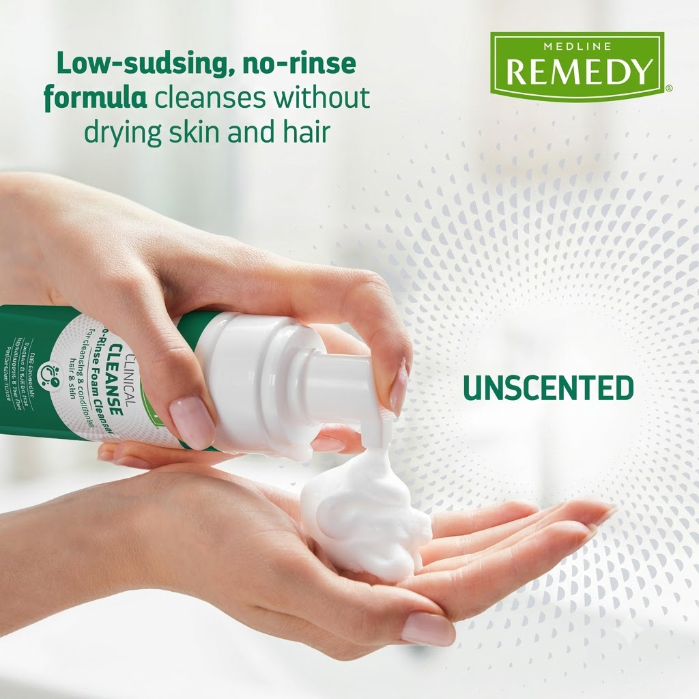
Daily cleansing is essential, but frequent washing with traditional soap may leave skin feeling dry. No-rinse cleansers gently remove dirt, sweat, and body oils without requiring water, making them particularly useful for individuals with limited mobility.
These cleansers are commonly used in home care, rehabilitation facilities, and long-term care settings.
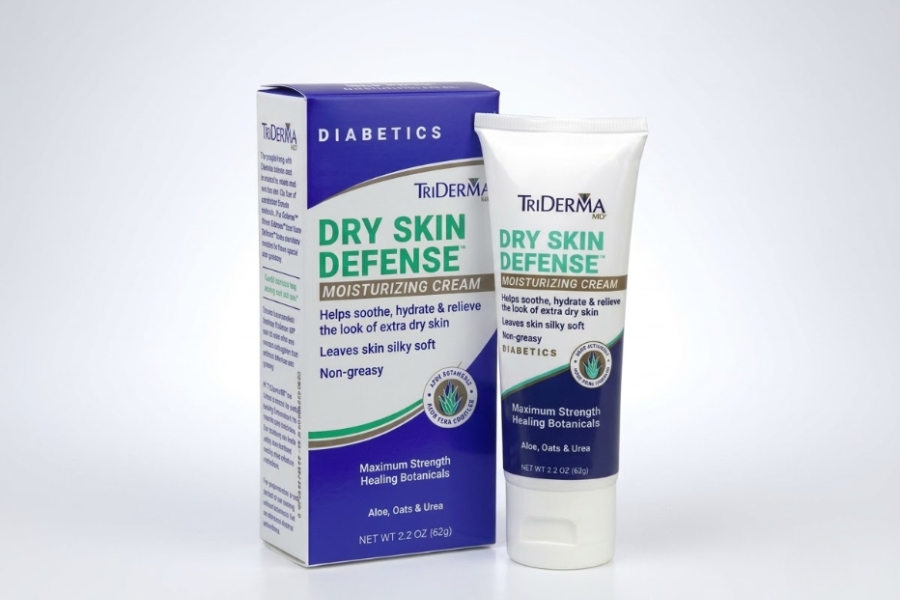
Dry skin is one of the most common concerns among bedridden individuals. Aging skin naturally loses moisture, while reduced activity and environmental factors can further contribute to dryness.
Moisturizers help replenish hydration and support the skin's protective barrier.
Look for products containing ingredients such as:
Avoid heavily scented lotions if the patient has particularly sensitive skin & applying between toes unless advised (for diabetic patients)
Applying moisturizer immediately after cleansing may help lock in moisture.
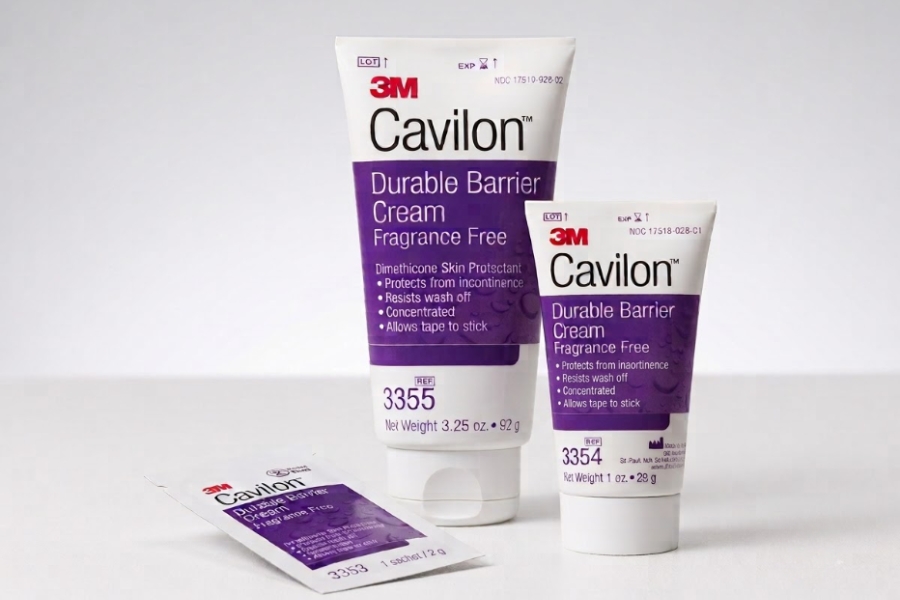
Barrier creams are widely used when skin is regularly exposed to moisture from perspiration or incontinence.
Rather than treating existing skin damage, these creams create a protective layer that may help reduce prolonged moisture contact.
Common protective ingredients include:
Barrier creams are often incorporated into continence care routines under the guidance of caregivers or healthcare professionals.
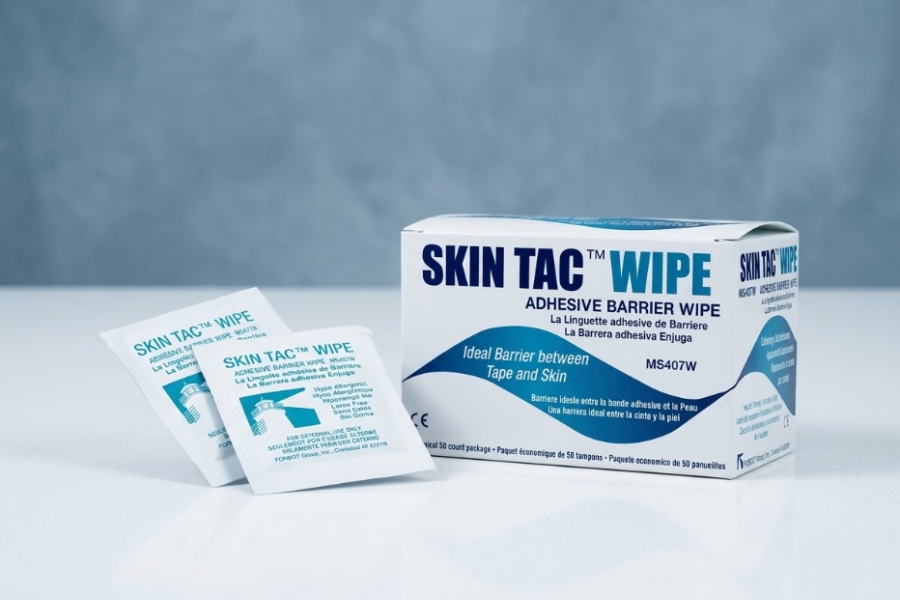
Some patients experience discomfort when creams are repeatedly rubbed onto fragile skin.
Skin protectant sprays offer a touch-free alternative by forming a breathable protective film over vulnerable areas.
Benefits include:
Many caregivers also prefer pre-moistened skin care wipes designed specifically for sensitive skin because they combine gentle cleansing with moisturizing ingredients.
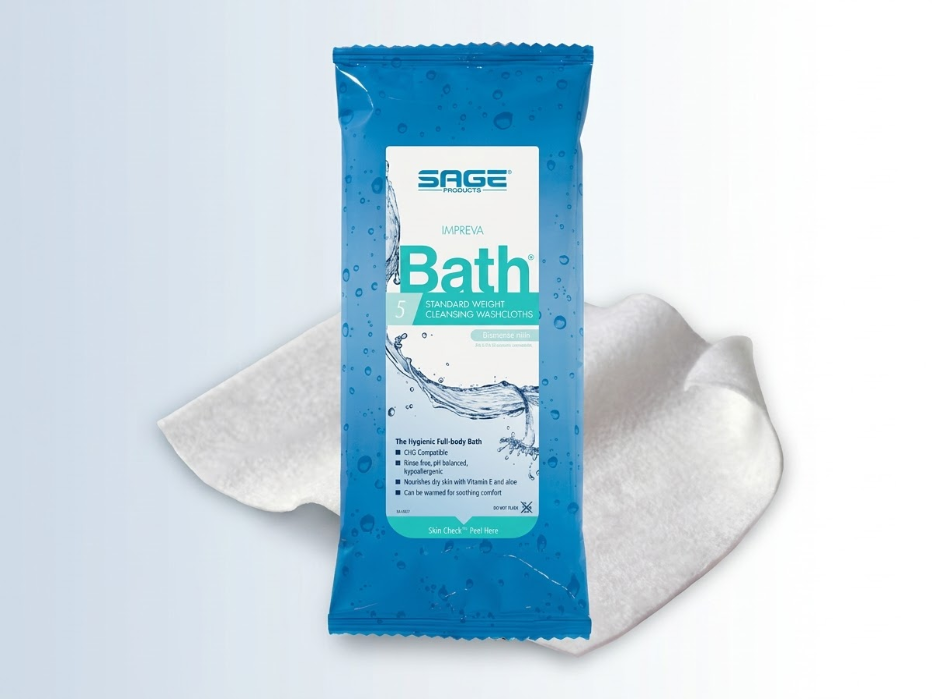
Traditional washcloths may become rough after repeated laundering.
Soft disposable cleansing cloths are designed for:
Many options contain aloe vera, vitamin E, or moisturizing agents that help reduce dryness during cleaning.
These products can improve convenience while supporting hygienic caregiving practices.
One should avoid vigorous rubbing, especially for those who have sensitive skin.
Using quality products consistently is often more beneficial than using many products inconsistently.
A simple daily routine may include:
| Time | Recommended Care |
| Morning | Cleanse skin and inspect pressure areas |
| After hygiene care | Apply moisturizer if needed |
| During continence care | Use barrier cream where appropriate |
| Throughout the day | Reposition regularly and keep skin dry |
| Evening | Repeat cleansing and skin inspection |
Routine skin checks allow caregivers to notice changes such as redness, irritation, or areas of concern early. If skin changes persist or worsen, they should be evaluated by a qualified healthcare professional.
While topical skin care products play an important role, several medical support products may also contribute to overall comfort and skin protection as part of a comprehensive care plan.
These include:
These products should be selected based on individual needs and healthcare provider recommendations.
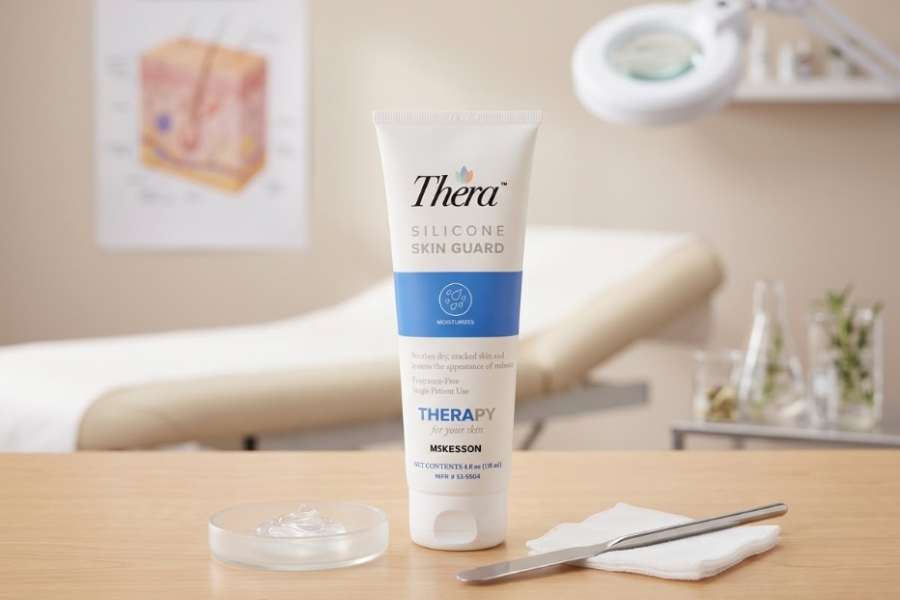
For patients who spend extended periods in bed, areas such as the heels, elbows, hips, and sacrum may experience repeated friction or shear during repositioning. In some cases, healthcare professionals may recommend silicone-based skin protectants or silicone foam dressings to help protect vulnerable skin.
These products are designed to:
Important: Silicone dressings should be selected and applied according to the manufacturer's instructions or a healthcare professional's recommendation. They are not a substitute for regular repositioning or medical treatment.
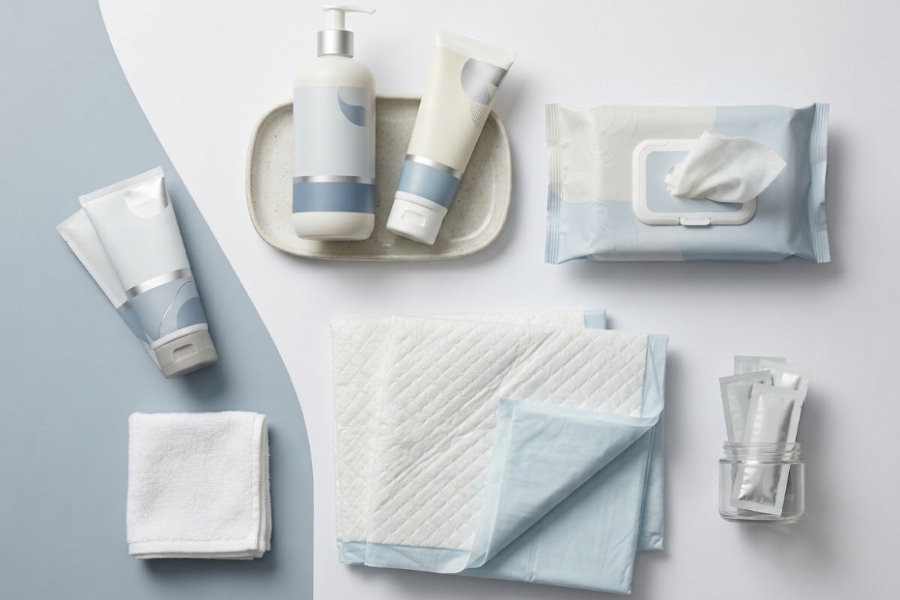
Individuals experiencing urinary or fecal incontinence may benefit from skin care products specifically formulated to cleanse, moisturize, and protect the skin from prolonged moisture exposure.
A complete incontinence skin care routine often includes:
Maintaining clean and dry skin while changing incontinence products promptly may help reduce the risk of moisture-associated skin damage.
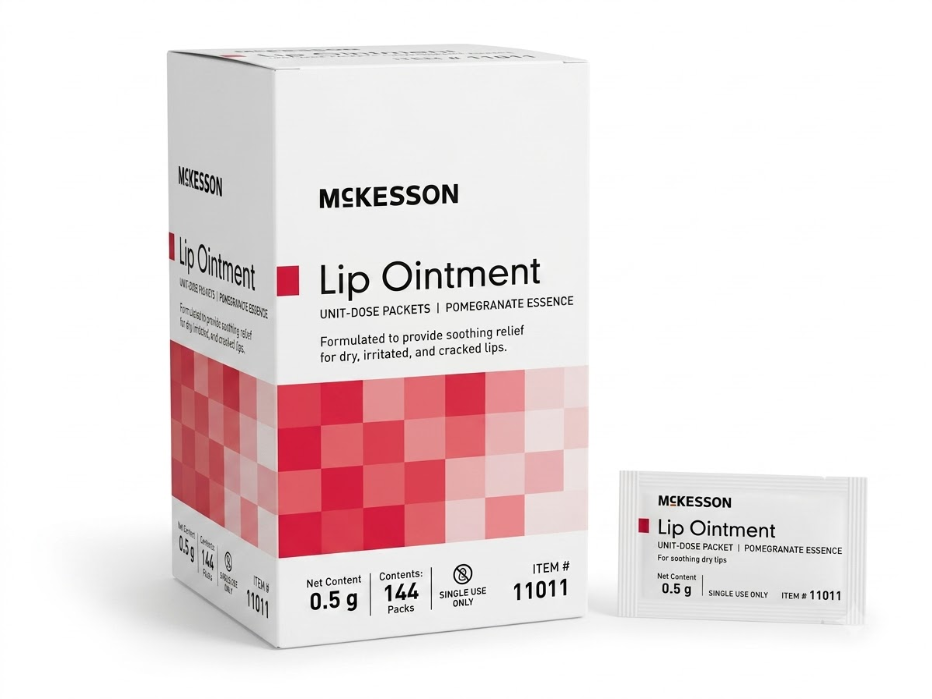
Dry lips and oral discomfort are common among bedridden individuals, especially those who breathe through their mouth, use oxygen therapy, or have limited fluid intake.
Products that may help support daily oral comfort include:
Regular lip care can improve comfort and reduce cracking or dryness.
A consistent daily routine can help support skin health and improve patient comfort.
Follow these best practices:
Even with the best intentions, some caregiving practices may unintentionally affect skin health.
| Mistake | Better Practice |
| Using harsh soaps | Choose gentle, pH-balanced cleansers |
| Applying heavily scented products | Select fragrance-free products for sensitive skin |
| Skipping daily skin checks | Inspect the skin every day |
| Leaving damp clothing or bedding in place | Keep skin and linens clean and dry |
| Forgetting regular repositioning | Follow a consistent repositioning schedule |
| Applying multiple products unnecessarily | Use products that meet the individual's specific needs |
Every individual's skin care needs are different. When selecting products, consider factors such as:
Many caregivers find that using a simplified routine with a few high-quality products is easier to maintain than using numerous products inconsistently.
Maintaining healthy skin is an important aspect of caring for bedridden individuals. A consistent routine that includes gentle cleansing, regular moisturizing, moisture protection, and pressure management can help support skin integrity and improve overall comfort.
No single product can prevent all skin-related concerns. Instead, effective skin care involves combining appropriate products with regular repositioning, adequate nutrition, hydration, pressure redistribution, and ongoing observation of the skin.
For caregivers, choosing skin-friendly products that are easy to use and appropriate for the individual's needs can simplify daily care while promoting comfort and dignity. When questions arise about skin changes or specialized wound care, consulting a qualified healthcare professional is always the safest approach.
This article is intended for educational and informational purposes only and should not be considered medical advice. Skin care needs vary from person to person. Always consult a physician, wound care specialist, nurse, or other qualified healthcare professional for personalized recommendations, especially if a patient has pressure injuries, persistent skin irritation, signs of infection, or other medical concerns. Medicaleshop is a supplier of home medical equipment and rehabilitation products and does not provide medical diagnosis or treatment. Product information should always be reviewed according to manufacturer instructions.
The information in this article is based on guidance and educational resources from reputable healthcare organizations, including:
You May Also Like
13 Essential Safety Checks for Individuals With Limited Mobility at Home
The Best Adult Diaper Rash Creams for Incontinence Care & Sensitive Skin
Frequently Asked Questions
Ans. The best skin care routine typically includes a gentle cleanser, fragrance-free moisturizer, and a moisture barrier cream when appropriate. Product selection depends on the individual's skin condition, mobility, and healthcare needs.
Ans. Skin should generally be inspected at least once a day, especially over pressure-prone areas such as the heels, hips, elbows, and tailbone. More frequent checks may be needed for individuals at higher risk.
Ans. Barrier creams help protect the skin from prolonged exposure to moisture caused by perspiration or incontinence. They are commonly used as part of daily skin care routines.
Ans. Some body lotions may be suitable, but fragrance-free, moisturizing products formulated for sensitive skin are often preferred. If there are concerns about skin irritation, consult a healthcare professional.
Ans. No. Pressure redistribution mattresses are only one part of a comprehensive care plan. Regular repositioning, daily skin inspections, good nutrition, hydration, and appropriate skin care products are also important.
Ans. Caregivers can help by keeping the skin clean and dry, using gentle cleansing products, applying moisturizers and barrier creams when needed, repositioning regularly, and monitoring the skin for early signs of irritation.
Ans. No-rinse cleansers can be a practical option for individuals with limited mobility because they gently cleanse the skin without requiring a full bath. They are widely used in home care and long-term care settings.
Ans. Persistent redness, warmth, discoloration, tenderness, swelling, or changes in skin texture may be early signs of skin damage. Any concerning changes should be evaluated by a healthcare professional.
Ans. Moisturizer is commonly applied after cleansing and whenever the skin appears dry. The frequency may vary depending on the individual's skin condition and healthcare provider recommendations.
Ans. Medical supply providers, including Medicaleshop, offer a variety of skin care products, pressure redistribution cushions, mattresses, positioning aids, and other home healthcare supplies that may support daily caregiving routines. Product selection should be based on individual needs and healthcare professional recommendations.
.avif&w=3840&q=75)
.avif&w=3840&q=75)