Living with Parkinson's disease can make everyday tasks such as walking, eating, bathing, and getting dressed more challenging over time. While no assistive product can treat or cure Parkinson's disease, the right equipment may help support greater safety, comfort, and independence at home. In this guide, we'll explore six product categories that may be relevant to everyday activities, explain how they may help with daily routines, and highlight products available at MedicalEshop. Whether you're shopping for yourself, a loved one, or someone you care for, this article offers practical information to help you make informed product choices.

Parkinson's disease is a progressive neurological condition that affects movement and can gradually influence many aspects of daily life. Depending on the individual, symptoms such as tremors, muscle stiffness, slower movements (bradykinesia), balance changes, and reduced coordination may make routine activities, including walking, eating, dressing, bathing, or moving around the home, more difficult over time.
Although there is no single product that works for everyone, healthcare professionals may recommend assistive equipment as part of an overall care plan to help support mobility, improve accessibility, and encourage greater independence. These products are designed to assist with everyday tasks; they do not treat, cure, or slow the progression of Parkinson's disease.
At MedicalEshop, we understand that every person's needs are unique. As a U.S.-based supplier of medical supplies, rehabilitation equipment, mobility aids, and home care products, We offer products in categories commonly used to support daily living and accessibility
Medical Disclaimer: This article is intended for informational and educational purposes only. MedicalEshop is a dealer and supplier of medical and rehabilitation products and does not provide medical advice, diagnosis, treatment recommendations, or clinical services. Always consult your physician, neurologist, physical therapist, occupational therapist, or another qualified healthcare professional before selecting or using any assistive equipment.
Everyday routines often involve dozens of small movements that many of us rarely think about, like standing up from a chair, carrying a meal to the table, stepping into the shower, reaching for an item on a shelf, or getting dressed in the morning. For some people living with Parkinson's disease, these everyday tasks may require additional support as symptoms change over time.
This is where assistive products may play an important role. Depending on an individual's mobility, home environment, and healthcare provider's recommendations, equipment such as walkers, adaptive dining products, bathroom safety aids, positioning cushions, transfer devices, and dressing aids may help make daily activities more manageable while supporting comfort and safety.
The key is choosing products that match the individual's current needs rather than purchasing equipment based solely on appearance or cost. Factors such as adjustability, ease of use, weight capacity, available space, and caregiver involvement should all be considered before making a decision.
The following product categories may be relevant to common daily living challenges associated with Parkinson's disease and are available through MedicalEshop's extensive selection of home medical, rehabilitation, and daily living aids.
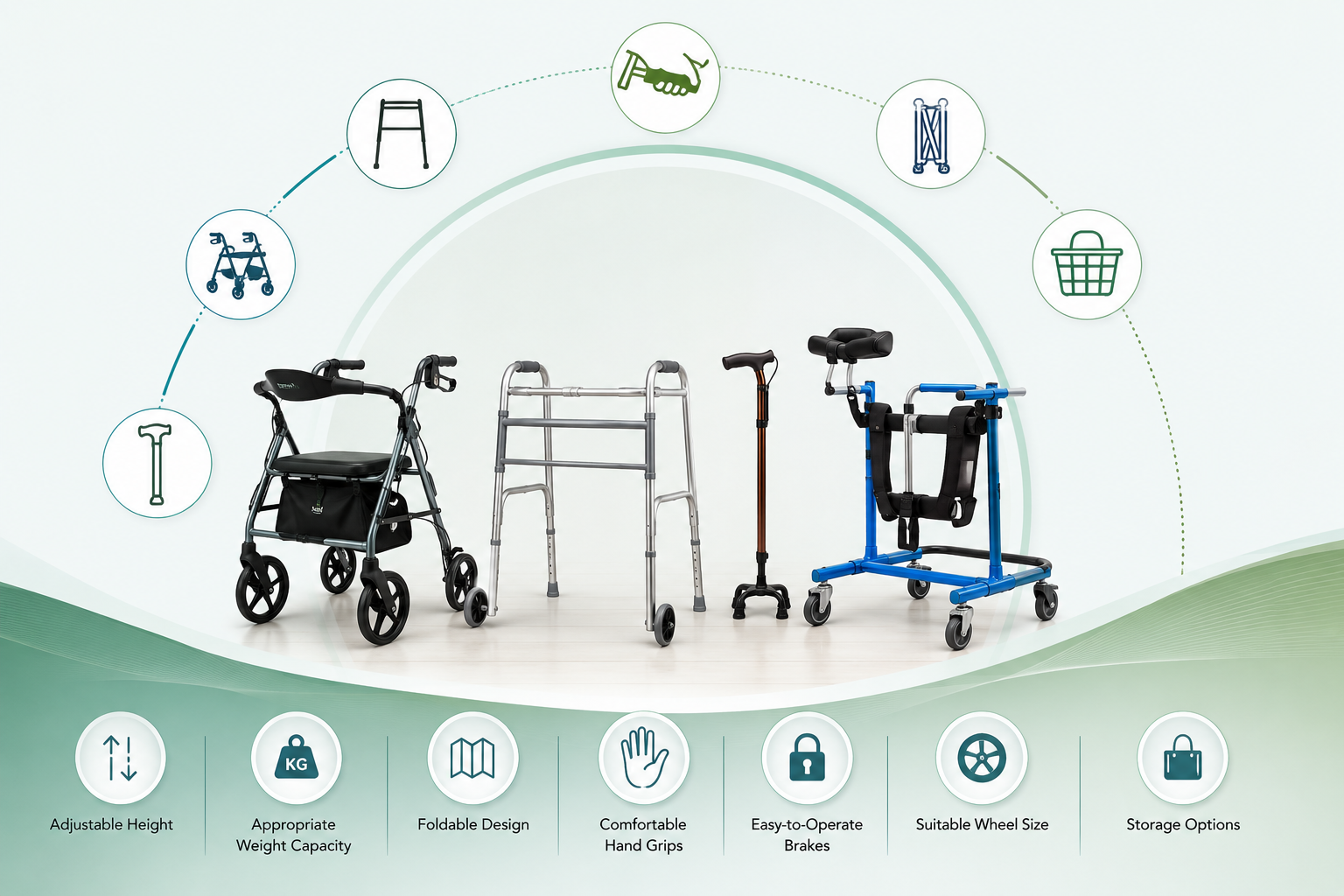
For many people living with Parkinson's disease, changes in walking ability are among the earliest and most noticeable challenges. Reduced arm swing, shuffling steps, freezing episodes, muscle rigidity, and balance changes may make it more difficult to move confidently around the home or outdoors. While mobility aids cannot correct these symptoms, they may provide additional stability and support during everyday movement when recommended by a healthcare professional.
MedicalEshop offers a wide variety of mobility products designed to meet different levels of mobility and activity. Whether someone needs occasional walking support indoors or a more advanced mobility solution for community use, choosing the right equipment may help improve confidence and reduce physical strain during daily routines.
Mobility Products Available at MedicalEshop
Rollators may provide additional walking support while offering a built-in seat for resting during longer outings.
Walkers may offer a stable base of support for individuals who need greater balance assistance indoors or outdoors.
Walking Canes - May assist with mild balance changes while remaining lightweight and easy to carry.
Gait Trainers - Designed for individuals who require more structured walking support under the guidance of healthcare professionals.
Walker Accessories - Baskets, trays, cup holders, storage bags, and replacement parts that can improve convenience during daily activities. Modern mobility aids are available with a range of features, including adjustable handle heights, ergonomic hand grips, foldable frames, locking hand brakes, padded seats, and storage compartments. These features can make everyday tasks-such as shopping, attending appointments, or moving around the house-more comfortable and convenient.
Buying Tip: The best mobility aid is one that matches the user's current abilities, living environment, and healthcare provider's recommendations. An improperly fitted walker or rollator may not provide the intended level of support.
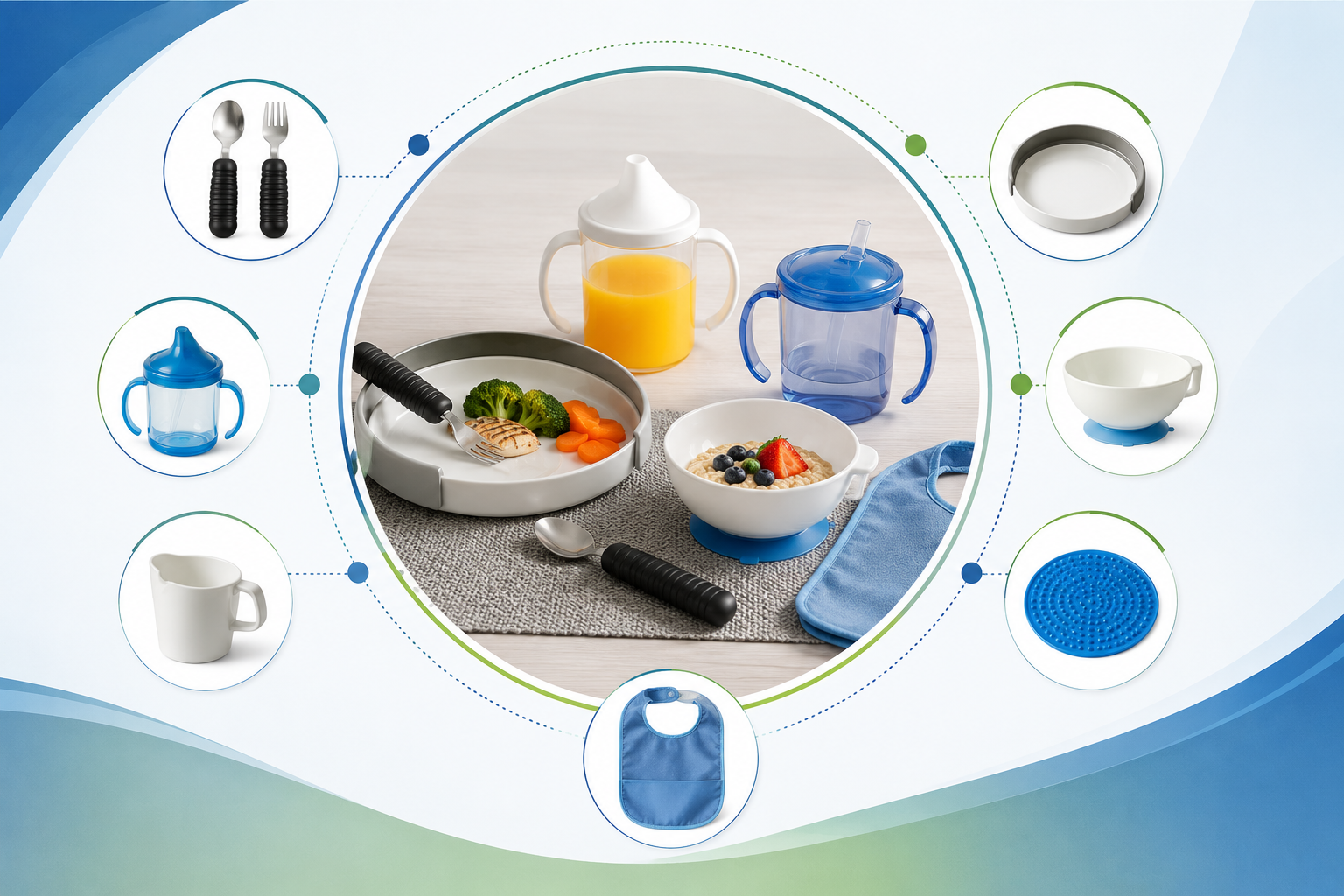
Preparing and enjoying meals is an important part of everyday life, but for some people living with Parkinson's disease, symptoms such as hand tremors, reduced dexterity, muscle stiffness, or slower movements may make eating and drinking more challenging. Simple tasks like gripping utensils, holding a cup, or scooping food from a plate may require extra effort.
Adaptive eating and drinking products are designed to make mealtimes more manageable by improving grip, reducing spills, and helping individuals maintain greater independence during meals. While these products do not treat Parkinson's disease, they may help simplify everyday dining routines when selected according to an individual's needs and healthcare provider's recommendations.
MedicalEshop offers a wide selection of adaptive dining and daily living products from trusted manufacturers, making it easier for individuals and caregivers to find solutions that fit different levels of hand function and coordination.
Adaptive Eating & Drinking Products
Adaptive Utensils - Designed with easy-to-grip handles that may be more comfortable for individuals with reduced hand strength or dexterity.
Adaptive Drinking Cups & Mugs - May help make drinking easier with spill-resistant or ergonomic designs.
Nosey Cups - Feature a cut-out design that allows users to drink without tilting their head back as much.
Scoop Plates & Plate Guards - May help keep food contained, making it easier to scoop food onto utensils.
Non-Slip Bowls & Dycem Mats - Help reduce movement of dishes on the table during meals.
Adult Clothing Protectors (Bibs) - Help protect clothing from spills during eating and drinking.
These products are available in various designs, materials, and sizes to accommodate different preferences and functional needs. Some utensils feature built-up handles for a more secure grip, while certain cups include lids, dual handles, or angled designs to improve ease of use.
Buying Tip: An occupational therapist may recommend specific adaptive dining products based on an individual's grip strength, coordination, and daily routine. Selecting products that meet those recommendations may help improve comfort and confidence during meals.
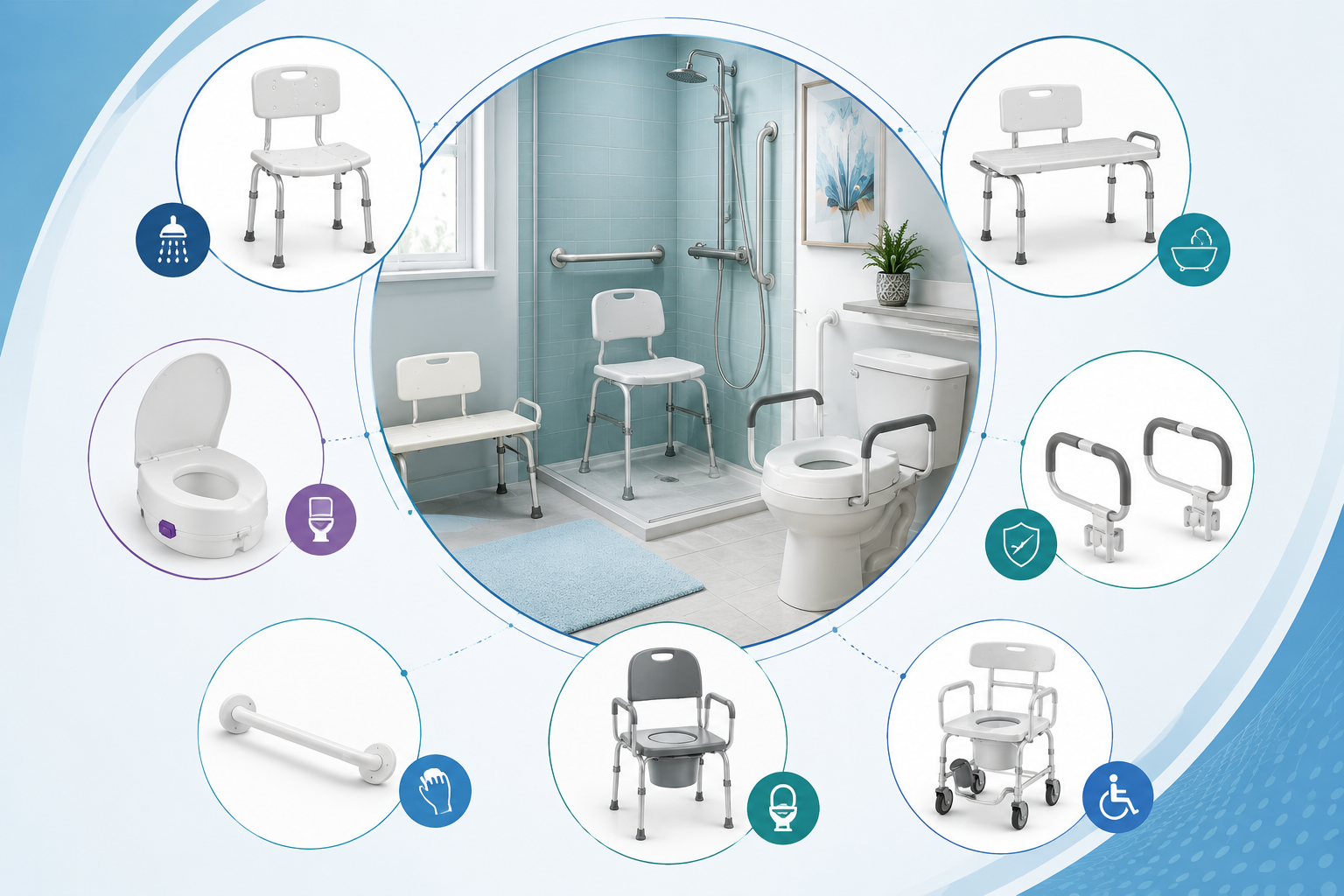
The bathroom is one of the most frequently used areas of the home, but it can also present unique challenges for individuals living with Parkinson's disease. Wet surfaces, limited space, and repeated sit-to-stand movements may make bathing, showering, and toileting more challenging, particularly for those experiencing balance changes or reduced mobility.
Bathroom safety products are designed to help improve accessibility and provide additional support during personal care activities. These products do not replace caregiver assistance or professional medical guidance, but they may contribute to a safer and more comfortable bathroom environment as part of an overall care plan.
MedicalEshop carries a comprehensive range of bathroom safety equipment from established manufacturers, offering solutions for a variety of home layouts and mobility requirements.
Bathroom Safety Products Available at MedicalEshop
Shower Chairs - May provide a stable seated option while showering, helping reduce the need to stand for long periods.
Bath Benches & Transfer Benches - Designed to assist with getting into and out of the bathtub more comfortably.
Raised Toilet Seats - May reduce the distance required to sit down or stand up from the toilet.
Toilet Safety Rails - Provide additional hand support during transfers on and off the toilet.
Grab Bars - Offer a secure handhold in key areas of the bathroom when properly installed.
Bedside Commodes - May provide a convenient toileting solution for individuals with limited mobility.
Shower Commode Chairs - Combine mobility and hygiene support for individuals who require additional assistance during bathing and toileting.
Many of these products are available with features such as adjustable heights, padded seating surfaces, corrosion-resistant frames, non-slip feet, drainage openings, and tool-free assembly. Choosing the right combination of bathroom safety products can help create a more accessible space while supporting day-to-day routines.
Safety Tip: Bathroom safety equipment should always be installed, assembled, and used according to the manufacturer's instructions. If grab bars require permanent installation, consider having them installed by a qualified professional to help ensure they are securely mounted.
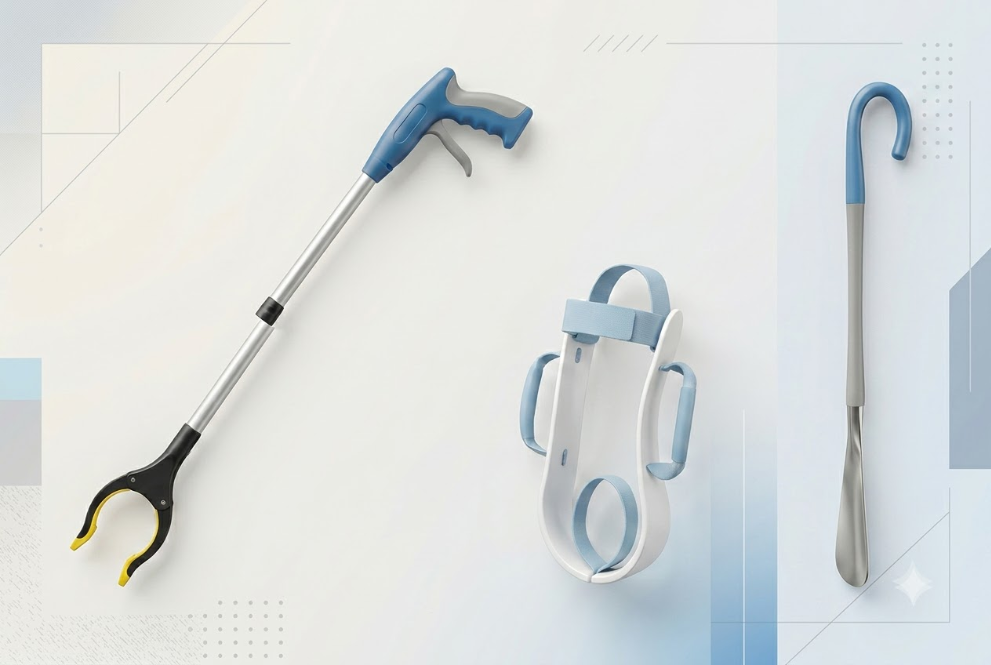
Getting dressed, reaching for household items, or putting on shoes may become more challenging for some people living with Parkinson's disease due to reduced hand dexterity, muscle stiffness, slower movements, or changes in coordination.
Daily living and dressing aids are designed to make common activities more manageable while encouraging greater independence whenever possible. Occupational therapists may recommend adaptive strategies or equipment based on a person's specific functional needs.
MedicalEshop offers a wide variety of daily living aids that can support dressing, grooming, reaching, and other everyday routines at home.
Daily Living & Dressing Products
Reachers & Grabbers - May help retrieve items from shelves or the floor without excessive bending or reaching.
Dressing Sticks - Designed to assist with putting on or removing clothing while reducing unnecessary stretching.
Sock Aids - May help individuals put on socks with less bending or strain.
Button Hooks & Zipper Pulls - Help make fastening buttons and operating zippers easier for some users with limited hand dexterity.
Long-Handled Shoehorns - May reduce the need to bend while putting on shoes.
Elastic Shoelaces - Convert lace-up shoes into slip-on footwear, reducing the need for repeated tying.
These products are available in a variety of styles and designs to accommodate different functional needs. Many are lightweight, portable, and easy to incorporate into daily routines, making them practical solutions for both home and travel.
Buying Tip: Small changes can sometimes make a big difference. Combining several daily living aids based on individual needs may help simplify routine activities and support greater independence at home.
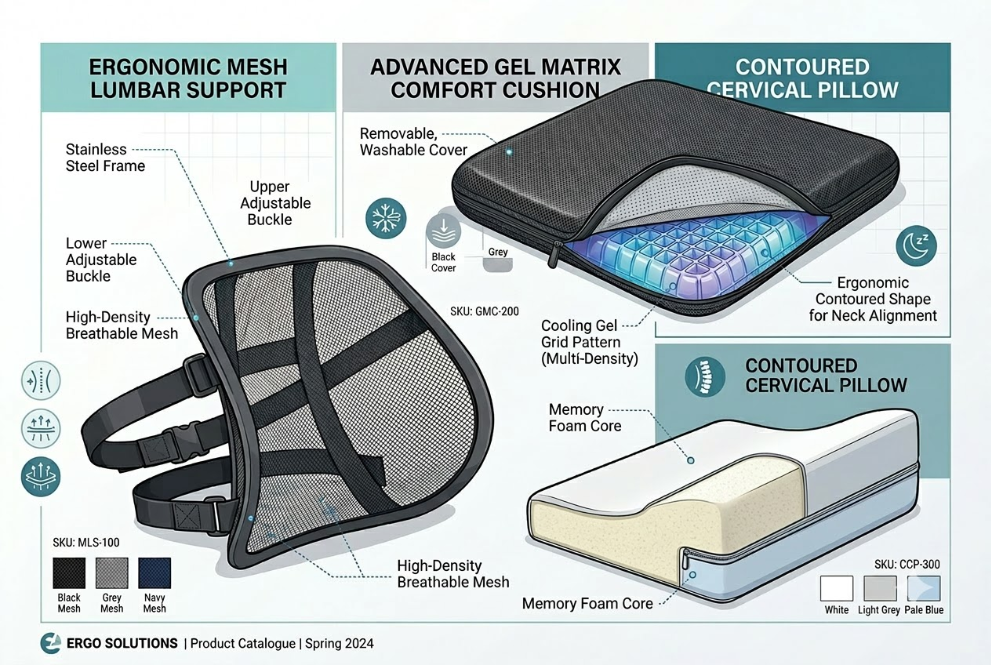
Some people with Parkinson's disease may spend extended periods sitting because of mobility limitations, fatigue, or use of a wheelchair or other mobility equipment. Remaining in one position for extended periods may affect comfort and posture, making appropriate seating support an important consideration.
Pressure relief and positioning products are designed to help distribute weight more evenly, support proper positioning, and improve overall seating comfort. While these products do not replace regular movement or professional medical care, they may help create a more supportive seating environment based on an individual's needs.
MedicalEshop offers a broad selection of pressure care and positioning products from trusted manufacturers, with options suitable for wheelchairs, standard chairs, recliners, and other seating surfaces.
Pressure Relief & Positioning Products Available at MedicalEshop
Wheelchair Cushions - May provide additional seating comfort and support during prolonged sitting.
Pressure Redistribution Cushions - Designed to help distribute pressure more evenly across the seating surface.
Positioning Cushions - May assist with maintaining a more stable and supported sitting posture.
Back Supports - May provide additional support or comfort by providing additional lumbar and upper back support.
Positioning Wedges & Bolsters - Used to support positioning during sitting or lying down, depending on individual needs.
Pressure care products are available in different materials, including foam, gel, air, and hybrid designs. Each option offers different characteristics, making it important to choose products based on individual comfort, mobility level, seating surface, and healthcare provider recommendations.
Medical Compliance Note: Individuals who are at risk of developing pressure injuries or who require specialized seating should consult their healthcare provider or seating specialist before selecting pressure care products.
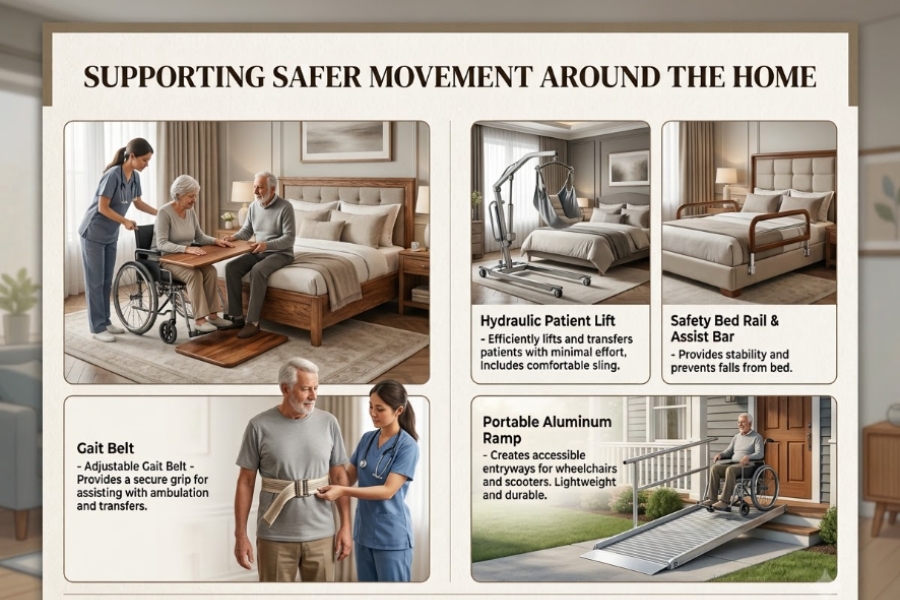
Moving from one place to another-such as getting out of bed, standing up from a chair, or transferring to a wheelchair-can become more challenging as Parkinson's disease progresses. Reduced balance, muscle rigidity, freezing episodes, or slower movements may make these transitions more difficult for some individuals. In addition, creating a safer home environment can help reduce common hazards that may interfere with everyday mobility.
Patient transfer and home safety products are designed to support these everyday movements while helping caregivers provide assistance more comfortably when needed. Depending on an individual's mobility level and healthcare provider's recommendations, different products may be appropriate for home use.
MedicalEshop offers a wide range of patient transfer and home safety products from trusted manufacturers to support individuals living with Parkinson's disease and those who assist with their care.
Patient Transfer & Home Safety Products Available at MedicalEshop
Transfer Boards - May assist with transfers between a bed, wheelchair, chair, or other seated surfaces.
Transfer Belts (Gait Belts) - Designed to help caregivers provide additional support during assisted walking or transfers.
Patient Lifts - May assist with transfers for individuals who require a higher level of mobility support.
Sit-to-Stand Lifts: Designed to support individuals who can bear some weight but need assistance when standing.
Bed Rails - May provide additional support when repositioning or getting in and out of bed.
Portable Ramps - Help improve accessibility by making it easier to navigate steps, thresholds, or entryways with mobility equipment.
These products are available in different sizes, capacities, and configurations to suit various home environments and mobility requirements. Choosing the appropriate transfer or home safety equipment should always be based on an individual's physical abilities, caregiver assistance, available space, and recommendations from qualified healthcare professionals.
Buying Tip: When selecting transfer equipment or patient lifts, consider both the individual's current mobility and any anticipated future needs. Choosing equipment that can accommodate changing support requirements may provide greater long-term value.
| Everyday Challenge | Product Category | Common Products Available at MedicalEshop |
| Walking and maintaining balance | Mobility Products | Rollators, Walkers, Canes, Gait Trainers |
| Eating and drinking | Adaptive Eating & Drinking Products | Adaptive Utensils, Cups, Scoop Plates, Plate Guards |
| Bathing and toileting | Bathroom Safety Products | Shower Chairs, Grab Bars, Raised Toilet Seats, Commodes |
| Dressing and reaching | Daily Living & Dressing Aids | Reachers, Dressing Sticks, Sock Aids, Button Hooks |
| Sitting comfortably | Pressure Relief & Positioning Products | Wheelchair Cushions, Positioning Cushions, Back Supports |
| Transfers and home accessibility | Patient Transfer & Home Safety Products | Transfer Boards, Patient Lifts, Bed Rails, Portable Ramps |
Every individual living with Parkinson's disease experiences different symptoms and challenges. A product that works well for one person may not be the right solution for another. Rather than focusing on a single piece of equipment, many caregivers and healthcare professionals recommend selecting products based on the specific activities that have become most difficult.
For example, someone experiencing changes in hand coordination may benefit most from adaptive dining products and dressing aids, while another individual who has difficulty with walking or prolonged sitting may require mobility equipment and pressure relief cushions. Choosing products according to individual needs can help create a home environment that supports comfort, accessibility, and day-to-day independence.
Selecting assistive products is a personal decision that should reflect an individual's current abilities, home environment, and care needs. Since Parkinson's disease affects each person differently, there is no one-size-fits-all solution.
When comparing products, consider the following:
Living with Parkinson's disease can present unique challenges, but the right assistive products may help make many daily activities more manageable. From improving mobility and simplifying mealtimes to creating a safer bathroom environment and supporting comfortable seating, carefully selected equipment can contribute to a more accessible and supportive home.
Because every individual's needs are different, product selection should always be guided by healthcare professionals and tailored to the person's mobility, daily routine, and living environment.
MedicalEshop offers mobility aids, adaptive daily living products, bathroom safety equipment, rehabilitation products, and other home medical supplies from established manufacturers. Review the relevant product categories and check individual product specifications before purchasing.
The information in this article is based on educational resources from respected healthcare organizations and rehabilitation authorities, including:
Frequently Asked Questions
Ans. Depending on individual needs, products such as rollators, adaptive eating utensils, bathroom safety equipment, dressing aids, pressure relief cushions, and patient transfer products may help support everyday activities. Product selection should always be based on healthcare provider recommendations.
Ans. Common mobility products include walkers, rollators, canes, and gait trainers. The most appropriate option depends on the individual's balance, mobility level, and daily routine
Ans. Adaptive utensils, drinking cups, scoop plates, and non-slip dining accessories may make eating and drinking more manageable for some individuals experiencing reduced hand coordination or dexterity.
Ans. Bathroom safety products include shower chairs, bath benches, raised toilet seats, grab bars, transfer benches, toilet safety rails, and bedside commodes.
Ans. No. Pressure relief and positioning cushions are available for wheelchairs, recliners, office chairs, and standard seating, depending on the intended use and product design.
Ans. Product needs often change over time. Healthcare professionals can recommend equipment that aligns with an individual's current mobility, balance, and daily living requirements.
Ans. MedicalEshop offers a broad selection of mobility products, rehabilitation equipment, bathroom safety products, adaptive daily living aids, patient transfer solutions, and home medical supplies from trusted manufacturers.
.avif&w=3840&q=75)
.avif&w=3840&q=75)