Choosing the right baby formula is an important decision, especially if your baby has food allergies or digestive sensitivities. This guide explains what hypoallergenic baby formula is, the different types available, and the factors to consider before making a purchase. You'll learn the difference between partially hydrolyzed, extensively hydrolyzed, and amino acid-based formulas, along with practical buying tips for parents and caregivers. We also highlight specialty infant nutrition products available at Medicaleshop to help you better understand your options. Always consult your pediatrician before selecting or changing your baby's formula.
Choosing a baby formula is one of the first nutrition decisions many parents make. While standard infant formulas meet the nutritional needs of most healthy babies, some infants may need specialized formula because of a diagnosed food allergy, feeding disorder, malabsorption condition, or other medical or nutritional need identified by a healthcare professional.
Hypoallergenic formulas are specialty infant formulas designed for specific dietary or medical needs, including certain infants with cow's milk protein allergies. These formulas contain proteins that are either broken down into smaller pieces or replaced with individual amino acids, which may be recommended for certain infants by a healthcare professional. According to the American Academy of Pediatrics (AAP), parents should always consult a pediatrician before switching to a specialized infant formula, as different conditions require different nutritional approaches.
With several formula types available, including partially hydrolyzed, extensively hydrolyzed, and amino acid-based formulas, understanding the differences can make choosing the right product feel less overwhelming.
This buying guide explains how hypoallergenic formulas differ from standard infant formulas, the situations in which healthcare professionals may recommend them, and the factors parents should consider before making a purchase. You'll also find an overview of specialty infant nutrition products available at Medicaleshop.
Medical Compliance Notice: This article is intended for informational and educational purposes only. Medicaleshop is a U.S.-based dealer and supplier of medical, rehabilitation, and infant nutrition products. We do not manufacture infant formula or provide medical advice, diagnosis, treatment recommendations, or clinical services. Always consult a qualified healthcare professional before selecting or changing your baby's formula.
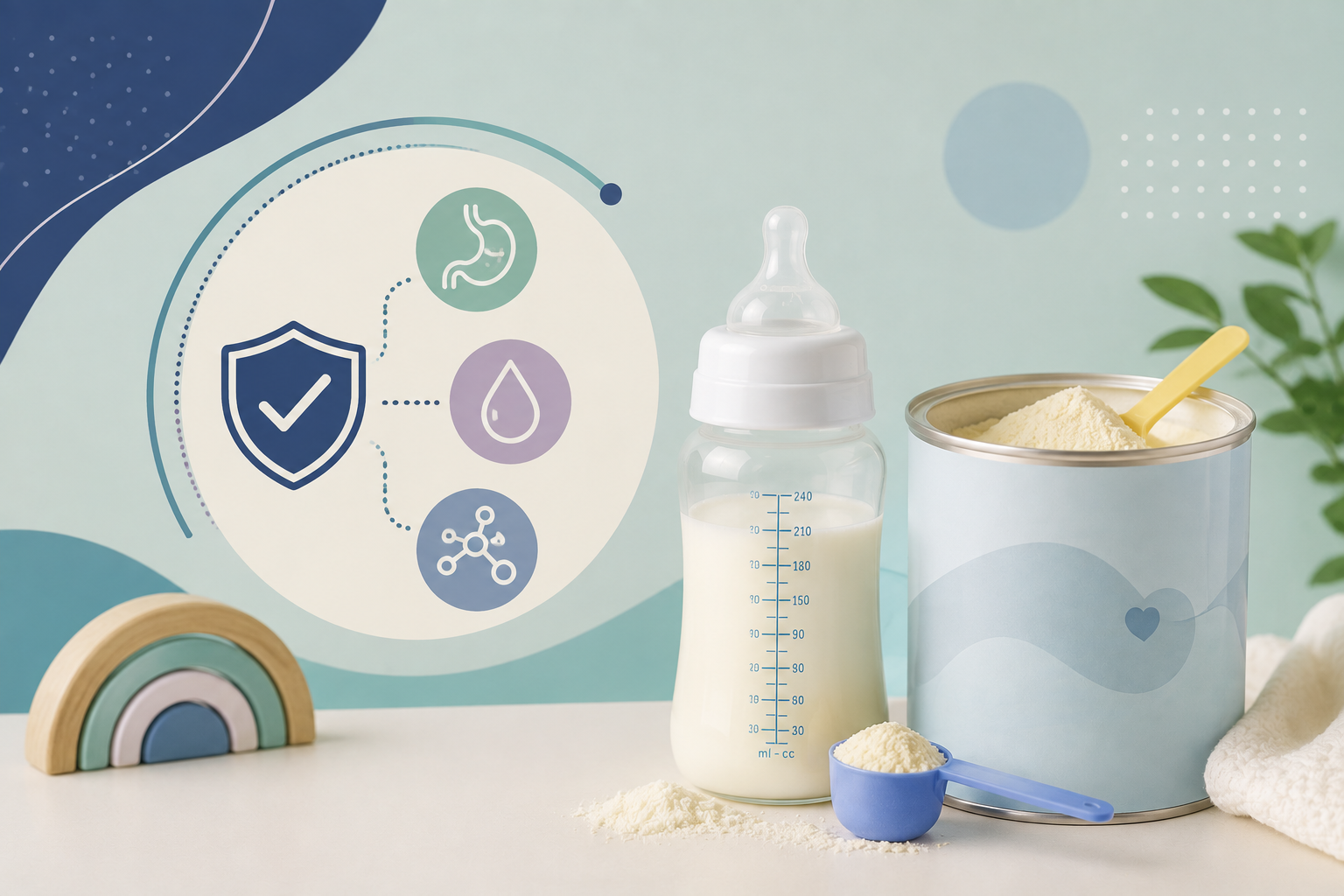
Hypoallergenic baby formula is a specialized infant formula in which milk proteins are either partially broken down (partially hydrolyzed), extensively broken down (extensively hydrolyzed), or replaced with free amino acids. These formulas may be recommended by healthcare professionals for infants with cow's milk protein allergy (CMPA), certain gastrointestinal conditions affecting digestion, or other medically diagnosed feeding conditions.
Unlike standard infant formula, which contains intact cow's milk proteins, hypoallergenic formulas are designed to reduce the likelihood of triggering allergic reactions in babies who cannot tolerate regular milk proteins. However, not every baby with fussiness, gas, or spit-up requires a hypoallergenic formula. The AAP and the Centers for Disease Control and Prevention (CDC) recommend that parents discuss feeding concerns with a healthcare provider before making any changes to an infant's diet.
It's also important to understand that not all formulas labeled as "gentle" or "sensitive" are medically appropriate for infants with cow's milk protein allergies. Some contain partially hydrolyzed proteins, while others are extensively hydrolyzed or amino acid-based. Knowing these differences can help parents have more informed conversations with their pediatrician.
| Feature | Standard Baby Formula | Hypoallergenic Baby Formula |
| Protein Source | May contain intact milk or other protein sources | May use extensively hydrolyzed protein or free amino acids |
| Typical use | Generally for healthy infants without specific dietary needs | For certain medical or dietary needs |
| Protein Breakdown | Usually intact | Partial, extensive, or complete (amino acids) |
| Medical Guidance | Usually not required | Recommended before use |
| Common Examples | Routine infant formulas | Extensively hydrolyzed and amino acid-based formulas |
Every baby has unique nutritional needs. While many infants thrive on standard infant formula, some may require a specialized feeding plan based on recommendations from their pediatrician or pediatric specialist.
Cow's milk protein allergy is one condition for which a healthcare professional may recommend a specialty formula.
Healthcare professionals may recommend specialized formulas for certain diagnosed gastrointestinal or nutritional conditions, feeding conditions, or other medically diagnosed conditions that affect digestion or nutrient absorption. Because symptoms can overlap with many other childhood conditions, it is important not to assume that digestive discomfort alone means a baby requires a hypoallergenic formula.
Parents should remember that switching formulas without medical guidance may not address the underlying cause of feeding difficulties and, in some cases, may delay an accurate diagnosis.
These assessments help determine whether a specialized formula is appropriate and, if so, which type best meets the infant's nutritional needs.
Medical Disclaimer: Hypoallergenic formulas should only be used based on the recommendation of a qualified healthcare professional. Medicaleshop does not recommend one infant formula over another or provide individualized nutrition advice.
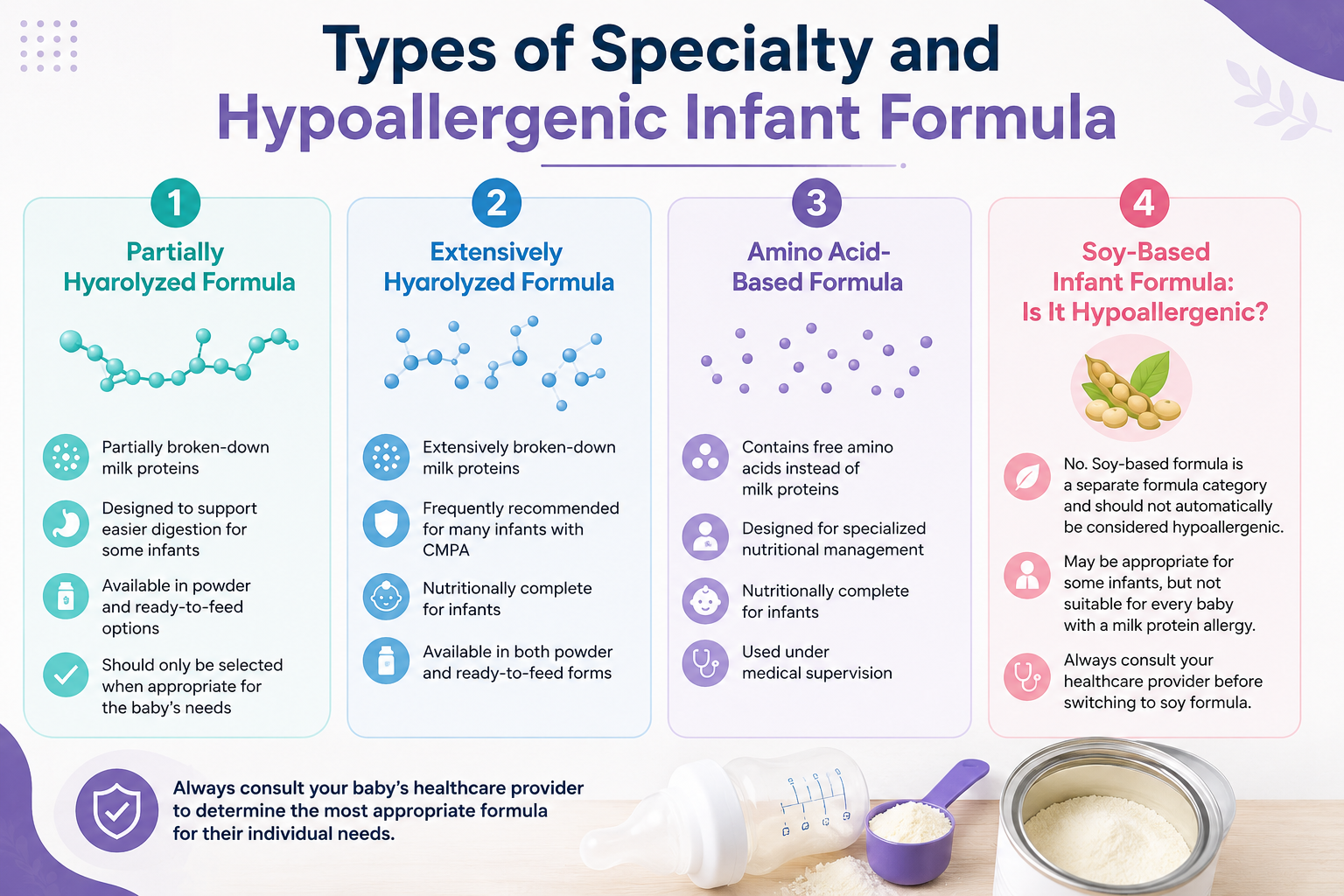
Not all hypoallergenic formulas are the same. The level of protein breakdown, ingredients, and intended use can vary significantly between products. Understanding these differences can help parents make informed purchasing decisions after consulting their healthcare provider.
Partially hydrolyzed formulas contain proteins that have been broken down into smaller pieces. Some are marketed for common feeding concerns, but they are not the same as extensively hydrolyzed or amino acid-based formulas used for certain medically diagnosed conditions.
Some partially hydrolyzed formulas are marketed for infants with feeding-related discomfort, but parents should not assume that changing formula will resolve symptoms.
Extensively hydrolyzed formulas contain proteins that are broken down into much smaller fragments than partially hydrolyzed formulas. Because these protein fragments are less likely to trigger an allergic response, healthcare providers commonly recommend this type of formula for many infants diagnosed with cow's milk protein allergy.
Many extensively hydrolyzed infant formulas are formulated to provide complete nutrition for infants when used according to the product labeling.
Amino acid-based formulas, sometimes called elemental formulas, do not contain intact or partially broken-down milk proteins. Instead, they use individual amino acids, which are the building blocks of protein.
Healthcare professionals may recommend these formulas for infants who cannot tolerate extensively hydrolyzed formulas or who have more complex nutritional needs.
No. Soy-based formula is a separate formula category and should not automatically be considered a hypoallergenic alternative because these infant formulas use soy protein instead of cow's milk protein. Although they may be appropriate for some infants, they are not suitable for every baby with a milk protein allergy. Healthcare providers determine whether a soy-based formula is appropriate based on the infant's age, medical history, and nutritional requirements.
Parents should avoid switching to soy formula without discussing the decision with their child's healthcare provider.
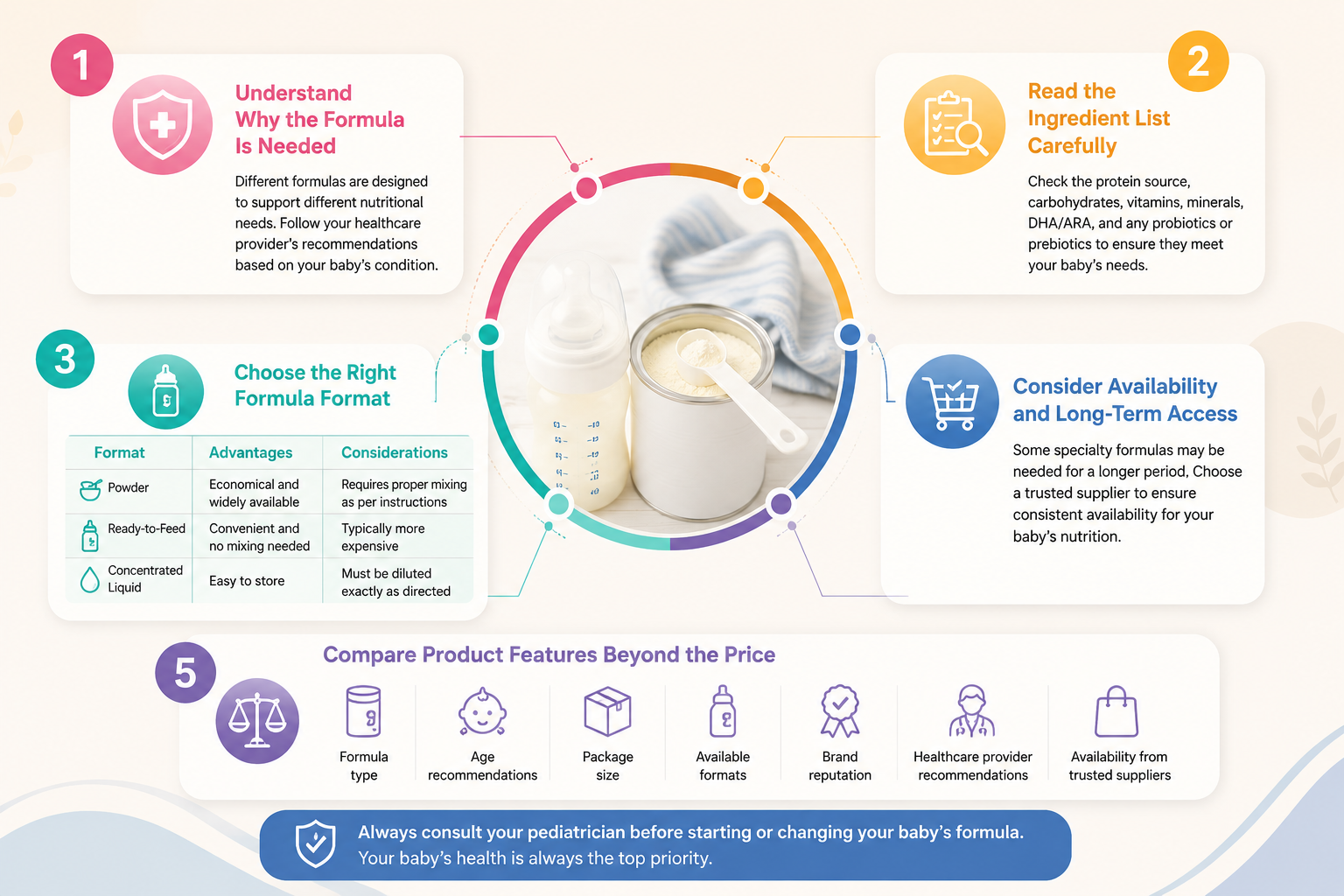
Selecting a hypoallergenic baby formula is more than comparing brands or prices. The right formula depends on your baby's age, nutritional needs, medical diagnosis, and your healthcare provider's recommendations. Since specialty formulas are designed for different conditions, understanding what to look for can help you make a more informed purchasing decision.
The American Academy of Pediatrics (AAP) recommends that parents consult a pediatrician before introducing or changing infant formula, especially if food allergies or digestive concerns are suspected. Choosing a formula without professional guidance may not address your baby's nutritional needs or underlying condition.
The first step is understanding why your healthcare provider has recommended a specialized formula. Different formulas are designed to support different nutritional requirements.
For example:
Understanding the purpose of the formula can help narrow your options while ensuring they align with your pediatrician's guidance.
2. Read the Ingredient List Carefully
Although many specialty formulas are labeled as hypoallergenic, their ingredients can vary. Some contain hydrolyzed whey protein, others use hydrolyzed casein, while amino acid-based formulas contain individual amino acids instead of intact milk proteins.
Parents should also review:
If your baby has specific allergies or dietary restrictions, your healthcare provider can help you understand which ingredients are appropriate.
3. Choose the Right Formula Format
Infant formulas are available in several forms, and the best option often depends on your family's daily routine.
| Formula Format | Advantages | Considerations |
| Powder | Economical and widely available | Requires proper mixing according to manufacturer instructions |
| Ready-to-Feed | Convenient and requires no mixing | Typically costs more than powdered formula |
| Concentrated Liquid | Requires dilution before use | Must be prepared exactly as directed |
No matter which format you choose, always prepare and use the formula according to the manufacturer's instructions and your healthcare provider's recommendations.
4. Consider Availability and Long-Term Access
Some specialty formulas may be needed for several months or longer, depending on your baby's nutritional plan. Choosing a reliable supplier can help ensure consistent access to the products recommended by your healthcare provider.
Medicaleshop offers a wide selection of specialty infant nutrition products from trusted healthcare nutrition brands, making it easier for families to find many of the formulas commonly recommended by pediatric healthcare professionals.
5. Compare Product Features Beyond the Price
While cost is an important consideration, parents should also evaluate the following:
Selecting a formula solely because it is less expensive may not always meet your baby's nutritional requirements.
Choosing the right infant formula begins with your healthcare provider's recommendation. Once a suitable formula has been identified, purchasing from a trusted supplier can help ensure access to products that support your baby's nutritional needs.
Medicaleshop offers a variety of infant nutrition products from established healthcare nutrition brands, including hypoallergenic, amino acid-based, and specialty formulas designed for infants with specific dietary requirements.
The products below are examples of infant formulas available through Medicaleshop. Product availability may vary over time.
Medical Compliance Notice: Medicaleshop is a U.S.-based dealer and supplier of medical equipment, rehabilitation products, and infant nutrition products. We do not manufacture infant formula or recommend one product over another. Formula selection should always follow the advice of a qualified healthcare professional.
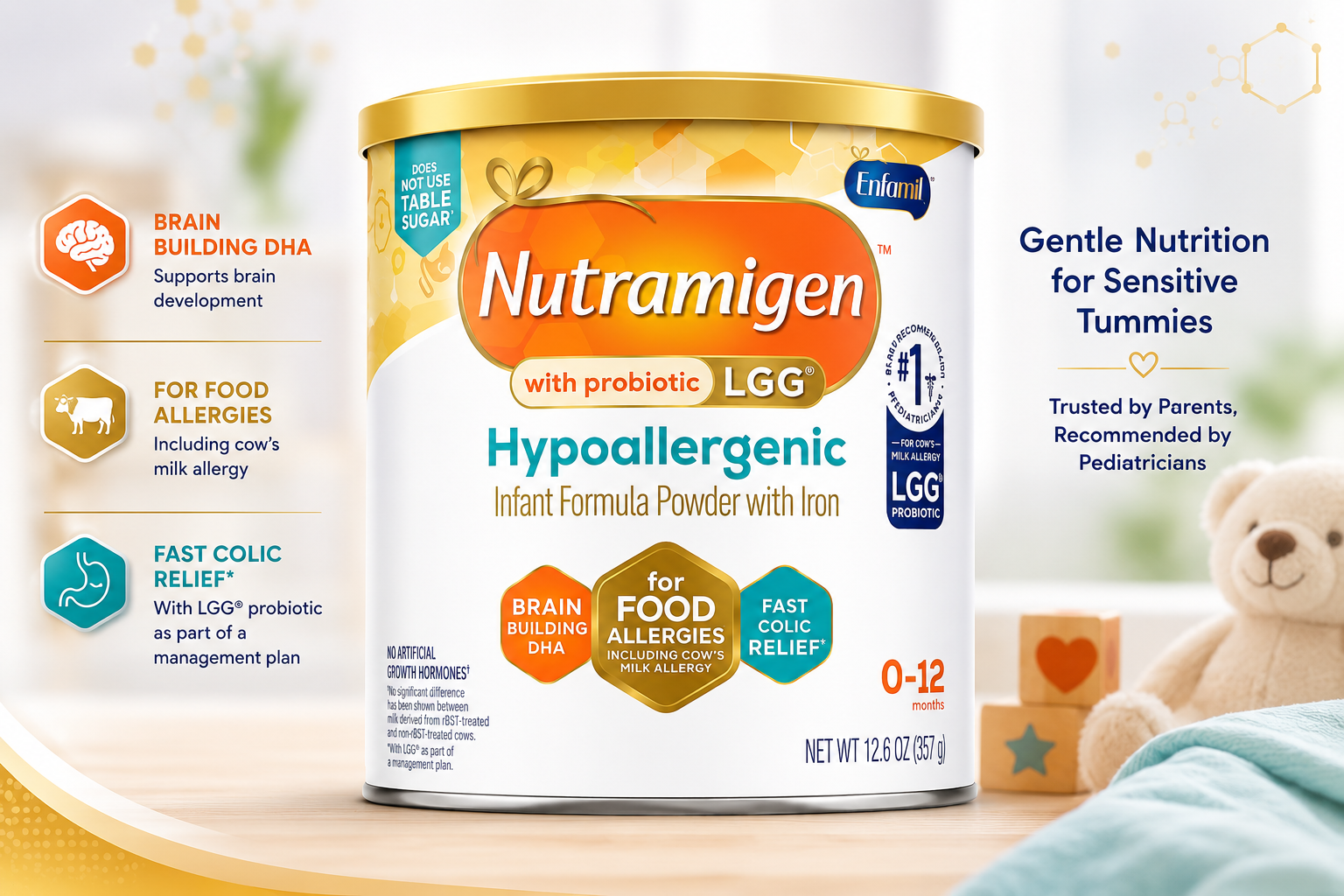
Enfamil Nutramigen is a hydrolyzed infant formula available for babies diagnosed with a cow's milk protein allergy under the guidance of a healthcare provider. The milk proteins are extensively broken down, making them less likely to trigger an allergic response in many infants.
This formula also contains LGG (Lactobacillus rhamnosus GG), a probiotic included by the manufacturer as part of its formulation. It is nutritionally complete for infants through the first year of life and is available in different package options to meet varying family needs.
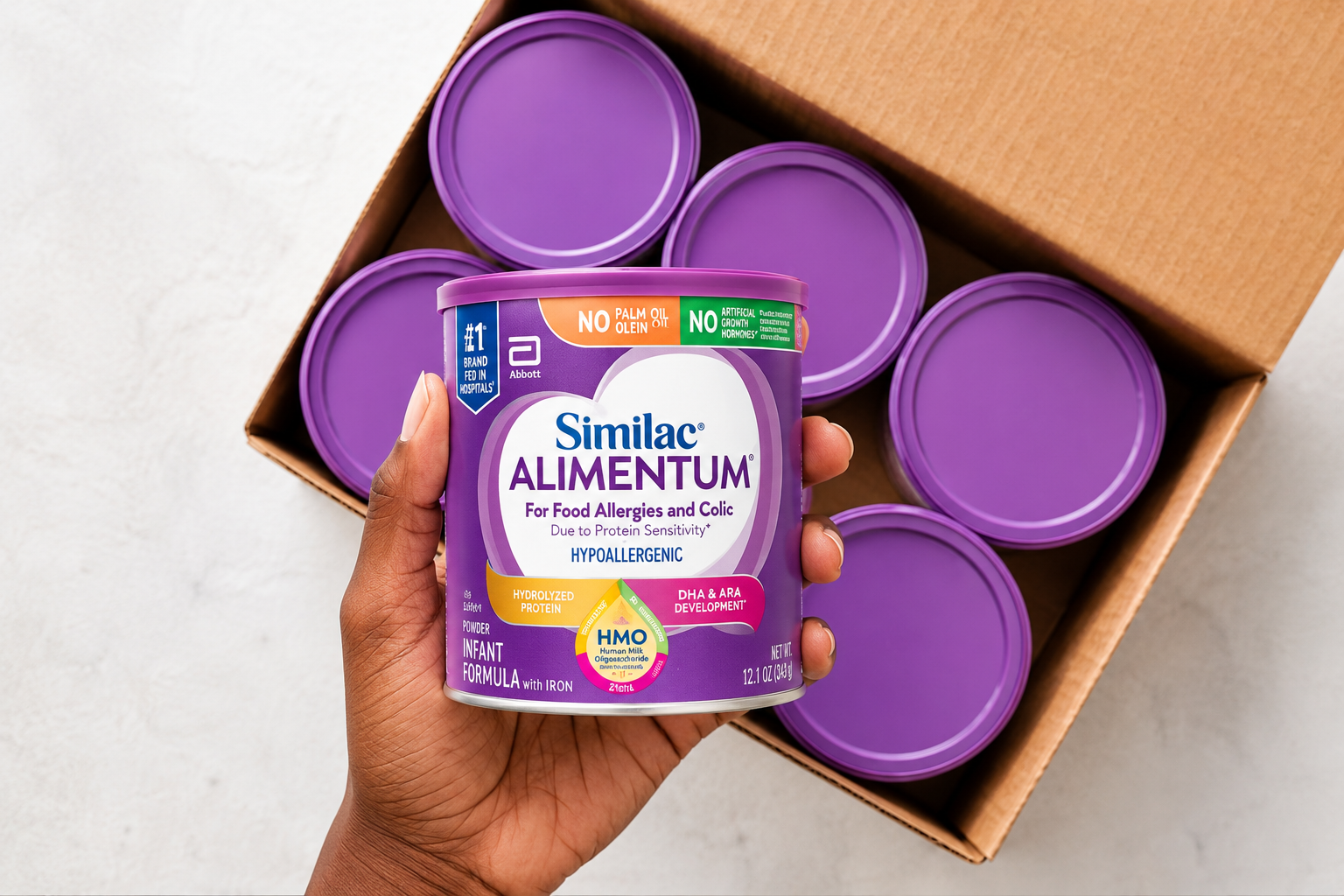
Similac Alimentum is another extensively hydrolyzed infant formula developed for babies who require specialized nutrition due to cow's milk protein sensitivity or allergy, as determined by their healthcare provider.
Manufactured with extensively hydrolyzed casein protein, this formula is designed to provide complete nutrition while helping meet the dietary needs of infants who cannot tolerate standard cow's milk-based formulas.
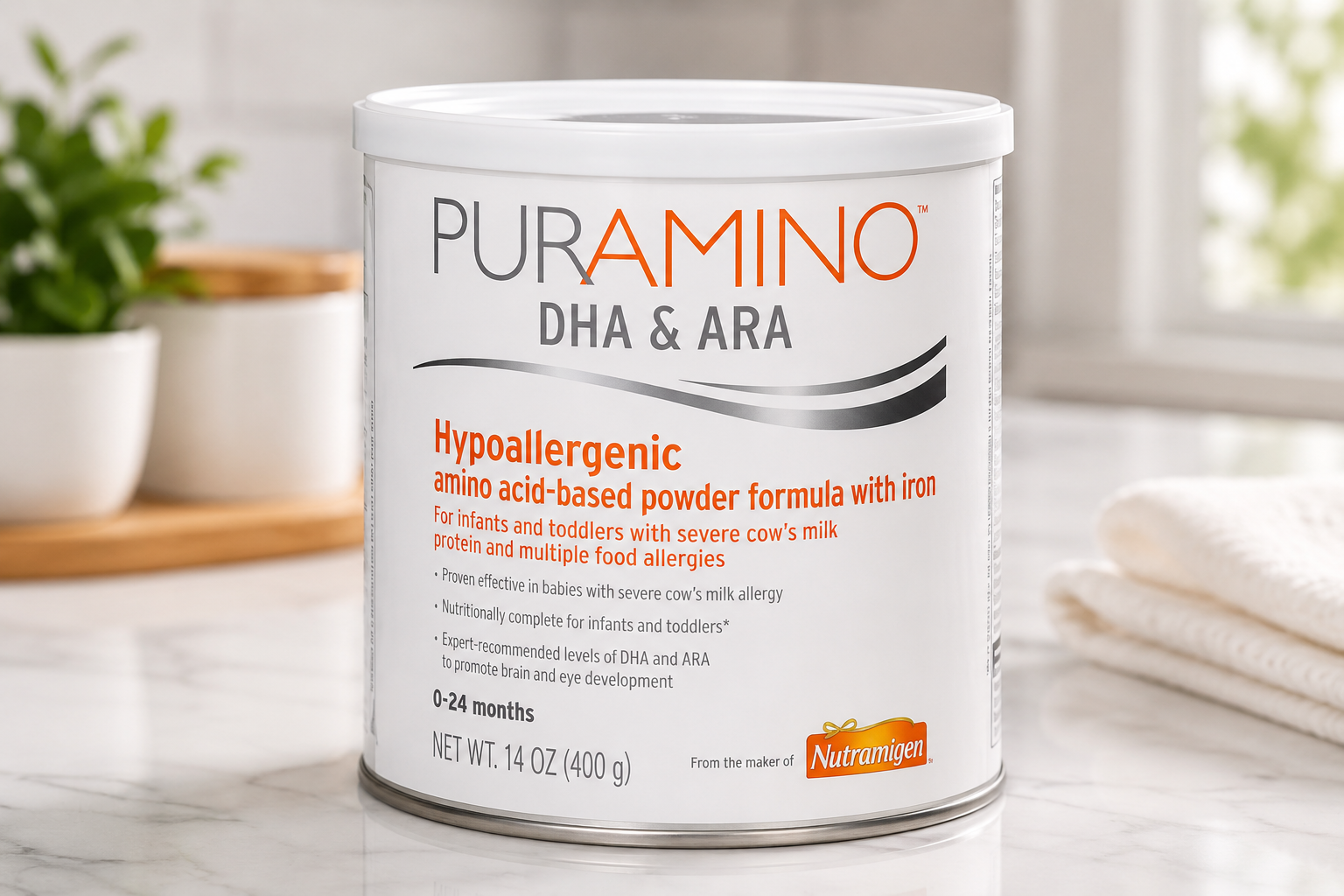
PurAmino is an amino acid-based infant formula intended for infants with more complex nutritional needs who require a protein source made entirely of free amino acids.
Because it contains no intact milk proteins, healthcare professionals may recommend PurAmino for infants who do not tolerate extensively hydrolyzed formulas. It is formulated to provide complete nutrition during infancy when used under medical supervision.
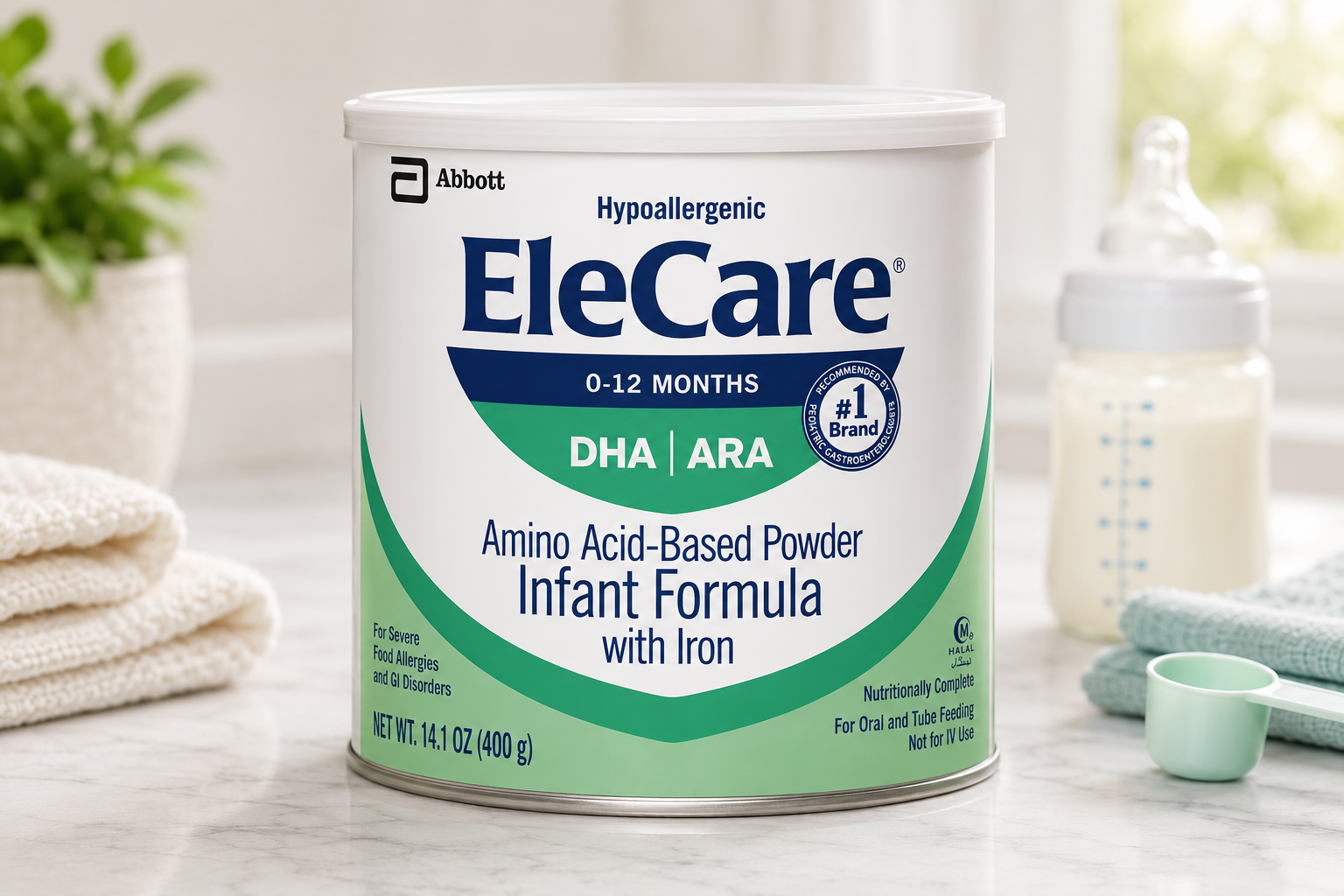
EleCare is another amino acid-based infant formula available through Medicaleshop. It is designed for infants who require a specialized nutritional approach due to severe food allergies, gastrointestinal disorders, or other medically diagnosed conditions.
The formula contains individual amino acids instead of whole milk proteins and is intended to provide complete nutrition under the supervision of a healthcare professional.
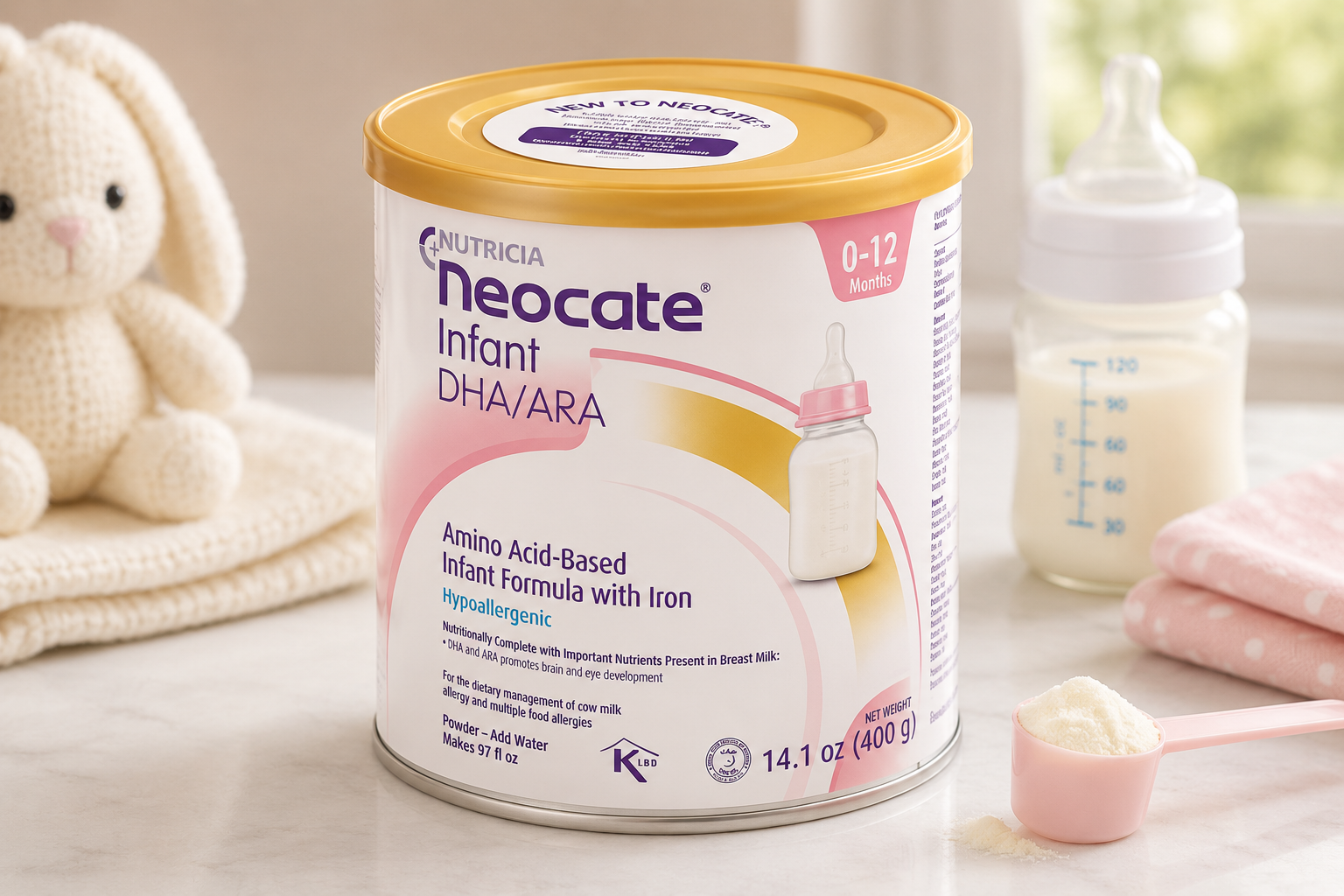
Neocate Infant DHA/ARA is a hypoallergenic amino acid-based formula developed for infants with specialized nutritional requirements.
The formula is nutritionally complete and contains DHA and ARA to support normal infant growth and development as part of a balanced diet when used according to healthcare provider recommendations.
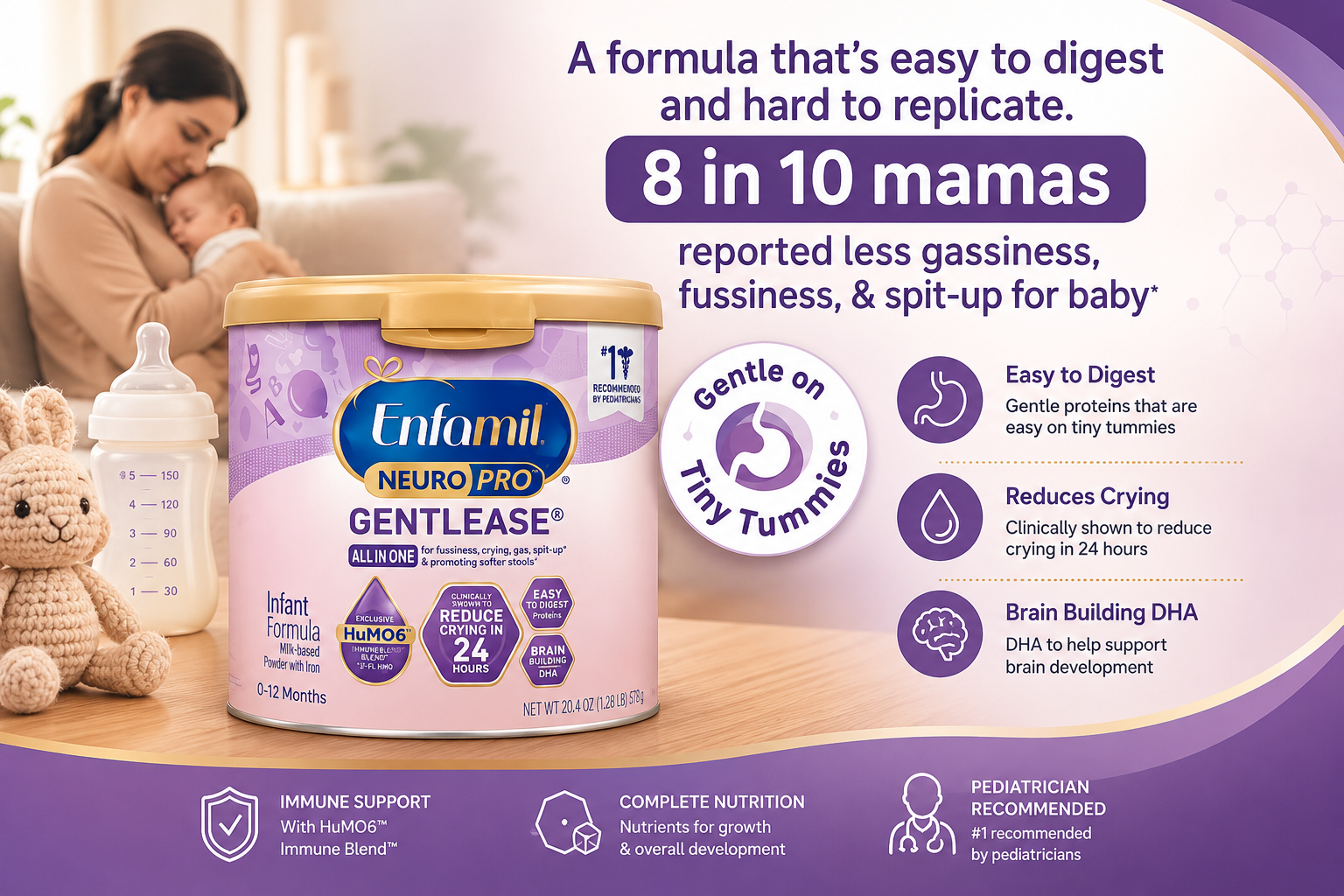
Enfamil NeuroPro Gentlease contains partially hydrolyzed proteins and is formulated for infants who may experience mild feeding discomfort, such as fussiness or gas.
Although often categorized as a "gentle" formula, it is important to note that partially hydrolyzed formulas are generally not considered appropriate for treating diagnosed cow's milk protein allergy unless specifically recommended by a healthcare professional.
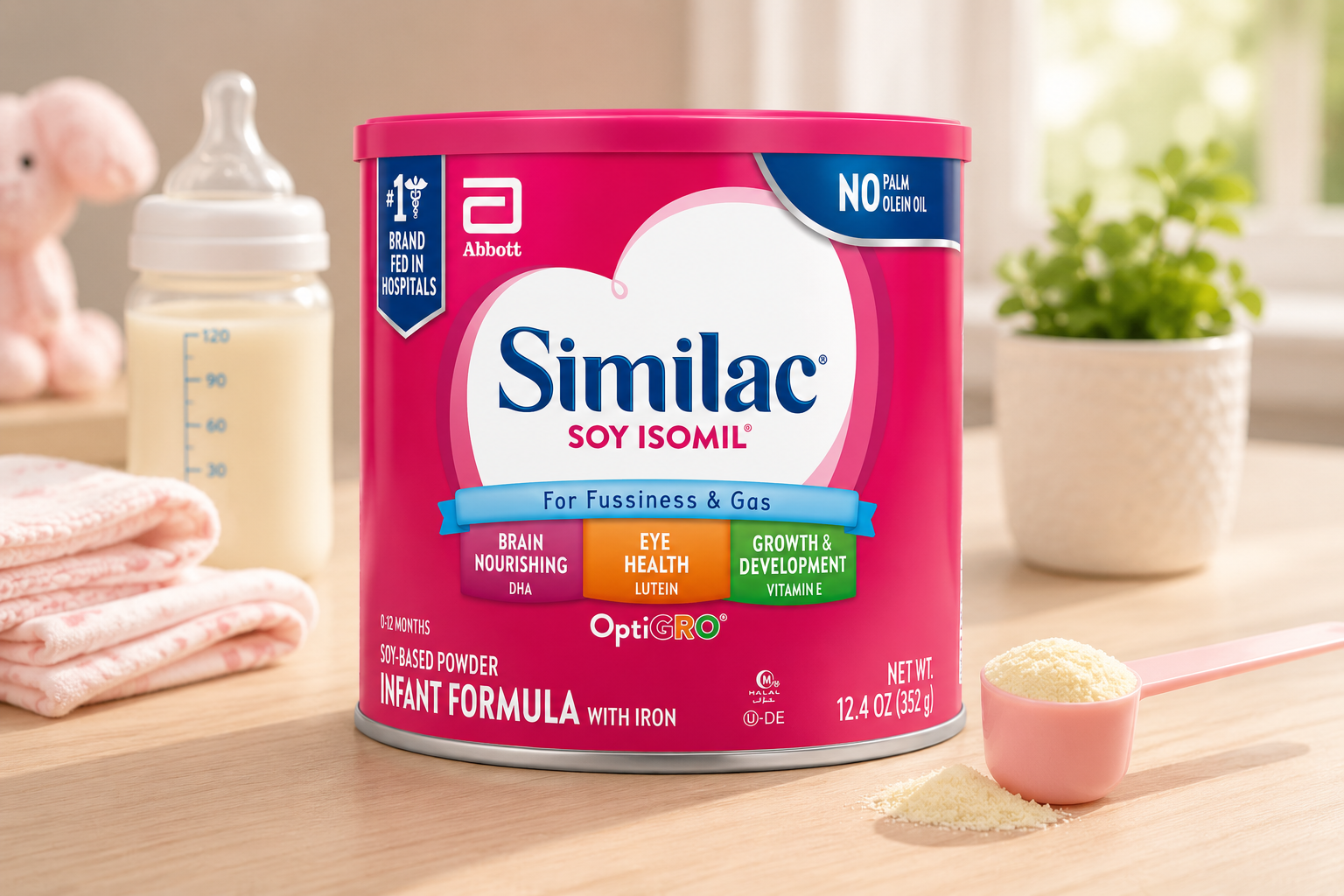
Similac Soy Isomil is a soy protein isolate-based infant formula that may be recommended for certain infants based on their individual nutritional needs.
While soy formulas may be appropriate in some situations, they are not suitable for every infant with a milk protein allergy. Healthcare provider guidance is essential when selecting a soy-based formula.
Product Comparison
| Product | Formula Type | Manufacturer-Listed Use |
| Enfamil Nutramigen with Enflora LGG | Extensively Hydrolyzed | Cow's milk protein allergy |
| Similac Alimentum | Extensively Hydrolyzed | Protein sensitivity |
| PurAmino | Amino Acid-Based | Advanced nutritional management |
| EleCare | Amino Acid-Based | Severe food allergies and GI conditions |
| Neocate Infant DHA/ARAN | Amino Acid-Based | Specialized nutrition |
| Enfamil NeuroPro Gentlease | Partially Hydrolyzed | Mild digestive sensitivities |
| Similac Soy Isomil | Soy-Based | Specific dietary needs |
Common purposes are general descriptions and should not replace professional medical advice. Formula selection should always be based on a healthcare provider's recommendation.
Finding the right hypoallergenic baby formula involves more than choosing a well-known brand. Because every baby has unique nutritional needs, avoiding common purchasing mistakes may help parents make more informed decisions and support their child's feeding plan.
It can be tempting to change formulas if your baby experiences fussiness, gas, or changes in feeding habits. However, these symptoms may have many possible causes, and changing formulas without consulting a healthcare provider may not address the underlying concern.
The American Academy of Pediatrics (AAP) recommends discussing feeding concerns with your pediatrician before introducing a new infant formula, especially if a food allergy or digestive condition is suspected.
Many products marketed as "gentle" or "sensitive" formulas contain partially hydrolyzed proteins, which are different from extensively hydrolyzed or amino acid-based formulas.
If your baby has been diagnosed with cow's milk protein allergy (CMPA), your healthcare provider may recommend a different type of formula. Always read product labels carefully and follow your pediatrician's guidance.
Specialty infant formulas often differ in their ingredients, protein sources, and intended uses. While cost is an important factor for many families, selecting a formula solely because it is less expensive may not meet your baby's nutritional needs.
Instead, consider factors such as:
Infant formulas vary in their ingredients and nutritional composition. Before purchasing a formula, review important information such as the following:
Reading the product label carefully can help ensure you purchase the formula recommended by your healthcare provider.
Infant formula is an essential nutrition product, making it important to purchase from reputable suppliers.
When purchasing infant formula, look for reputable sellers and check the product's packaging, expiration date, and storage information before use.
Medicaleshop offers a wide range of infant nutrition products from recognized manufacturers, making it easier for families to find specialty formulas recommended by their healthcare providers.
Selecting a hypoallergenic baby formula is an important decision that should always be based on your baby's individual nutritional needs and the guidance of a qualified healthcare professional. Understanding the differences between partially hydrolyzed, extensively hydrolyzed, amino acid-based, and soy-based formulas can help parents make informed purchasing decisions with greater confidence.
Whether you're looking for a formula for a baby with a cow's milk protein allergy, digestive sensitivities, or other specialized nutritional requirements, choosing products from trusted healthcare nutrition brands is an important part of supporting your baby's feeding journey.
Medicaleshop offers a comprehensive selection of infant formulas from established manufacturers, including hypoallergenic and specialty nutrition products, along with pediatric medical supplies and home healthcare solutions. By combining reliable products with educational resources, we aim to help families better understand their options while encouraging them to seek professional medical guidance whenever questions arise.Explore Medicaleshop's collection of hypoallergenic baby formulas, specialty infant nutrition products, and pediatric feeding supplies from trusted healthcare brands. Always consult your pediatrician to determine which formula is appropriate for your baby's individual nutritional needs before making a purchase.
Frequently Asked Questions
Ans. Hypoallergenic baby formula is a specialized infant formula in which milk proteins are either partially broken down, extensively broken down, or replaced with free amino acids. Depending on a baby's medical condition, a healthcare provider may recommend a specific type of hypoallergenic formula.
Ans. Partially hydrolyzed formulas contain proteins that are only partially broken down and are generally intended for certain digestive sensitivities. Extensively hydrolyzed formulas contain proteins broken down into much smaller fragments and are commonly recommended for many infants diagnosed with cow's milk protein allergy.
Ans. An amino acid-based formula contains individual amino acids instead of whole or partially broken-down milk proteins. Healthcare providers may recommend these formulas for infants who require specialized nutritional management or who cannot tolerate extensively hydrolyzed formulas.
Ans. Some hypoallergenic formulas are lactose-free, while others may contain different carbohydrate sources. The ingredients vary by product, so parents should review the product label and follow their healthcare provider's recommendations.
Ans. Parents should always discuss formula changes with a pediatrician or qualified healthcare professional, especially if a food allergy, digestive concern, or medical condition is suspected.
Ans. The most appropriate formula depends on factors such as your baby's age, nutritional needs, medical diagnosis, and your healthcare provider's recommendation. There is no single formula that is suitable for every infant.
Ans. Not necessarily. Soy-based infant formulas may be appropriate for certain infants, but they are not considered a replacement for extensively hydrolyzed or amino acid-based formulas in every situation. Your pediatrician can determine whether a soy formula is appropriate for your baby.
Ans. Hypoallergenic baby formulas are available through pharmacies, healthcare suppliers, and online medical supply retailers. Medicaleshop offers a variety of specialty infant nutrition products from established healthcare nutrition brands to help families access products recommended by their healthcare providers.
Ans. No. Medicaleshop is a U.S.-based dealer and supplier of medical equipment, rehabilitation products, and infant nutrition products. We do not manufacture infant formula or provide medical advice, diagnosis, or treatment recommendations.
Ans. Purchasing from a trusted supplier helps ensure access to products from recognized healthcare nutrition brands, along with reliable customer support and a broad selection of specialty infant formulas.
.avif&w=3840&q=75)
.avif&w=3840&q=75)