Maintaining mobility is an important part of staying active and confident in everyday life. Whether you're an older adult, recovering from surgery, living with limited mobility, or caring for a loved one, the right assistive equipment can support everyday movement while improving comfort and accessibility. From bathroom safety essentials to transfer aids and home accessibility equipment, there are many solutions designed to support comfort and independence. This guide highlights ten commonly used daily mobility products, explains their benefits, and shares practical tips for choosing the right equipment based on your individual needs and home environment.
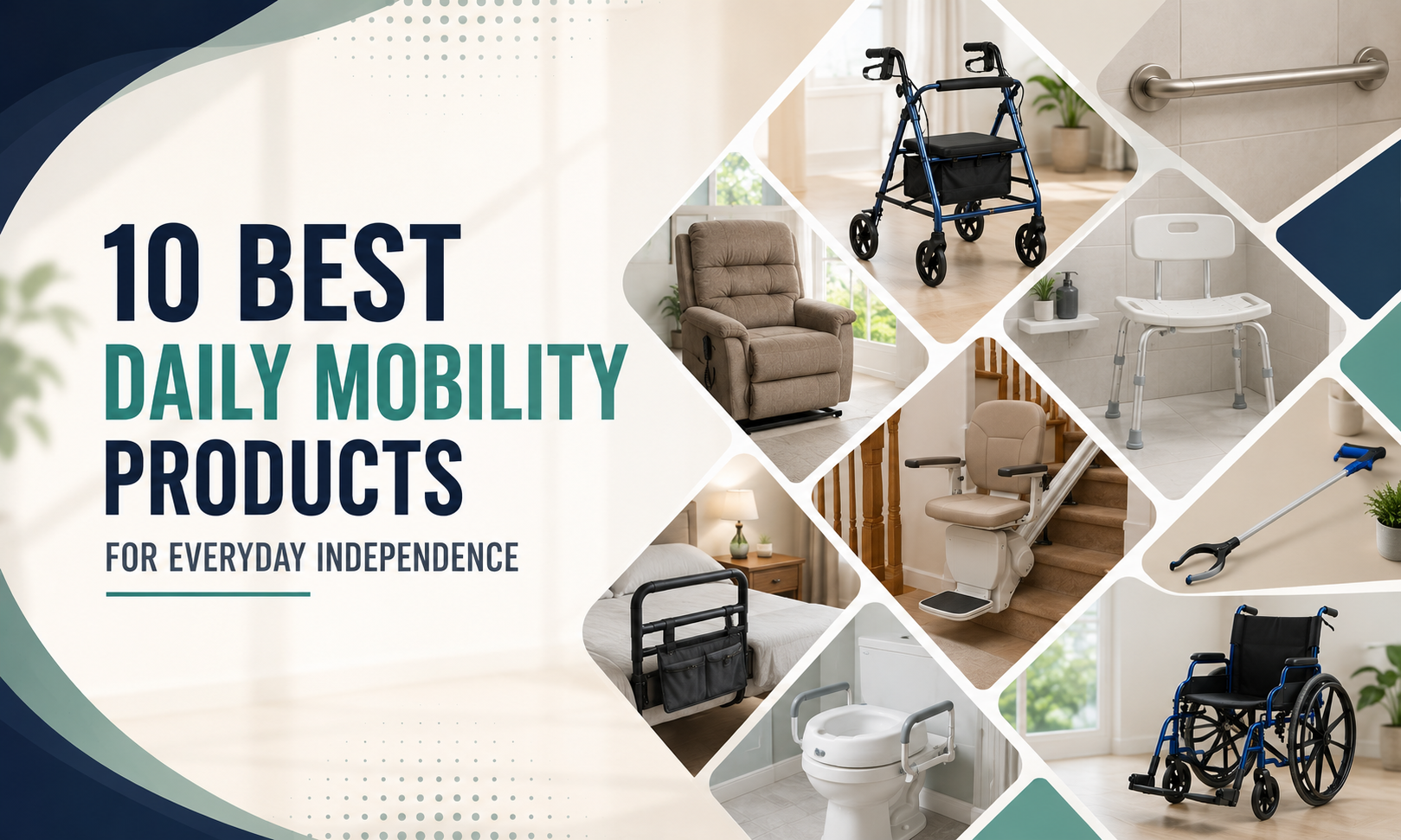
Everyday activities like getting out of bed, bathing, climbing stairs, or moving around the house can become more challenging due to aging, injury, surgery, or limited mobility. Mobility plays an important role in maintaining independence and completing daily activities with greater confidence. Whether it's getting out of bed, taking a shower, climbing stairs, or moving safely around the home, the right mobility solutions can help reduce physical strain while supporting safer movement.
Today's mobility devices are designed to accommodate a wide range of needs, from temporary recovery after surgery to age-related mobility challenges and long-term physical disabilities. Choosing products that fit your lifestyle, living space, and mobility goals can make daily routines more comfortable without requiring major home modifications.
This guide explores ten of the most commonly recommended daily mobility products, explains how each one is used, and highlights the features to consider before making a purchase.
Note: Mobility products are designed to provide support and convenience. They should not replace professional medical advice or individualized recommendations from a qualified healthcare provider.
The products featured in this guide were chosen based on several practical considerations commonly recommended by rehabilitation professionals and home safety experts.
We considered:
While individual needs vary, these products are among the most widely used mobility solutions for improving accessibility and supporting daily living.
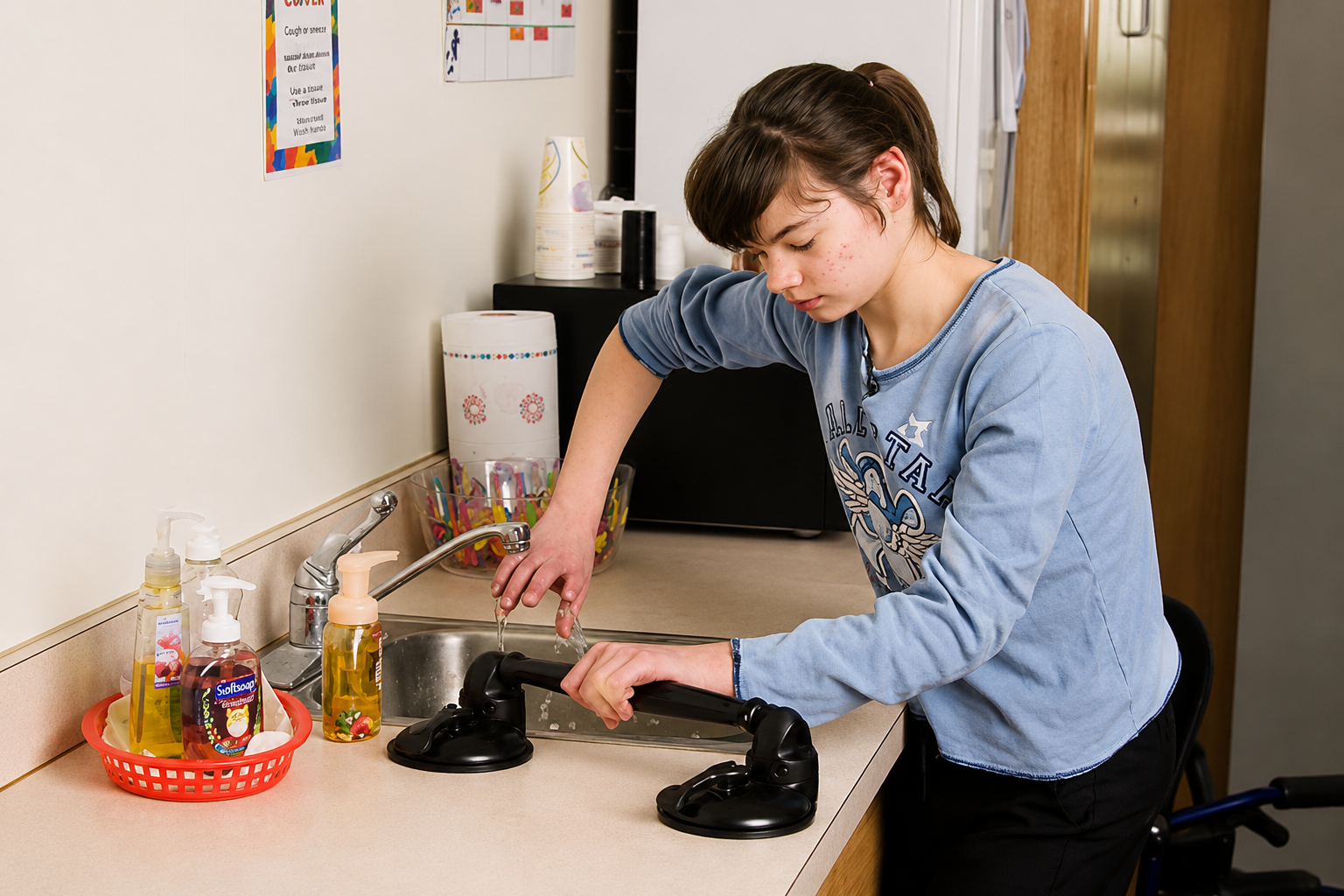
One of the simplest yet most valuable home safety additions is a grab bar. Installed near toilets, showers, bathtubs, hallways, or entryways, grab bars provide a sturdy handhold for additional stability during standing, sitting, or transferring.
Unlike towel racks, properly installed grab rails are engineered to support body weight and help users maintain balance while moving around slippery areas.
Grab bars should be securely installed according to manufacturer instructions. The CDC and National Institute on Aging emphasize improving bathroom safety as part of reducing fall risks in older adults.
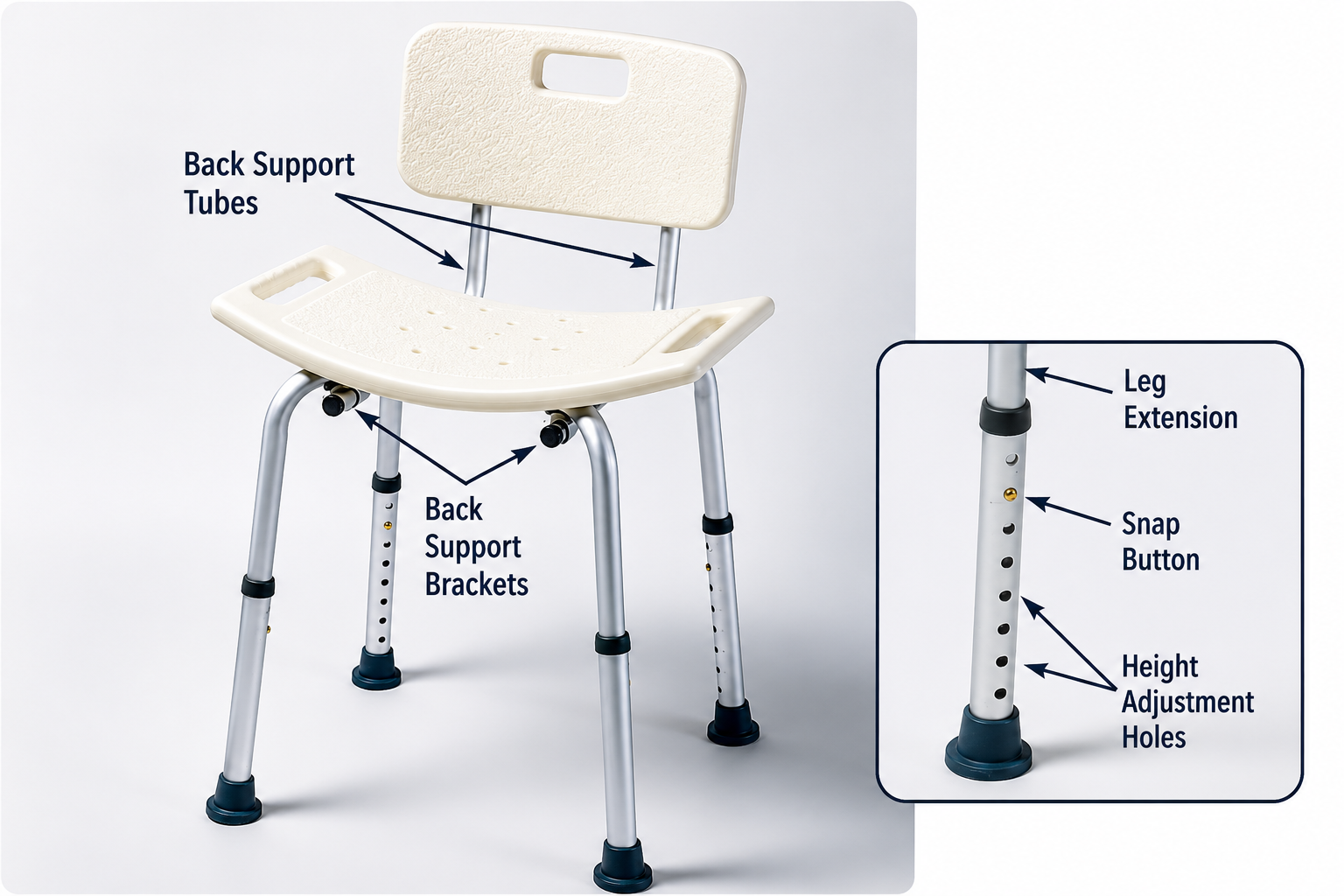
Bathing can become challenging for individuals with balance limitations or reduced endurance. A shower chair or shower seat allows users to remain seated while showering, making personal hygiene routines more comfortable.
Many models include adjustable legs, drainage holes, and non-slip rubber tips for enhanced stability.
Choose a shower chair with:
Note: Clean regularly to reduce soap residue and inspect rubber tips for wear.

Bathroom floors are often wet and slippery. A non-slip bath mat or shower mat help provide additional traction on wet surfaces inside or outside the shower by providing a textured surface designed to reduce slipping risks.
Although a bath mat cannot prevent every accident, it can be an important part of an overall bathroom safety strategy when combined with grab bars and shower seating.
Benefits
Look For
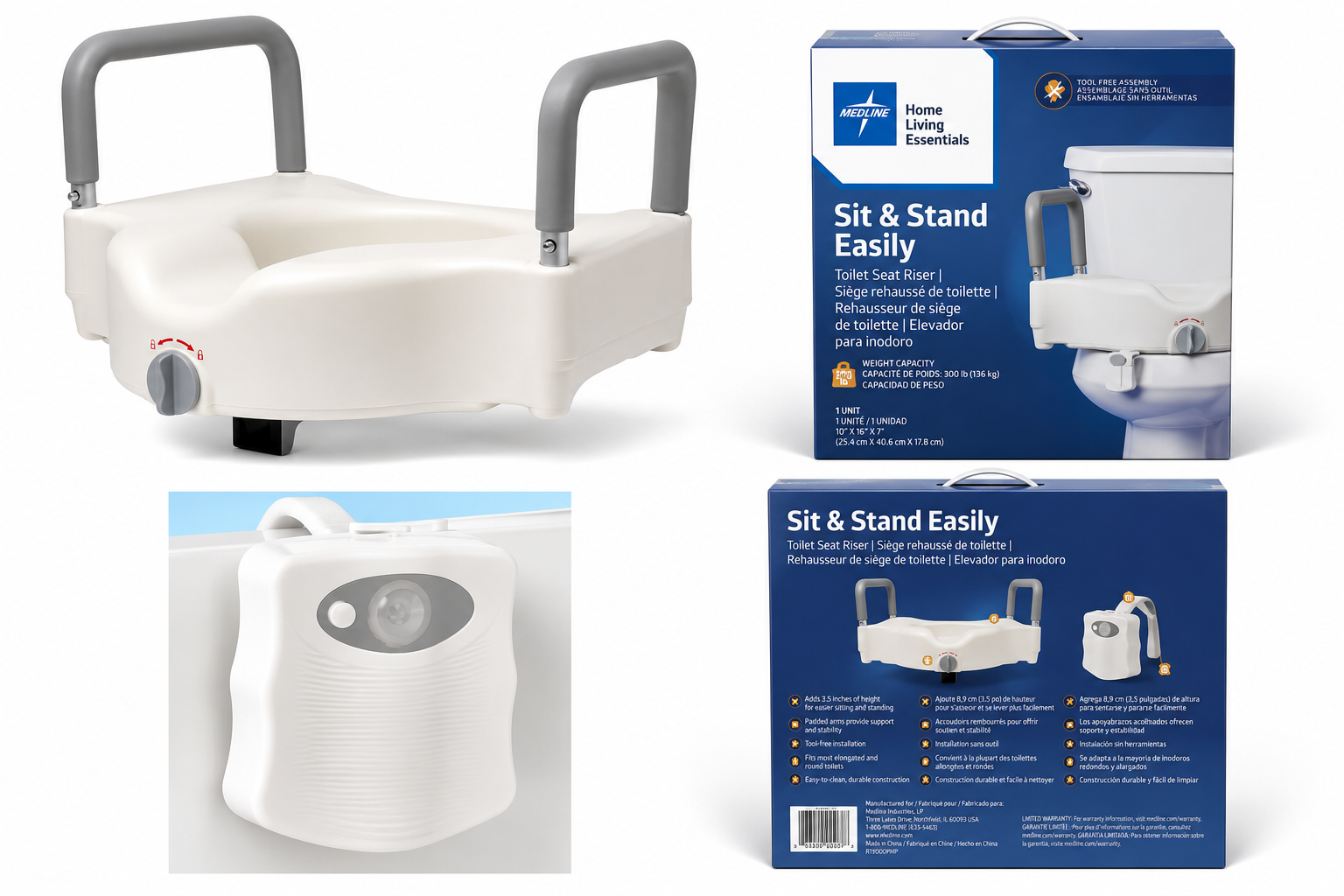
Standing up from a low toilet can be difficult for individuals with limited lower-body strength. A toilet seat riser increases seat height, reducing the amount of bending required during sitting and standing.
Many models are compatible with standard toilets, while others include supportive armrests for additional assistance.
Advantages
Consider
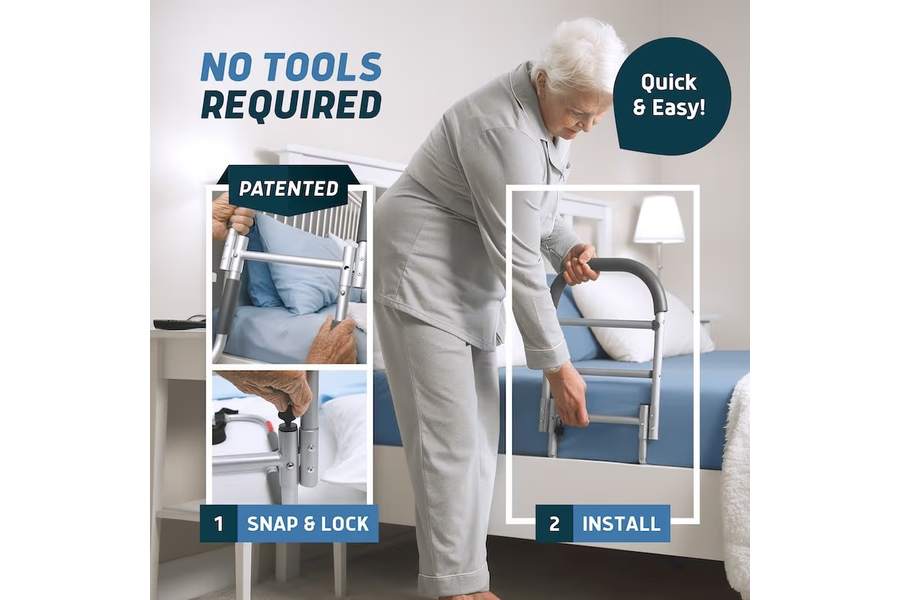
Getting into or out of bed safely can become increasingly difficult due to weakness, balance concerns, or recovering from surgery. A bed assist rail provides a stable handhold that helps users reposition themselves and perform bed transfers with greater confidence.
Some models also include storage pouches for keeping everyday items within reach.
Common Features
A bed assist rail can help make everyday transitions easier while supporting greater independence during morning and nighttime routines
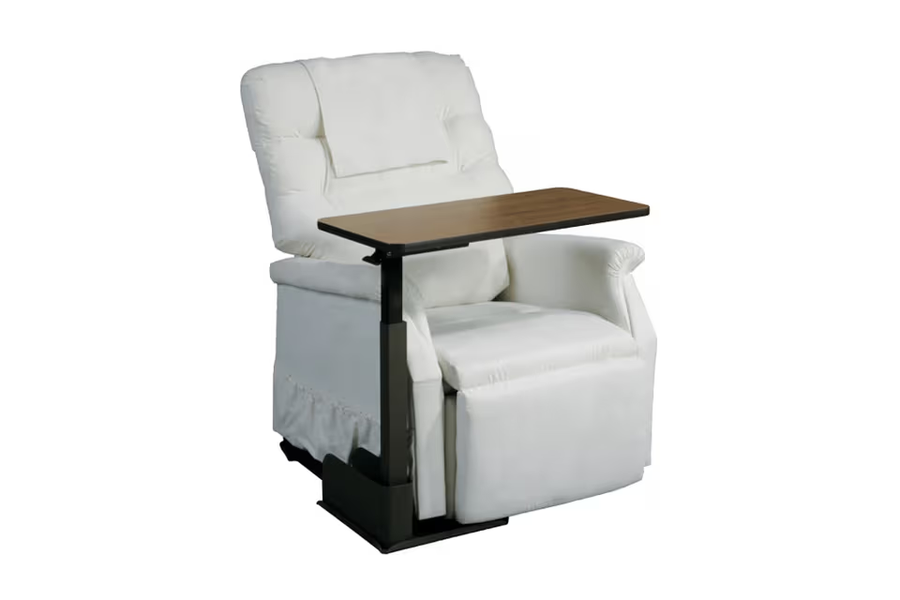
A lift chair is a powered recliner designed to assist users with sitting down and standing up by gently tilting the seat forward. While it looks similar to a traditional recliner, its lifting mechanism can make transfers easier for individuals who have reduced leg strength or limited mobility.
Lift chairs are commonly used by older adults, people recovering from surgery, and individuals with certain mobility limitations. However, choosing the appropriate model should be based on your healthcare provider's recommendations and your specific mobility needs.
What to Look For
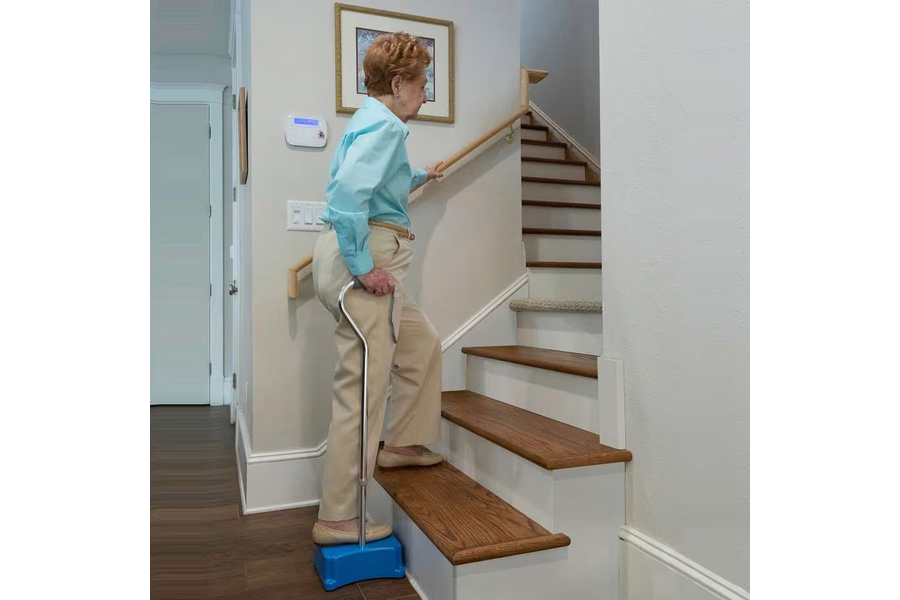
For homes with multiple levels, a stairlift can provide a practical mobility solution for individuals who find stairs difficult to navigate. A stairlift consists of a motorized chair that travels along a rail mounted to the staircase.
Modern stair lifts are available for both straight and curved staircases, offering a convenient alternative to relocating living spaces within the home.
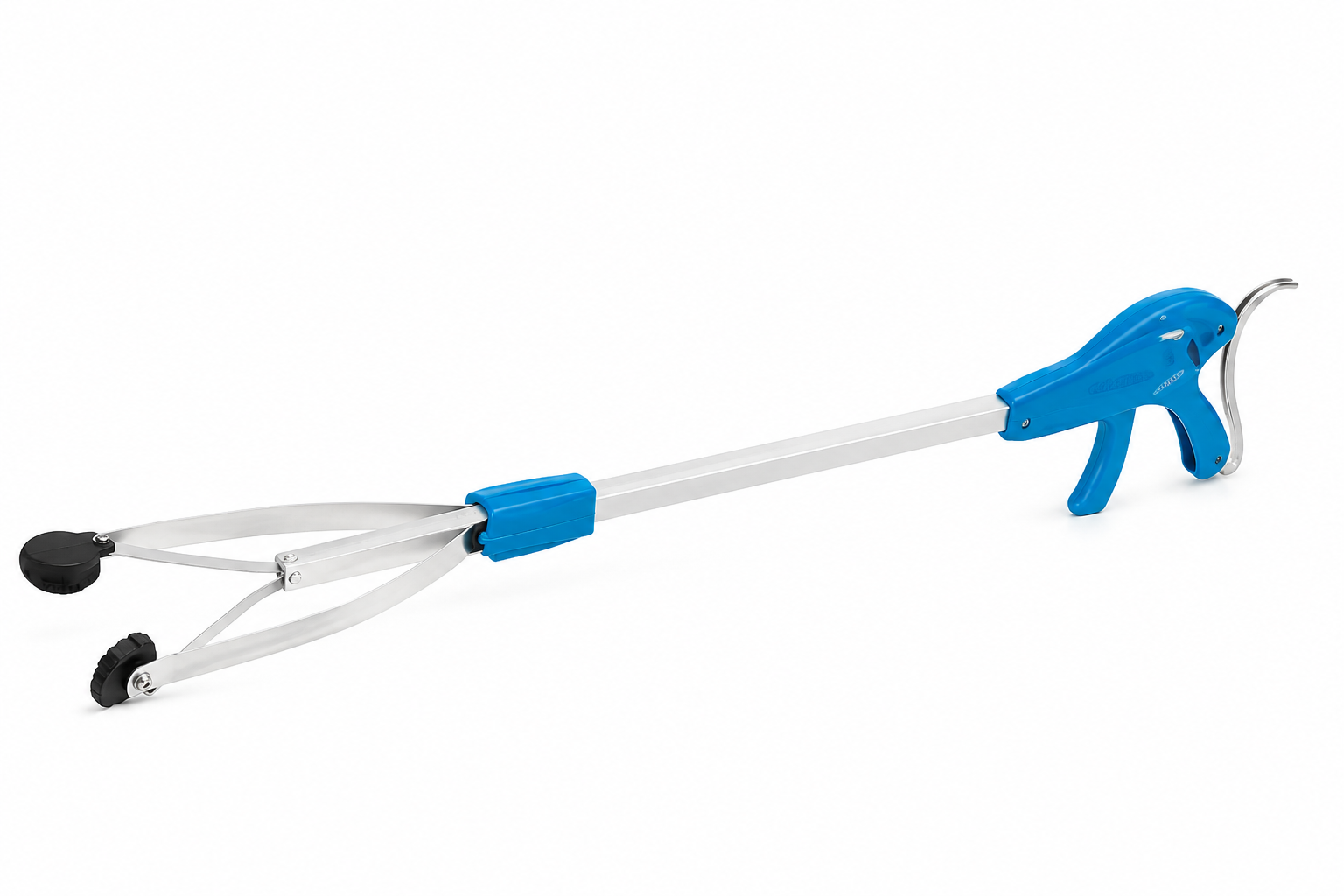
A grabber, also called a reaching aid, is one of the most affordable and versatile mobility devices for everyday use. It helps users pick up objects without excessive bending, stretching, or climbing.
Whether retrieving items from high shelves or picking something up from the floor, a grabber can make everyday tasks more manageable.
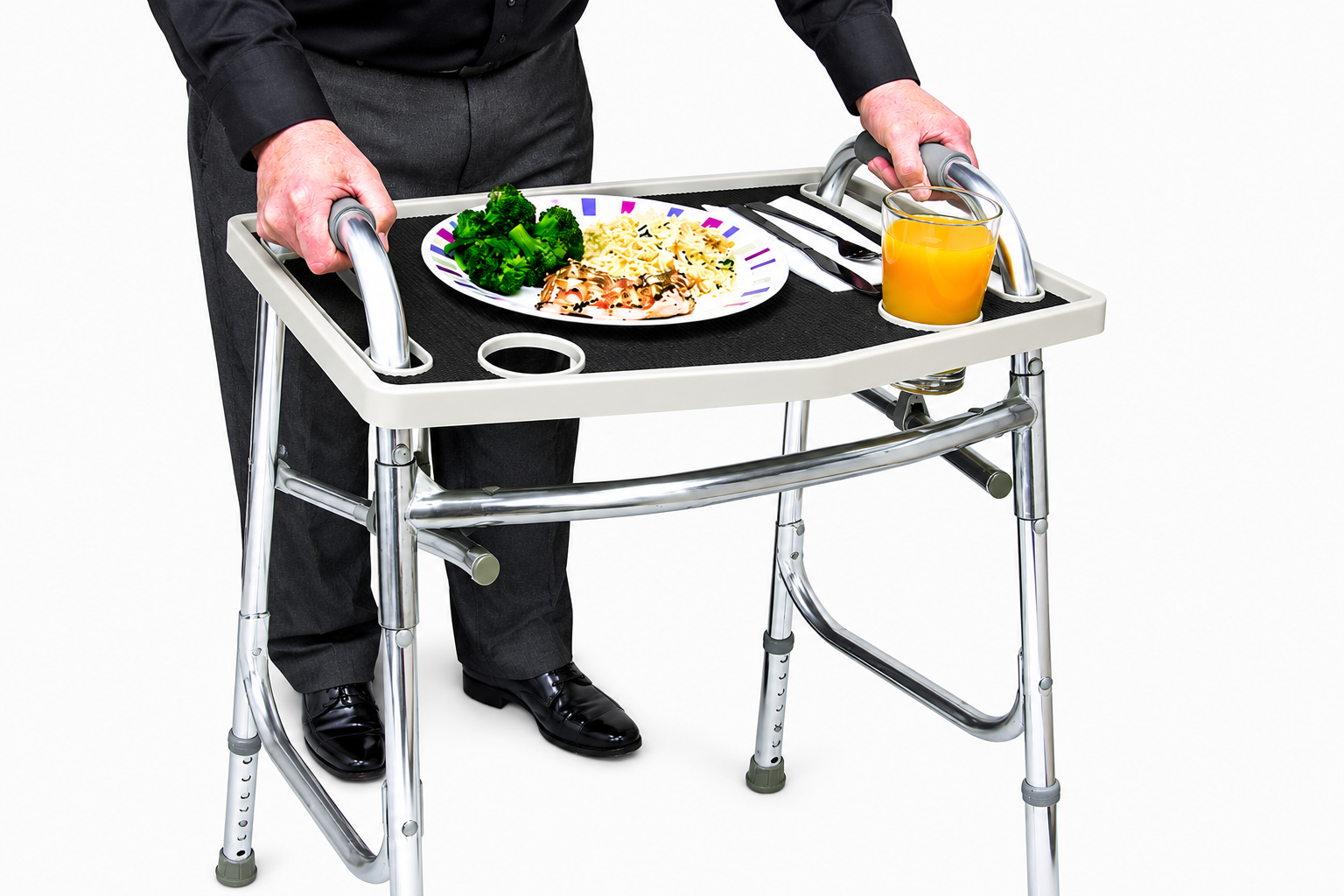
A walker or rollator is one of the most recognized mobility products for individuals who need additional support while walking.
A standard walker offers maximum stability and requires lifting with each step, while a rollator includes wheels, hand brakes, and often a built-in seat for resting during longer walks.
| Walker | Rollator |
| Greater stability | Easier movement |
| Best for slower walking | Best for active users |
| No wheels (or front wheels) | Four wheels |
| Lightweight | Often includes a storage basket and seat |
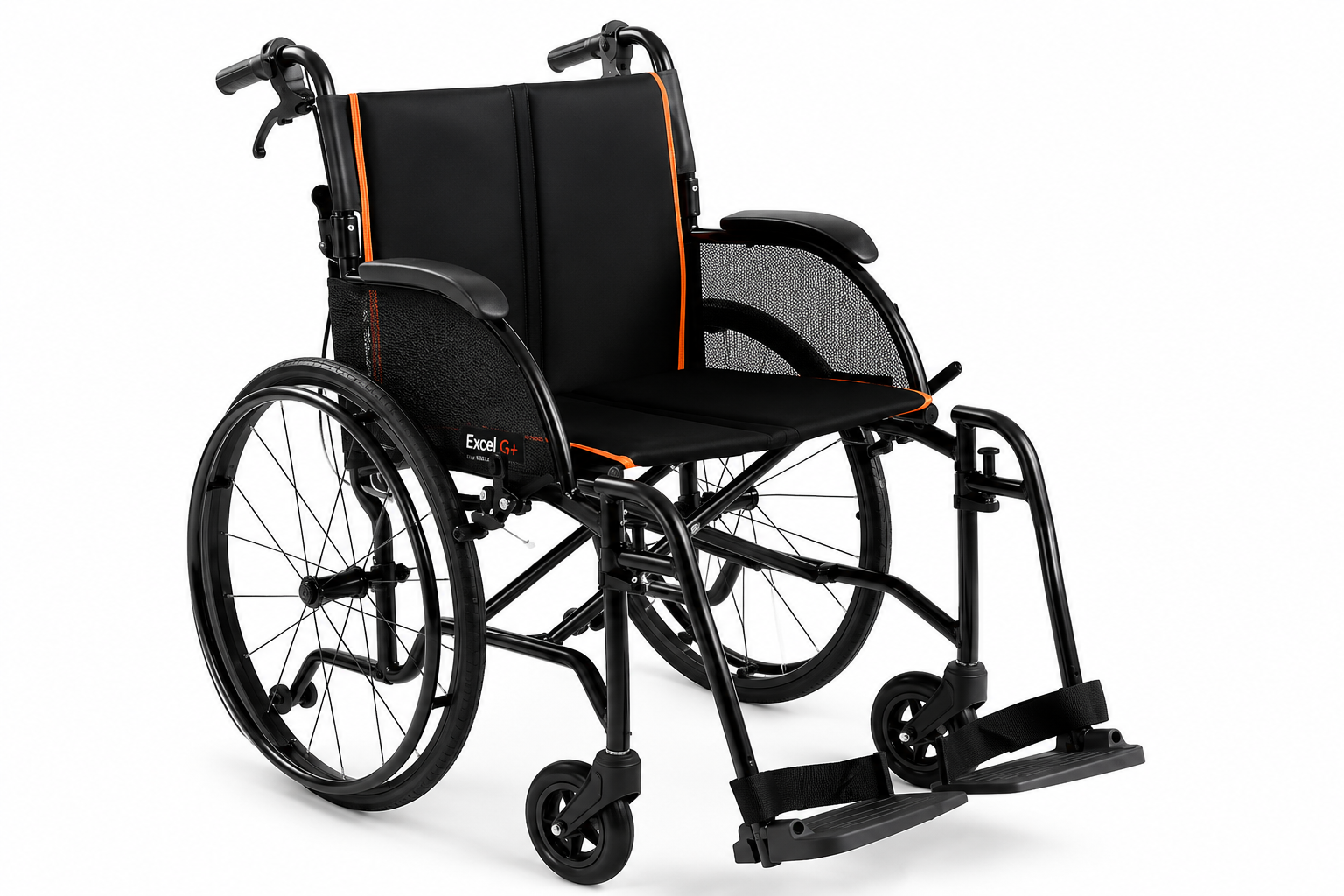
For individuals who require greater mobility assistance, a wheelchair can provide reliable support for daily activities at home and in the community.
Manual wheelchairs are propelled by the user or a caregiver, while power wheelchairs use electric motors and joystick controls for easier maneuverability.
Selecting the appropriate wheelchair depends on factors such as upper-body strength, daily activity level, transportation needs, and the advice of a qualified healthcare professional.
| Mobility Product | Primary Purpose | Best For | Typical Location |
| Grab Bar | Balance support | Bathroom safety | Bathroom, hallway |
| Shower Chair | Seated bathing | Reduced standing tolerance | Shower |
| Non-Slip Bath Mat | Improved traction | Wet areas | Bathroom |
| Toilet Seat Riser | Easier transfers | Limited leg strength | Bathroom |
| Bed Assist Rail | Bed transfers | Home mobility | Bedroom |
| Lift Chair | Sit-to-stand assistance | Reduced lower-body strength | Living room |
| Stair Lift | Stair accessibility | Multi-level homes | Staircase |
| Grabber | Reaching objects | Limited bending | Throughout the home |
| Walker/Rollator | Walking assistance | Balance support | Indoors & outdoors |
| Wheelchair | Full mobility assistance | Limited walking ability | Home & community |
Not every mobility device is suitable for every individual. Before making a purchase, consider the following factors:
1. Assess Your Mobility Needs
Think about the activities that are most challenging, such as bathing, walking, climbing stairs, or getting in and out of bed.
2. Measure Your Space
Check doorway widths, bathroom dimensions, bed height, and available floor space to ensure the equipment fits properly.
3. Prioritize Safety Features
Look for products with:
4. Consider Future Needs
If your mobility needs may change over time, selecting adjustable or multi-functional equipment can provide greater long-term value.
5. Consult a Healthcare Professional
An occupational therapist, physical therapist, or physician can help determine which mobility solutions are most appropriate for your individual circumstances.
Choosing the right mobility products can make everyday activities more manageable while supporting comfort, accessibility, and confidence at home. From installing a grab bar in the bathroom to using a shower chair, toilet seat riser, bed assist rail, or lift chair, each product available from trusted home medical equipment suppliers such as Medicaleshop addresses different mobility needs and living situations.
The best approach is to evaluate your daily routine, identify areas where additional support may be helpful, and select equipment that fits both your home and lifestyle. When used appropriately and according to manufacturer instructions, these mobility solutions can contribute to a safer and more accessible home environment.
This article is intended for educational and informational purposes only and should not be considered medical advice. Mobility needs vary from person to person. Always consult your physician, physical therapist, occupational therapist, or another qualified healthcare professional before selecting or using a mobility device, particularly if you have recently undergone surgery, experienced an injury, or have an underlying medical condition. Always follow the manufacturer's instructions for installation, maintenance, and safe use.
The recommendations and general safety information in this article are informed by guidance and educational resources from reputable organizations, including:
Frequently Asked Questions
Ans. Mobility products are assistive devices designed to support movement, transfers, balance, and accessibility during everyday activities. Examples include walkers, wheelchairs, grab bars, shower chairs, and bed assist rails.
Ans. Many people improve bathroom safety by combining a grab bar, a shower chair, a non-slip bath mat, and a toilet seat riser. The right combination depends on individual needs and the bathroom layout.
Ans. A shower chair typically includes four legs and a backrest, offering greater support. A shower seat may be a wall-mounted or backless option designed for users with different space and support requirements.
Ans. A lift chair may be helpful for individuals who find sitting down or standing up from a standard chair challenging due to reduced strength or mobility. A healthcare professional can help determine if it is appropriate for your needs.
Ans. It depends on the user's mobility level. A standard walker generally provides greater stability, while a rollator offers easier movement, built-in brakes, and often a seat for resting.
Ans. Start by identifying the activities that are most difficult, measuring your available space, reviewing product weight capacities and dimensions, and consulting a healthcare professional for personalized recommendations.
.avif&w=3840&q=75)
.avif&w=3840&q=75)