Special needs helmets are designed to provide protective head coverage for individuals who may be at risk of head injuries due to certain medical conditions or mobility challenges. Choosing the right helmet involves understanding factors such as protection level, comfort, fit, and intended use. This guide explains the different types of special needs helmets, how to select the right option, and highlights some of the most popular protective helmets and head support products available at Medicaleshop. Whether you're a caregiver, healthcare organization, school, or individual, this resource offers practical information to help you make informed purchasing decisions.
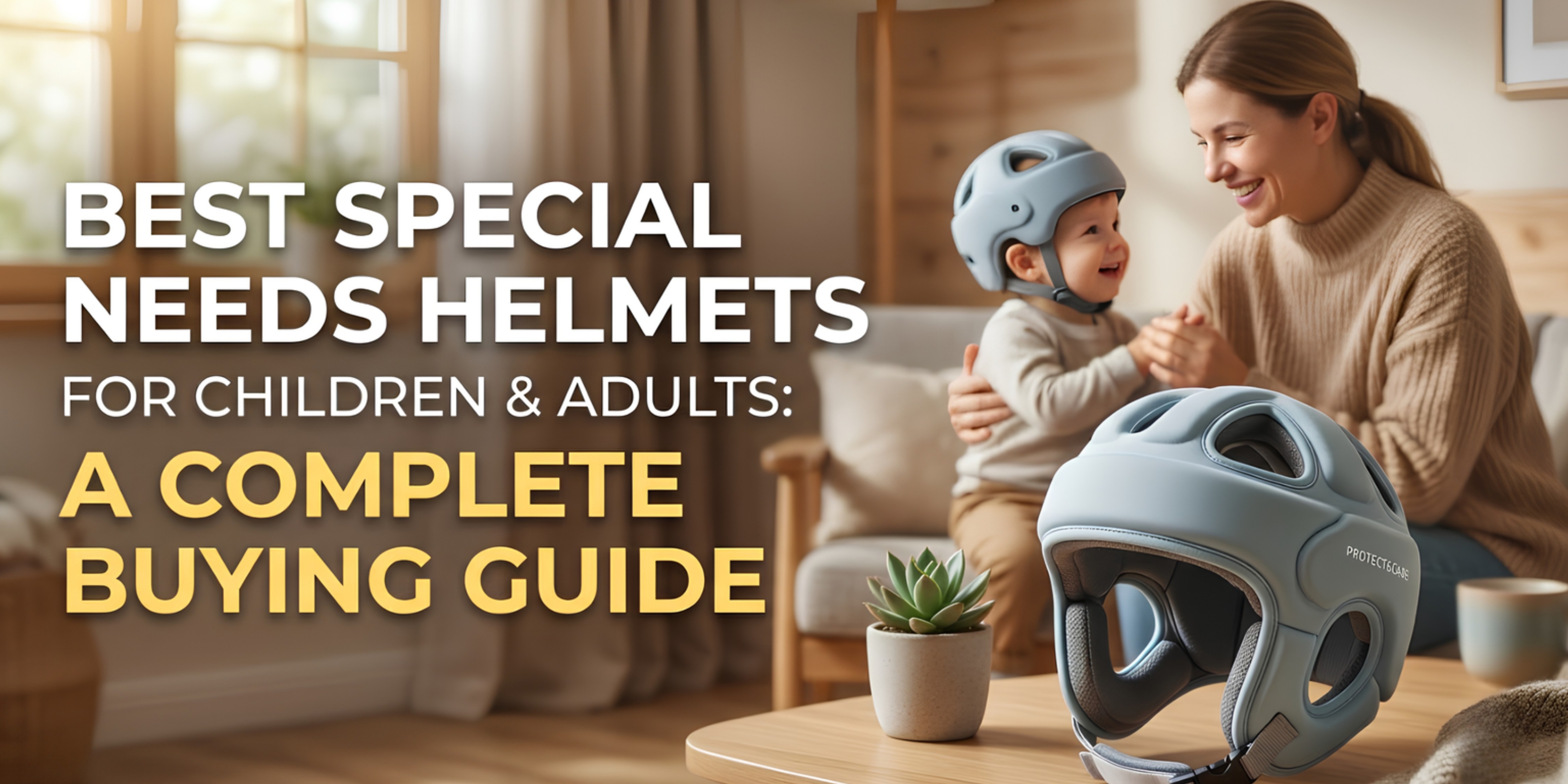
A special needs helmet is protective headgear designed for individuals who may need additional head coverage during certain daily activities. Special needs helmets are generally designed for everyday or therapeutic environments rather than for a specific sport or recreational activity.Depending on the design, these helmets may feature soft foam padding, rigid outer shells, adjustable chin straps, ventilation openings, or extended coverage around the sides and back of the head. Some models also include optional faceguards or compatibility with supportive head-positioning accessories.
Because every individual's needs are different, the type of helmet selected should always be based on recommendations from a qualified healthcare professional, along with the manufacturer's instructions.
Medical Disclaimer: Medicaleshop is a U.S.-based supplier of medical and rehabilitation products and does not provide medical advice, diagnosis, or treatment recommendations. Always consult a qualified healthcare professional before selecting or using a protective helmet.
Special needs helmets may be recommended by healthcare professionals for individuals who require additional head protection during everyday activities. The need for a protective helmet depends entirely on a person's medical condition, functional abilities, and treatment plan.
Healthcare professionals may consider protective helmets for individuals with conditions such as:
Children are among the most common users of special needs helmets, particularly during school activities, therapy sessions, or daily routines. However, adults with neurological conditions, movement disorders, or mobility limitations may also benefit from appropriately selected protective helmets.
It is important to remember that a special needs helmet is only one part of a broader care plan. It does not prevent falls, treat medical conditions, or replace appropriate supervision, therapy, or mobility assistance when these are recommended by healthcare professionals.
According to organizations such as the Centers for Disease Control and Prevention (CDC) and the National Institute of Neurological Disorders and Stroke (NINDS), fall prevention strategies, individualized care planning, and appropriate protective equipment may all play important roles in supporting safety for individuals with mobility or neurological challenges. Rather than relying on a single product, healthcare providers often recommend a combination of environmental modifications, therapy, mobility aids, and protective equipment based on each person's unique needs.
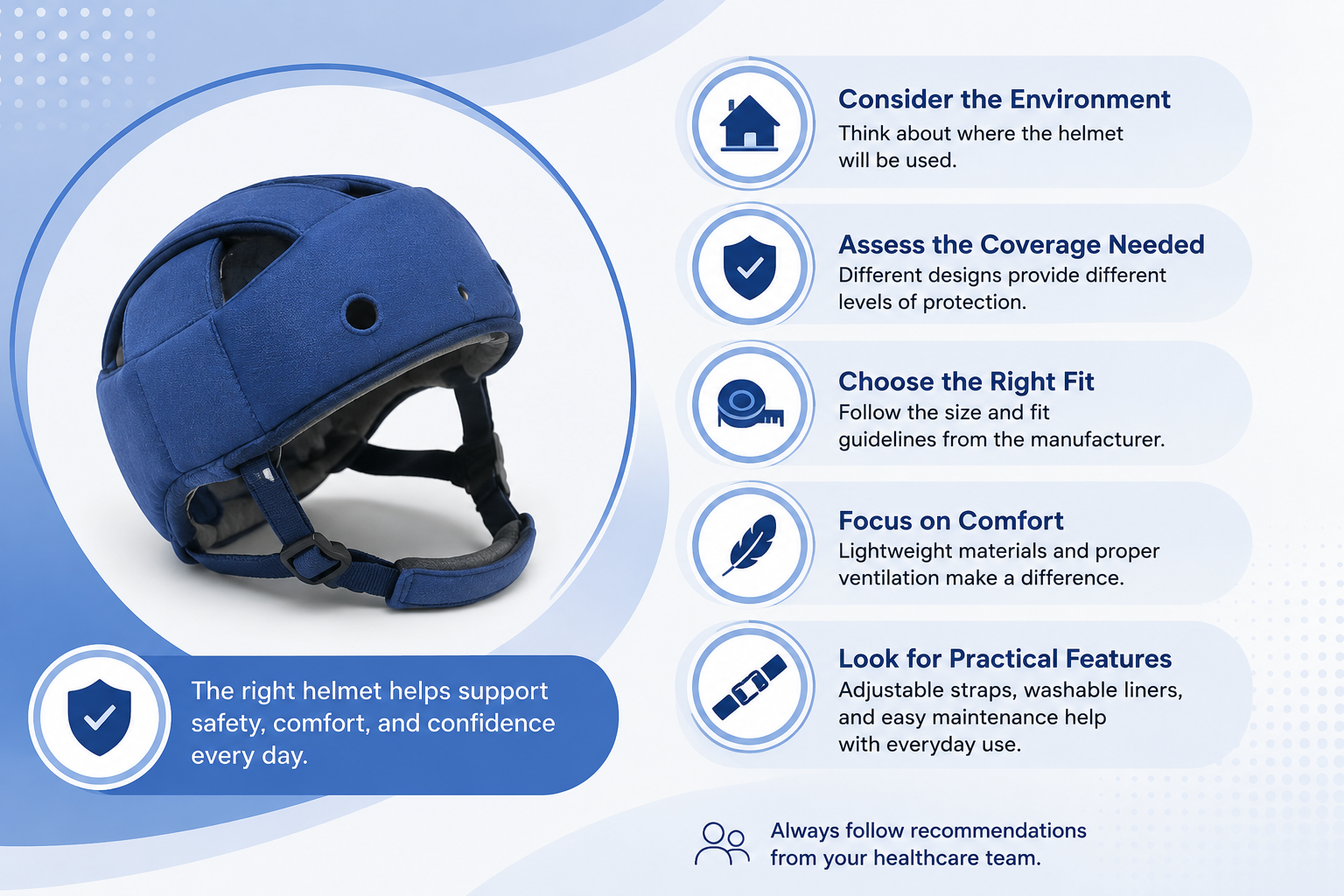
Not all protective helmets are designed the same way. Differences in materials, coverage, ventilation, weight, and fastening systems can influence how comfortable and practical a helmet is for everyday use. Choosing the right model is about more than appearance - it is about selecting equipment that aligns with an individual's needs and the recommendations of their healthcare team.
Some helmets are designed primarily for lightweight, everyday protection, while others provide more extensive coverage around the sides, back, or face. Think about three things first: where the helmet will be used, how much coverage is needed, and which size and features the manufacturer recommends. during the selection process.
A properly fitted helmet may also encourage more consistent use by improving comfort and reducing unnecessary pressure points. Features such as adjustable straps, breathable materials, washable liners, and lightweight construction can make daily wear more manageable for both users and caregivers.
When comparing available options, consider factors such as the following:
| Consideration | Why It Matters |
| Protection Level | Different helmets offer varying levels of head coverage. |
| Comfort | Comfortable helmets are more likely to be worn consistently. |
| Proper Fit | Correct sizing helps the helmet remain securely positioned during use. |
| Ventilation | Airflow may improve comfort during extended wear. |
| Weight | Lightweight helmets may reduce fatigue during daily activities. |
| Ease of Cleaning | Removable or easy-to-clean materials may simplify maintenance. |
| Adjustability | Adjustable straps can help achieve a more secure and personalized fit. |
While no helmet can eliminate the risk of injury, selecting an appropriate model based on professional guidance may help support everyday safety and confidence during routine activities.
Special needs helmets are available in different designs to address varying protection and support needs. The right option depends on factors such as the individual's activity level, healthcare provider recommendations, and the amount of head coverage required.
Understanding the differences between helmet types can make it easier to narrow down the options before selecting a specific product.
| Helmet Type | Designed For | Key Features |
| Soft Shell Helmet | Everyday protective wear | Lightweight foam construction, comfortable for extended use |
| Hard Shell Helmet | Individuals who may require enhanced impact protection | Durable outer shell with padded interior |
| Full Coverage Helmet | Users who may benefit from greater head coverage | Extended protection around the sides and back of the head |
| Helmet with Faceguard | Additional facial protection when recommended | Integrated faceguard with hard-shell protection |
| Protective Cap Style Helmet | Users looking for a lower-profile design | Flexible construction with everyday comfort |
While the appearance of these helmets may vary, proper fit and manufacturer sizing recommendations are just as important as the helmet style itself.
Medicaleshop offers a wide range of protective helmets and supportive head-positioning products from trusted manufacturers, including Danmar, a well-known brand specializing in protective headgear and positioning solutions.
Below are some of the products available at Medicaleshop that may help support individuals with varying protective and positioning needs.
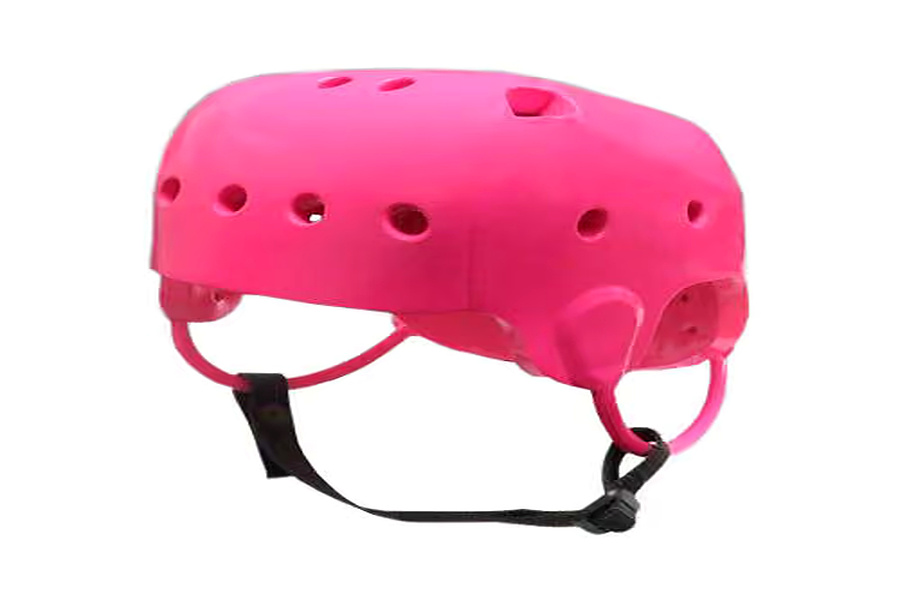
The Danmar Soft Shell Helmet is a protective helmet for individuals who require lightweight everyday head protection. Constructed with energy-absorbing foam and designed for comfort, it offers a balance between protection and wearability for home, school, therapy, and community settings.
Key Features
This helmet is often selected by caregivers and healthcare organizations looking for a comfortable option that can be worn for extended periods while maintaining everyday mobility.
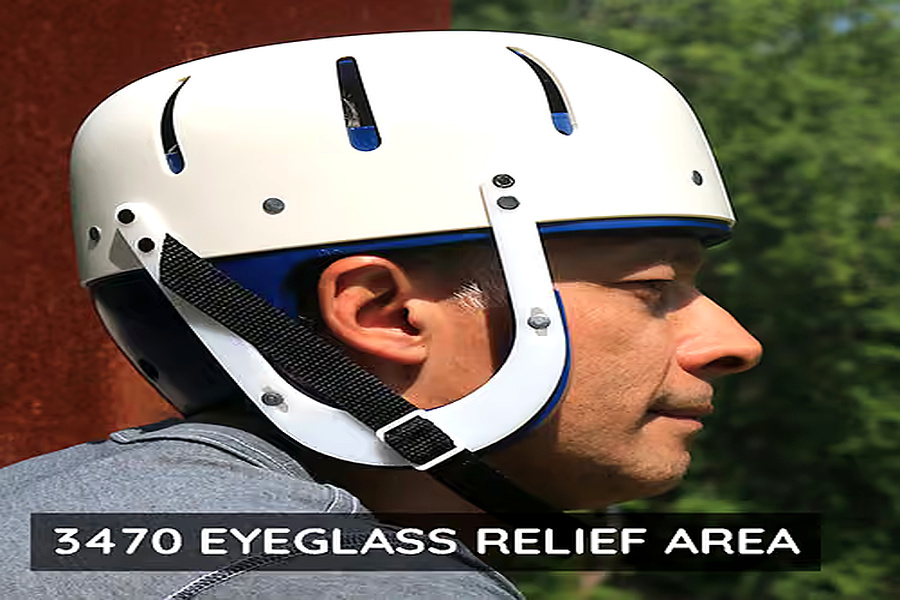
For individuals who require additional facial protection as recommended by their healthcare provider, the Danmar Hard Shell Helmet with Faceguard combines a durable hard-shell exterior with an integrated faceguard.
The faceguard is designed to provide additional protection to the facial area while maintaining visibility and allowing everyday activities.
Key Features
Because protection requirements vary significantly between individuals, healthcare provider guidance is especially important when selecting helmets with faceguards.
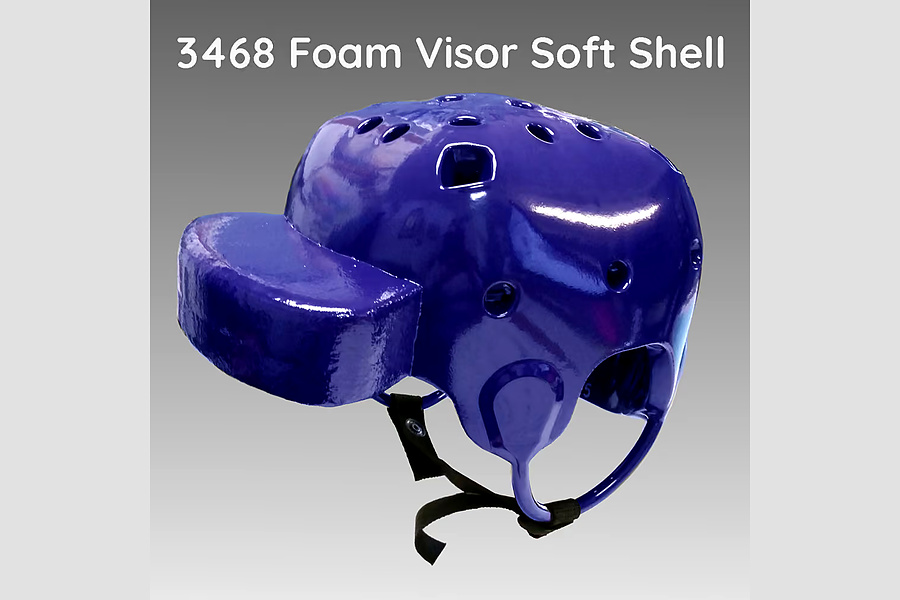
As its name suggests, the Danmar Full Coverage Helmet is designed to provide increased coverage around the head compared with standard protective helmets.
Its design extends protection to additional areas while maintaining a comfortable fit, making it a popular choice for individuals whose healthcare providers recommend more comprehensive head coverage.
Highlights
The full-coverage design may help support individuals who require broader protective coverage during daily activities.
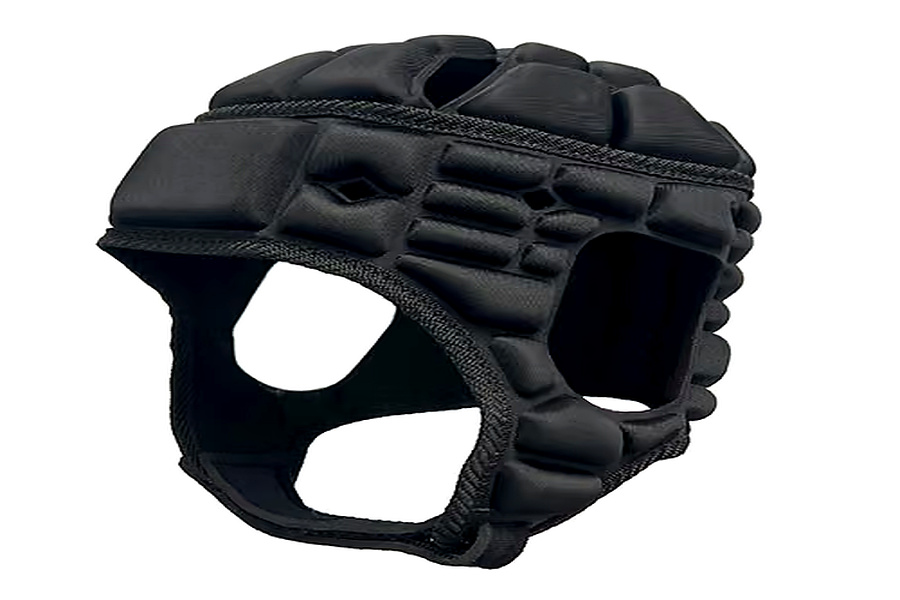
The Danmar EVA Foam FlexCap combines flexibility with protective foam materials to create a helmet that is both lightweight and comfortable.
Unlike bulkier helmet styles, the FlexCap offers a streamlined appearance while maintaining protective padding.
Features
Its lower-profile design makes it an appealing option for users seeking a helmet that feels less restrictive during routine activities.
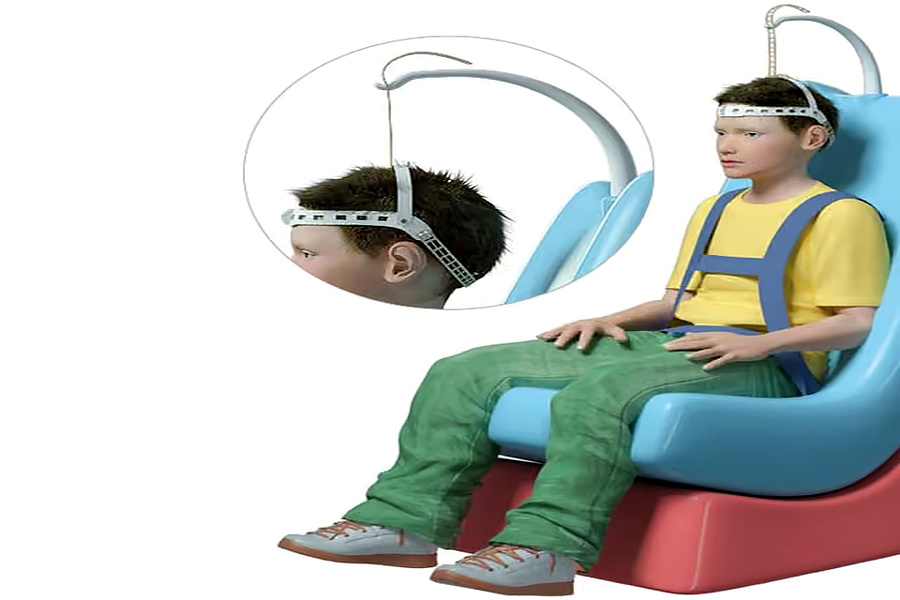
While not a protective helmet, the Headpod Dynamic Head Support System is designed to provide dynamic head positioning support for individuals who have difficulty maintaining head control.
Unlike rigid support systems, the Headpod allows natural movement while helping support head positioning during daily activities.
Key Features
Because this product serves a different purpose than protective helmets, it should always be selected based on professional clinical recommendations.
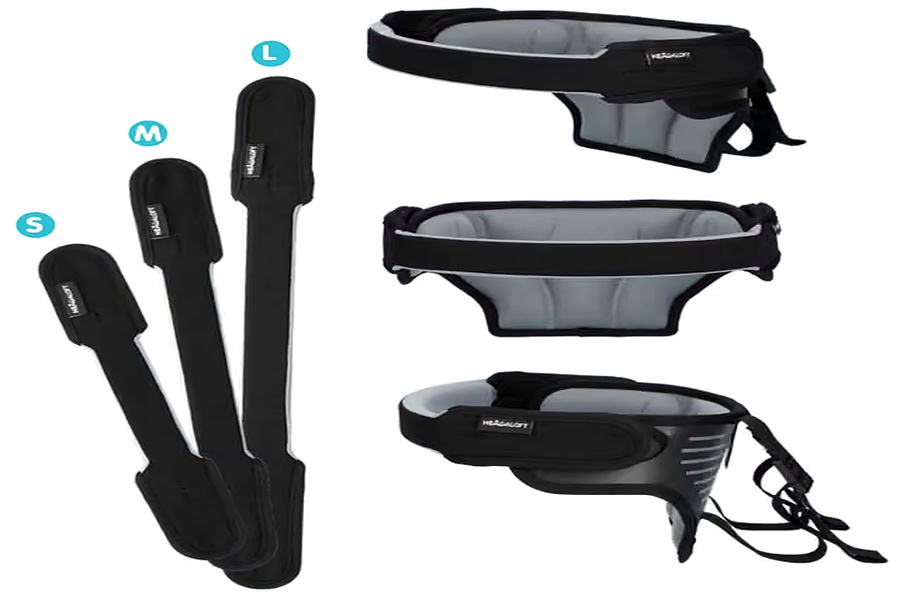
The HeadAloft Head Support System is another head positioning solution available at Medicaleshop. Designed for children and adults, it helps provide supportive head alignment while allowing functional movement.
Highlights
It is important to note that head support systems are not protective helmets and are intended for different clinical applications.
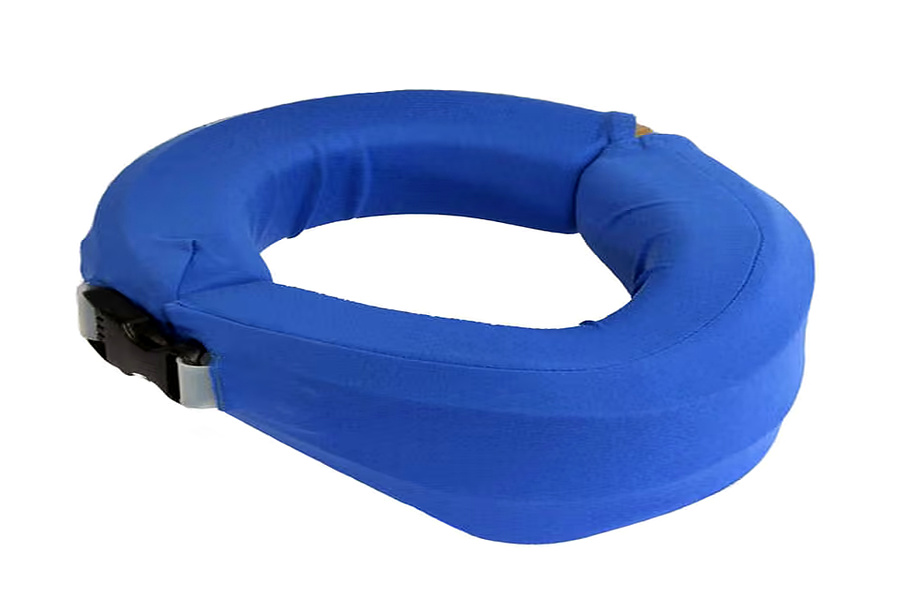
The Danmar Side Opening Head Support is designed to provide supportive positioning for individuals who require cervical support.
Its side-opening design may make application and removal easier for caregivers while providing adjustable support during seated activities.
Features
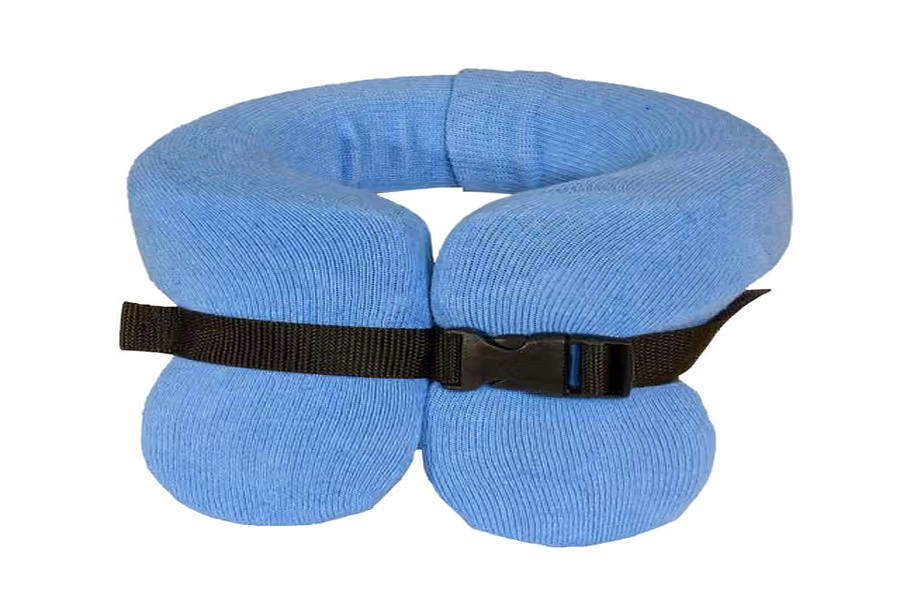
The Danmar Hensinger Head Support is widely used as a cervical support device designed to assist with head positioning.
It is commonly selected for individuals who require additional neck support while seated in wheelchairs, adaptive seating systems, or other mobility equipment.
Key Features
Like other positioning products, this device should only be selected according to recommendations from qualified healthcare professionals.
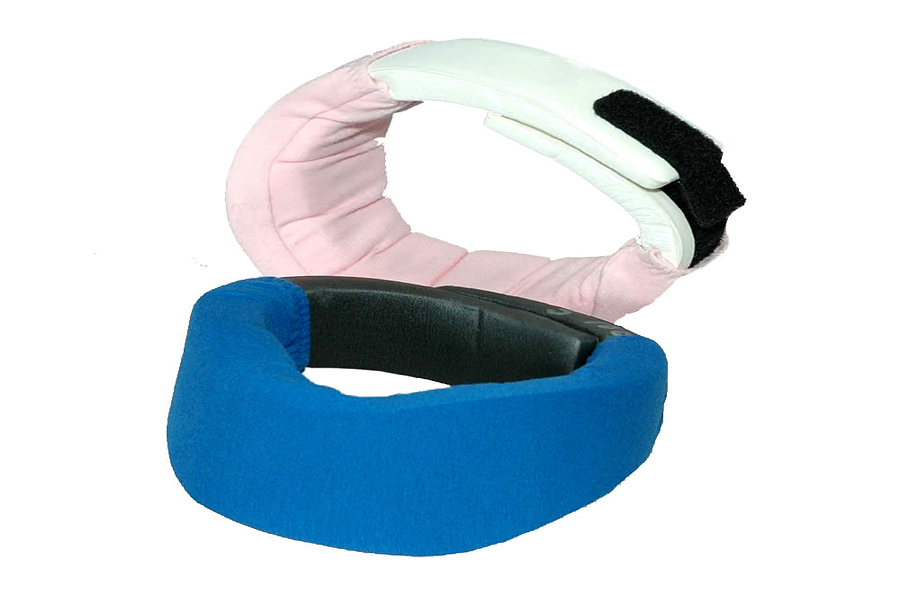
The Danmar Swirl Collar is a supportive neck positioning product designed to provide gentle cervical support for individuals who require additional assistance with head alignment.
Its spiral design helps create comfortable support while allowing appropriate movement during everyday activities.
Features
Best Special Needs Helmets Available at Medicaleshop
| Product | Category | Best For |
| Danmar Soft Shell Helmet | Protective Helmet | Everyday lightweight head protection |
| Danmar Hard Shell Helmet with Faceguard | Protective Helmet | Additional head and facial protection |
| Danmar Full Coverage Helmet | Protective Helmet | Greater head coverage |
| Danmar EVA Foam FlexCap | Protective Helmet | Flexible, lightweight everyday wear |
| Headpod Dynamic Head Support | Head Support | Dynamic head positioning |
| HeadAloft Head Support | Head Support | Supportive head alignment |
| Danmar Side Opening Head Support | Head Support | Adjustable cervical positioning |
| Danmar Hensinger Head Support | Head Support | Seated head and neck support |
| Danmar Swirl Collar | Neck Support | Gentle cervical support |
Important Note: Protective helmets and head support systems serve different purposes. Protective helmets are designed to provide head protection, while head support products are intended to assist with positioning and alignment. Product selection should always follow the recommendations of a qualified healthcare professional and the manufacturer's instructions for use.
Selecting a special needs helmet involves more than choosing a style or color. The right helmet should match the individual's needs, daily activities, and the recommendations of a qualified healthcare professional. Factors such as the level of protection required, comfort, fit, and compatibility with other mobility or positioning equipment can all influence the best choice.
Here are some important considerations when comparing special needs helmets:
Protective helmets are available in soft-shell, hard-shell, and full-coverage designs. The most appropriate level of protection depends on the individual's needs and should always follow guidance from a qualified healthcare professional.
For example:
Rather than assuming one style is better than another, focus on selecting a helmet that aligns with the intended use.
2. Prioritize Proper Fit
Even the highest-quality helmet may not perform as intended if it does not fit correctly.
A well-fitted helmet should:
Since sizing varies between manufacturers, always refer to the product-specific sizing guide before placing an order.
3. Look for Everyday Comfort
Many individuals wear protective helmets for extended periods throughout the day. Features that improve comfort may encourage more consistent use.
Helpful comfort features include:
A comfortable helmet may also make daily routines easier for caregivers, teachers, and therapists.
4. Think About Daily Activities
The environment in which the helmet will be used is another important consideration.
For example, consider whether the helmet will primarily be used during:
Understanding how and where the helmet will be used can help narrow the available options.
5. Choose Products from Trusted Manufacturers
Protective helmets should always be purchased from reputable manufacturers that provide clear sizing information, product specifications, and care instructions.
Medicaleshop offers protective helmets and head support products from established brands such as Danmar, helping caregivers and healthcare organizations access equipment designed specifically for rehabilitation and special needs applications.
Medical Compliance Notice: Helmet selection should always be based on the recommendations of a qualified healthcare professional. No protective helmet can prevent all injuries or replace appropriate supervision and individualized care.
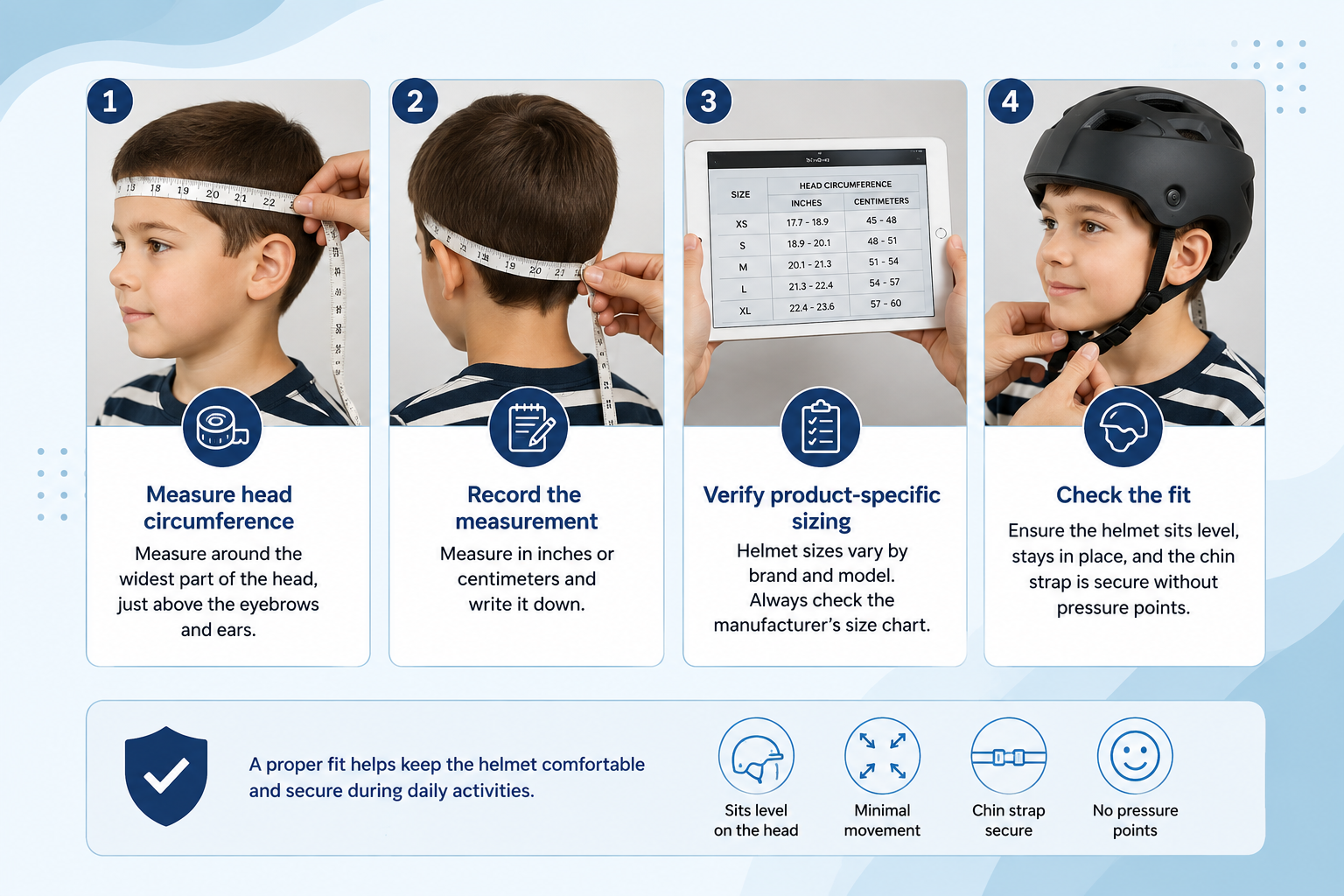
Proper sizing is one of the most important steps when purchasing a special needs helmet. A helmet that is too loose may shift during movement, while one that is too tight may become uncomfortable during extended wear. Use the measurement method specified by the manufacturer for the helmet model. If the product instructions call for head circumference, follow the manufacturer's measurement points and compare the result with the product-specific sizing chart.
Although sizing instructions vary by manufacturer, the following steps provide a general guide:
Step 1: Measure Head Circumference
Using a flexible measuring tape, measure around the widest part of the head. This is typically just above the eyebrows and ears, wrapping around the back of the head.
Step 2: Record the Measurement
Measure in inches or centimeters and compare the result with the manufacturer's official sizing chart for the specific helmet model.
Step 3: Verify Product-Specific Sizing
Helmet sizes can vary between manufacturers and even between different models from the same brand. Always refer to the sizing information provided on the individual product page.
Step 4: Check the Fit
After receiving the helmet, ensure that it:
If the fit appears incorrect, consult the manufacturer or supplier before using the product.
Routine care and proper storage may help maintain the condition of a special needs helmet over time. While cleaning methods differ between manufacturers, following the product's Instructions for Use (IFU) can help support safe and appropriate maintenance.
Cleaning Tips
Most protective helmets should only be cleaned using the methods recommended by the manufacturer.
General care practices may include:
Helmets should never be modified, repainted, or repaired unless specifically approved by the manufacturer.
Routine Inspection
Regular visual inspections can help identify signs of wear before continued use.
Check for:
If a helmet appears damaged or no longer fits properly, discontinue use and consult the manufacturer or supplier regarding replacement.
Storage Recommendations
Proper storage can also help preserve the helmet's condition.
To help protect the equipment:
Following the manufacturer's care instructions can help you maintain the equipment in accordance with its intended use.
Important: Always follow the manufacturer's care and maintenance instructions for your specific helmet model. Cleaning methods, replacement schedules, and inspection recommendations vary by product.
Why Buy Special Needs Helmets from Medicaleshop?
Finding the right protective helmet is only part of the decision. Purchasing from a trusted medical equipment supplier can also make the selection process easier by providing access to reputable brands, detailed product information, and a wide range of rehabilitation products.
Medicaleshop is a U.S.-based dealer and supplier of medical equipment, rehabilitation products, mobility solutions, and special needs equipment. We work with established manufacturers to offer products commonly used in home care, schools, therapy centers, rehabilitation facilities, and healthcare organizations.
When exploring special needs helmets at Medicaleshop, you'll find the following:
In addition to protective helmets, Medicaleshop offers complementary products such as adaptive seating, wheelchair accessories, positioning supports, mobility aids, pediatric rehabilitation equipment, and home healthcare solutions. This makes it easier for families, schools, therapy centers, and healthcare organizations to find products that work together within a broader care environment.
Compliance Notice: Medicaleshop is a dealer and supplier of medical and rehabilitation equipment. We do not manufacture protective helmets, prescribe treatments, or provide medical advice. Product selection should always be based on the recommendations of qualified healthcare professionals and the manufacturer's instructions for use.
Selecting a special needs helmet involves more than simply choosing a product—it requires careful consideration of the individual's needs, recommended level of protection, proper fit, and everyday comfort. Since no two users have the same requirements, the most appropriate helmet should always be selected in consultation with a healthcare professional and according to the manufacturer's sizing and usage guidelines.
Whether you're looking for a lightweight soft-shell helmet for everyday wear, a hard-shell helmet with additional facial protection, or supportive head positioning products, understanding the differences between available options can help you make a more informed purchasing decision.
At Medicaleshop, we offer a wide selection of special needs helmets and head support solutions from trusted manufacturers, including Danmar, to support the needs of individuals, caregivers, schools, therapy centers, rehabilitation facilities, and healthcare organizations across the United States. In addition to protective headgear, our extensive range of rehabilitation, mobility, adaptive seating, and home healthcare products makes it easier to find equipment designed to support everyday care in one convenient place.
Explore Medicaleshop's collection of special needs helmets and rehabilitation products to compare features, review sizing information, and find equipment that best aligns with your healthcare provider's recommendations and individual care needs.
The information presented in this article has been developed using guidance and educational resources from recognized healthcare organizations and manufacturers.
Frequently Asked Questions
Ans. A special needs helmet is designed to provide protective head coverage for individuals who may be at an increased risk of head injuries due to certain medical conditions, developmental disabilities, balance difficulties, or mobility challenges. The type of helmet selected should always follow the recommendations of a qualified healthcare professional.
Ans. Healthcare professionals may recommend protective helmets for some individuals with seizure disorders, cerebral palsy, developmental disabilities, neurological conditions, or balance-related challenges. Every recommendation should be based on an individual's specific medical needs and care plan.
Ans. Soft-shell helmets are generally lightweight and designed for everyday protective wear, while hard-shell helmets have a rigid exterior that may provide a higher level of impact protection. The most appropriate option depends on the user's individual needs and healthcare provider recommendations.
Ans. Yes. Although many protective helmets are designed for children, several manufacturers also offer models suitable for teenagers and adults. Some manufacturers offer models and sizes suitable for teenagers and adults. Availability and sizing vary by product.
Ans. Use a flexible measuring tape to measure the circumference of the head just above the eyebrows and ears. Compare this measurement with the manufacturer's sizing chart for the specific helmet model before purchasing.
Ans. A properly fitted helmet should sit level on the head, remain secure during movement, and fasten comfortably without creating excessive pressure. Always follow the manufacturer's fitting instructions and consult a healthcare professional if you have questions about sizing.
Ans. Cleaning instructions vary by manufacturer. In general, many helmets can be wiped with a soft, damp cloth and mild soap if permitted by the manufacturer. Always follow the care instructions provided with the specific product.
Ans. Replacement depends on the manufacturer's recommendations, the condition of the helmet, and whether it has sustained damage. Helmets showing signs of wear, cracked shells, compressed padding, or damaged straps should be inspected and replaced as appropriate.
Ans. Coverage varies depending on the insurance provider, the individual's policy, and medical necessity. Patients and caregivers should contact their insurance provider or healthcare team to determine eligibility and documentation requirements.
Ans. Medicaleshop offers a wide selection of special needs helmets, protective headgear, head support systems, and rehabilitation products from trusted manufacturers. Product availability, sizing options, and specifications can be reviewed directly on individual product pages before purchase.
.avif&w=3840&q=75)
.avif&w=3840&q=75)